

KAGA ONSEN
©山代温泉観光協会
Explore Kaga Onsen Culture
Wellness and Restorative Time
Kaga: Explore Japanese Culture at Its Deepest
Kaga reached its height during the Edo period (1603–1868), when it held the largest and wealthiest domain in Japan outside the Tokugawa shogunate government. The Maeda family, known for directing their considerable resources toward cultural pursuits, became distinguished patrons of the arts whose legacy continues today.
While carefully navigating the tensions and scrutiny of the shogunate government, they invested their wealth in the advancement of the arts and scholarship. Master artisans and cultural figures were invited from across Japan, and Kaga developed a unique cultural identity shaped by influences from both Kyoto’s courtly traditions and Edo’s samurai culture. This refined aesthetic lives on in Noh theater, tea culture, traditional crafts, and Kaga cuisine.
 ©石川県観光連盟
 ©石川県観光連盟
Kaga is also home to the “Three Hot Springs of Kaga,” each with more than 1,300 years of history and its own character and landscape. Castle towns that preserve the atmosphere of the Kaga domain, along with the grand residences of shipowners who prospered through the Kitamaebune trade routes, form a rich and unique historical heritage distinct from that of Kyoto or Tokyo.
Embraced by the hot spring villages of Kaga and the quiet beauty of Japanese tradition, you can spend time reconnecting with a cultural depth and sense of calm that have been cultivated here for centuries.
History
The 1,300‑Year Story Woven by the Kaga Hot Spring Villages
The Kaga Hot Spring Villages, formed by the four springs known as the “Three Hot Springs of Kaga,” each carry their own history, character, and atmosphere—together expressing the cultural richness that has taken shape in this region over more than 1,300 years.
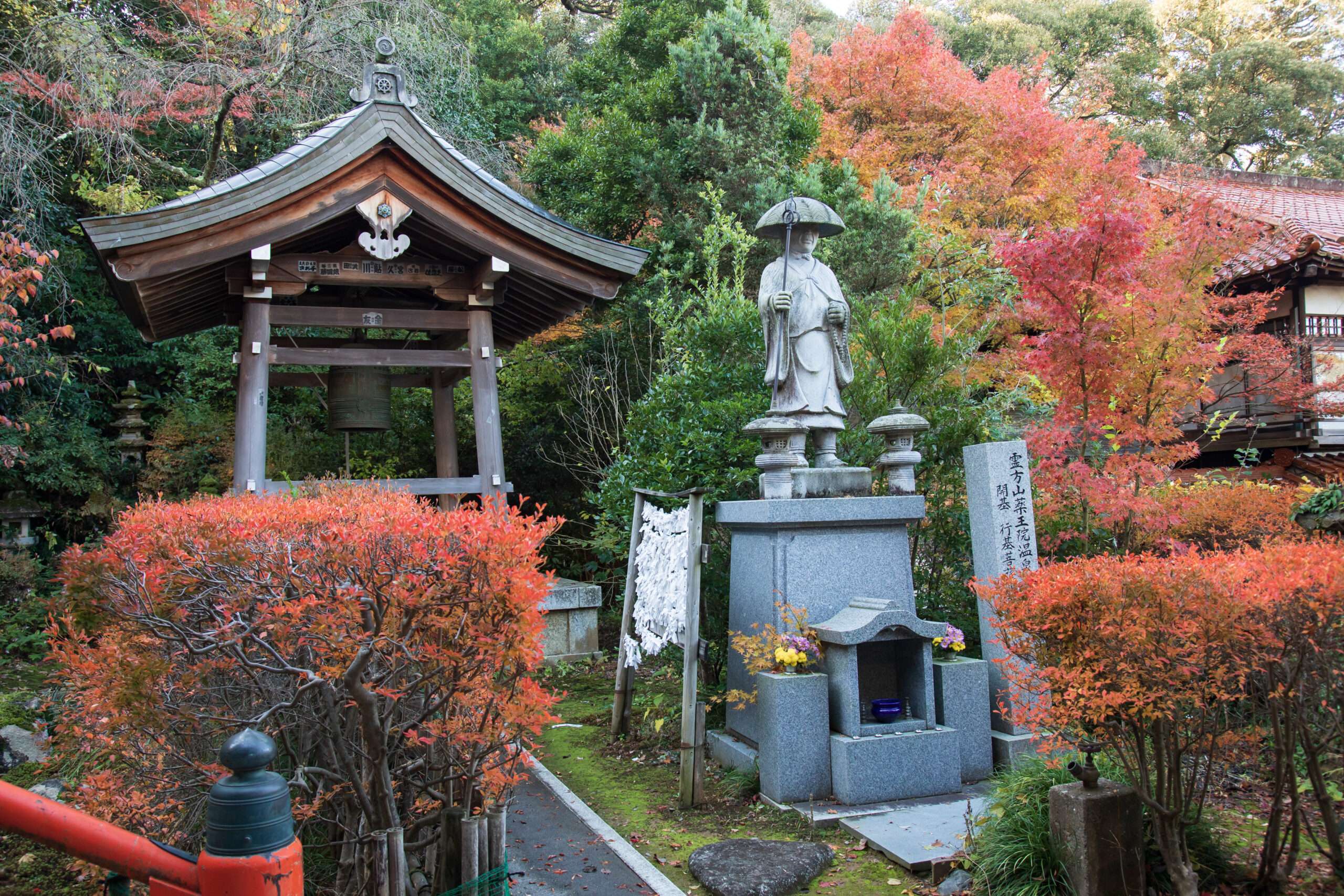
One of these, Yamashiro Onsen, is a historic hot spring town said to have begun in 725, when the high priest Gyōki discovered the spring during his pilgrimage to Mount Hakusan, guided by the three‑legged sacred crow (Yatagarasu).
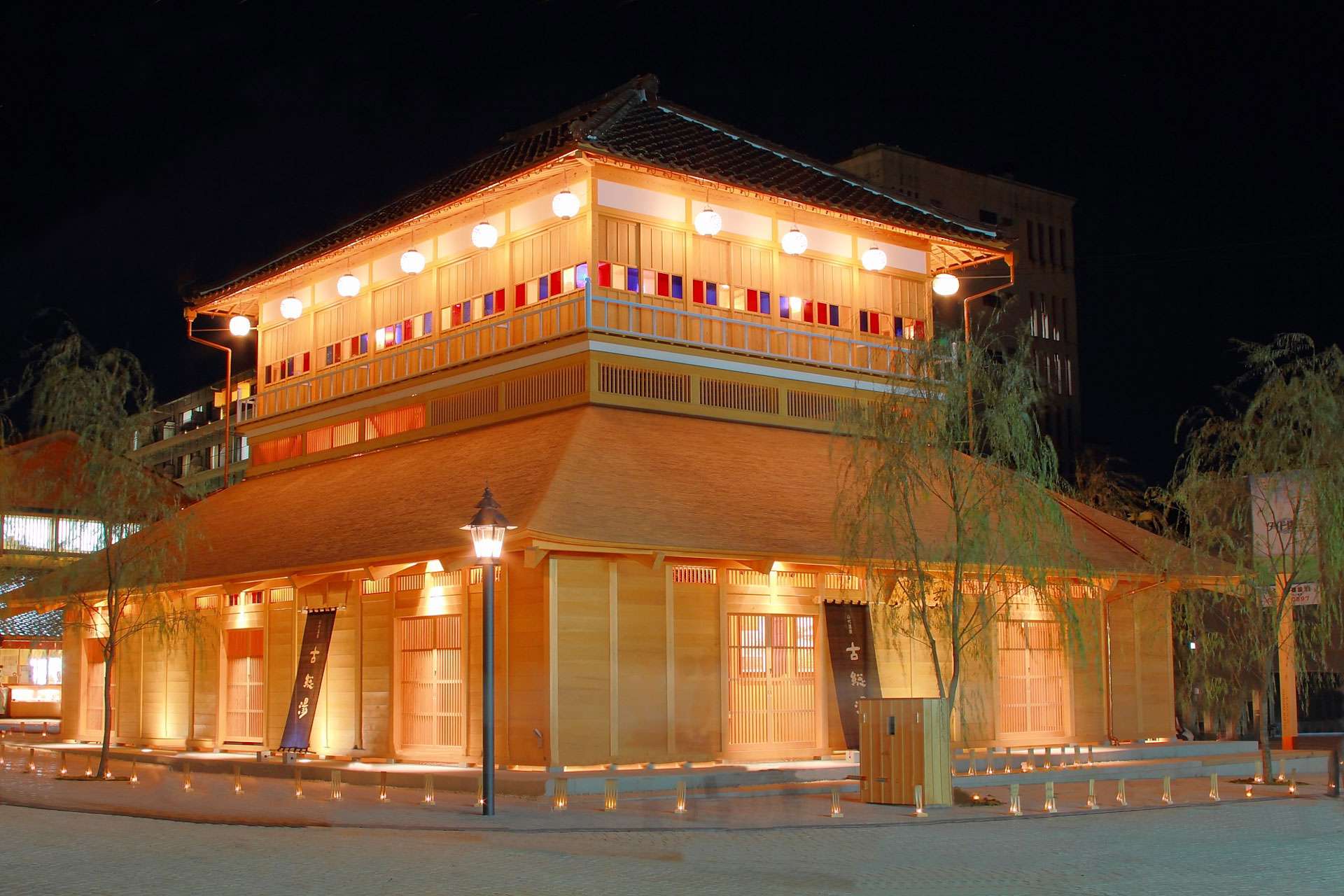
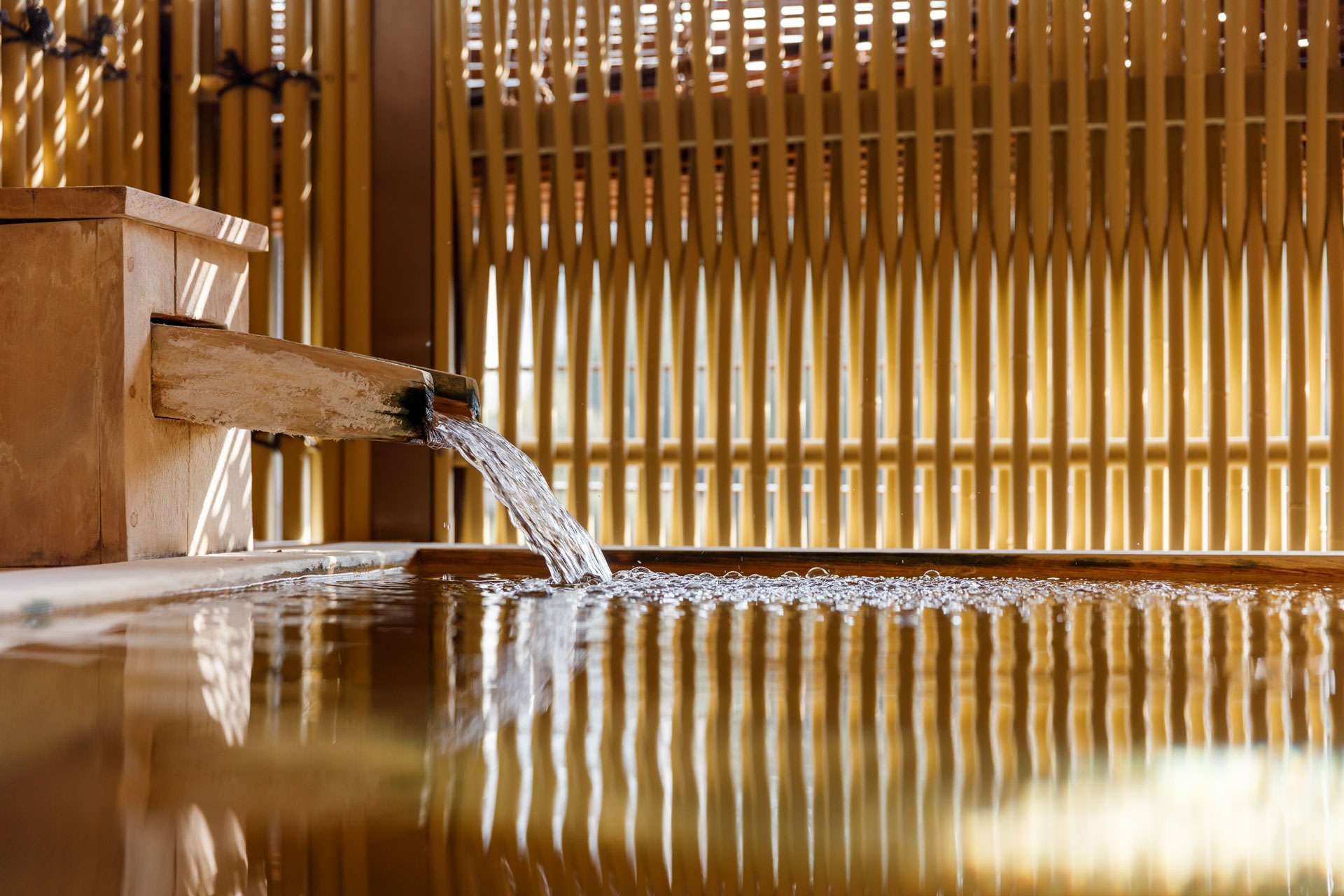
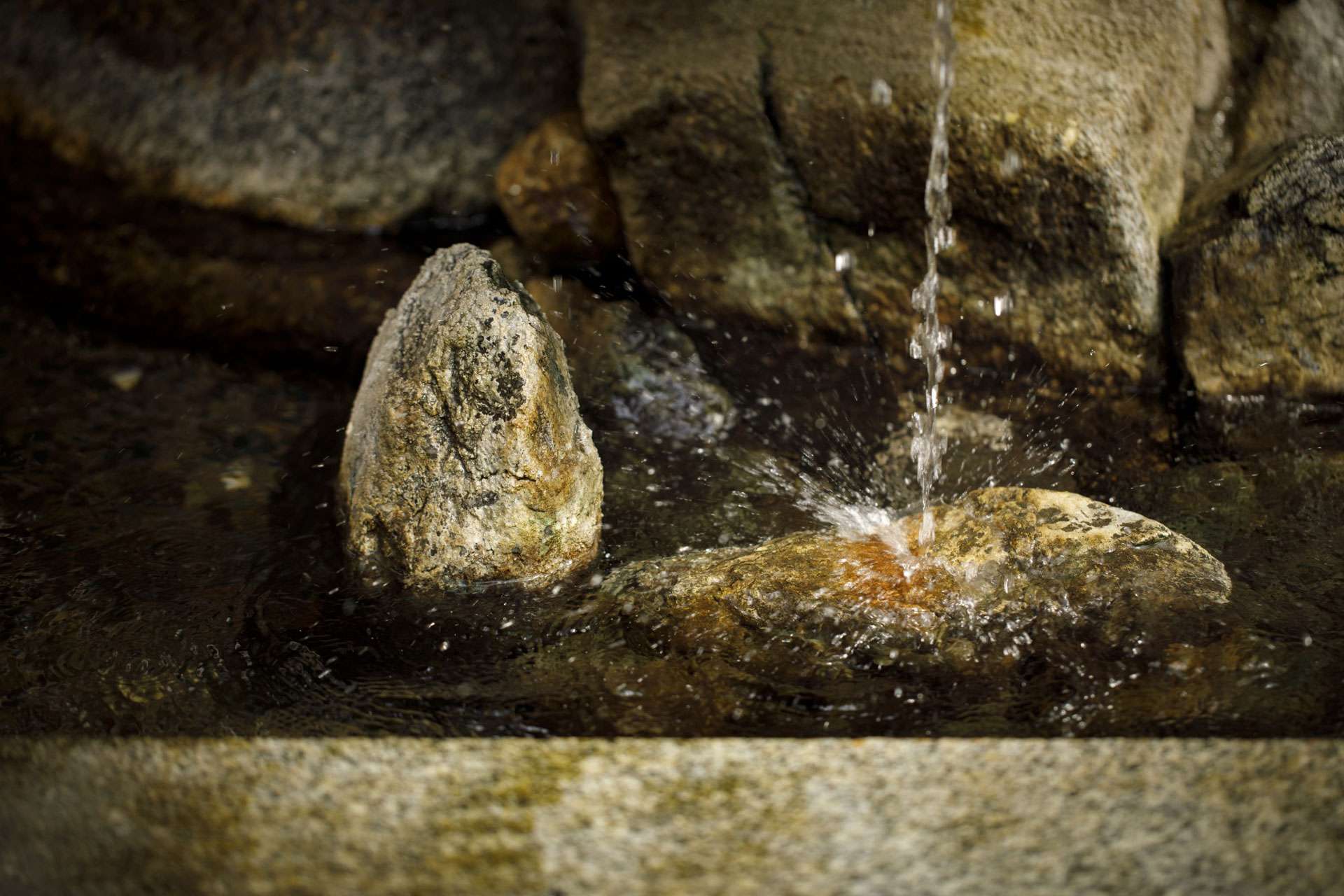
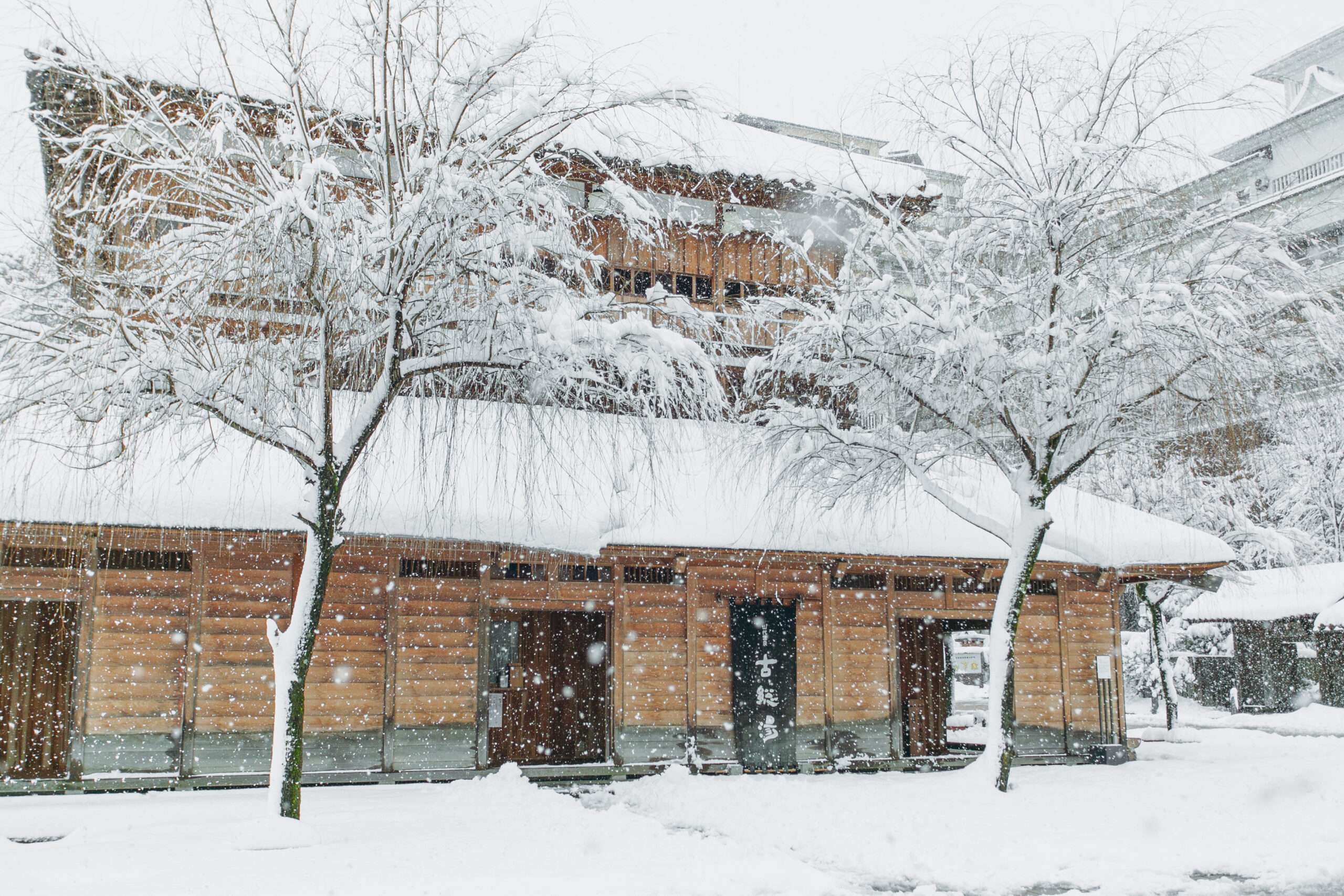
During the Edo period (1603–1868), Yamashiro prospered as a restorative hot spring destination. Its most symbolic feature is the Yunogawa district, a townscape shaped around the tradition of communal bathhouses. In many hot spring towns across Japan, inns and shops clustered around a central bathhouse, and travelers would stroll the streets in yukata, enjoying the atmosphere of the springs. In Hokuriku, this central communal bath was called the Sōyu, and the surrounding district became known as the Yunogawa, a term unique to the region.
 ©石川県観光連盟
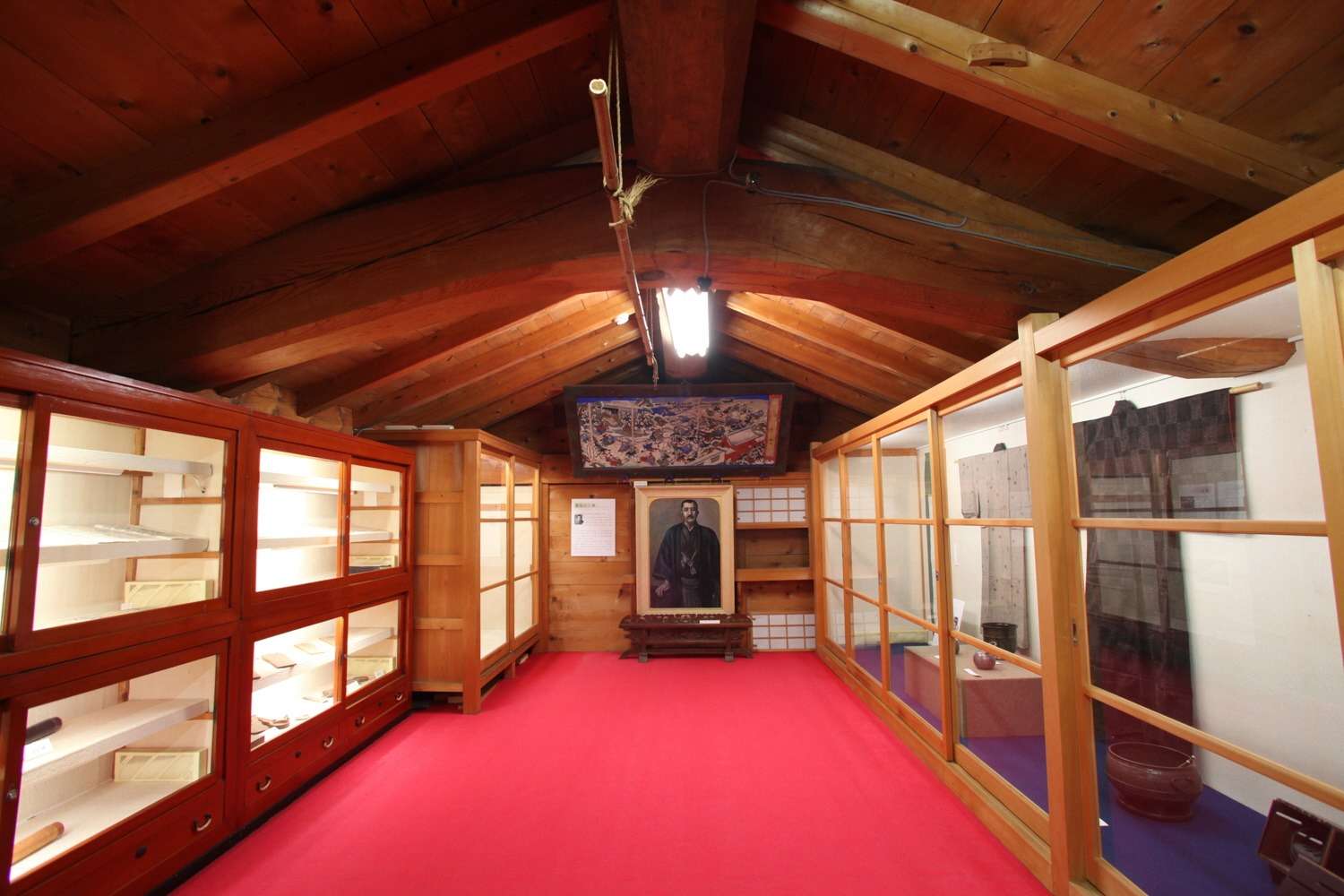
This refined cultural landscape continued into the Meiji period (1868–1912), attracting leading cultural figures such as Akiko Yosano, Kyōka Izumi, and Rosanjin, whose work helped shape modern Japanese culture.
In 2010, Yamashiro Onsen completed a major restoration project to revive this historical townscape. The former Sōyu was faithfully reconstructed, allowing today’s travelers to experience the atmosphere and rhythm of the hot spring culture that once flourished here.
From the founding of Yakuōin Onsenji Temple in the medieval era—built to protect the sacred spring—through the fully developed public‑bath culture of the Edo period, the vivid cultural expression of the Meiji era, and the modern revival of the Yunogawa district, Yamashiro Onsen continues to weave its 1,300‑year story into the present day.
Enjoy the deep historical atmosphere of Yamashiro Onsen, where the beauty of the landscape and the spirit of Japanese tradition have been carefully preserved across centuries.
Enduring Japanese Aesthetics at Their Highest
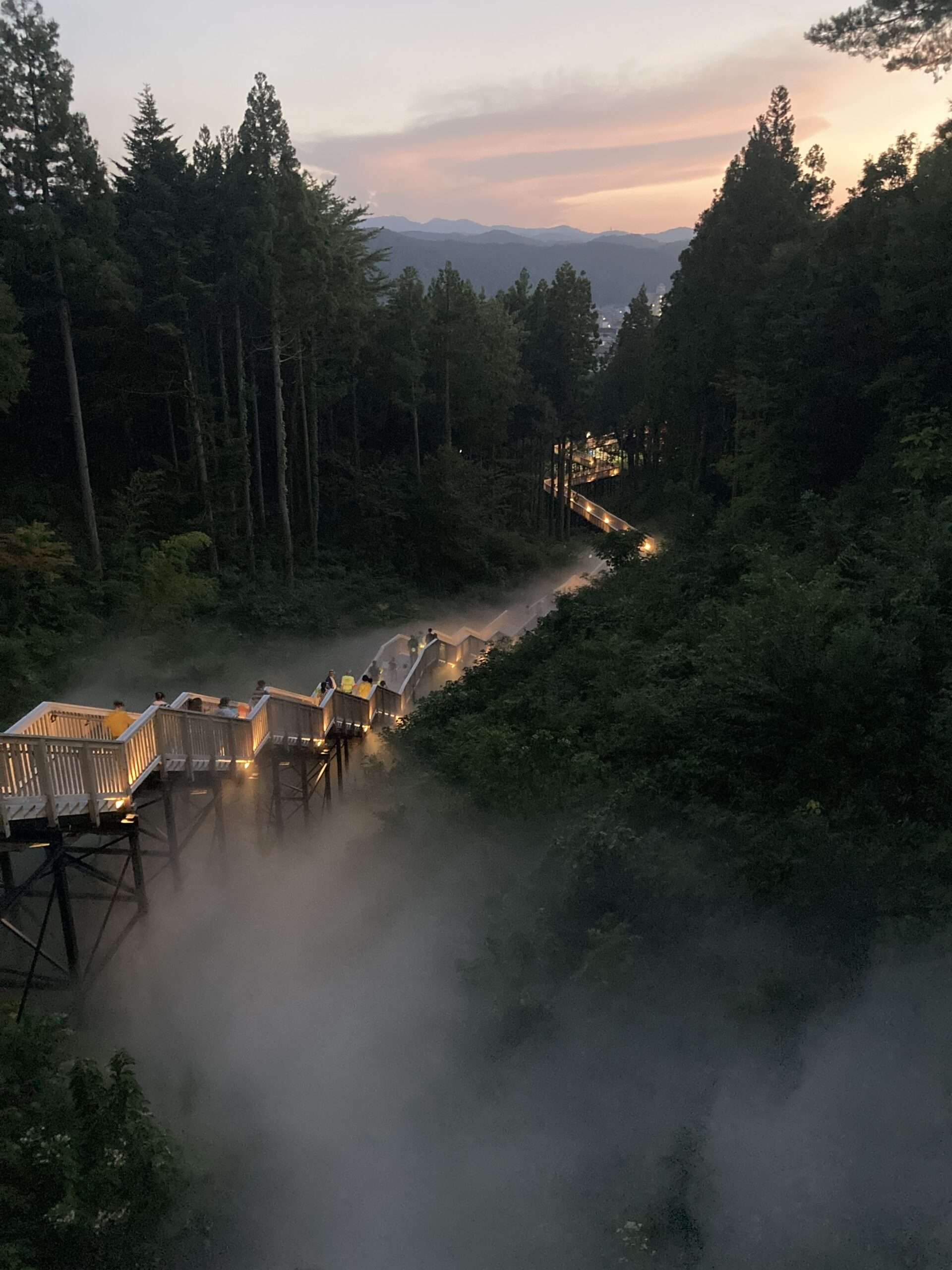
During the Edo period (1603–1868), when Japanese culture reached a remarkable level of refinement, the Kaga Domain was known as one of the wealthiest in the country. Its resources were directed toward cultural development, leaving a lasting influence on the foundations of Japanese aesthetics—crafts, tea culture, cuisine, Noh theater, and garden design.
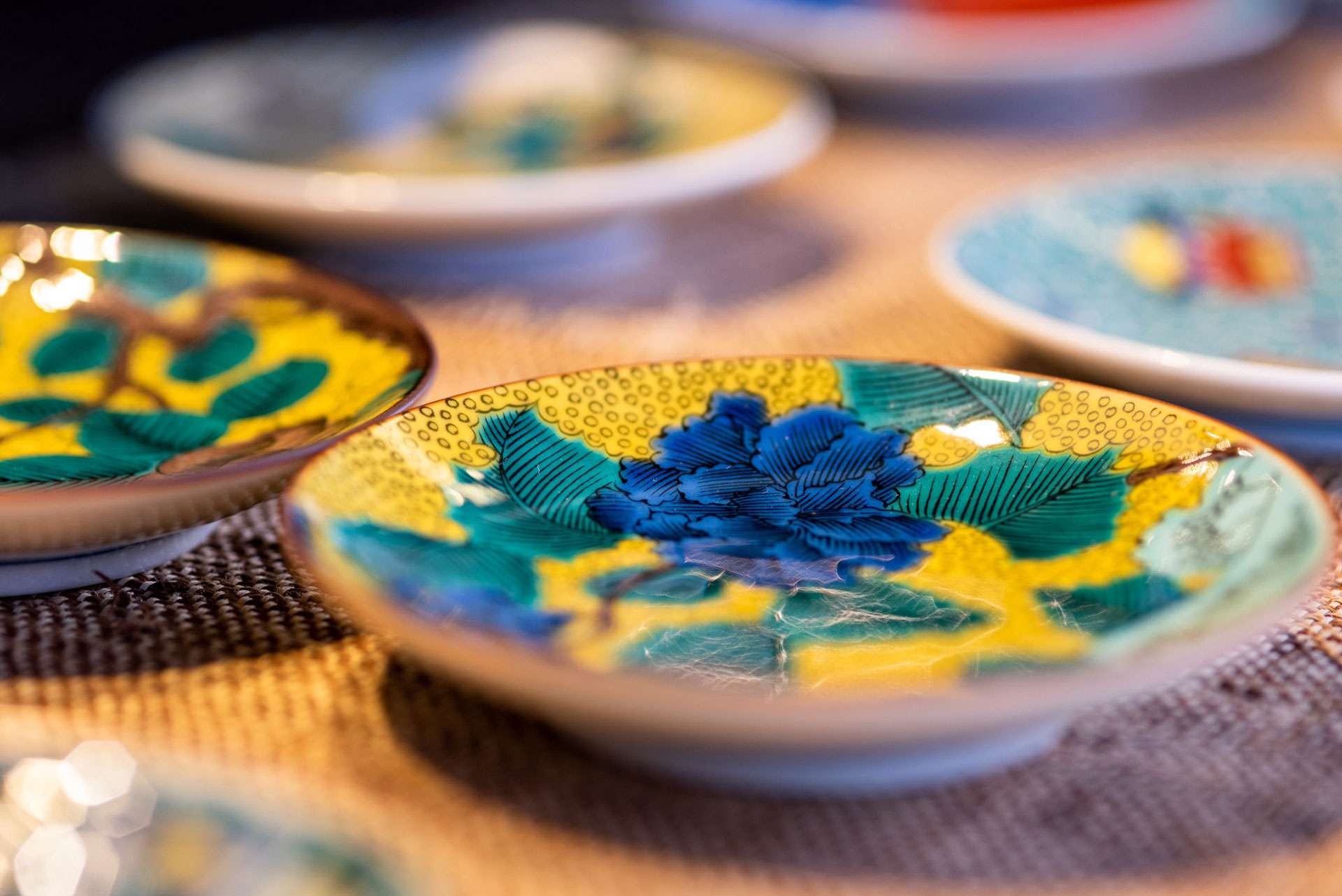
Among the most celebrated expressions of this cultural investment is Kutani ware. Its origins trace back to around 1655, when Maeda Toshiharu, lord of the Daishōji sub‑domain under the Kaga Domain, ordered the construction of a kiln using local porcelain stone from Kutani Village. Production flourished for only about fifty years before coming to an abrupt end. Works created during this early period are known as Ko‑Kutani, admired for their bold, deep colors and valued today for both their artistic significance and rarity.
In the 19th century, ceramic production revived within the Kaga Domain. A prominent Daishōji merchant, Toyoda Den’emon, dedicated his personal fortune to rebuilding a kiln and restoring the craft. His efforts sparked a renaissance that continued into the Meiji period (1868–1912) and beyond, producing generations of master artisans. This revival is often described as a Japanese form of renaissance—an ambitious cultural restoration made possible by the domain’s wealth and its deep respect for the arts. The story continues to resonate with visitors to Kaga today.
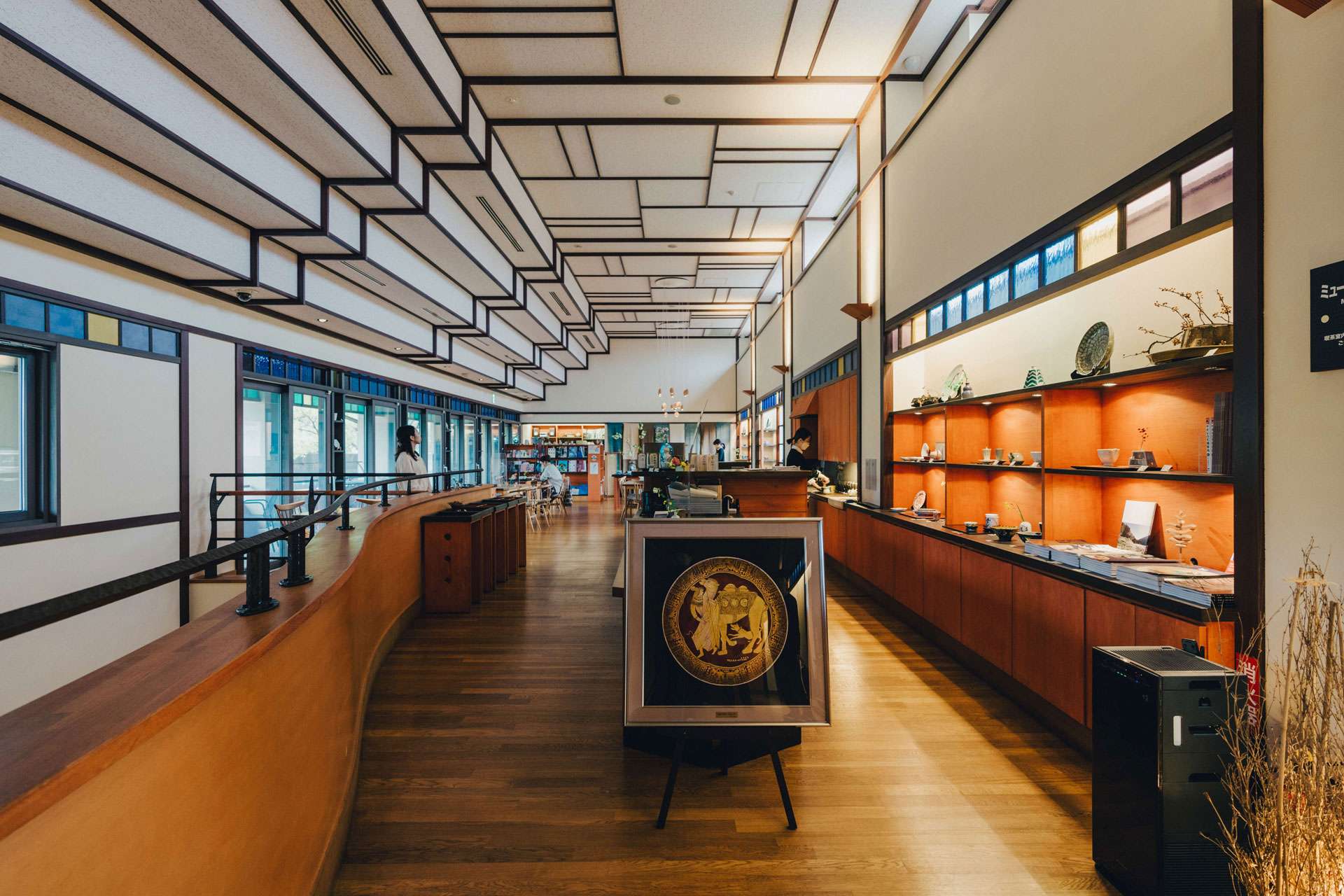
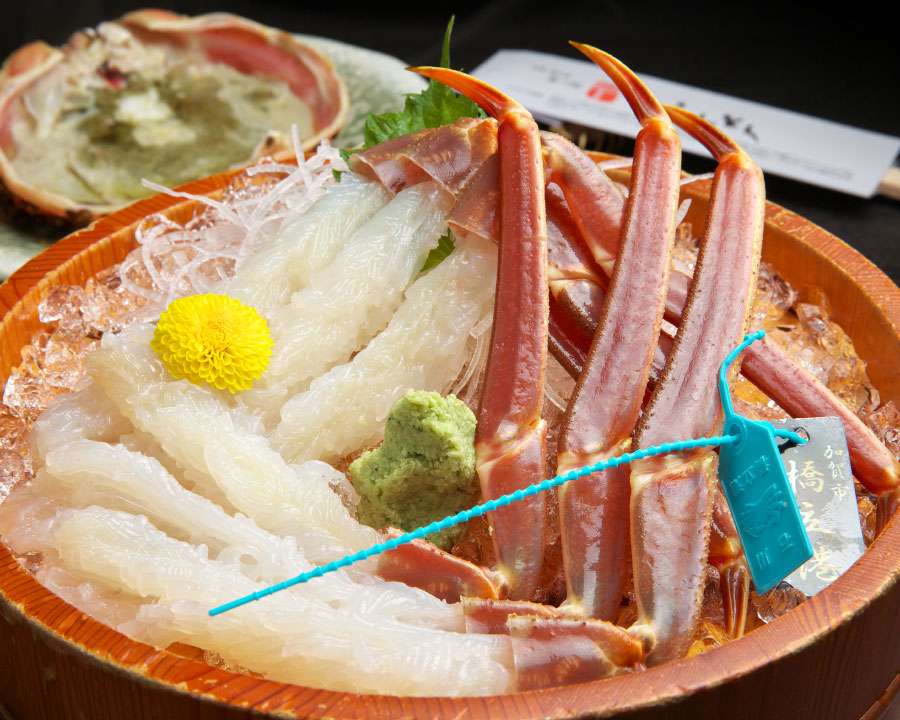
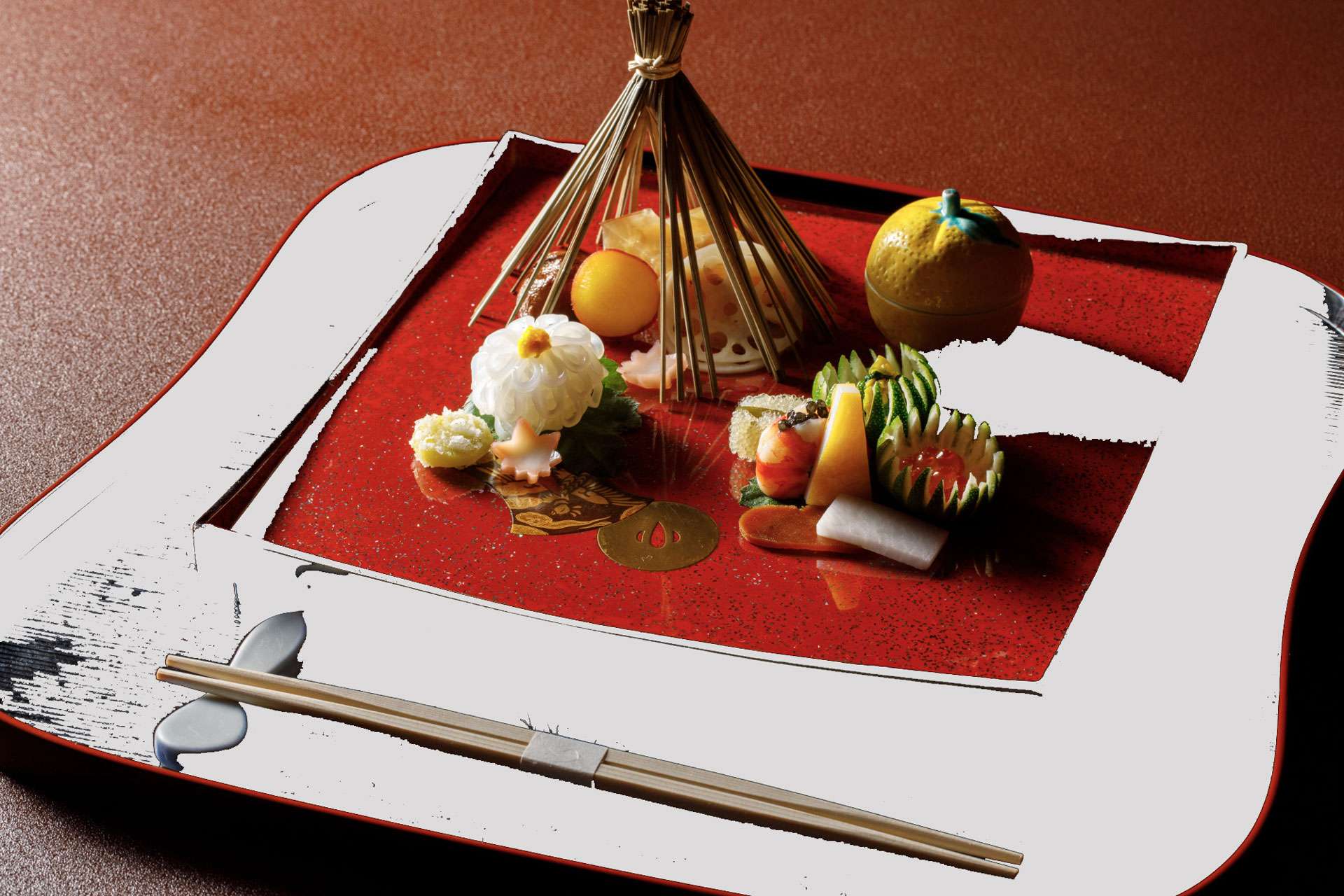
Kaga’s aesthetic sensibilities also shaped its culinary traditions. Kaga cuisine, designated as a Registered Intangible Cultural Property of Japan, stands alongside Kyoto cuisine as one of the country’s most distinguished culinary traditions. Rooted in the samurai culture of the Kaga Domain, it values ceremony, formality, and refined presentation. Influenced by the domain’s patronage of crafts and tea culture, Kaga cuisine is defined not only by its dishes but also by the cultural environment surrounding them—Kutani ware and Wajima lacquerware, seasonal decorations, and the spirit of hospitality.
The region is also blessed with abundant ingredients: Kaga vegetables from the Kanazawa area, seafood nurtured by the meeting currents along the Noto Peninsula, and a rich tradition of fermentation, including miso and soy sauce. These elements make Kaga a leading region for Japanese gastronomy. The artist and epicure Kitaōji Rosanjin—famous for the phrase “tableware is the kimono of cuisine”—spent his youth in Yamashiro Onsen, where he studied pottery and pursued the unity of food and craft. His sensibilities echo the spirit of Kaga cuisine. Even today, travelers to the Kaga Hot Spring Villages are moved by the traditional Japanese aesthetics found throughout the region—from Kutani ware to Kaga cuisine, and from artistic expression to the disciplined spirit and hospitality behind it. Alongside the restorative hot springs, enjoy the timeless beauty of Kaga’s cultural heritage, carried across generations and still alive in every detail.
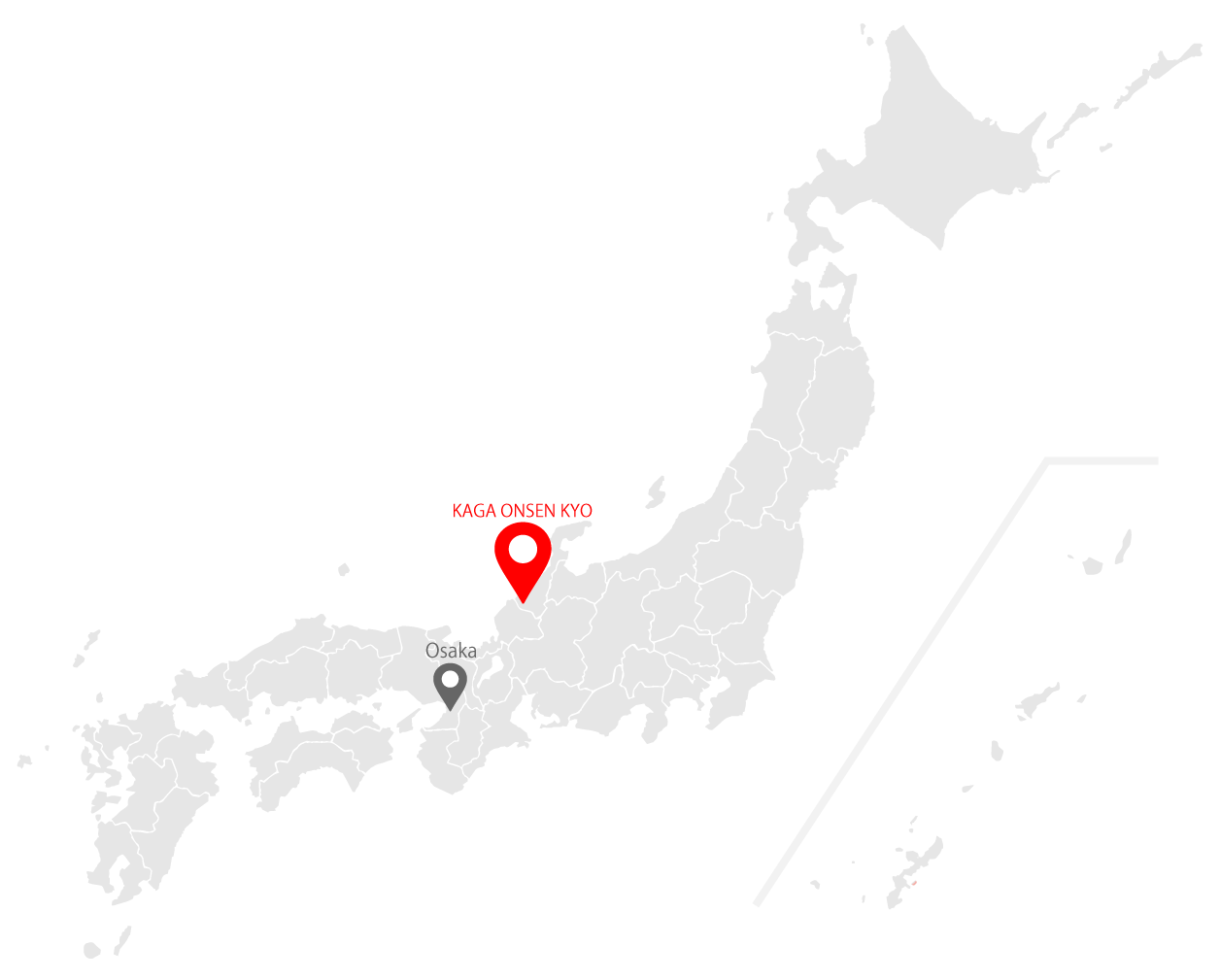
ACCESS
Ishikawa Prefecture / Kaga City
 Ltd. Exp. Thunderbird
Approx. 1 hr 20 min
 Hokuriku Shinkansen
Approx. 25 min
Hokuriku Shinkansen KagayakiApprox. 2 hrs 30 min
Kaga Onsen — Yamashiro Onsen
A Hot‑Spring Town Steeped in Sotoyu Culture
Yamashiro Onsen, part of the Kaga Onsenkyo area, is a compact hot‑spring town where Japan’s sotoyu culture is still very much alive. The restored Yuno‑gawa district brings back the atmosphere of hot‑spring towns from the Edo to Meiji periods, allowing visitors to feel 1,300 years of history, traditional streetscapes, and the quiet rhythm of daily cultural life.
©山代温泉観光協会
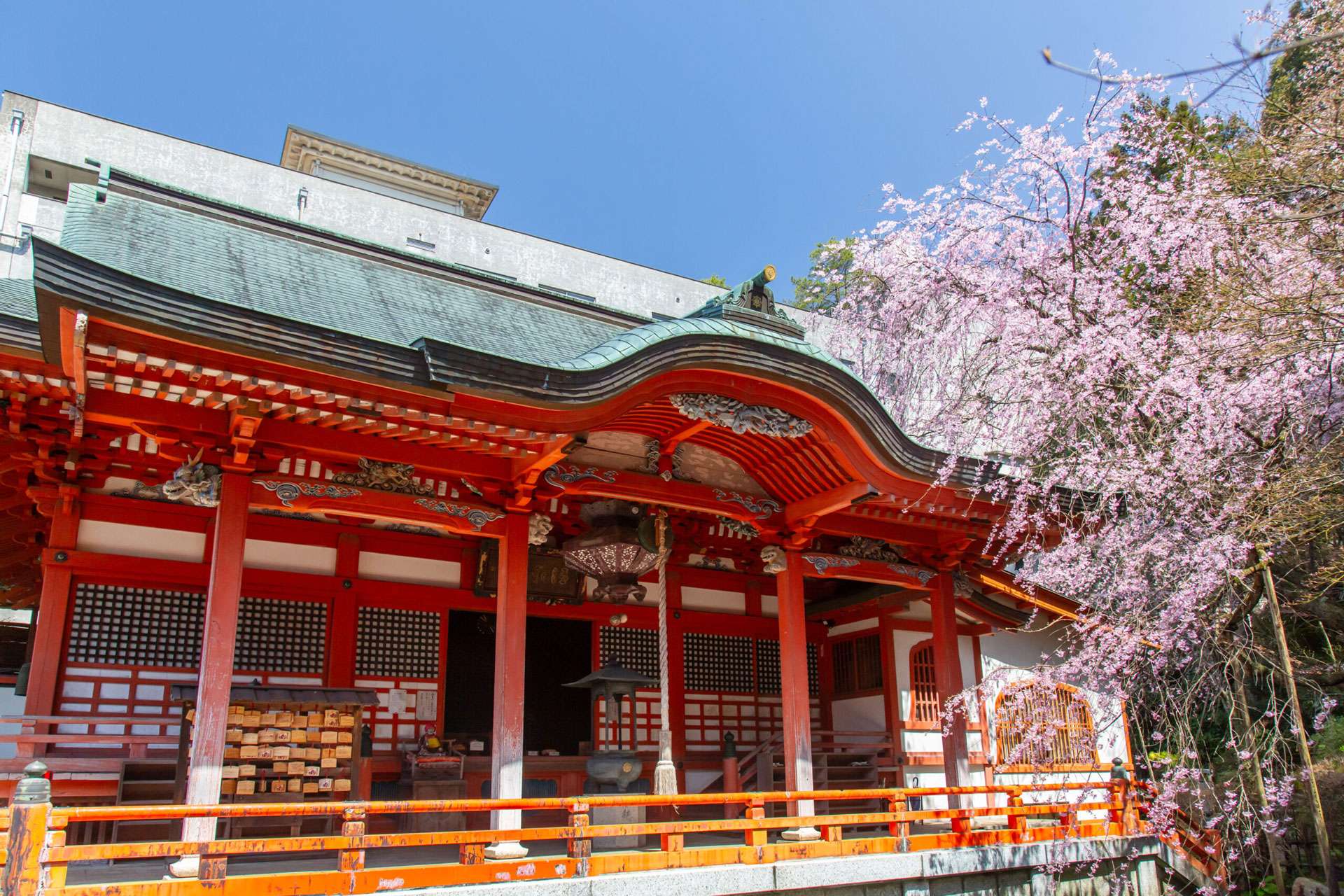
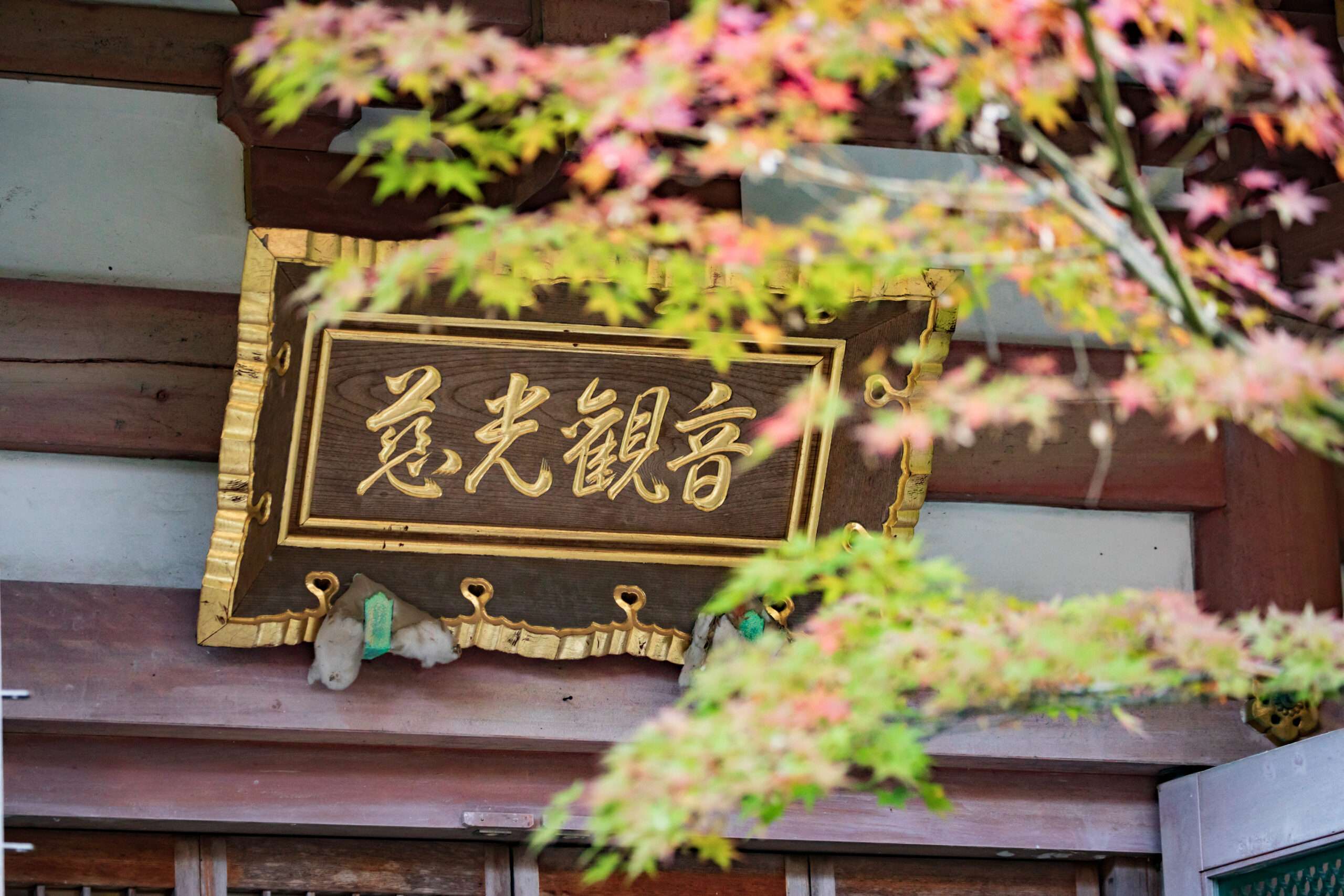
The Kosoyu, faithfully rebuilt in its Meiji‑era style; the Yakuōin Onsenji Temple, the birthplace of the region’s hot‑spring tradition and known for its beautiful scenery that changes with each season, as well as its designation as a nationally listed Important Cultural Property; the Iroha‑soan, where Rosanjin once lived; and the Suda Seika Kutani kiln—all stand within walking distance, each carrying the character of its time.
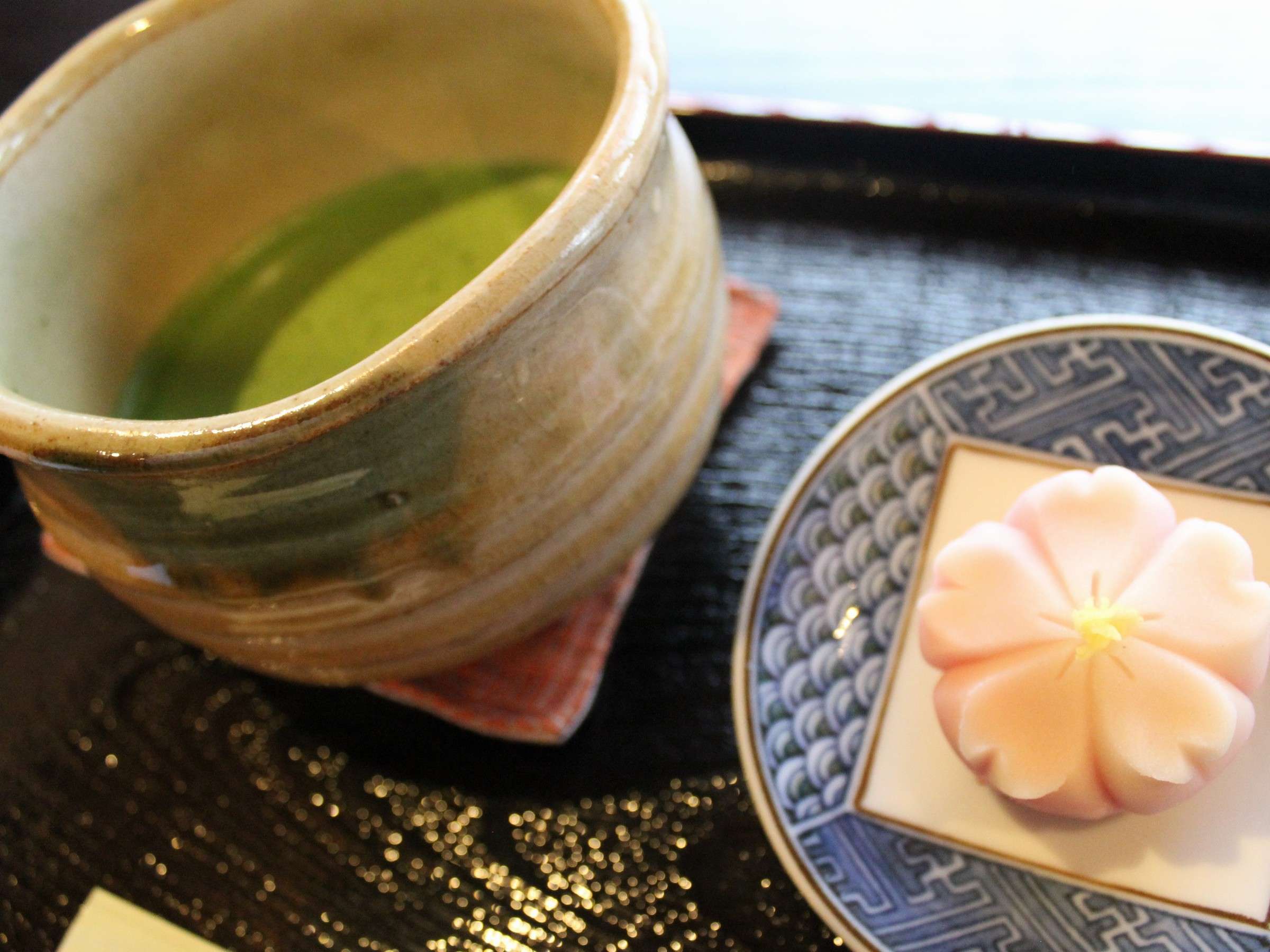
Hands‑on cultural experiences such as pottery, wagashi making, tea‑room programs, and tatami crafting add depth to a visit. The town also offers refined Kaga cuisine, from kappo dining to sushi, making it a place where you can spend an unhurried day exploring at your own pace. Yamashiro Onsen invites travellers to enjoy its layers of history, culture, and atmosphere—a place where Japanese traditions can be experienced with quiet richness.
Kaga Craft & Art Journey
Exploring Japan’s Enduring Traditions Across Time
Shaped by the cultural policies of the Kaga Domain and influenced by both Kyoto and Edo, Kaga developed a distinctive aesthetic that continues to live on in its crafts and culinary traditions, including Kutani ware and Kaga cuisine.
The Ishikawa Kutani Ware Art Museum stands in Daishōji, once a sub‑domain of the Kaga Domain. Recognised as a historic city, Daishōji preserves the atmosphere of its former castle town through the Yamanoshita Temple District, where seven temples and one shrine remain clustered together. Inside the museum, visitors can follow the histories of Ko‑Kutani and the later revival kilns while viewing pieces that have been carefully preserved for centuries.
For those seeking a deeper experience, visits to contemporary artists’ kilns across Kaga or the Kutani Kiln Ruins Exhibition Hall offer opportunities to explore historic kiln sites and enjoy hands‑on activities such as painting and wheel‑throwing.
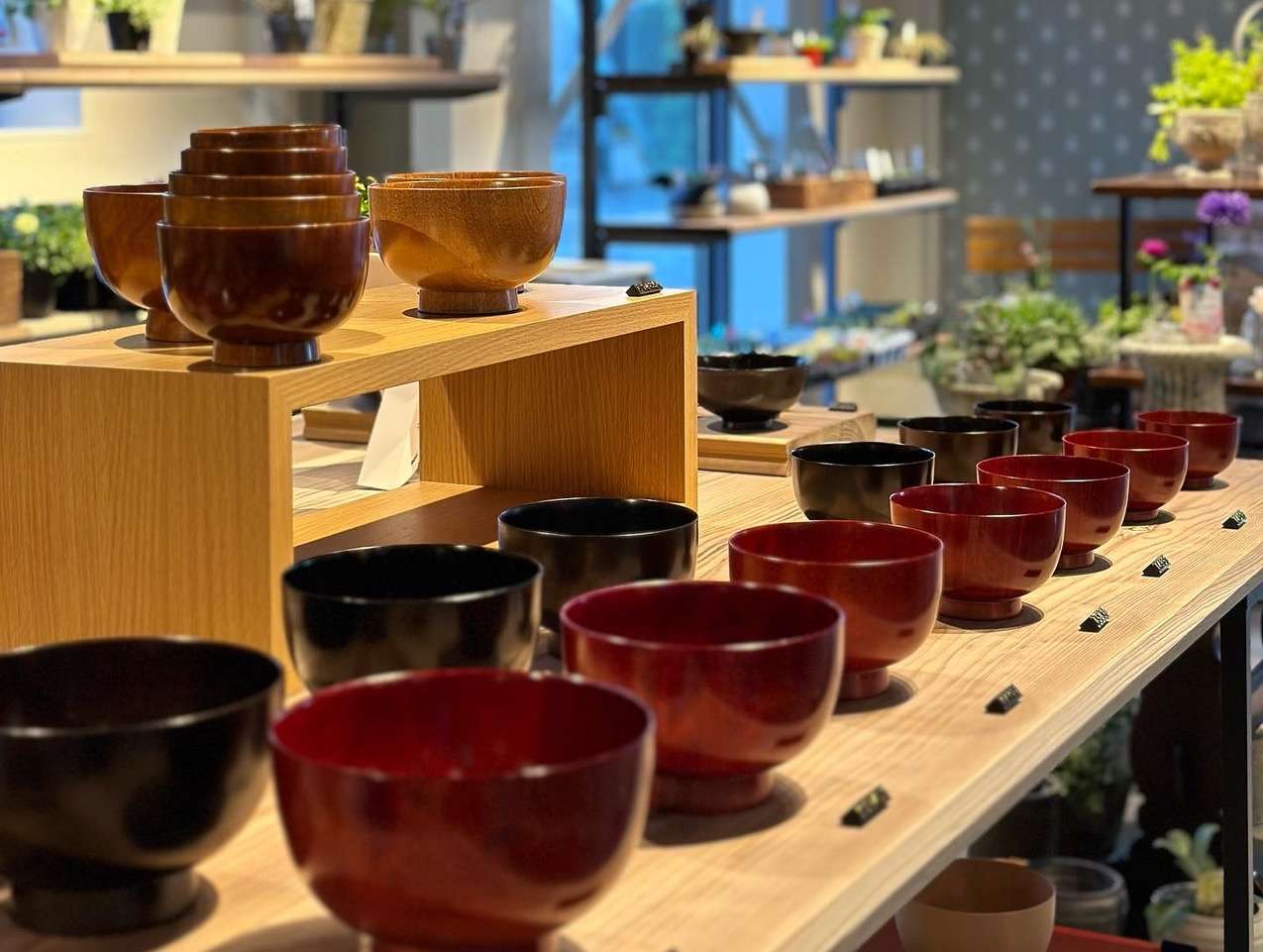
Another of Kaga’s traditional crafts is Yamanaka lacquerware, produced in the Yamanaka Onsen area of Kaga Onsenkyo. With a history of over 400 years, it began as wooden vessels crafted for visitors to the hot‑spring town, making use of the region’s abundant timber. Over time, its techniques advanced, and today Yamanaka is known nationwide for both traditional wooden lacquerware and modern synthetic lacquerware.
Renowned for its exceptional wood‑turning techniques, Yamanaka provides the wooden bases used in Wajima lacquerware, earning it the title “Yamanaka for woodwork,” alongside “Wajima for lacquer” and “Kanazawa for maki‑e.”
At Studio Seikan, an open workshop, café, and shop, visitors can see every stage of lacquerware production—normally divided among specialists—happening in one place. The café offers a chance to experience the warmth of handcrafted wooden vessels, and workshops allow guests to try making lacquerware themselves.
Kaga invites you to encounter the traditions that have flourished here and to experience them firsthand—a deep and enriching journey into Japan’s craft and aesthetic heritage.
Kaga Hashitate: The Kitamaebune Settlement
Stories of the Merchants Who Once Prospered Here
The Kitamaebune ships once connected Hokkaido and the Kansai region across the Sea of Japan, carrying not only goods but also people’s hopes and cultural influences.
During the Edo (1603–1868) and Meiji (1868–1912) periods, when social classes remained firmly fixed, the Kitamaebune offered one of the few ways in which ordinary people could build wealth within the limits of their status. Many began as apprentice sailors, advanced to crewmen, and eventually became ship owners—pursuing a rare chance to change their fortunes. The trade was perilous, and many were lost to the rough seas of the Japan Sea, yet the possibility of earning what would now be considered a vast sum in a single round trip drew countless people to the open waters.
The Kitamaebune also played a cultural role, transporting Hokkaido kelp to western Japan and helping shape the foundation of Japanese cuisine through the spread of kelp‑based dashi.
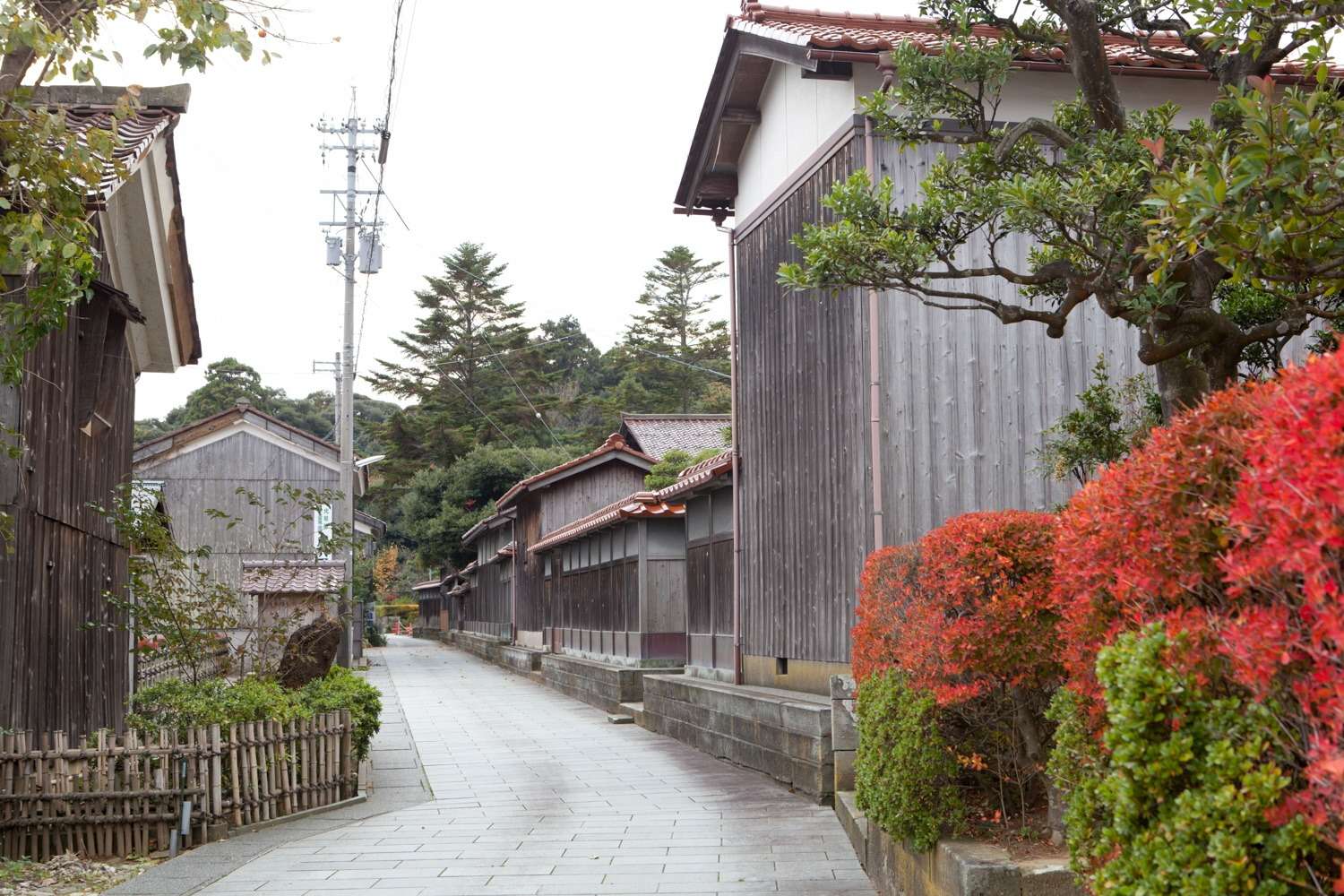
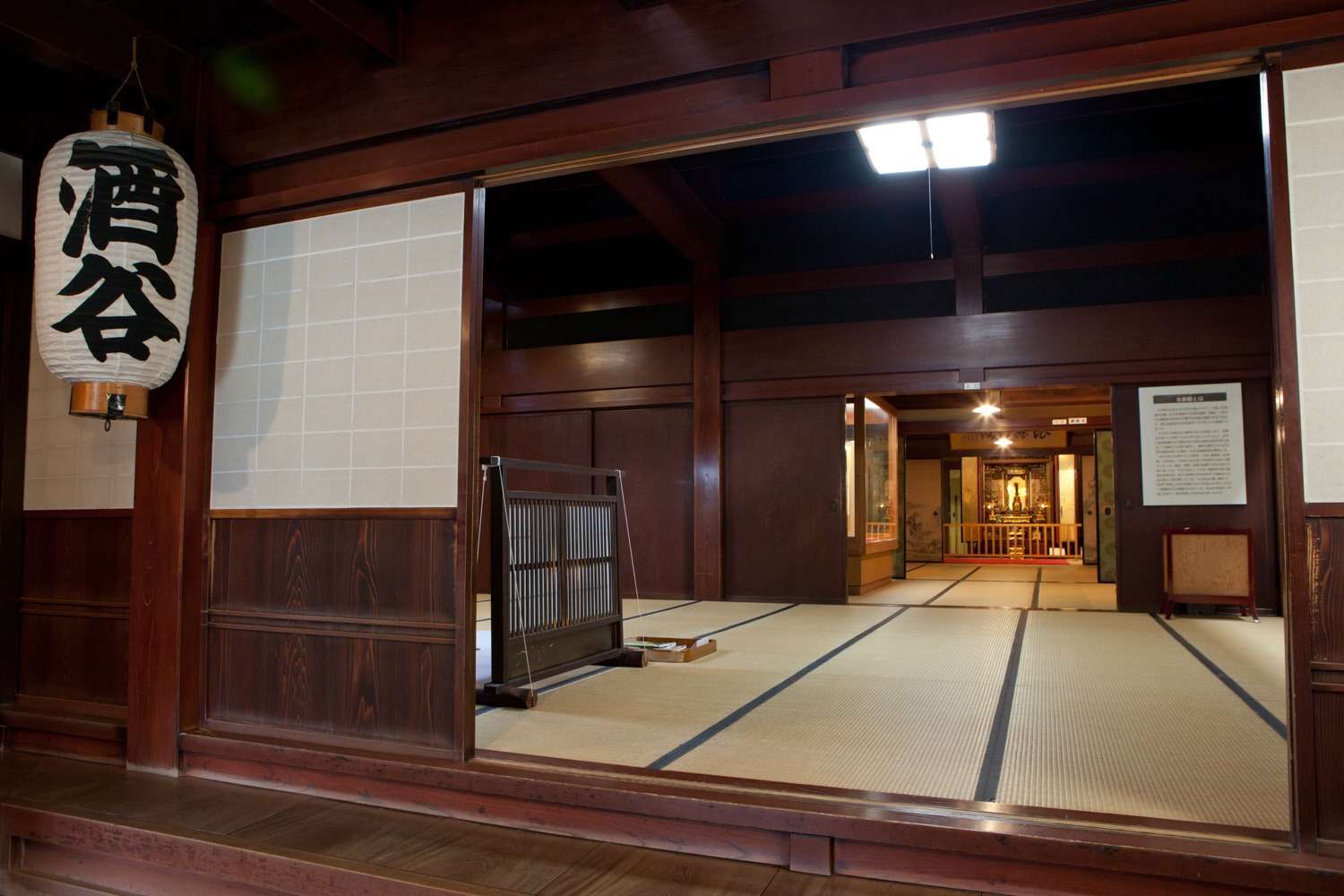
Kaga’s history as a castle town overlaps with this maritime legacy. Hashitate, where valuable historic sites remain today, was once home to ship owners who amassed great wealth through the Kitamaebune trade. Known at the time as “Japan’s wealthiest village,” Hashitate saw the rise of grand residences and collections of cultural treasures unlike anything found in typical farming or fishing communities.
Although much of the town was destroyed by a major fire in the early Meiji period, the reconstruction—marked by even more imposing homes—became a striking chapter in its history. The distinctive streetscape of Fukui stone and red‑tiled roofs, shaped by the wealth brought by the Kitamaebune trade, is now designated as an Important Preservation District for Groups of Traditional Buildings.
Today, local volunteers work to preserve and share this heritage. The former Sakatani Chōbee residence has been opened as the Kitamaebune no Sato Museum, serving as a hub for learning about Kitamaebune culture. Guided tours introduce visitors to the cultural assets that remain throughout Hashitate, and events offer opportunities to experience the food culture of the era.
A walk through Hashitate reveals a town shaped by ambition, resilience, and the dreams of those who once sailed the Sea of Japan. It is a place where the echoes of that history can still be felt.
ONSEN EXPERIENCES
TOURISM GUIDE
 ©山代温泉観光協会
Pick Up
A Three‑Day Journey Through Kaga’s Hot Springs and Traditional Arts
A thoughtfully paced three‑day itinerary that invites you to experience the depth of Kaga—its hot‑spring culture, craftsmanship, and quiet layers of Japanese tradition.