

BEPPU ONSEN
Explore Beppu Onsen Culture
Wellness & Rejuvenation in Beppu
Beppu: Restorative Strength Since the 12th Century
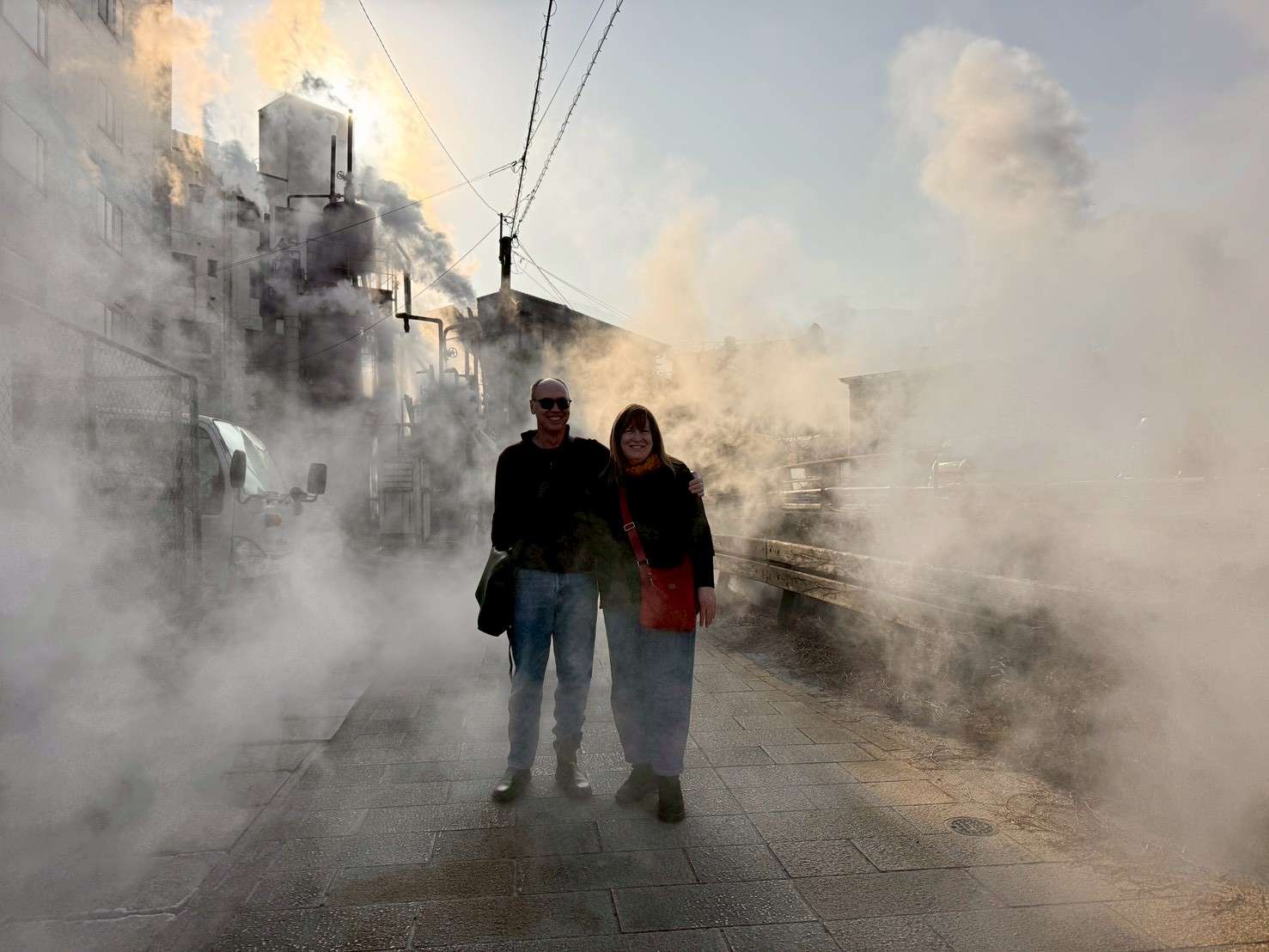
Kannawa Onsen is a place that quietly reflects the character of Beppu’s unique hot‑spring landscape.
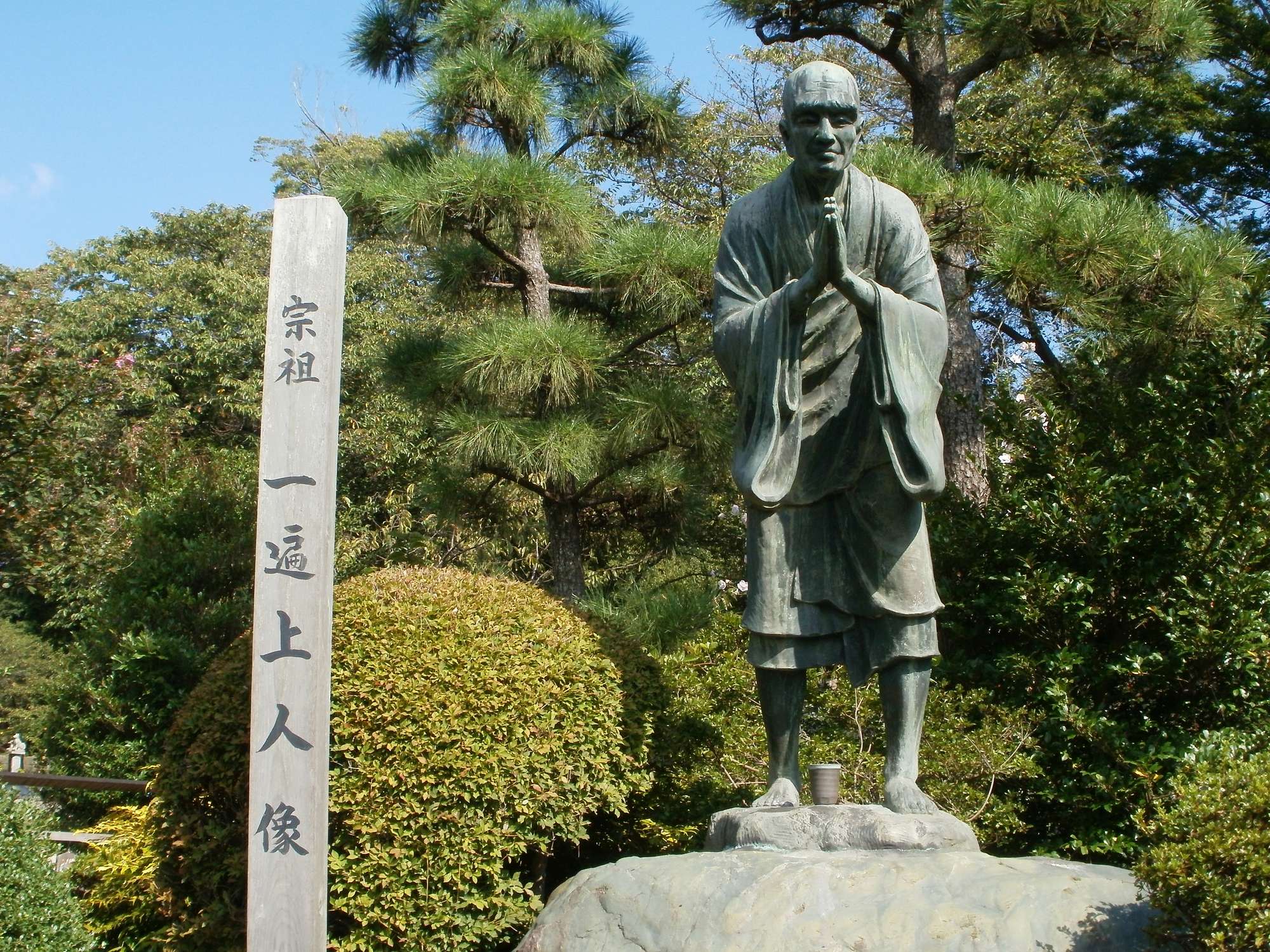
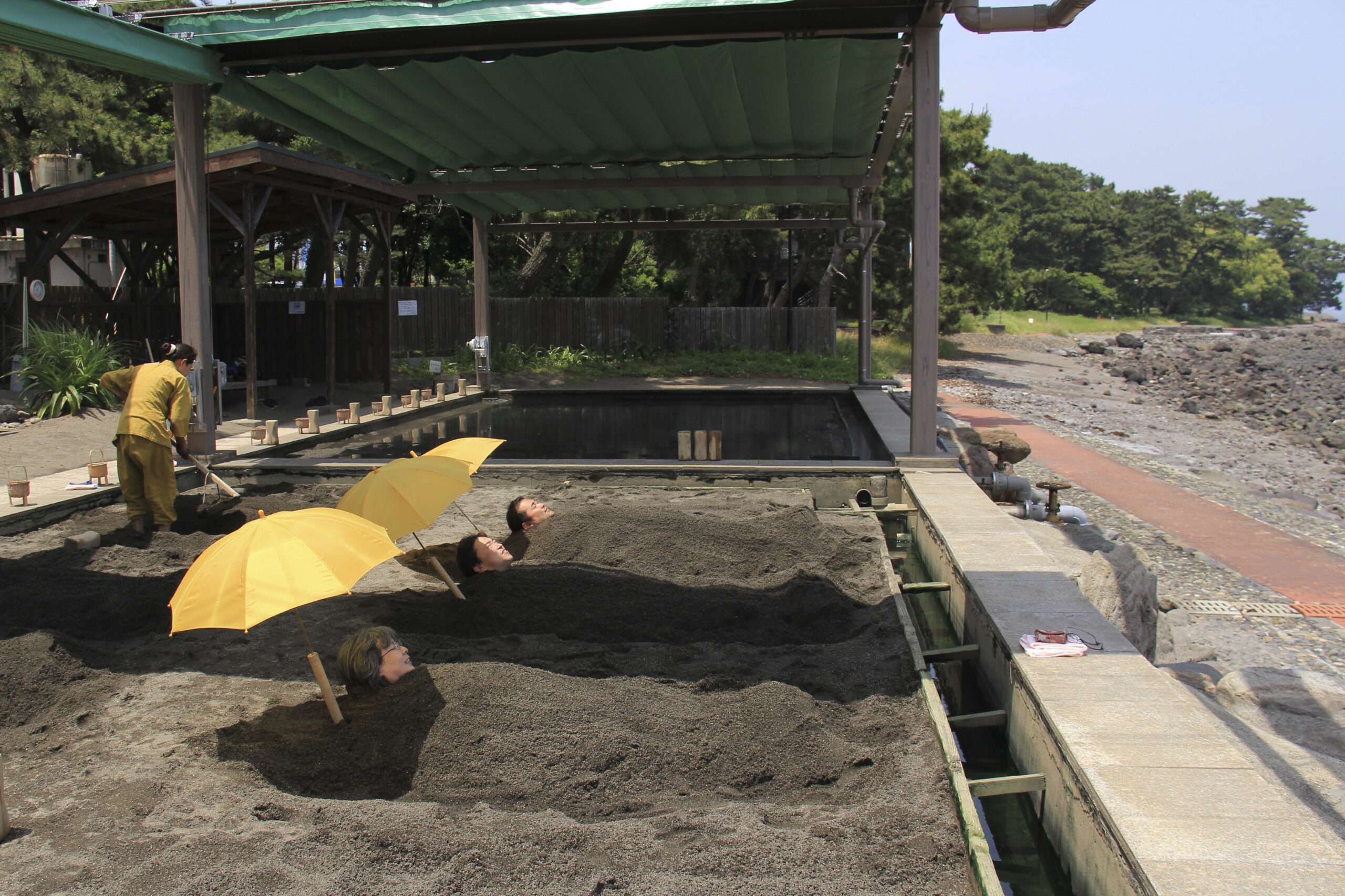
This area has long flourished as a healing retreat. Its origins are said to trace back to the Buddhist monk Ippen Shōnin, who founded Jishū, a Buddhist sect known for its emphasis on traveling practice and accessible teachings. He is believed to have calmed the intense geothermal steam that once erupted here like a landscape of “hells.” In 1276, he established Kannawa Mushiyu, where visitors lie on a bed of sekishō—a medicinal herb that grows only along clear streams—and allow the warm geothermal steam to envelop them, gently drawing out their natural restorative strength.
In contemporary terms, it is a mindfulness‑based thermal retreat, a place where lying down in quiet heat encourages a meditative state. Through the combined effect of steam and herbs, your body and mind settle, inviting a sense of relaxation that reflects the Buddhist philosophy of Shinshin Ichinyo—the unity of body and mind. The fact that people embraced such a retreat practice more than 750 years ago is a remarkable chapter in Beppu’s history.
In 1694, Kaibara Ekiken described the therapeutic use of steam baths in Hōkokukikō. Even in the modern era, the poet Noguchi Ujō expressed his affection for Kannawa Onsen, noting how “the scent of sekishō lingers on the skin after leaving the steam bath.” Across eras, this bathing tradition has continued to resonate with people.
In the early Shōwa period (1926–1945), a dedicated research institute for hot‑spring therapy was established, complete with facilities for both study and treatment. This ecosystem—where Beppu’s hot springs serve not only tourism but also a genuine medical role—continues today. In particular, the strong acidic waters and mud baths of Myōban Onsen are known for their potent cleansing and healing properties.
Beppu stands as one of Japan’s original wellness retreats, a place where visitors can experience both physical and mental renewal while being surrounded by a profound and enduring history.
History
A Buddhist Story of Harmony with Nature in Beppu
Beppu Onsen appears in the Bungo no Kuni Fudoki (8th century), one of the earliest regional records of Japan. At that time, however, the springs—often reaching temperatures close to 100°C—were not part of daily life.
It is said that around 1276, the Buddhist monk Ippen Shōnin, founder of Jishū, a Buddhist sect, visited this area. According to what has been passed down, he calmed the violent geothermal activity of Kannawa and opened the way for a healing retreat to take shape.
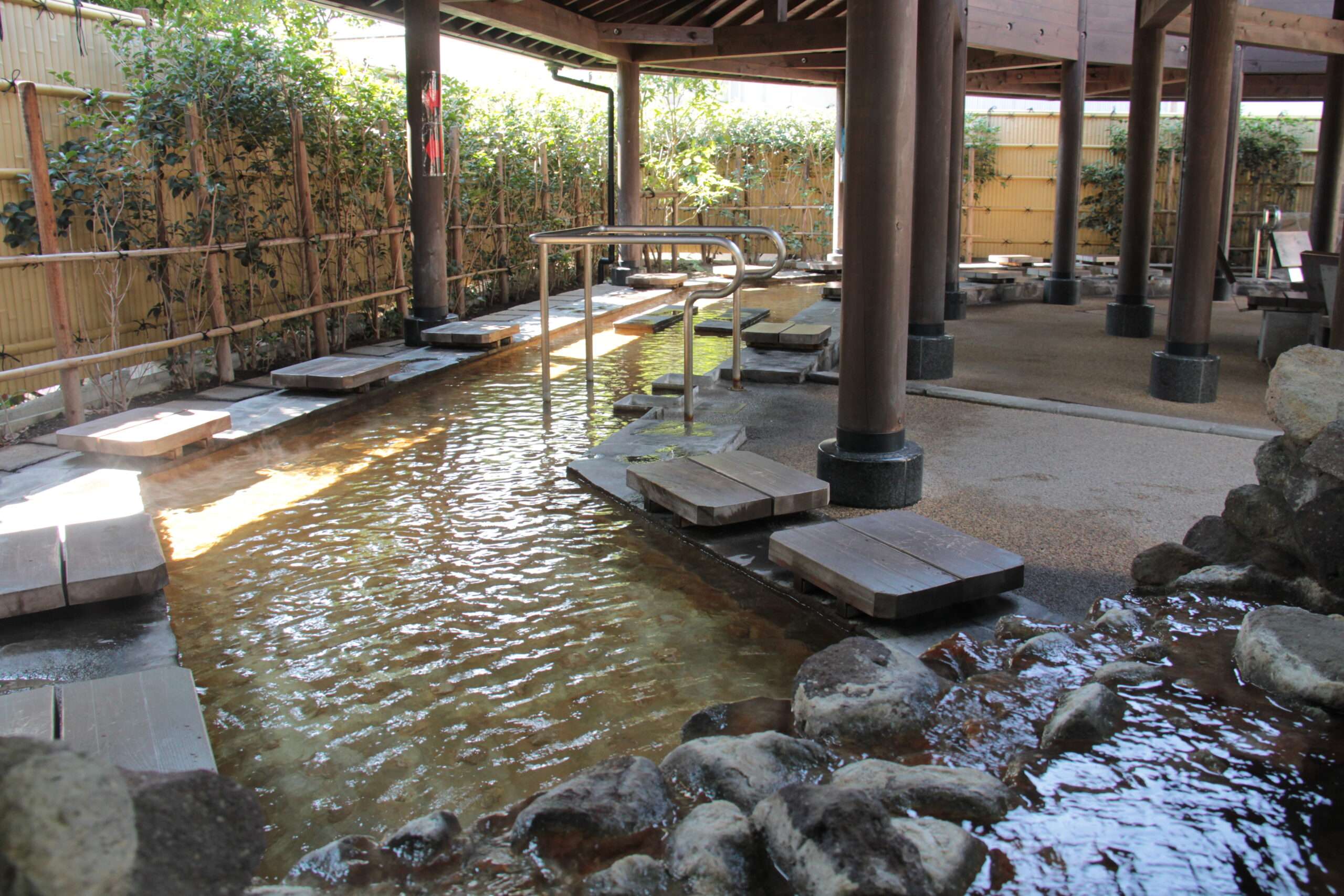
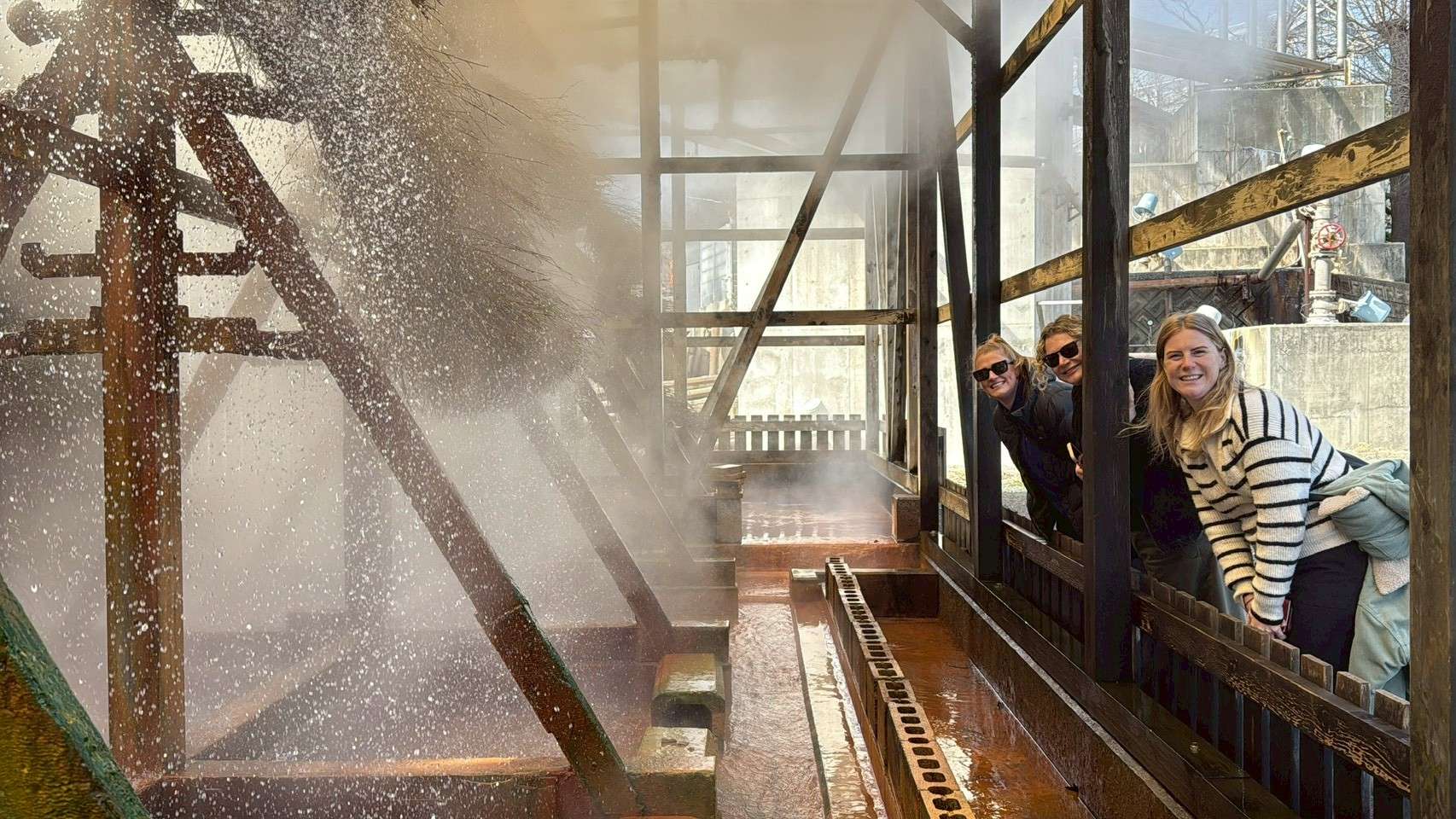
Historical sources show that temples of the period used steam baths, an early form of what we would now call a sauna. The high‑temperature springs of Kannawa are thought to have supplied steam to stone bath chambers, creating natural saunas that eased the fatigue of monks and travelers. At the center of Kannawa Onsen stands Eifuku‑ji, a temple closely associated with Ippen Shōnin. Its address, Furo‑moto 1, uses the character for “bath,” but in this context it refers not to bathing in water, but to sauna bathing.
During the Edo period (1603–1868), Kannawa’s hot springs and steam baths became widely known, and many visitors left written accounts. Hot‑spring therapy gained attention as a method of treating illness, and a culture of long‑stay healing retreats took root.
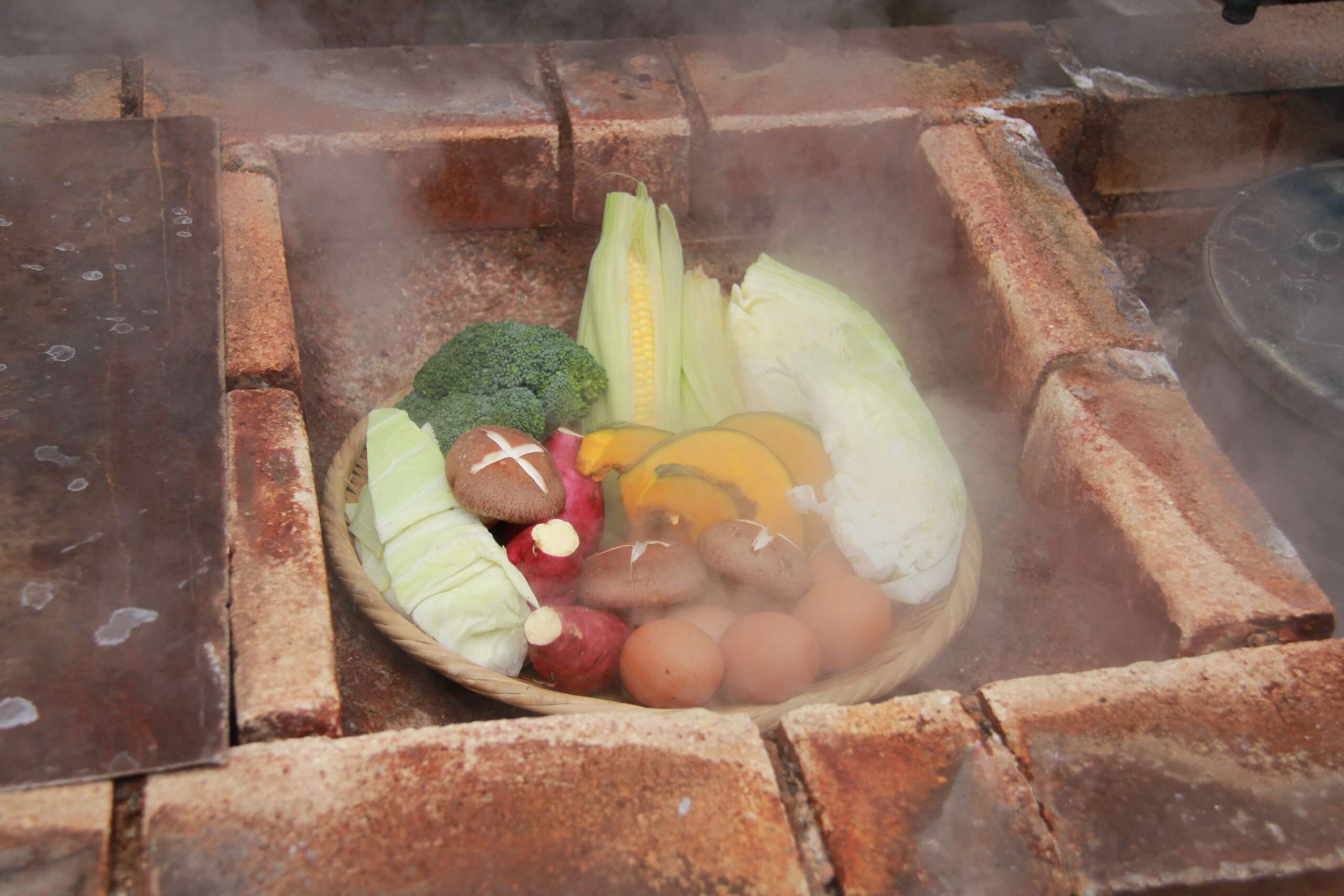
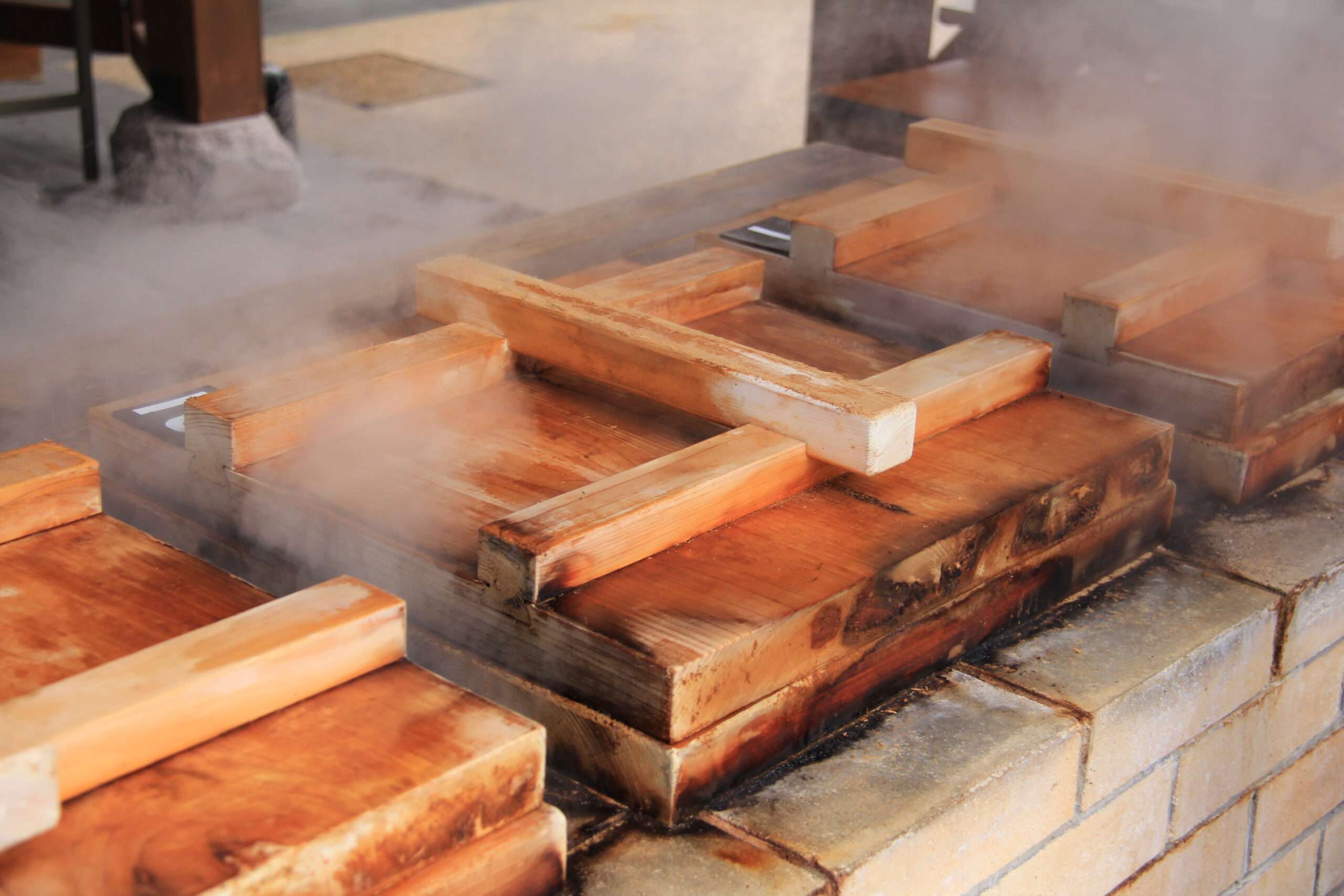
Records from the time describe travelers using geothermal steam to cook vegetables, potatoes, and eggs—suggesting that the origins of today’s jigoku‑mushi cuisine can already be traced back to this era.
To people of the time, the sight of steam rising from the ground throughout Kannawa must have appeared almost hell‑like, and for many years the springs were too hot to be part of everyday life. Into this landscape came a Buddhist monk who sought people’s well‑being, calming the land and creating a form of mindfulness‑based sauna bathing that supported the body’s natural ability to heal.
It is a story that quietly reveals a Japanese way of relating to nature—beginning with awe, and finding harmony rather than domination. From that harmony emerged a way of life that enriched both body and spirit.
Beppu’s Changing Landscape in the Modern Era
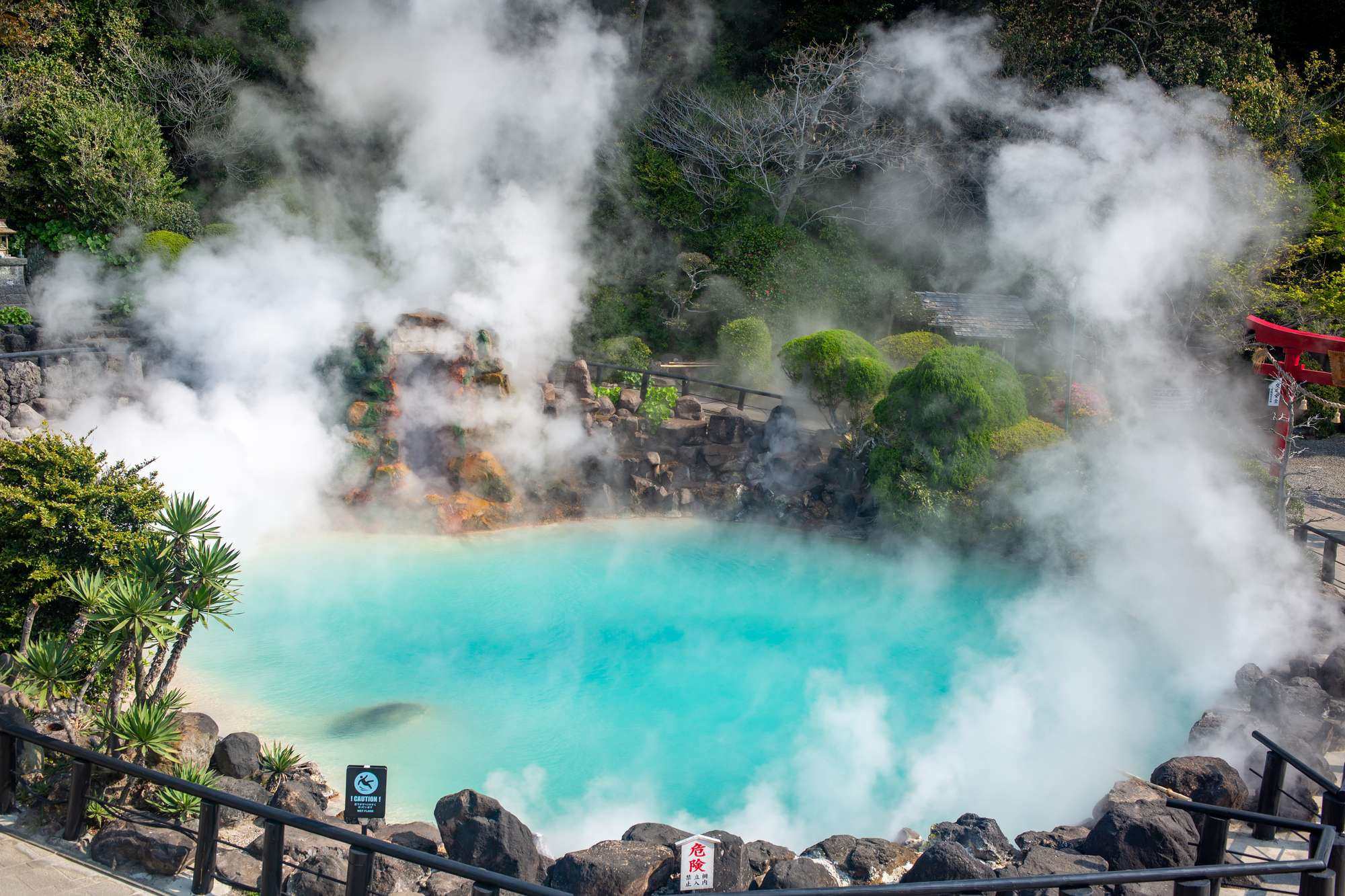
With the arrival of the Meiji period (1868–1912), the era in which Japan’s modernisation began, large‑scale infrastructure projects reshaped the country. In Beppu, the development of both the port and the railway brought a rapid increase in visitors seeking the hot springs. Until then, the “hells” of Beppu—areas where boiling water erupted from the ground—had been too hot for agriculture or settlement, and for landowners they were little more than troublesome, unusable terrain.
This changed when admission fees began to be collected from sightseers. What had once been a burden became a source of income, and this shift had a significant impact on the local economy. In 1911, Umi‑Jigoku began charging admission, which accelerated the transformation of the “hells” into organised tourist attractions. Visitors at the time toured the sites on foot or by horse‑drawn carriage, and records show that automobile taxi tours were already being offered in the Taishō period (1912–1926).
From the Shōwa period (1926–1989) onward, the medical value of Beppu’s hot springs also gained attention. A specialised research institute was established, and in 1985, the hot‑spring areas of Kannawa, Myōban, and Shibaseki were designated as National Hot‑Spring Health Resorts by the Environment Agency (now the Ministry of the Environment). The designation recognised that these areas met key criteria: notable therapeutic effects, excellent scenery, good environmental hygiene, a climate suitable for rest, the presence of hot‑spring physicians, and safety from natural disasters.
More than 750 years have passed since Ippen Shōnin calmed the land and opened Kannawa as a place of healing through steam bathing. Although transportation networks and tourism models have evolved, people continue to visit Beppu in search of the same qualities that have always defined it: the rising geothermal energy, the ever‑present steam, and the restorative power of the springs that draw out the body’s natural ability to heal.
Across eras, this landscape has remained a place where people seek renewal—a living expression of Japan’s enduring hot‑spring culture.
ACCESS
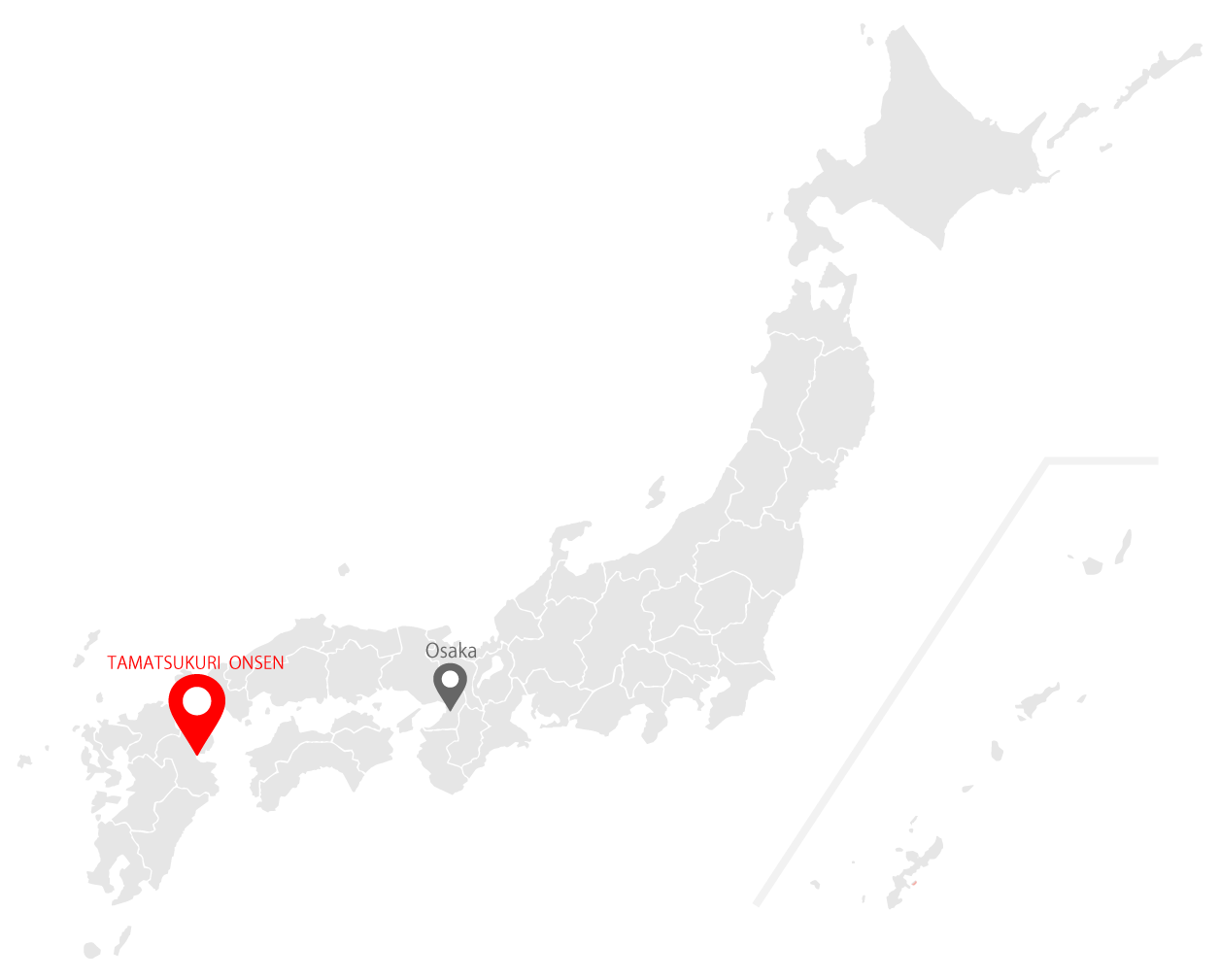
Oita Prefecture / Beppu City
approx. 2h 30m
 Shinkansen
approx. 1h 30m
 Ltd. Exp. Sonic
approx. 1h
approx. 12 hrs
 Ferry
Ferryapprox. 12 hrs
Kannawa Steam Bath Experience
A Mindful Journey to Rebalance Body and Soul in Beppu Onsen
For centuries, Kannawa’s steam baths have offered a form of meditative bathing that traces back to the time of Ippen Shōnin. In the dark, quiet chamber, you close your eyes and let your body fill with the warmth of herbal sekishō and rising hot‑spring steam, entering a deep, mindful state. The traditional style of tōji—a journey of healing through bathing—carries a timeless value that resonates even in today’s stressful world.
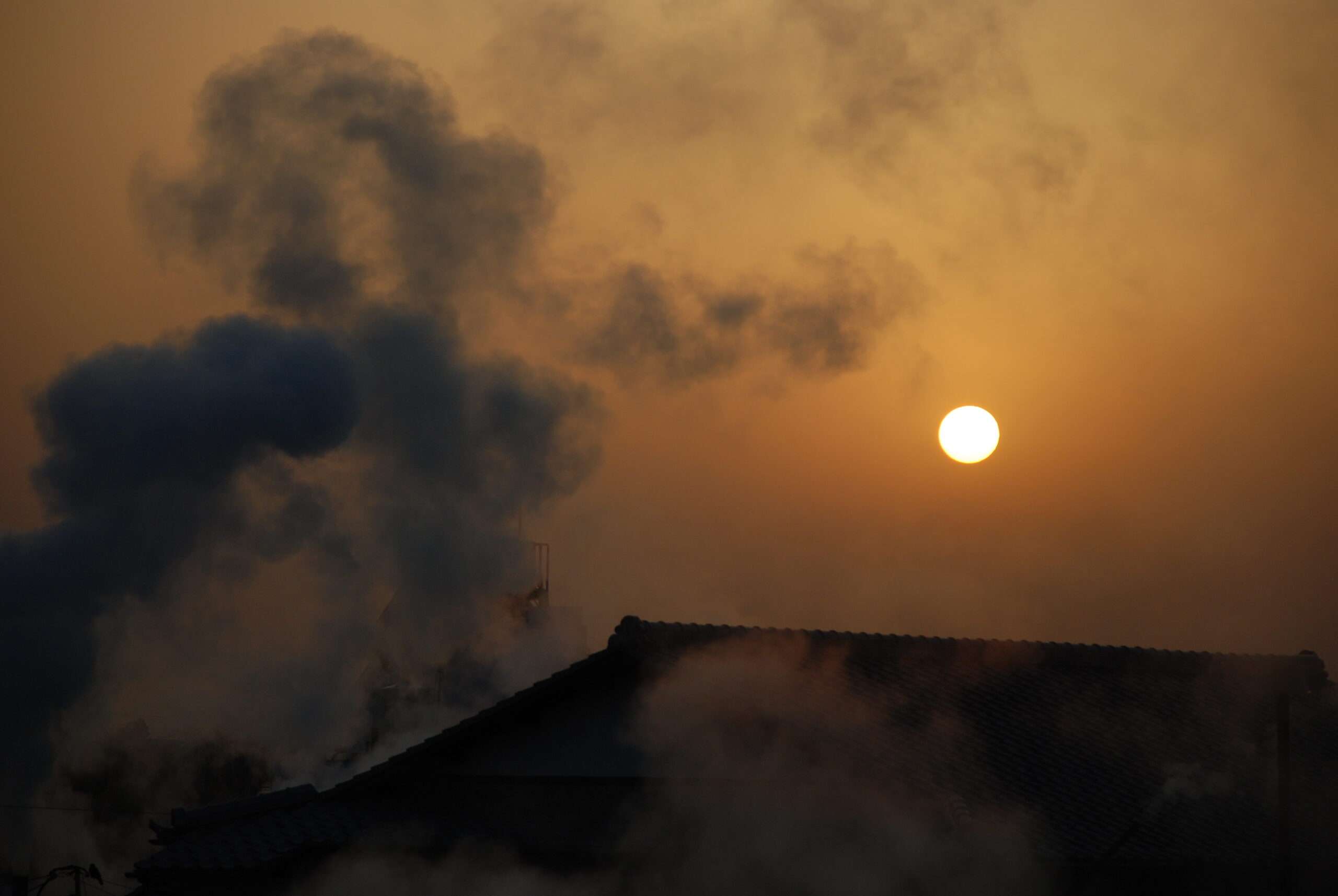
Historically used to treat difficult illnesses, the Kannawa steam bath is known not only for its effects on perspiration and detoxification but also for its recognised benefits for joint pain, insomnia, and other conditions. The recommended way to experience it is to bathe twice: once in the early evening on the first day of your trip, and again the following morning. As you unwind from travel and step away from the noise of the city, this meditative form of bathing helps you return to your natural vitality.
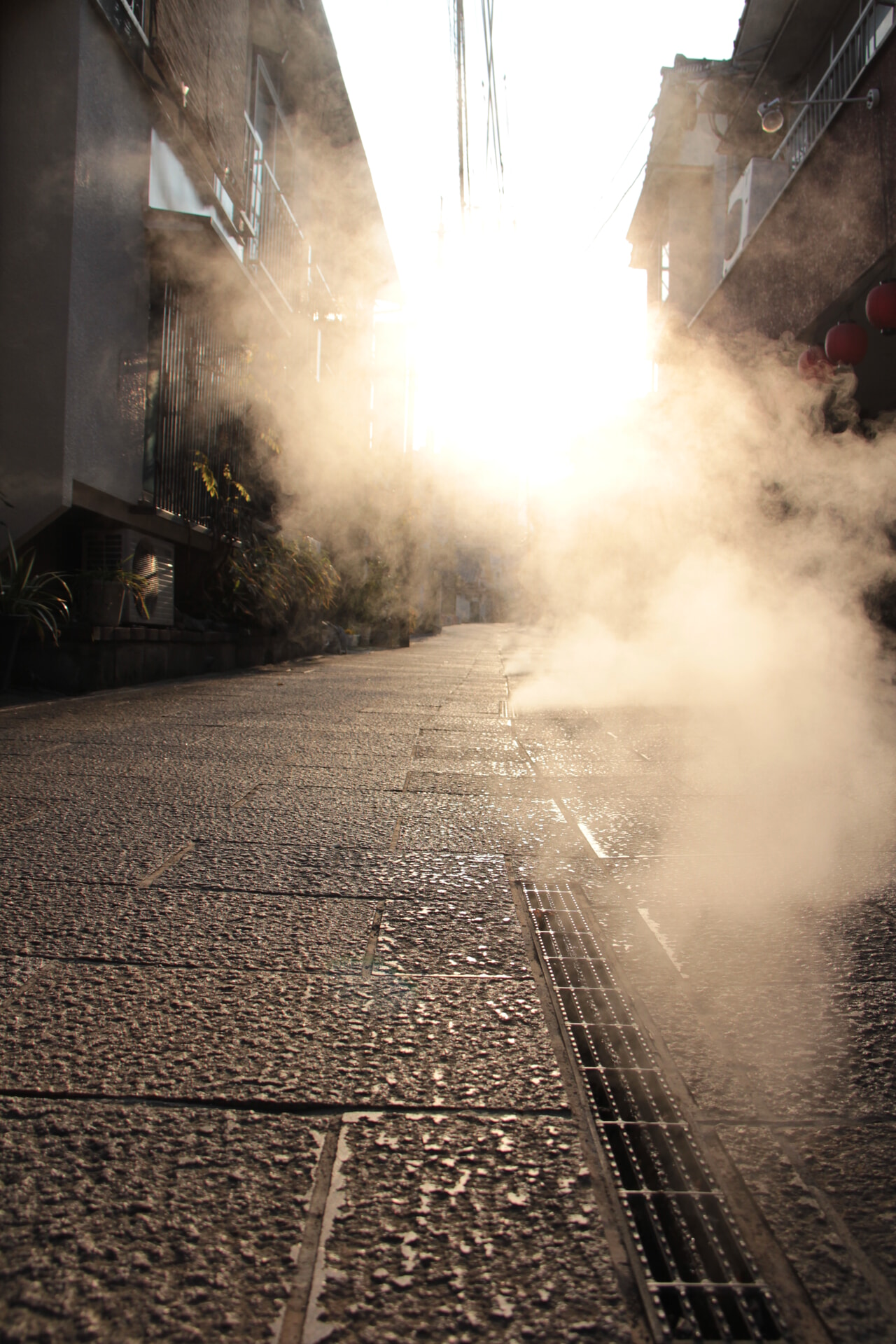
To complement the steam bath, you can also enjoy a guided walk through the atmospheric streets of Kannawa Onsen, where steam rises from every corner. The tour traces the history of this long‑standing tōji town, visiting sites connected to Ippen Shōnin and places where the memories of past visitors remain quietly preserved.
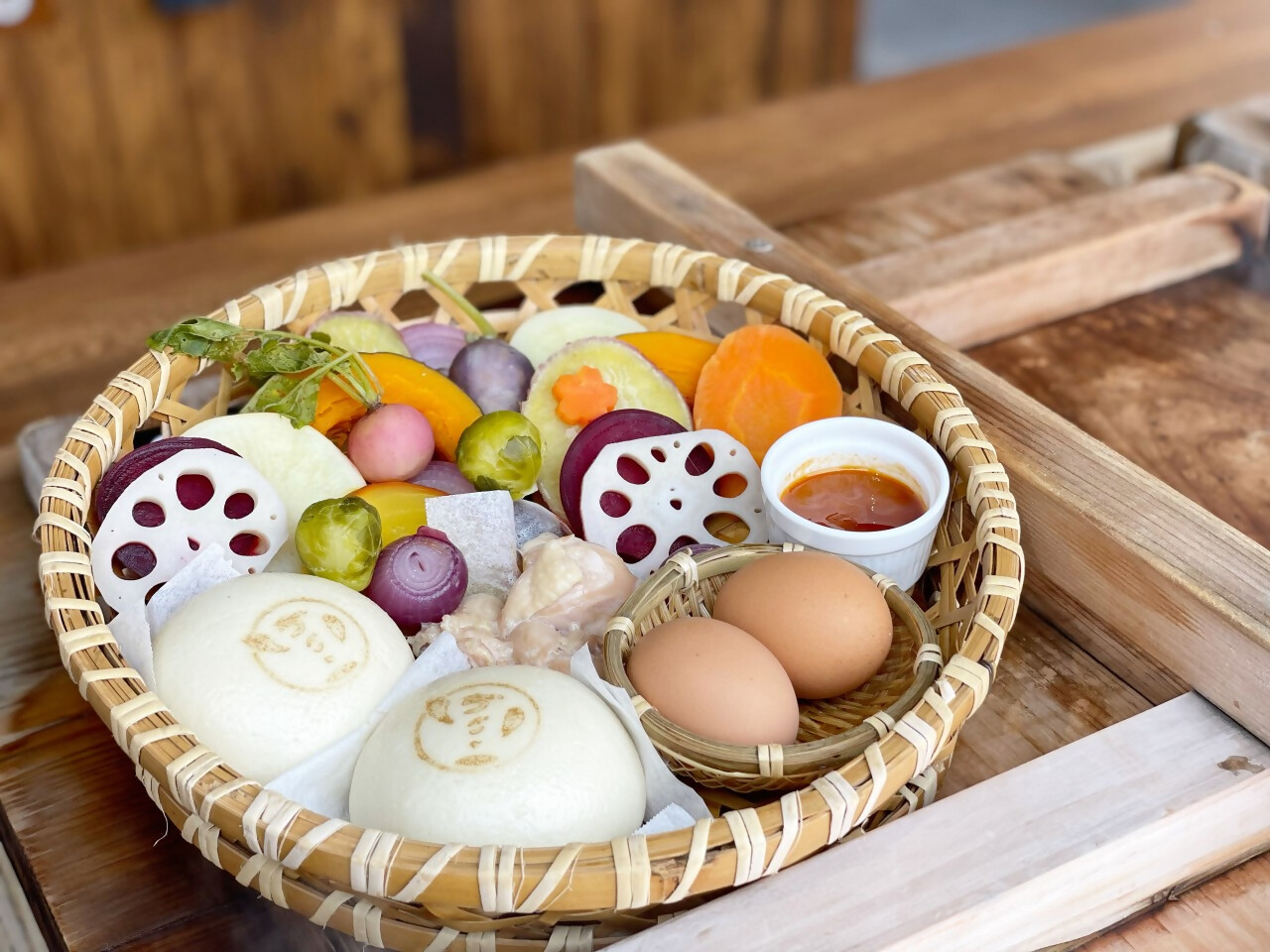
Just as travellers once did, you are encouraged to try jigoku‑mushi cuisine. Since the Edo period, it was common for tōji guests to steam bamboo shoots, wild greens, rice, and other ingredients themselves rather than being served meals by their lodgings. This cooking method is a living expression of the region’s culture. The 90‑degree geothermal steam and natural salts enhance the flavour of vegetables, eggs, rice, seafood, and meat, creating dishes that are simple, healthy, and free from unnecessary seasoning—an ideal fit for a modern wellness journey.
Tracing Japan’s Hot‑Spring Culture Through Beppu’s Bamboo Craft
A Journey into Art in Harmony with Nature
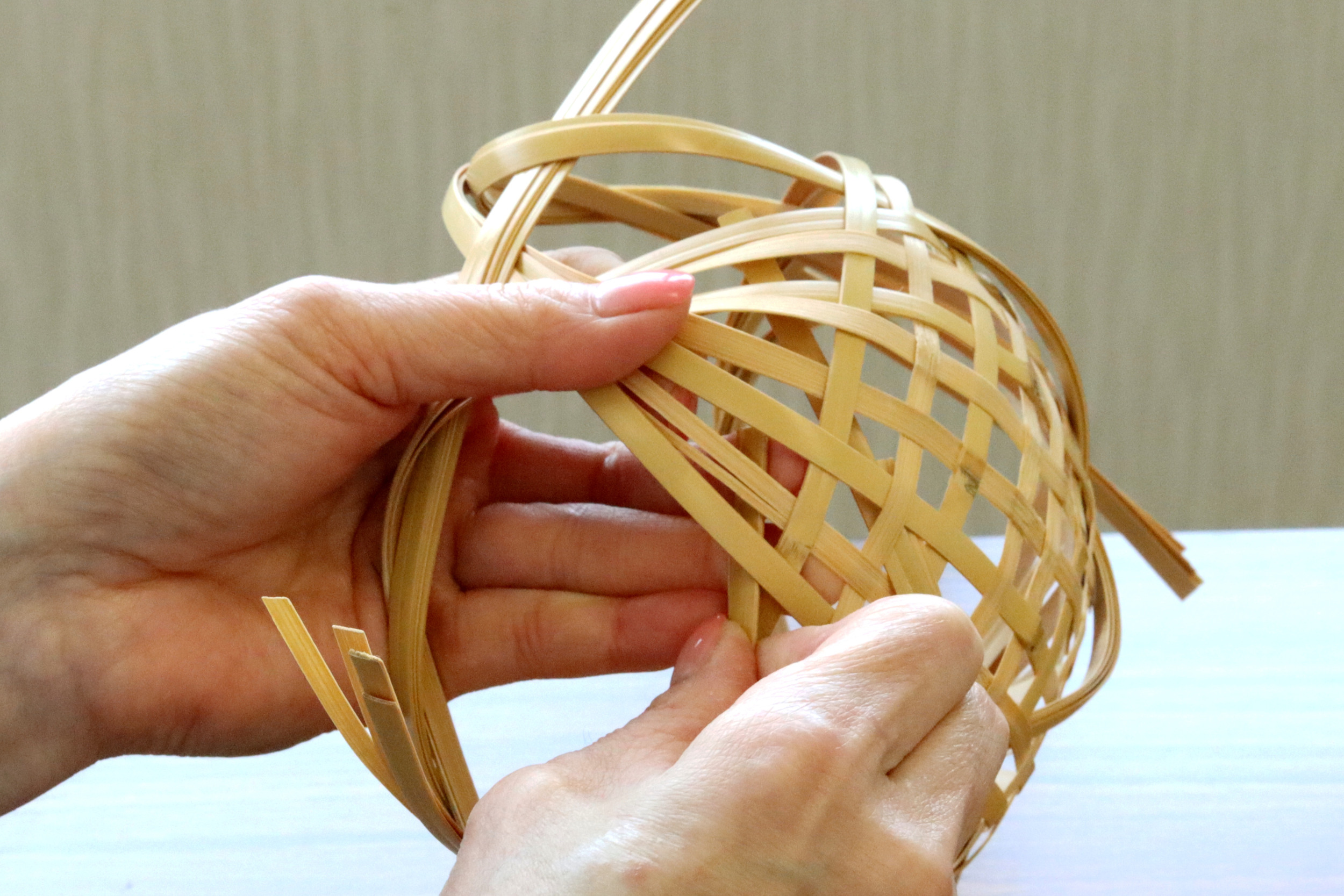
Beppu Takezaiku—bamboo craftsmanship refined since ancient times—has long supported daily life in Japan. Its intricate weaving techniques continue to attract people today, and Beppu Takezaiku is officially designated as a traditional Japanese craft. During the Edo period (1603–1868), when hot‑spring culture flourished, those visiting Beppu for traditional hot‑spring healing (tōji) purchased local bamboo items such as rice‑steaming baskets and other kitchen tools, helping the craft industry grow alongside the rise of hot‑spring travel.
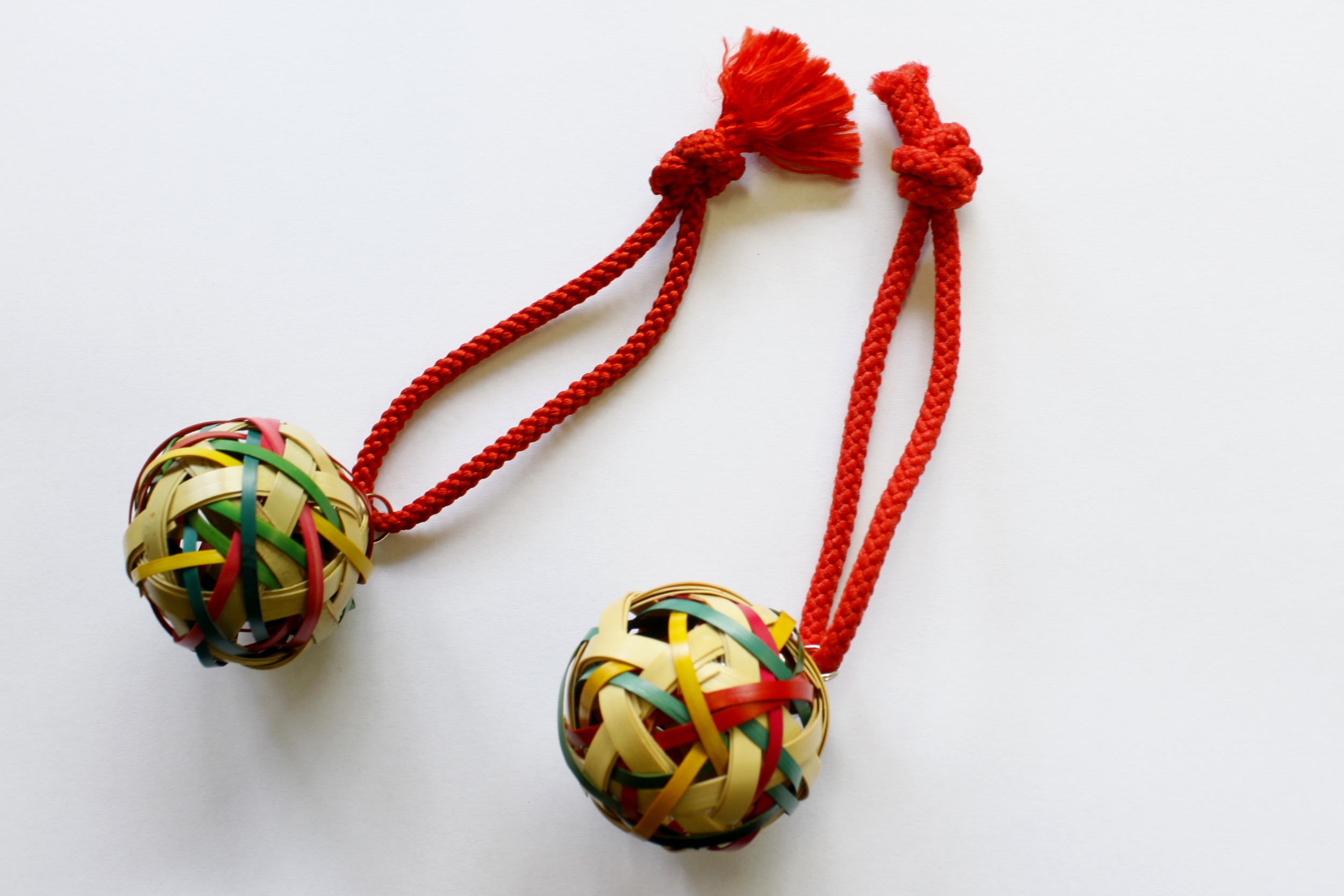
Beppu is also home to Japan’s only vocational school dedicated to bamboo craft, where the next generation of artisans train to ensure that this tradition continues.
Bamboo holds a central place in Japanese culture and is considered auspicious as part of the “shōchikubai” trio—pine, bamboo, and plum. For centuries, it has been used for chopsticks, baskets, building materials, and tools for tea ceremony, flower arrangement, and martial arts, quietly supporting the aesthetics of Japanese tradition. In recent years, bamboo has gained renewed global attention as a sustainable natural material: it grows quickly, regenerates without replanting, and can be harvested repeatedly without harming the surrounding environment. Japanese bamboo artisans have long practiced repair techniques that allow damaged items to be fixed by replacing only specific parts, reflecting a cultural mindset of caring for objects and using them for many years.
In the mid‑20th century, as society shifted toward convenience and mass‑produced materials, many everyday items in Japan were replaced by plastic, and traditional crafts entered a difficult period. Since then, however, growing environmental awareness, renewed appreciation for Japanese aesthetics, and interest in small‑scale craftsmanship have brought Beppu Takezaiku back into focus. True to the spirit of onko‑chishin—learning from the past to shape the future—Beppu’s artisans now create contemporary art pieces that build on traditional techniques, earning international recognition. These delicate works, which embody Japanese sensibilities, are displayed throughout Beppu’s hot‑spring resorts, including ANA InterContinental Beppu Resort & Spa, and have become one of the region’s signature cultural expressions.
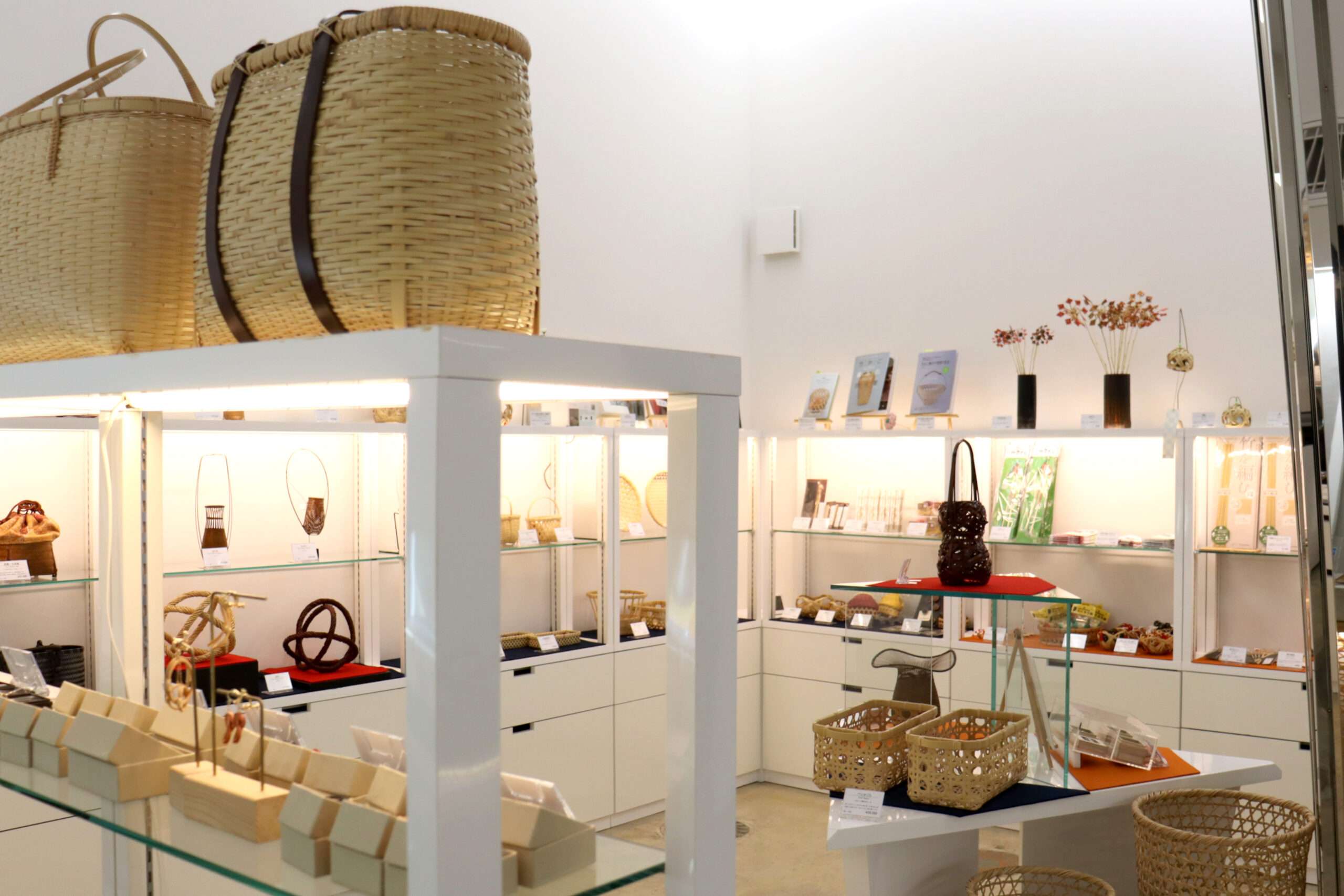
In the past, visitors to Beppu’s hot springs often carried bamboo baskets, making them part of the everyday scenery. As a craft that has long supported Japanese culture from behind the scenes, Beppu Takezaiku is gaining increasing attention among international travelers. Today, visitors can explore shops run by bamboo artisans and artists across the city, and the Beppu City Traditional Bamboo Crafts Center offers galleries featuring bamboo works and historical materials, as well as hands‑on workshops. For those drawn to the story of Beppu and its deep connection to Japanese bamboo culture, experiencing Beppu Takezaiku firsthand is something you truly should try for yourself.
Exploring Beppu’s Hot‑Spring Charm with a Local Guide
Enjoying Beppu’s Onsen Town with a Local Concierge
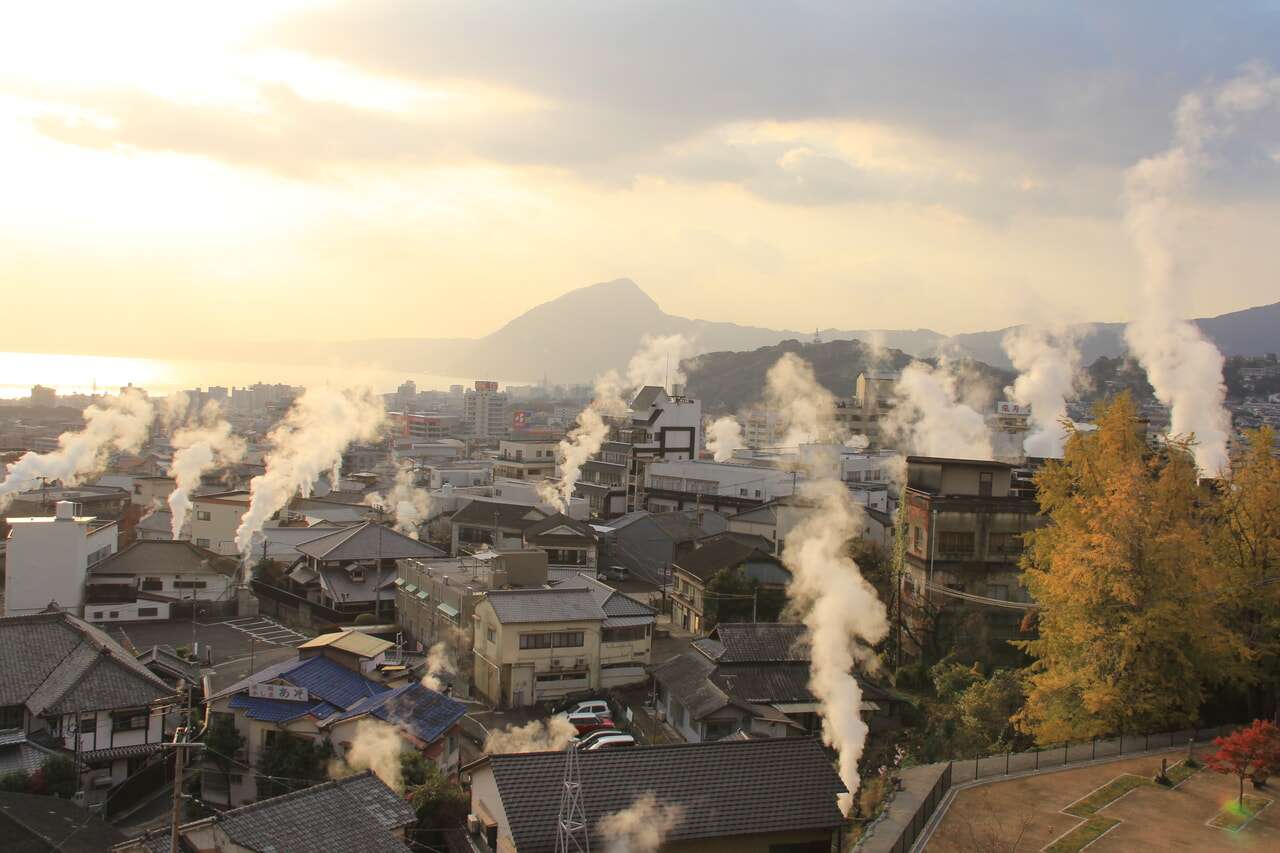
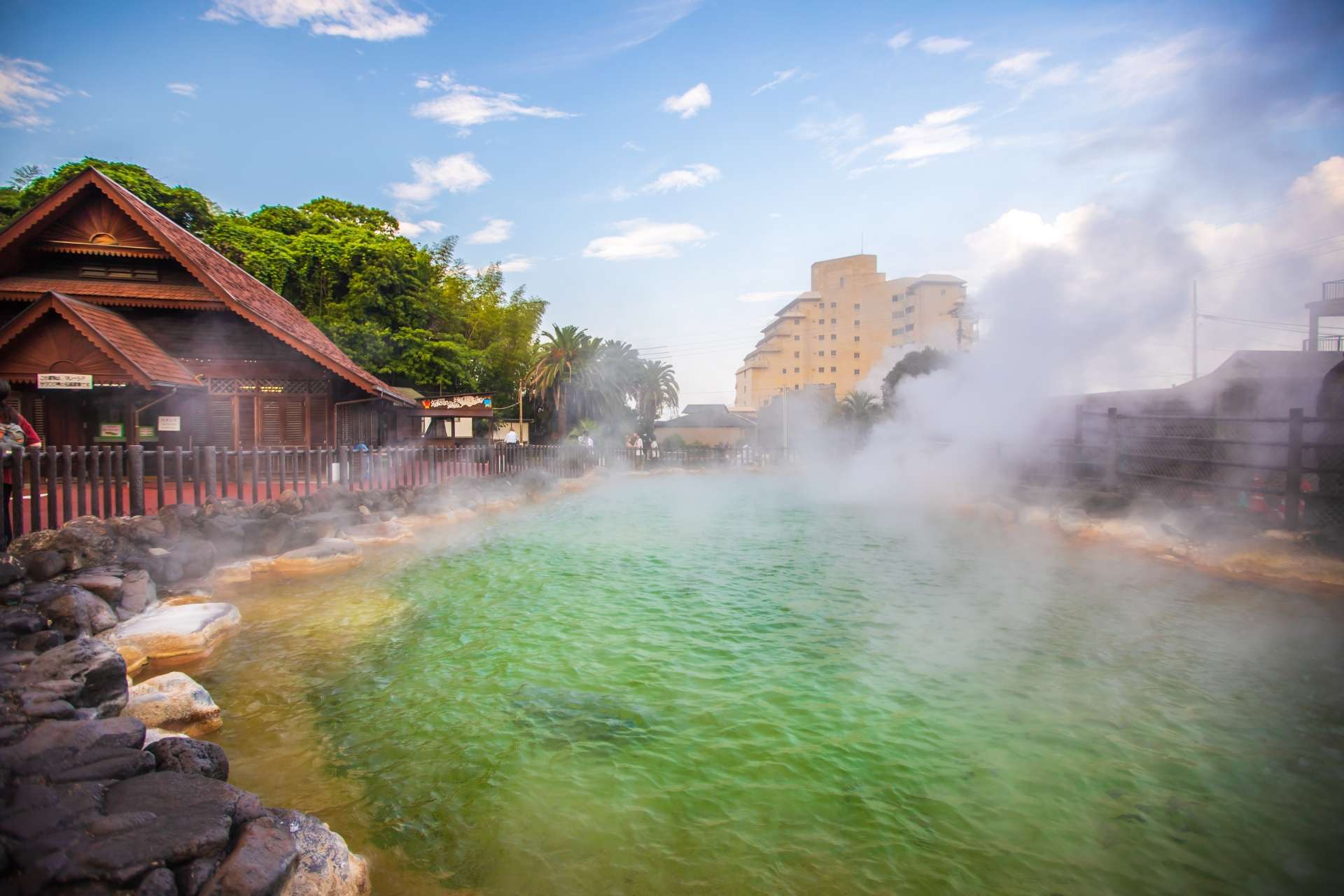
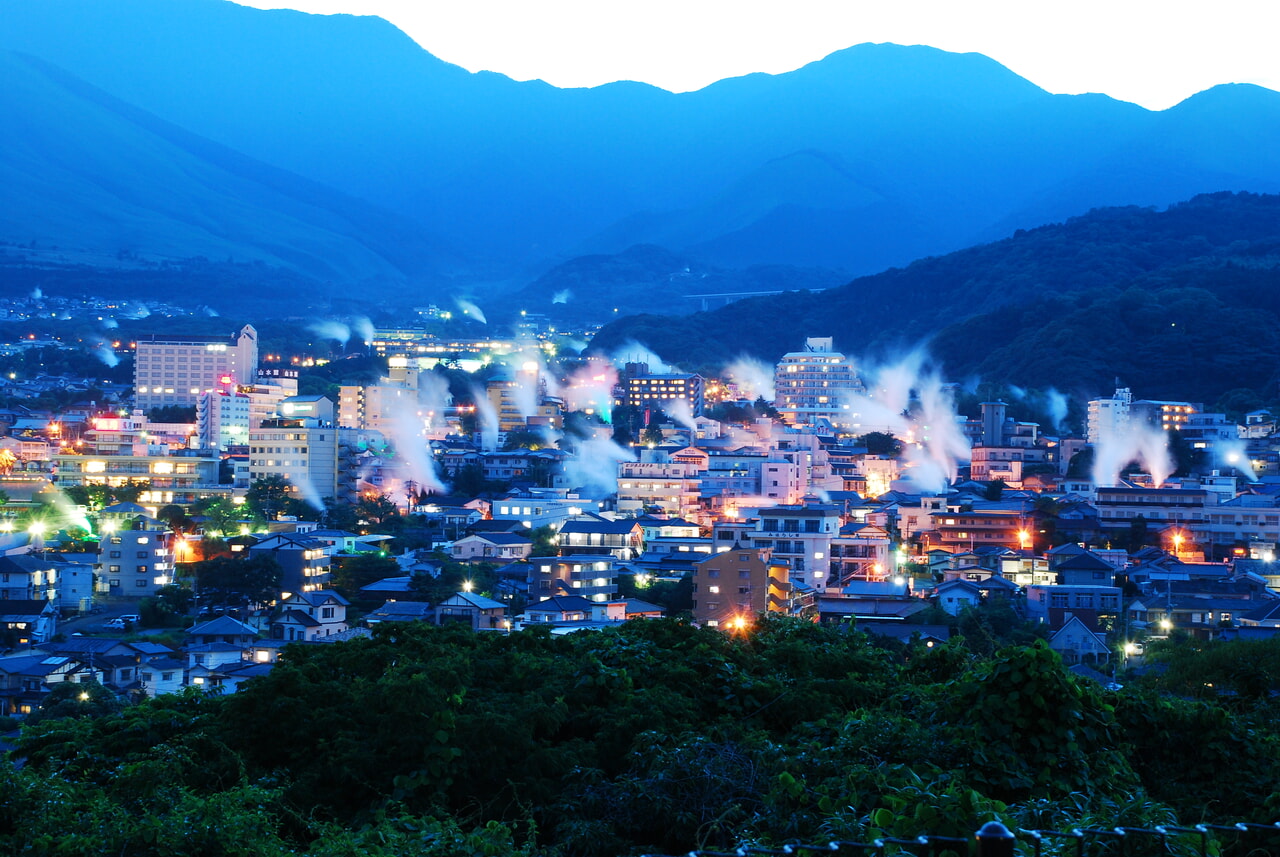
Beppu is known for its iconic steam-filled scenery, eight distinct hot‑spring districts, and seven “hells,” making it one of Japan’s largest and most diverse onsen destinations. With so many options, it can be difficult to decide where to go within a limited travel schedule.
That is where Wonder Compass Beppu, a visitor center staffed by local concierges, becomes especially helpful.
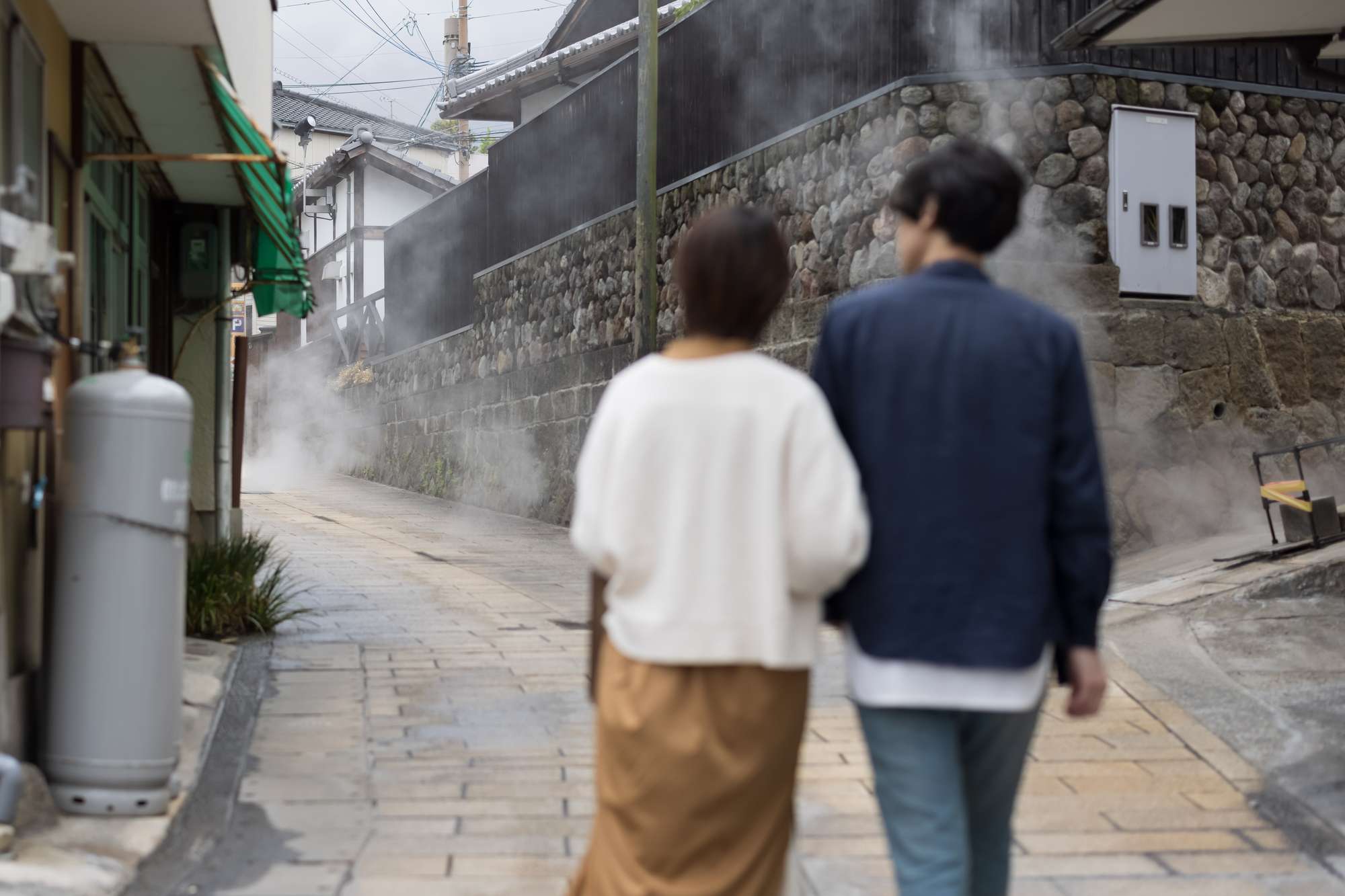
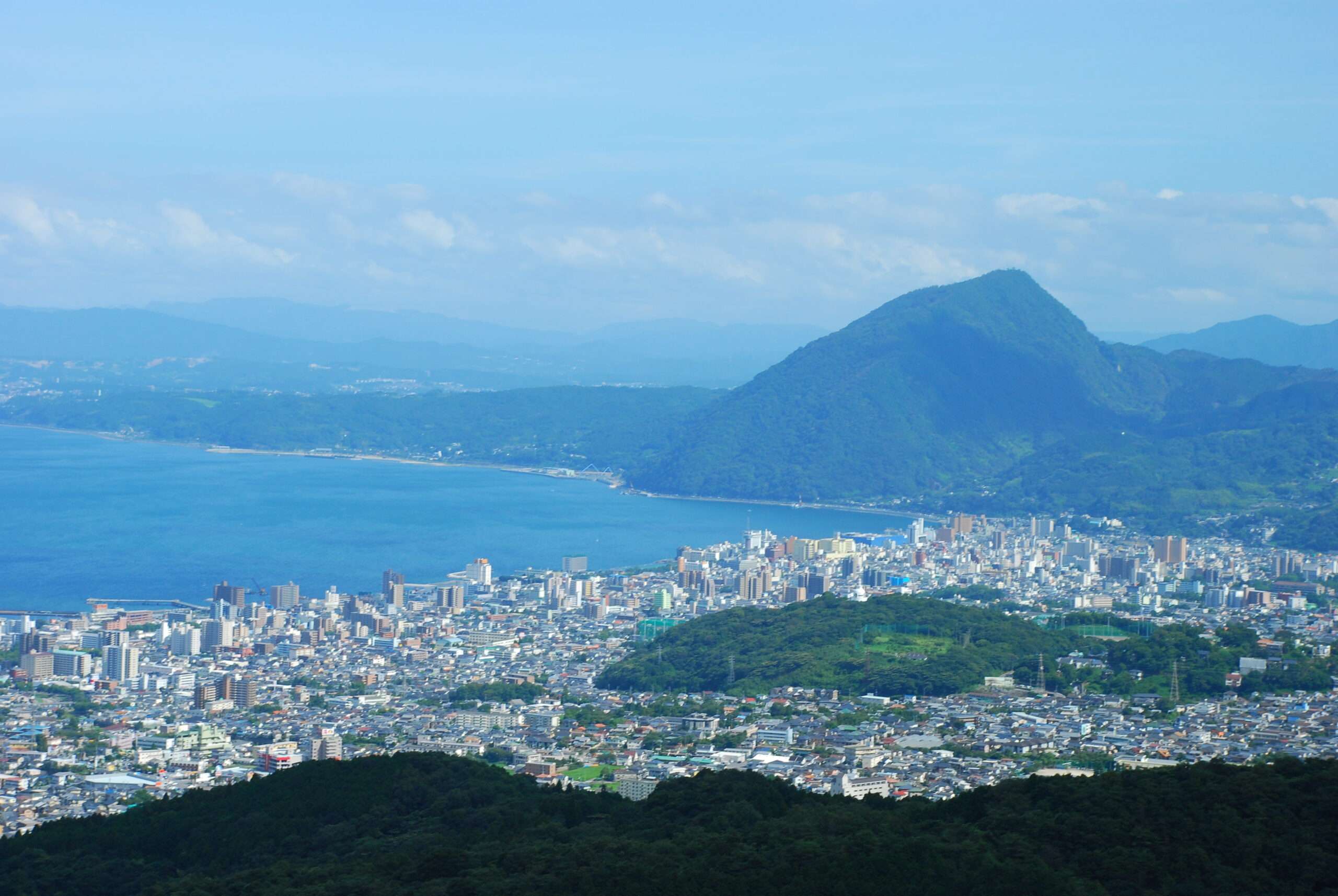
In addition to practical services such as bus passes, currency exchange, and luggage storage or delivery, it serves as a rare “interactive information hub,” where friendly staff offer personalized advice to help you enjoy your time in Beppu even more.
A newly launched service, Welcome Buddy, allows guests to request a relaxed, half‑day guided experience—much like asking a local friend to show you around. Depending on your interests, you can explore Beppu’s eight hot‑spring areas, visit Hachiman Asami Shrine, wander through the backstreets of the onsen town, or learn how to enjoy the annual spring Onsen Festival. With a local concierge, you can discover a deeper side of Beppu that is easy to miss on your own.
The lively area around Beppu Station, where Wonder Compass is located, is also filled with casual places to explore—seafood markets, bamboo craft shops, local eateries, sushi counters, and craft beer bars. The side streets retain a retro charm. Ask the concierges for recommendations that match your tastes, from street snacks to evening spots.
Enjoy a journey through Beppu’s hot‑spring atmosphere at your own pace, discovering the places and moments that speak to you.
ONSEN EXPERIENCES
TOURISM GUIDE
Pick Up
A 2-Night, 3-Day Journey to Savor
Beppu Onsen Culture
We introduce a 2-night, 3-day journey where you can fully immerse yourself in the rich depth of Beppu through two lenses: mindfulness retreat and hot spring atmosphere exploration.