


TAMATSUKURI ONSEN
Discover Tamatsukuri Onsen
and Matsue Shinjiko Onsen
Two Enchanting Hot Springs Born in the Land of Ancient Gods
Wellness and Restorative Time
Two Hot Springs Born in the Land of Ancient Gods
Shimane is known throughout Japan as a place where ancient gods are said to gather.
Among its storied destinations, Greek‑born, Irish‑raised author Lafcadio Hearn
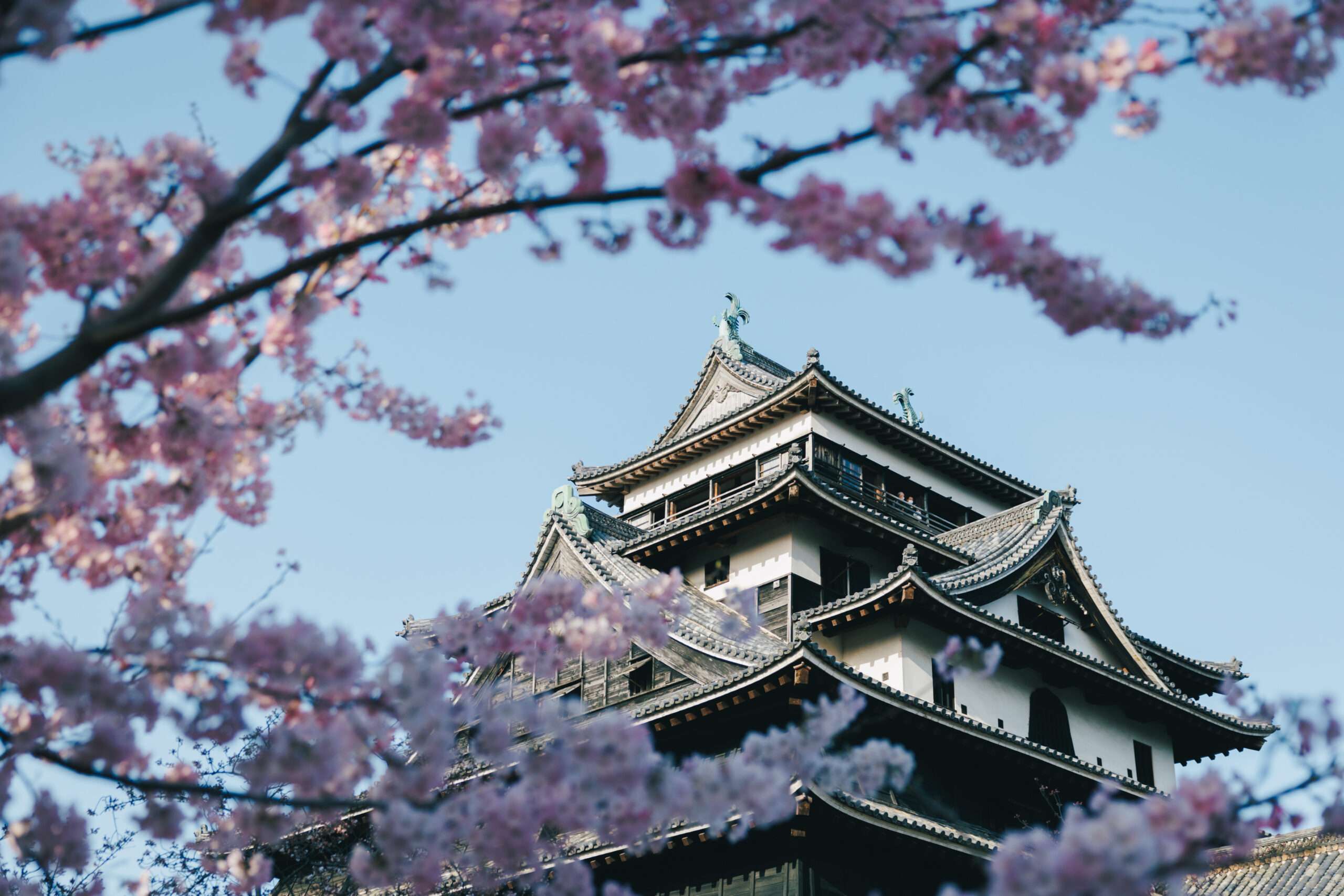
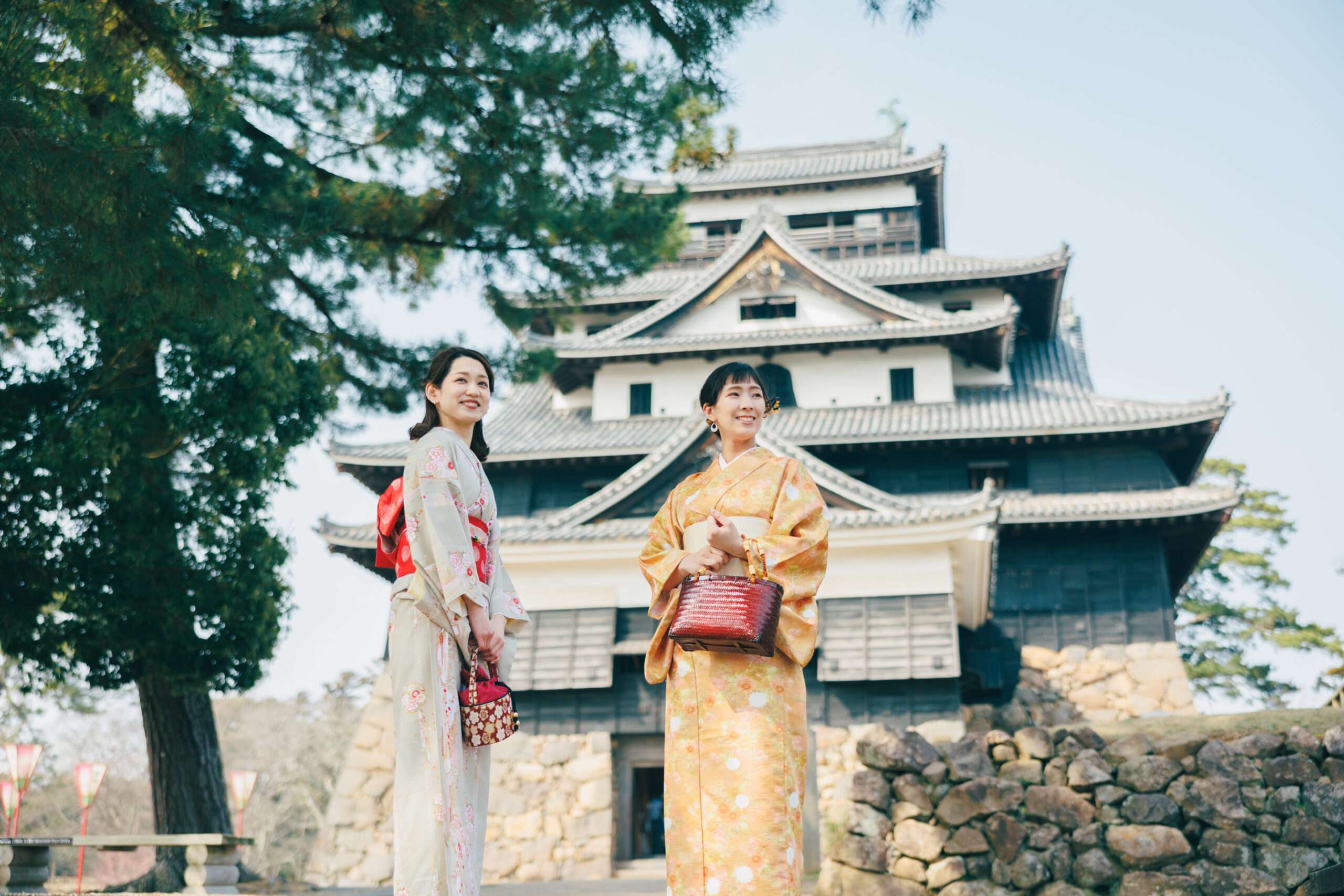
, who was deeply drawn to the myths of this area, once described Matsue as the capital of the land of the gods. Today, Matsue remains an International Cultural Tourism City, where Matsue Castle (a National Treasure), samurai residences, temples, shrines, and a refined tea culture continue to shape its character.
During the Edo period (1603–1868), the seventh lord of the Matsue Domain, Matsudaira Harusato—known as Fumaiko, a feudal lord renowned for his mastery of the tea ceremony—cultivated a tea culture and samurai values that still influence daily life. His legacy endures in the quiet, refined atmosphere that defines the city.
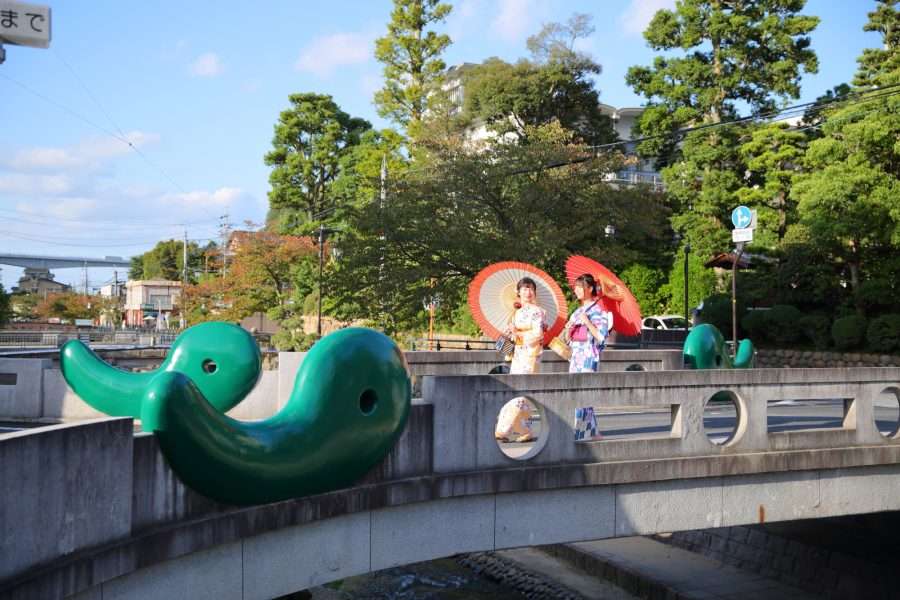
Matsue is also known as a city of water.
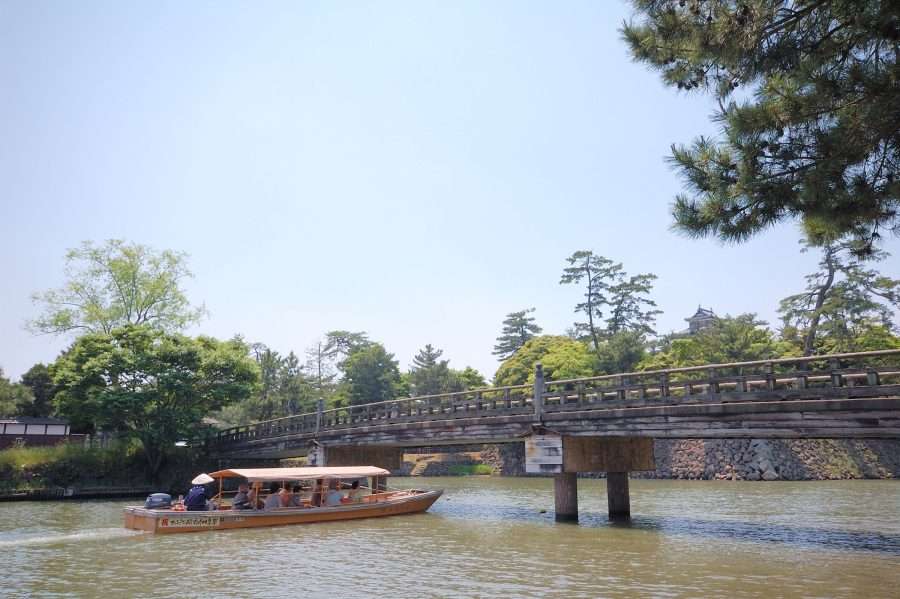
The beautiful sunsets over Lake Shinji, the Nakaumi, a brackish lake connected to the sea, and the moat surrounding the castle create a landscape crossed by more than 1200 bridges, offering scenic water views throughout the area.
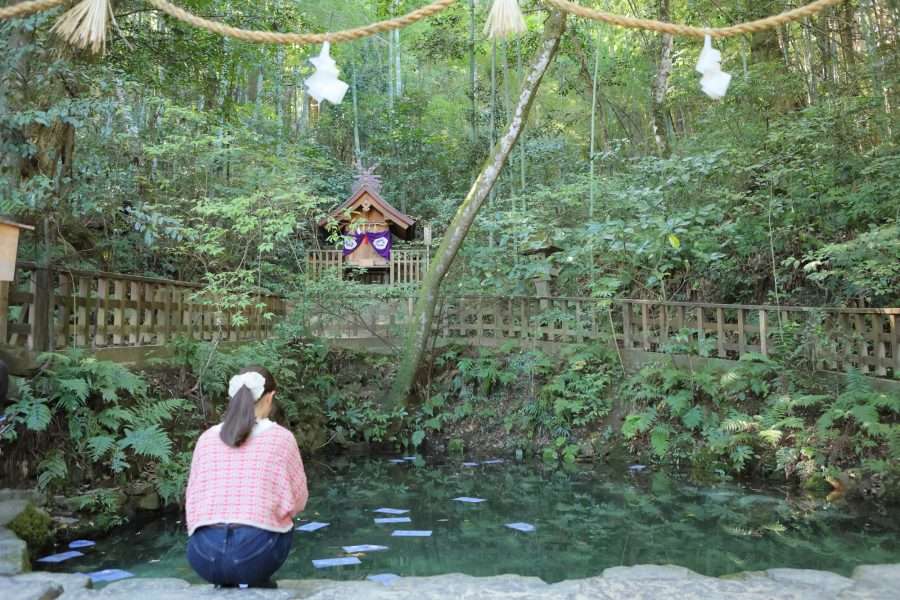
This area is home to many shrines associated with en-musubi, the forging of meaningful bonds.
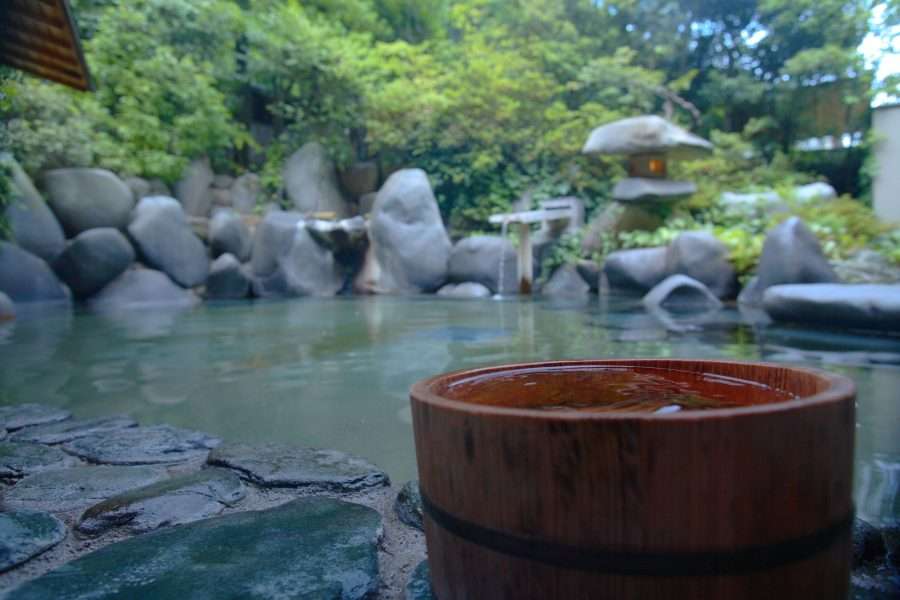
Here, a hot spring known as the Bath of the Gods has flowed for over 1,300 years, soothing people since ancient times. Bathing in the same waters once enjoyed by both deities and samurai allows visitors to refresh body and mind, appreciate the connections that surround them, and offer hopes for the ties yet to come.
In Matsue, people continue to live with a deep respect for tradition and carry forward a spirit of hospitality inherited from generations of samurai lords.
Come and discover the timeless beauty of Japan that Hearn, the author who loved this city, introduced to the world.
A Hot Spring Long Loved by Ancient Gods and Samurais
Tamatsukuri Onsen
– “The Bath of the Gods,” a Natural Beauty Elixir
Matsue — city of water, dwelling place of the gods — is home to two hot springs of distinctly different charm.
Tamatsukuri Onsen, one of Japan’s oldest hot springs, opened in the Nara period (710–794) and has a history of 1,300 years. It is mentioned in both the Izumo no Kuni Fudoki (733) and Makura no Soshi (The Pillow Book, late 10th–early 11th century). The spring water is said to make the skin beautiful after one bath and heal any illness after two. A pharmaceutical company study even found that it increases the skin’s base moisture level by 165%, earning it recognition as having luxury skincare–level properties.
Its slightly viscous water gently wraps the skin like a soft veil.
Shimane is known as a prefecture known for beautiful skin thanks to its mild climate, and here you can even take home spring water or shop at stores specializing in hot‑spring beauty products—making this truly a sanctuary for beautiful skin.
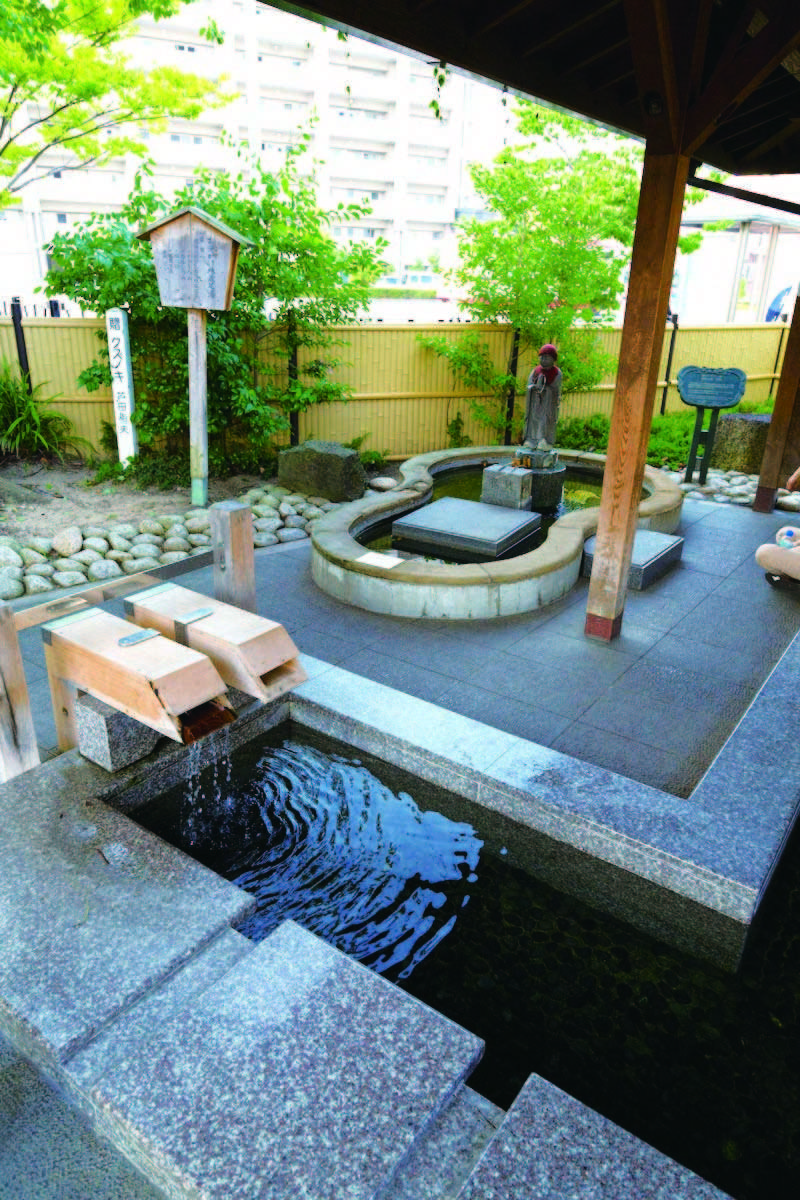
Nearby are spiritual sites such as Tamatsukuri‑yu Shrine, famous for its wishing stone, and Seiganji Temple, known for the legend of the Oshiroi Jizo. Stroll along the atmospheric hot‑spring town that lines the Tamayu River, and try bathing in the same waters said to have been used by ancient gods and samurais.
Matsue Shinjiko Onsen
– Enjoy Panoramic Views of the Lake
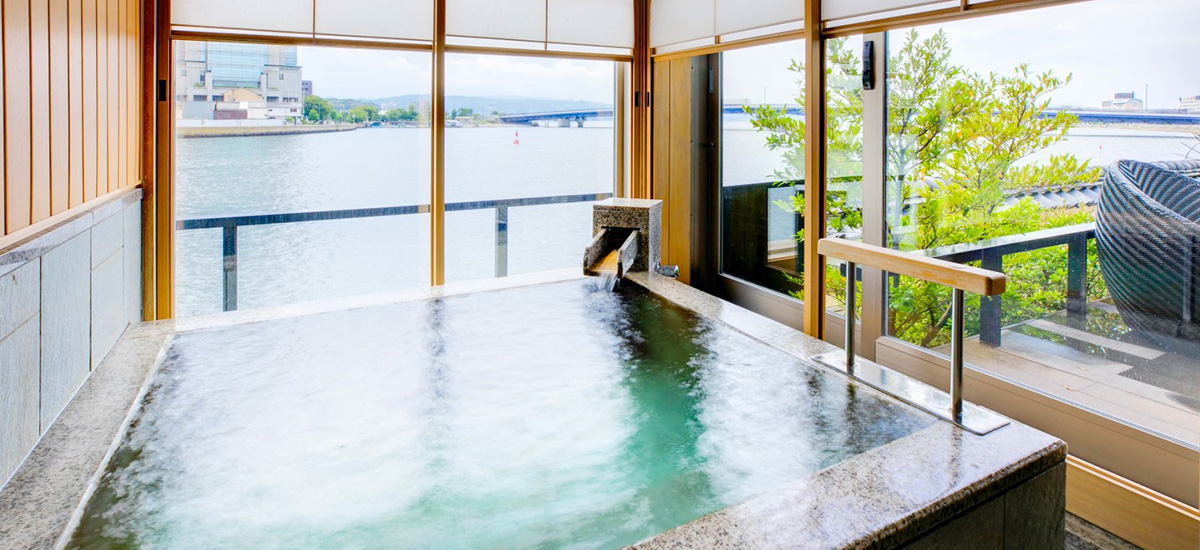
Located along the shores of Lake Shinji, one of Japan’s most celebrated sunset spots, Matsue Shinjiko Onsen offers the perfect base for exploring the area. Its convenient location near the city center makes it easy to combine hot‑spring relaxation with walks through the historic castle town.
Visitors can enjoy the ever‑changing colors of the lake as the seasons and time of day shift, all while soaking in soothing hot‑spring waters.
Designed with universal accessibility in mind, this hot spring welcomes everyone with comfort and ease.
The Town that Inspired One Westerner to Become Japanese
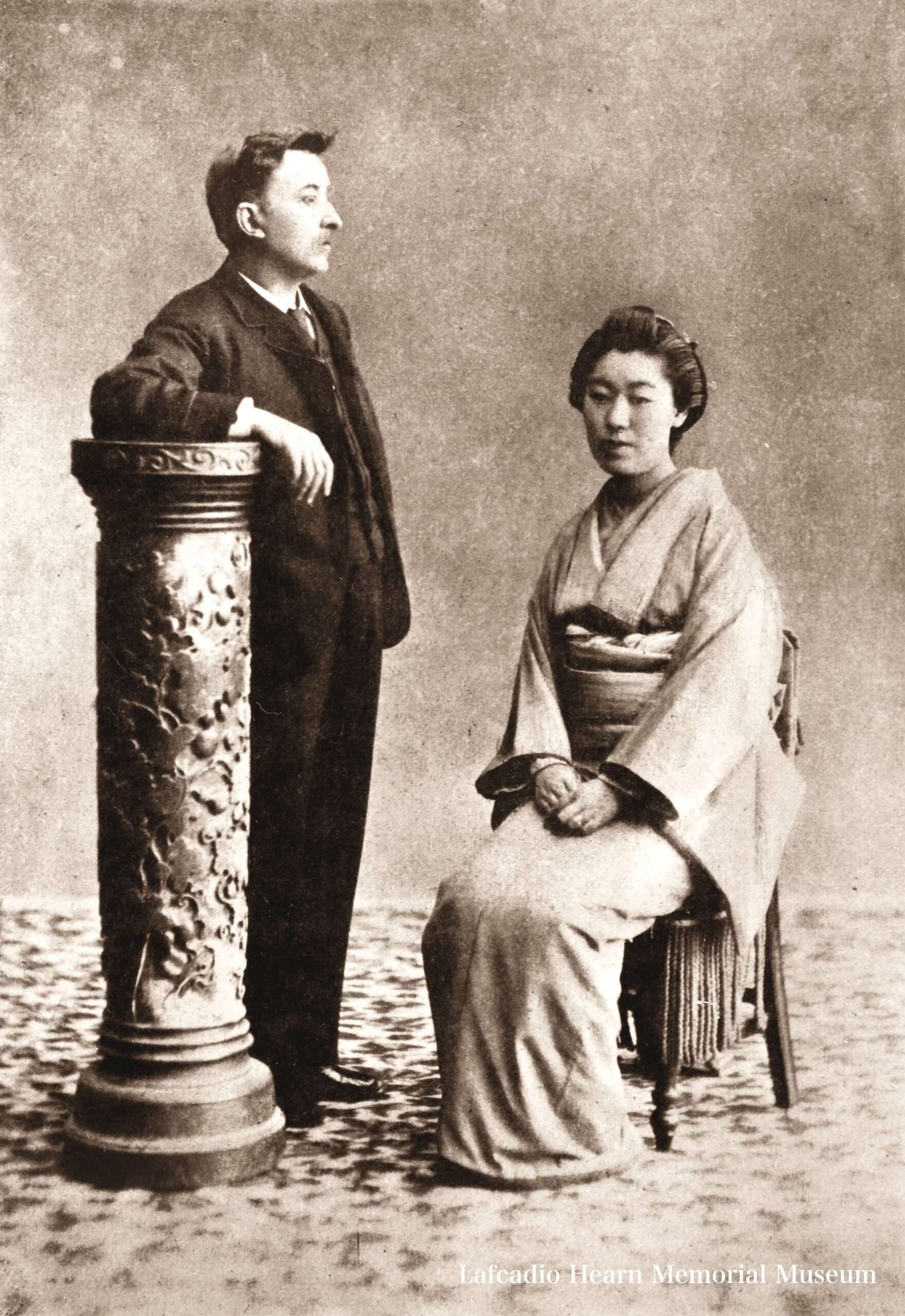
In 1890, a wandering journalist—born in Greece and raised in Ireland—set foot in Matsue after traveling widely across the world.
His name was Lafcadio Hearn (Japanese name: Koizumi Yakumo), a man captivated by the Kojiki.
He introduced Japan—still little known in the West at the time—to Western readers, and his collection Kwaidan, considered his finest work, continues to be read around the world.
In his major work Glimpses of Unfamiliar Japan (1894), Hearn recorded the landscapes, people, culture, and ghost stories of Matsue with vivid sensitivity.
Throughout the book, he expresses deep admiration for Japan’s natural beauty, the kindness of its people, and the worldview of Shinto.
He wrote with quiet sensitivity about the ancient beliefs of Izumo and the subtle presence of deities woven into everyday life.
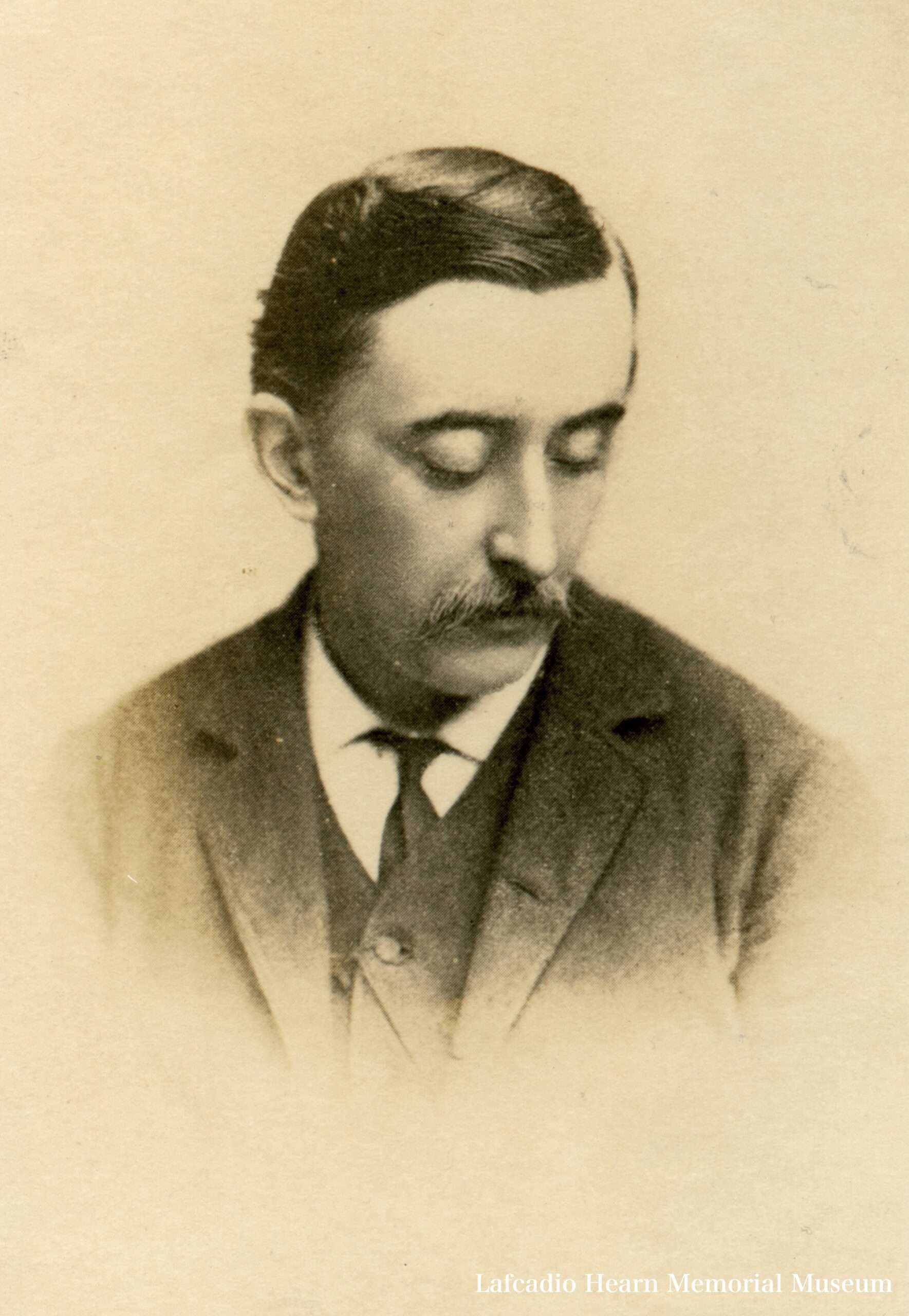
Hearn cherished Matsue as a place where the spirit of pre‑modern Japan remained strong—a land where the breath of the gods could still be felt.
He even called it “the chief city of the Province of the Gods.”
Here, he met his Japanese wife, Setsu, received the name Yakumo from the oldest waka (an ancient Japanese poem) recorded in the Kojiki, and chose to become a Japanese citizen.
Yes—this is the town where a wandering traveler finally chose to settle.
Matsue still preserves many places connected to Hearn:
Matsue Castle, which he described as “a dragon made of great monsters gathered together”;
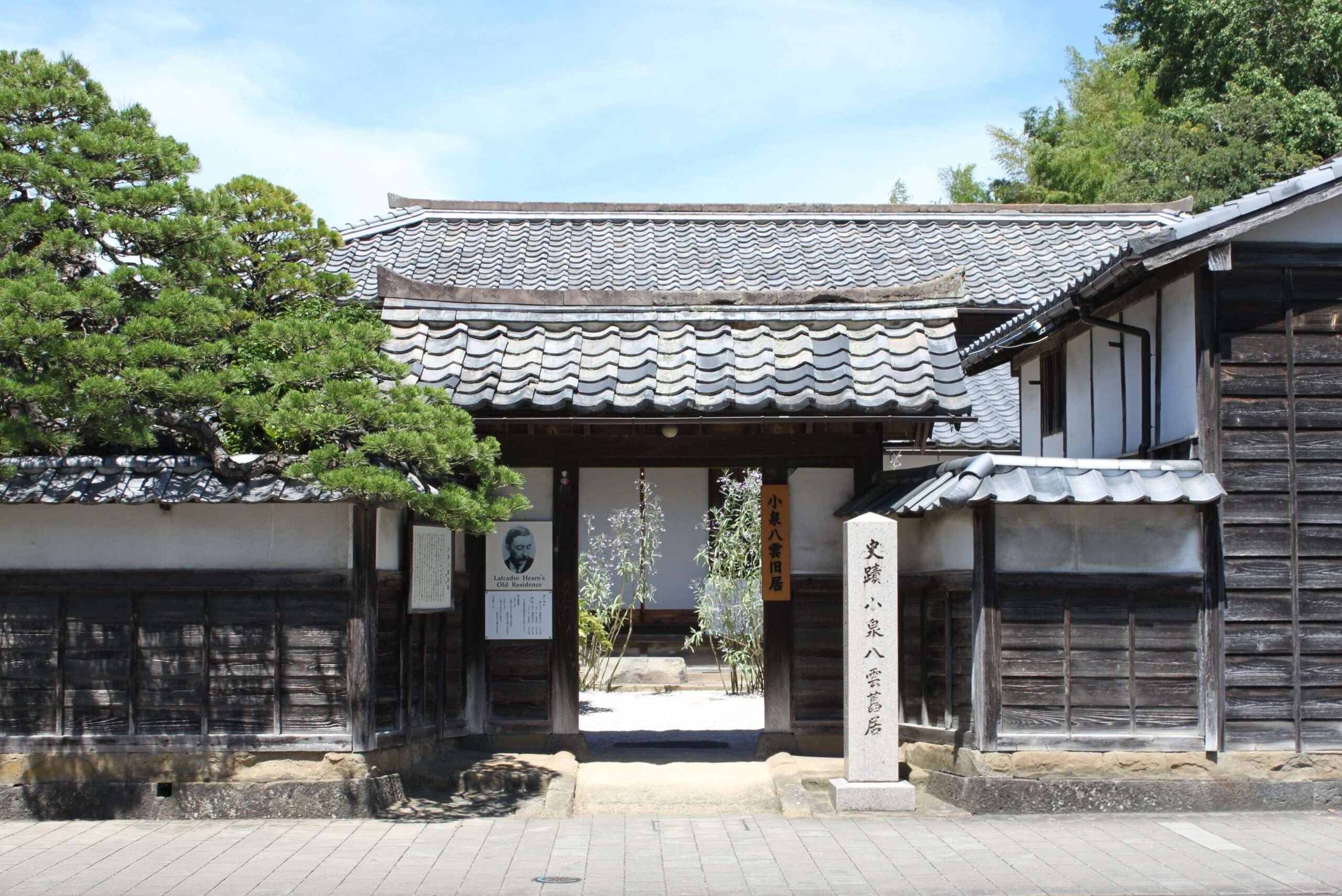
and the former samurai residence along Shiomi Nawate where he lived with Setsu.
Jozan Inari Shrine, home to some thousand stone foxes;
and Gesshoji Temple, known for its giant‑turtle legend.
With Glimpses of Unfamiliar Japan in hand—where Hearn rewove these stories through his keen sensibility—walk the paths of Matsue.
In its streets, its quiet corners, and its warm, welcoming people, the old Japan Hearn saw and felt still lives on.
And here, you may come to understand why he chose to become Japanese.
The lives of Yakumo and Setsu inspired the 2025–2026 NHK morning drama “Bakebake.”
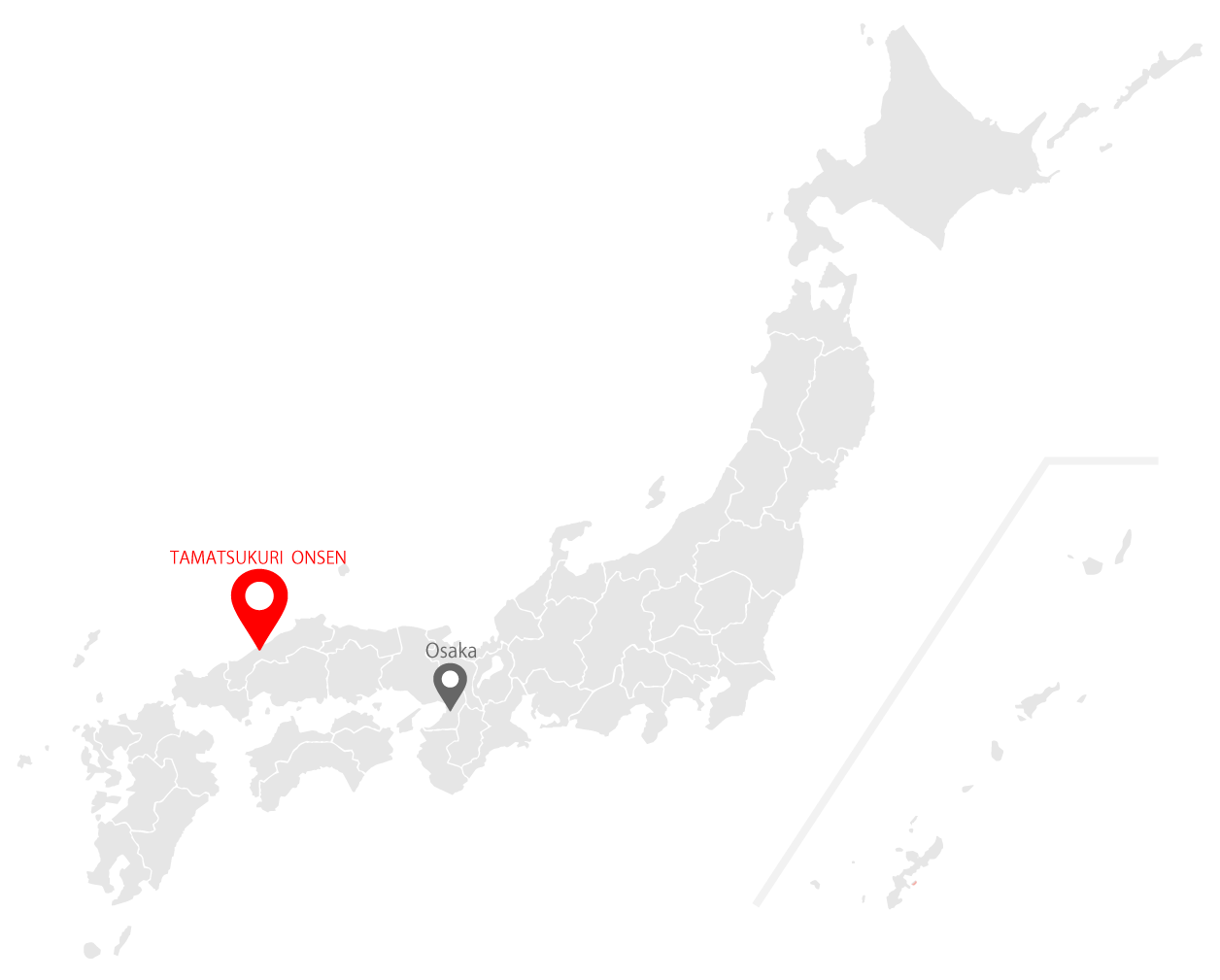
ACCESS
Shimane Prefecture / Matsue City
 Flight
approx. 1h 20m
 Bus
Busapprox. 40m
 Shinkansen
approx. 45m
 Ltd. Exp. Yakumo
approx. 2h 30m
Castle Town Culture
A Place Where Castle Town Culture Still Remains
Matsue’s iconic symbol, the National Treasure Matsue Castle, is one of Japan’s twelve remaining original castle keeps—structures built in the early 17th century that have survived to the present day. Its defining features are its austere black exterior and its practical, battle‑ready design. Inside the keep, you can still see a well, stone‑drop openings, and narrow loopholes—devices created for defense. With its rugged yet dignified beauty, this is not a castle built for display, but a fortress constructed for war.
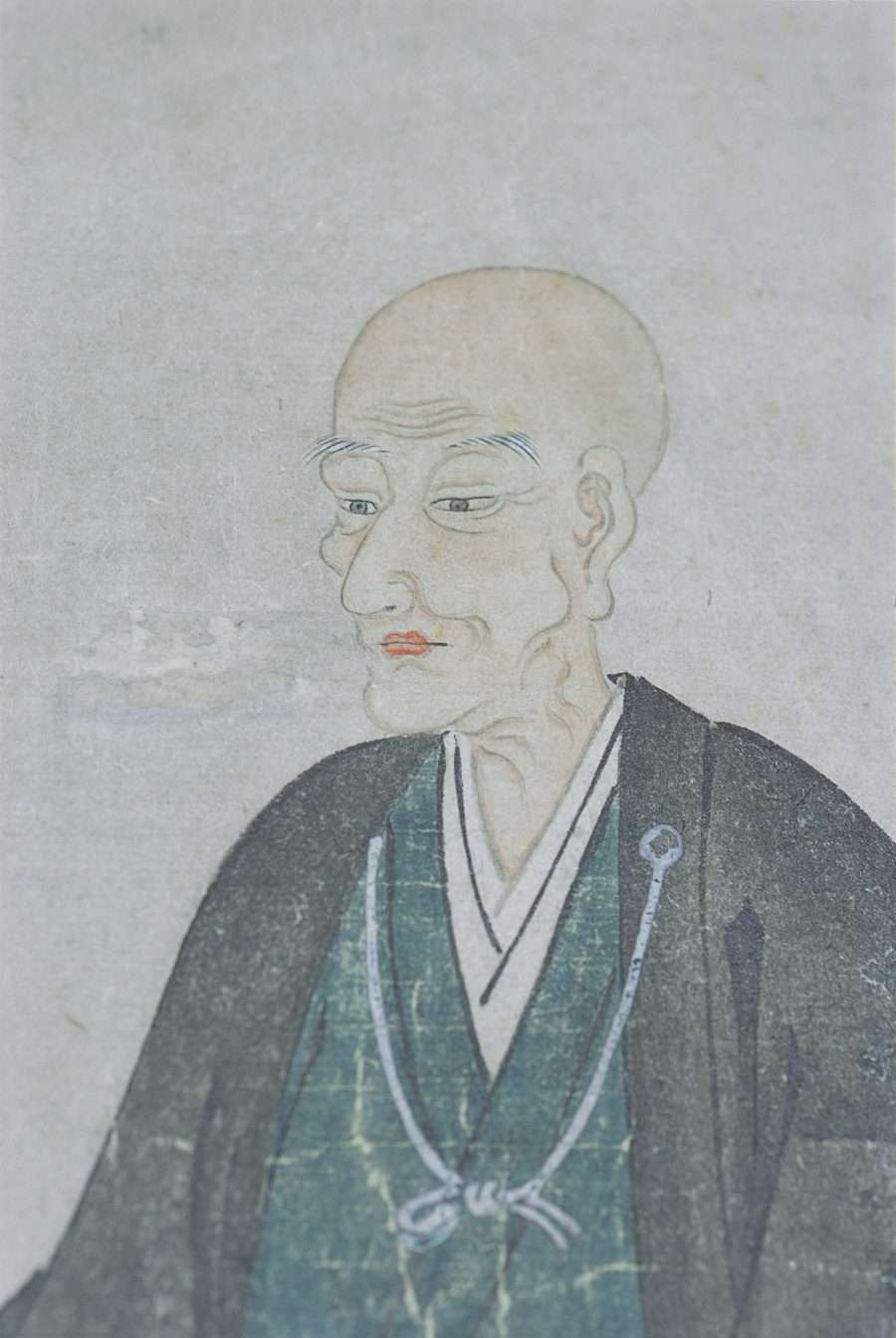
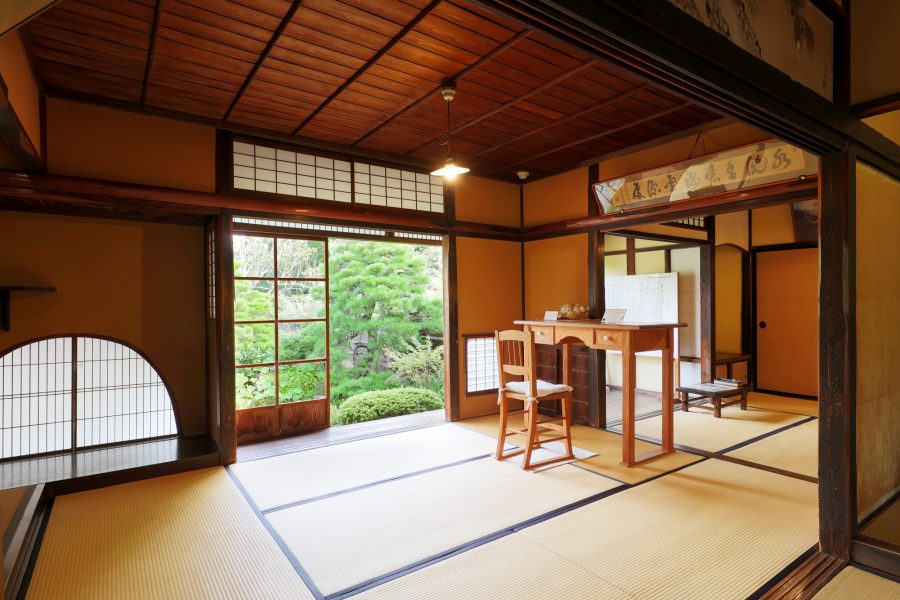
The seventh lord of the Matsue domain, Matsudaira Fumai, is renowned as a “daimyo tea master.” He founded the Fumai‑ryu school of tea, known for its relaxed approach that does not cling to rigid formalities.
Under his influence, Izumo‑style gardens, distinctive tea rooms, tea utensils, and confections known as “Fumai‑kōnomi” flourished.
The tea culture he nurtured has lived on for more than 250 years and remains part of daily life today—an easygoing yet refined way of sharing tea and enjoying seasonal sweets without strict ceremony.
We invite you to experience this warm, unpretentious, and beautifully balanced tea culture for yourself.
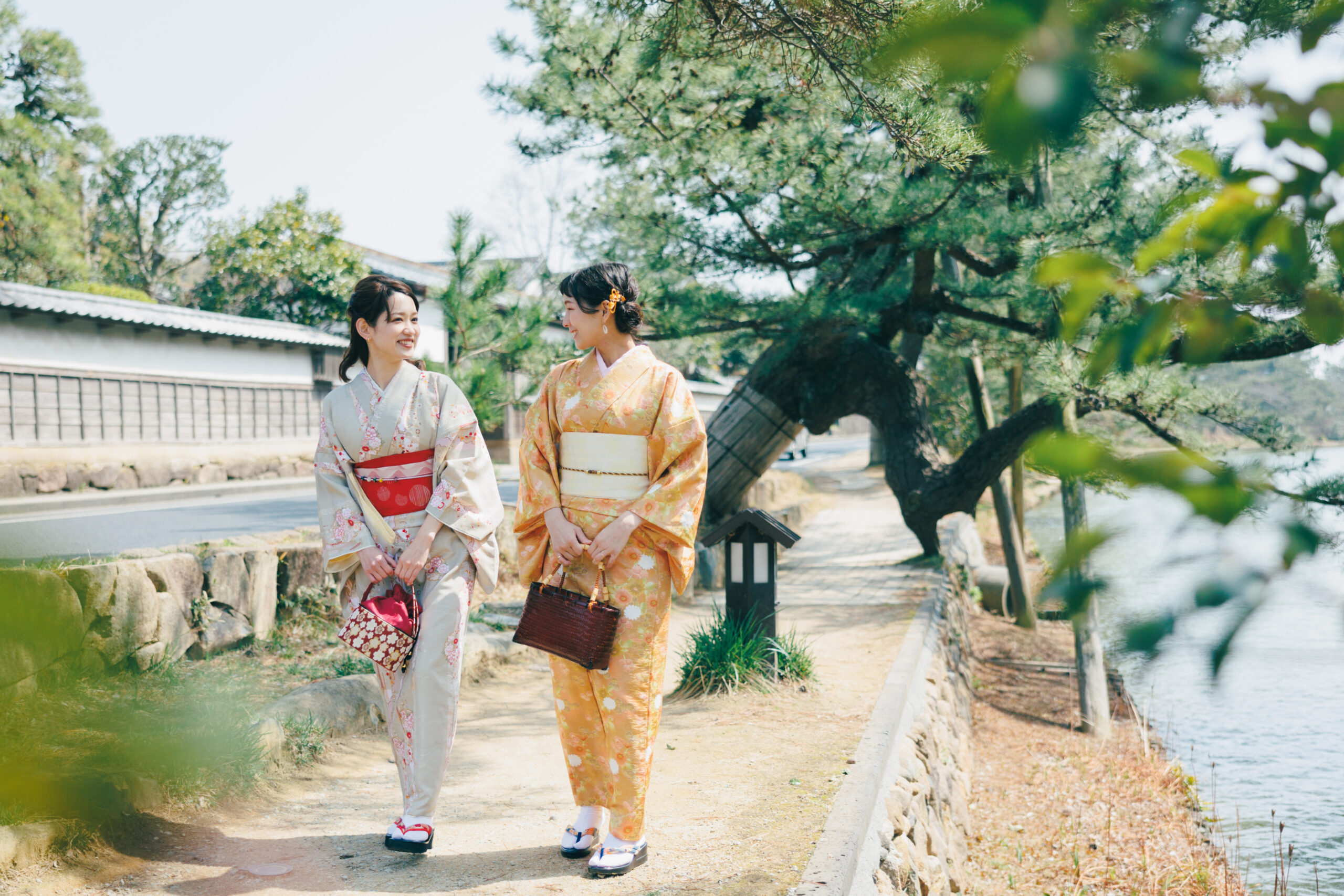
The traditional scenic district of Shiomi Nawate, lined with samurai residences and towering pine trees, preserves the atmosphere of the past—the very path once walked by samurai.
Across the city, waterways run in every direction, and long‑established confectioners continue to craft traditional sweets such as Yamakawa and Wakakusa by hand each day.
Their delicate shapes, expressing the changing seasons, are small works of art that reflect the spirit of Japan.
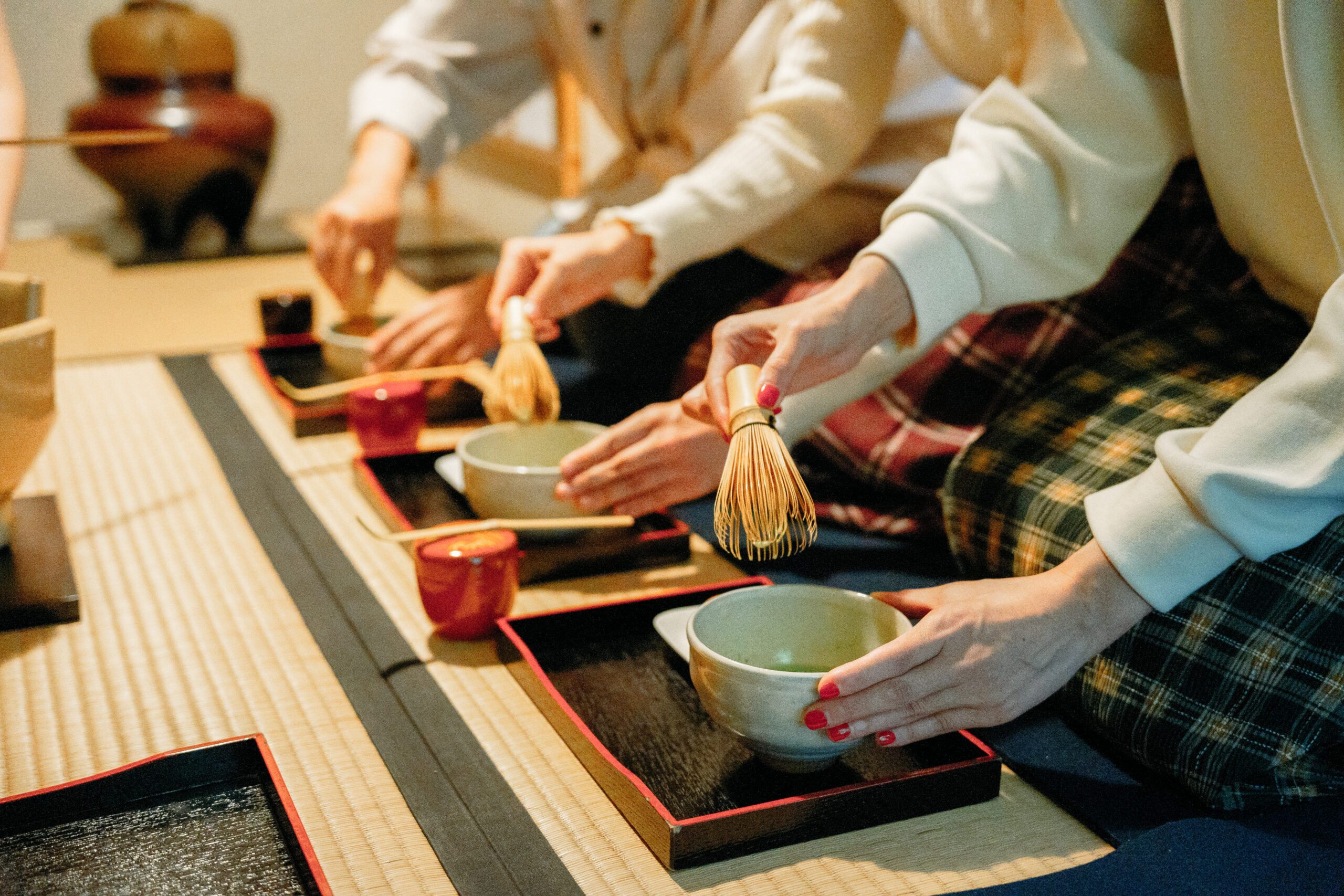
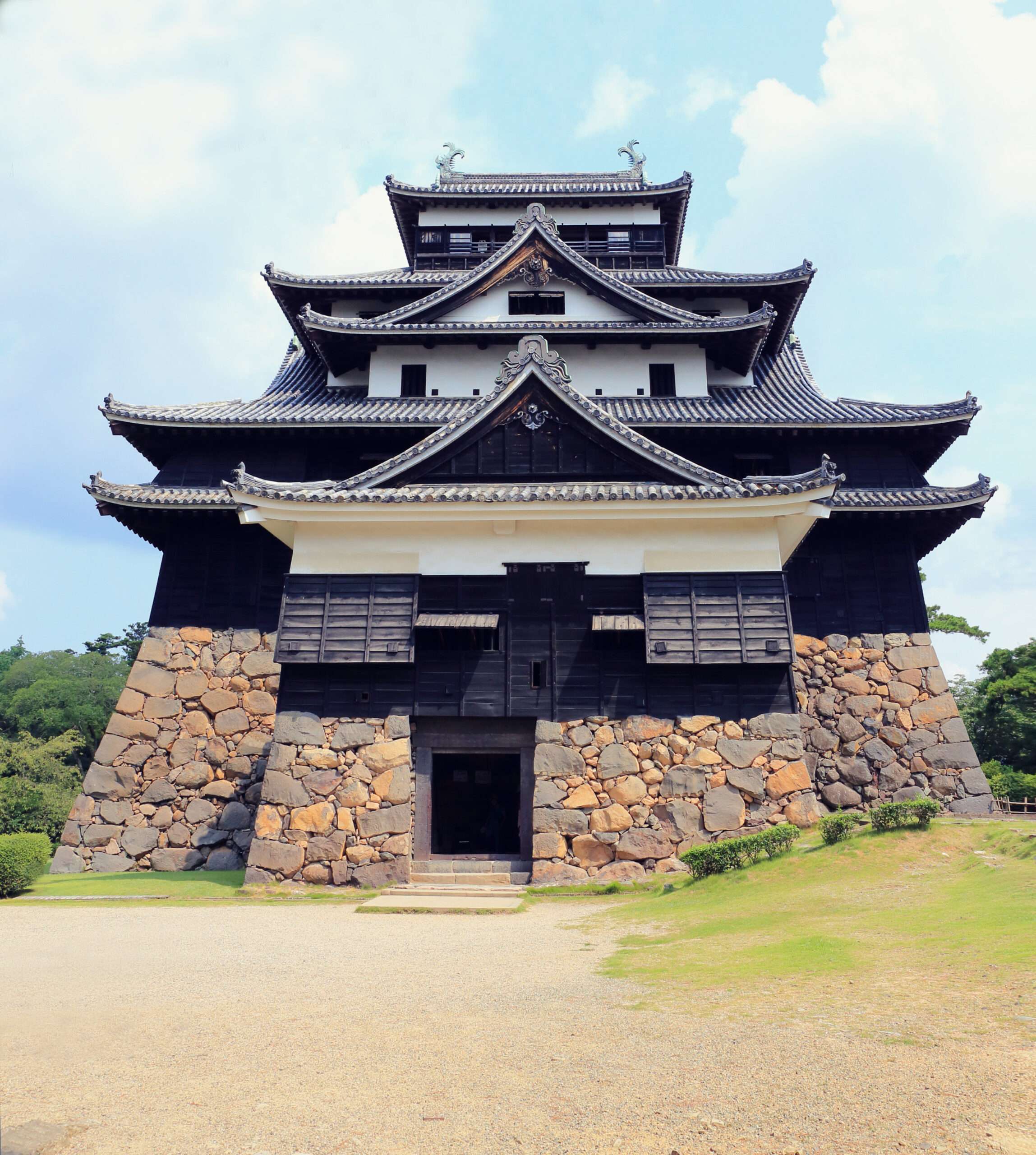
Together with Kyoto and Kanazawa, Matsue is celebrated as one of Japan’s three great centers of tea and wagashi, offering a depth of culture to savor.
In Matsue’s castle town, the aesthetic sensibilities cultivated by Lord Fumai and the spirit of heartfelt hospitality toward guests still live on.
By combining leisurely walks with a ride on the local sightseeing boats, you can uncover the city’s quiet charm at your own pace and feel the richness of a castle town that continues to breathe through time.
Exploring Tamatsukuri Onsen
Walking Through Tamatsukuri Onsen
Tamatsukuri Onsen, one of Japan’s oldest hot springs, has long been known as the “Bath of the Gods,” celebrated for its skin‑nourishing waters.
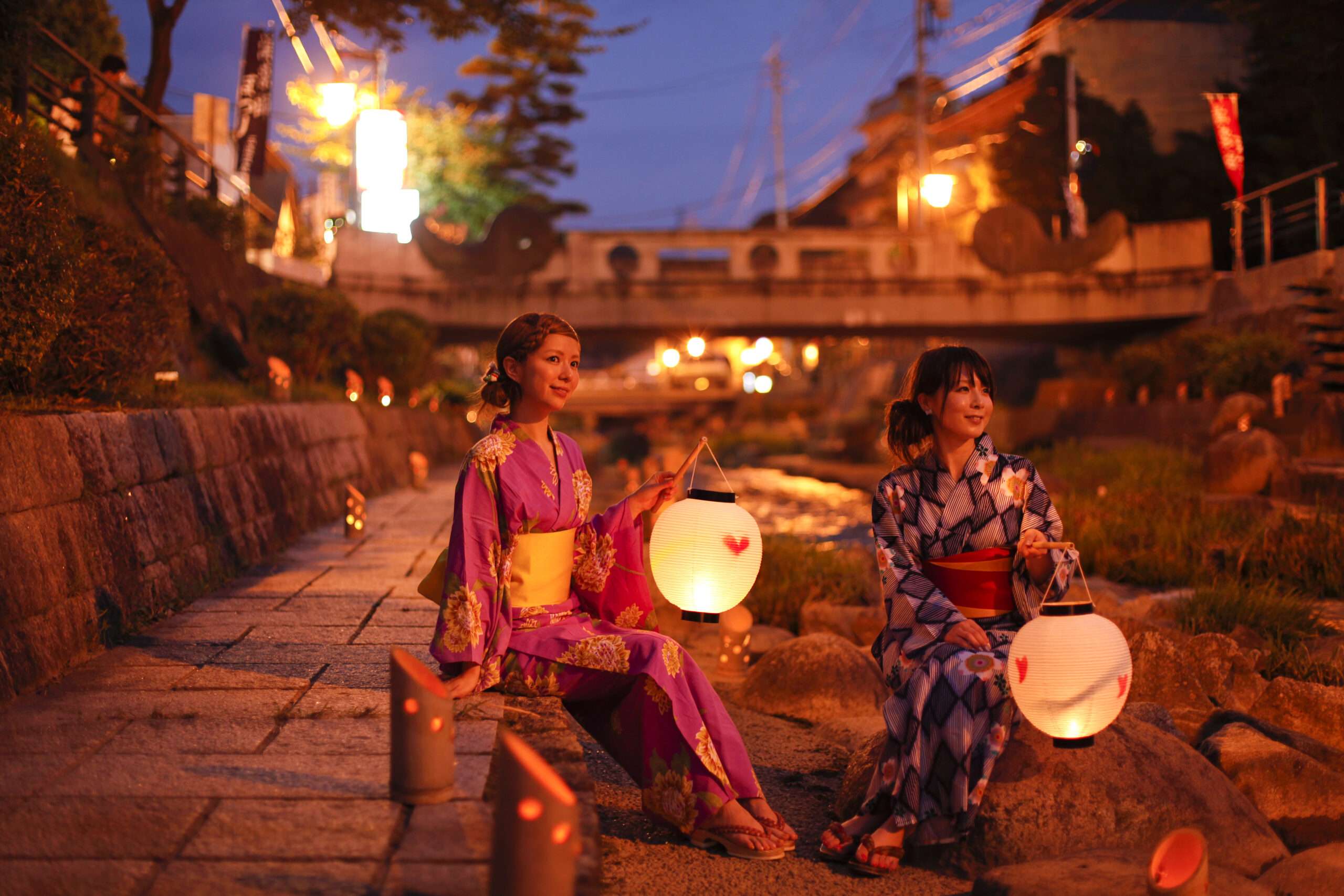
Along the Tamayu River, traditional inns, small eateries, souvenir shops, and drifting steam from footbaths create a warm and timeless onsen atmosphere.
Along the main street, lined with sculptures inspired by scenes from ancient mythology, you’ll find the Yuyakushi Plaza, where you can take home fresh spring water, the skincare boutique Hime Labo, and Art Box, a charming shop filled with crafts and soothing items—each adding its own appeal to the town.
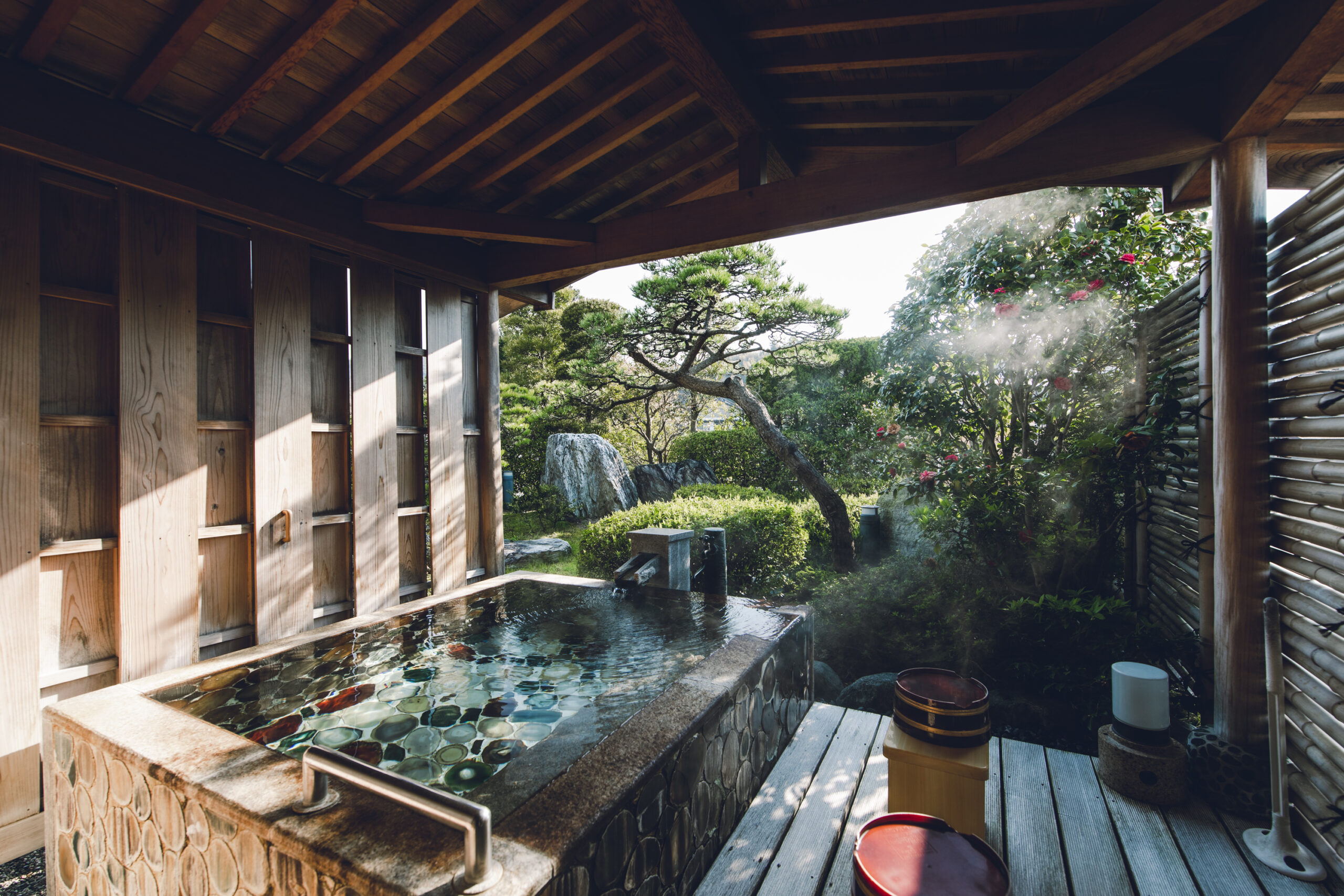
The area’s distinctive inns offer a variety of memorable baths: Japan’s largest open‑air bath, a bath lined with colorful agate, a local specialty, and serene baths overlooking traditional gardens.
Nearby, several spiritual sites add another layer of depth to the visit.Upstream along the Tamayu River, at the edge of the hot spring town, stands Tamatsukuriyu Shrine, an ancient shrine mentioned in the Izumo Fudoki.
Here, you can receive a Kanai‑ishi (Wish Stone) at the shrine office, draw power from the Negai‑ishi (Prayer Stone) within the grounds, and create your own personal charm.
Next door, Seiganji Temple is known for its Oshiroi Jizo, a revered statue believed to grant wishes for beauty and healing. Visitors apply a touch of white powder to the same part of the statue’s face or body where they seek improvement, offering a quiet prayer.
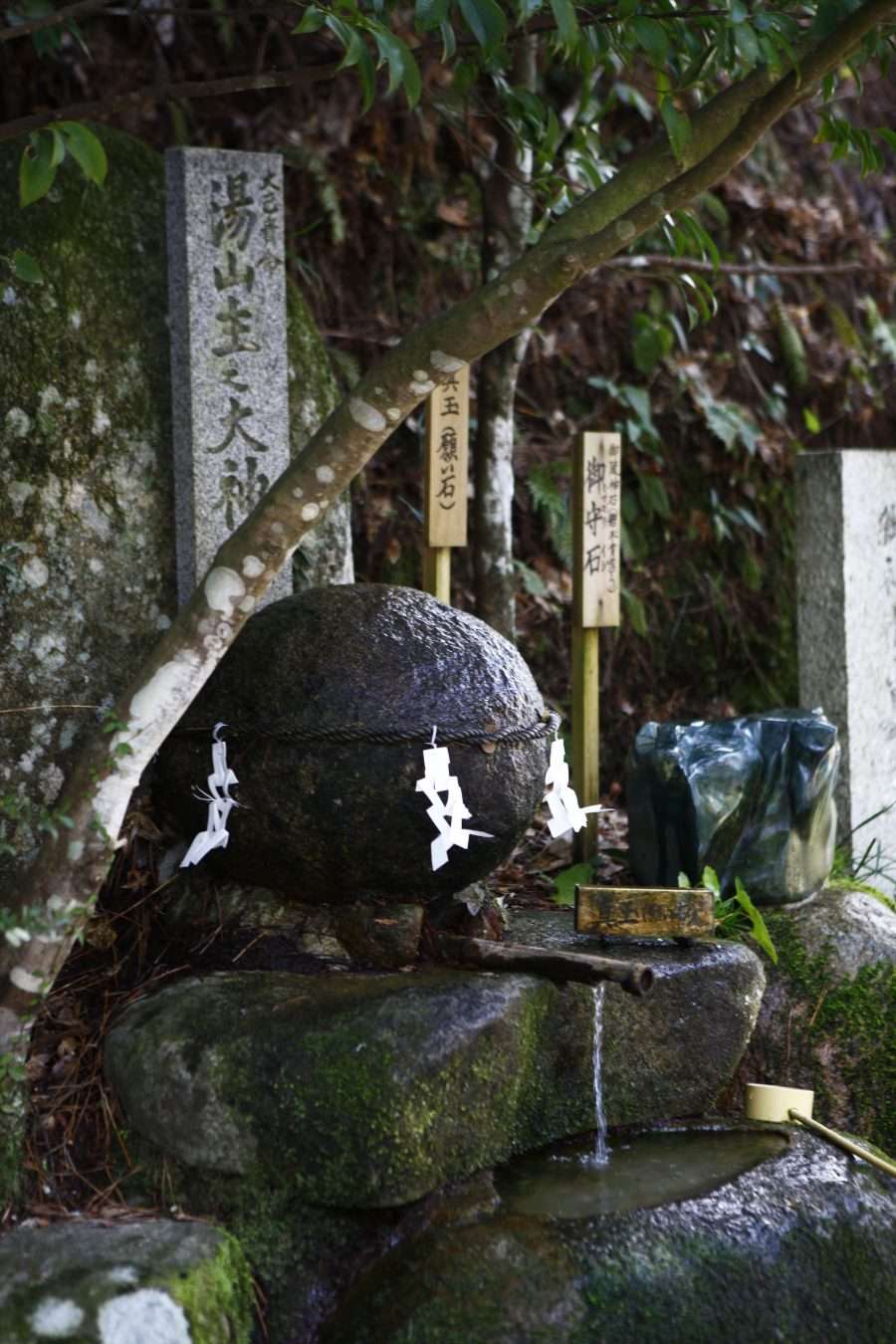
The symbol of Tamatsukuri Onsen, the magatama, is rooted in Shinto tradition and is considered one of Japan’s Three Sacred Treasures.
It has long been regarded as a charm for protection and good fortune.
You’ll see magatama motifs throughout the town, cherished today as stones that bring happiness.
As evening falls, the town glows with gentle lights.
Reflections shimmer on the river, and visitors in yukata stroll between footbaths—scenes that feel almost like a painting.
Matsue’s Traditional Crafts
A Journey to Meet Traditional Crafts in Matsue
From ancient magatama making to tea‑related crafts shaped during the feudal era, and the practical pieces highlighted by the Mingei movement, Matsue’s traditions have long been carried by artisans who preserve both skill and spirit.
Their pottery, lacquerware, washi, woodwork, and magatama reflect the sincerity and warmth of the people who create them.
As you stroll through the city, you can browse select shops filled with pieces that show each maker’s character, finding something that feels right for you. Or try a hands‑on workshop to shape something yourself and glimpse the stories behind these traditions.
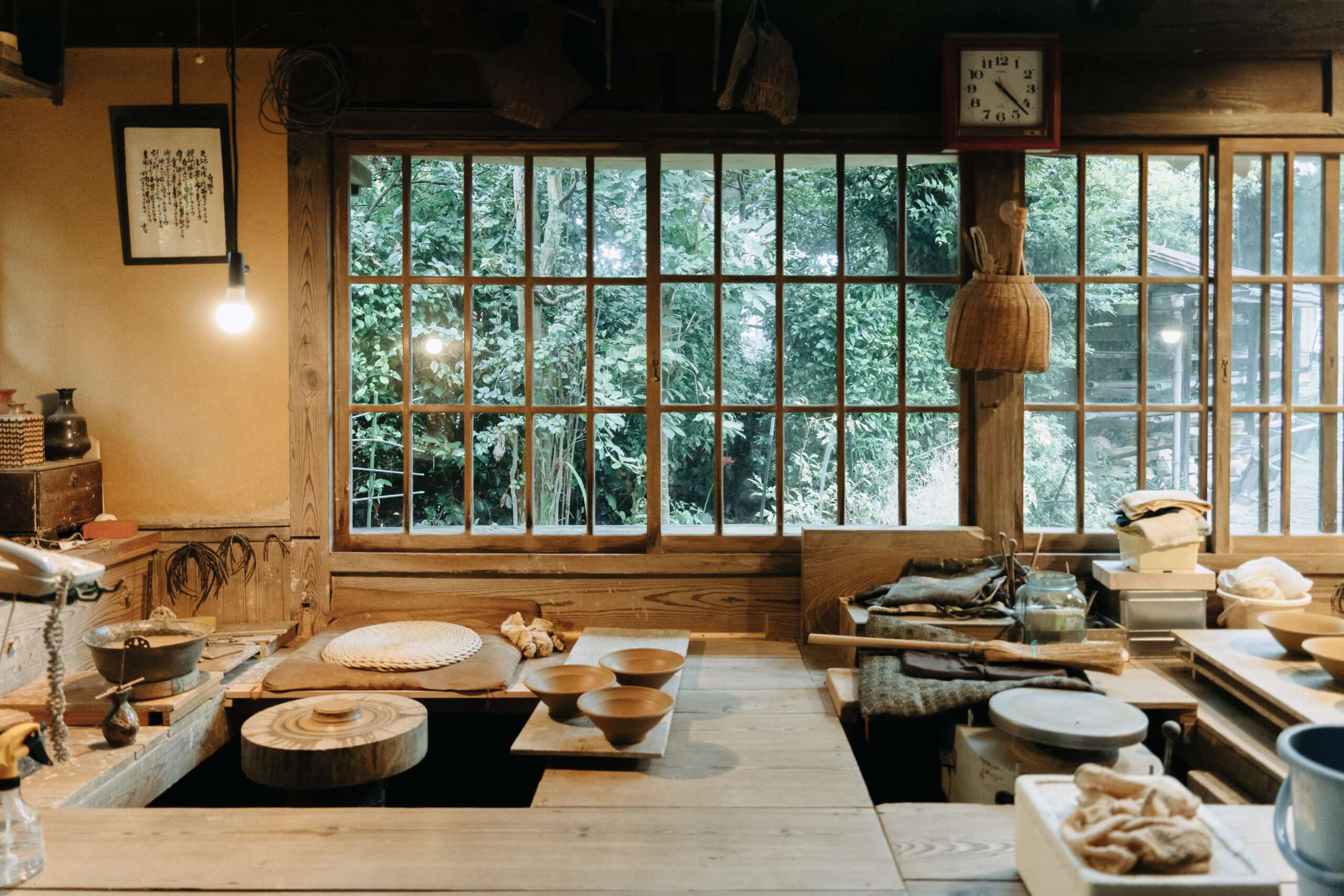
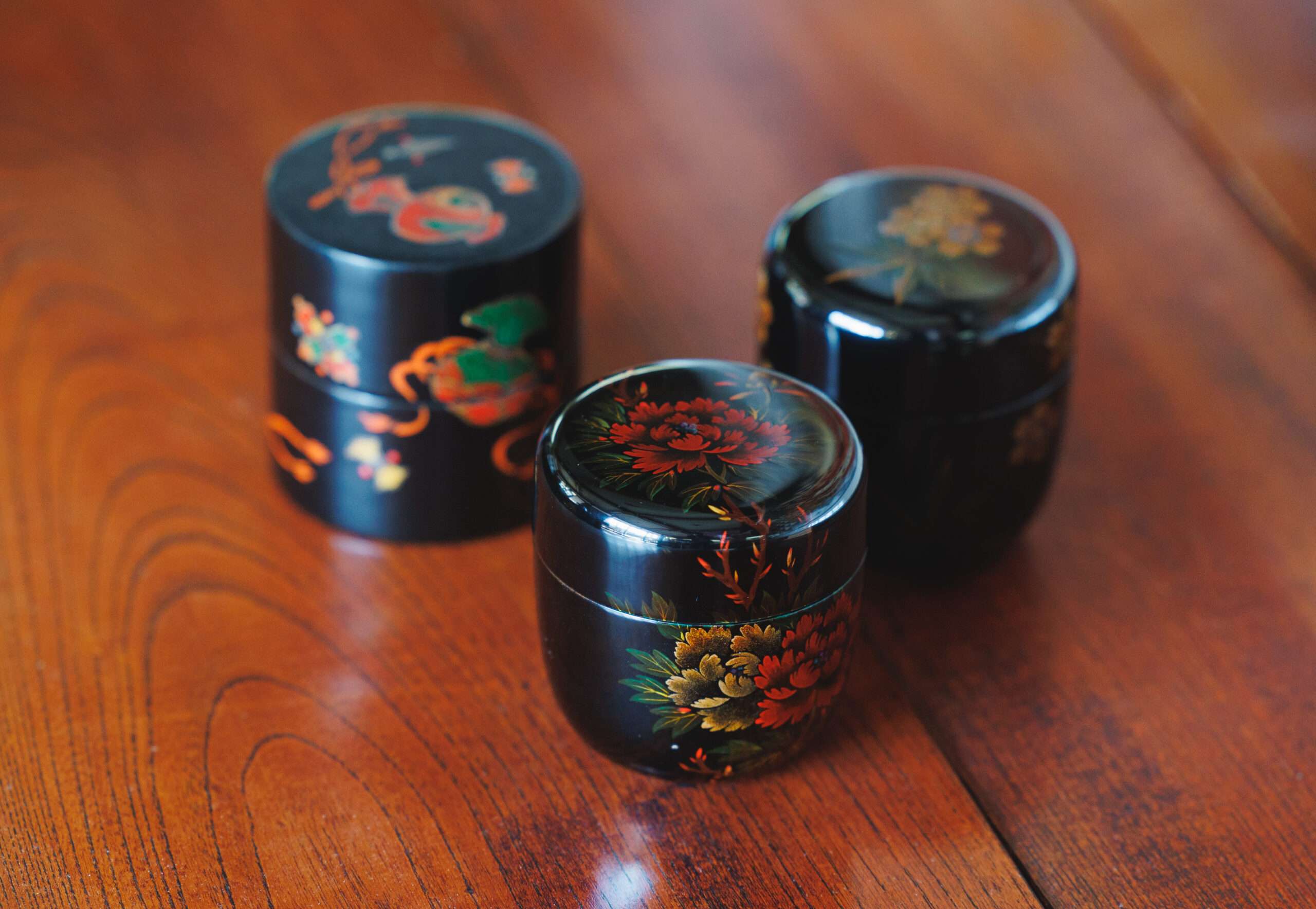
Matsue offers a gentle introduction to craft tourism—discovering the techniques and histories that quietly enrich daily life.Here are some of the handcrafts that define the city
■ Crafts Nurtured by the Tea Culture of Lord Fumai
The tea culture fostered by Lord Fumai gave rise to the official kilns of the Matsue domain, including Rakuzan Kiln and Unzen Kiln, both known for producing refined tea utensils.
Another tradition shaped by Fumai is Yakumo‑nuri, a lacquerware style that began when he started creating his own tea implements.
Its defining feature is the way its transparent layers deepen over time, allowing the painted motifs to emerge with increasing clarity and color.
■ The Crafts Inspired by the Mingei Philosophy
The Mingei movement, proposed by twentieth‑century thinker Yanagi Sōetsu, emphasized the idea that true beauty can be found in the everyday objects used by ordinary people.
His philosophy resonated deeply with the long‑standing craft traditions of this region, and many works influenced by the movement remain in Matsue today.
Yanagi held the crafts of the Izumo area in high regard, and his appreciation helped shape the direction of local artisans.
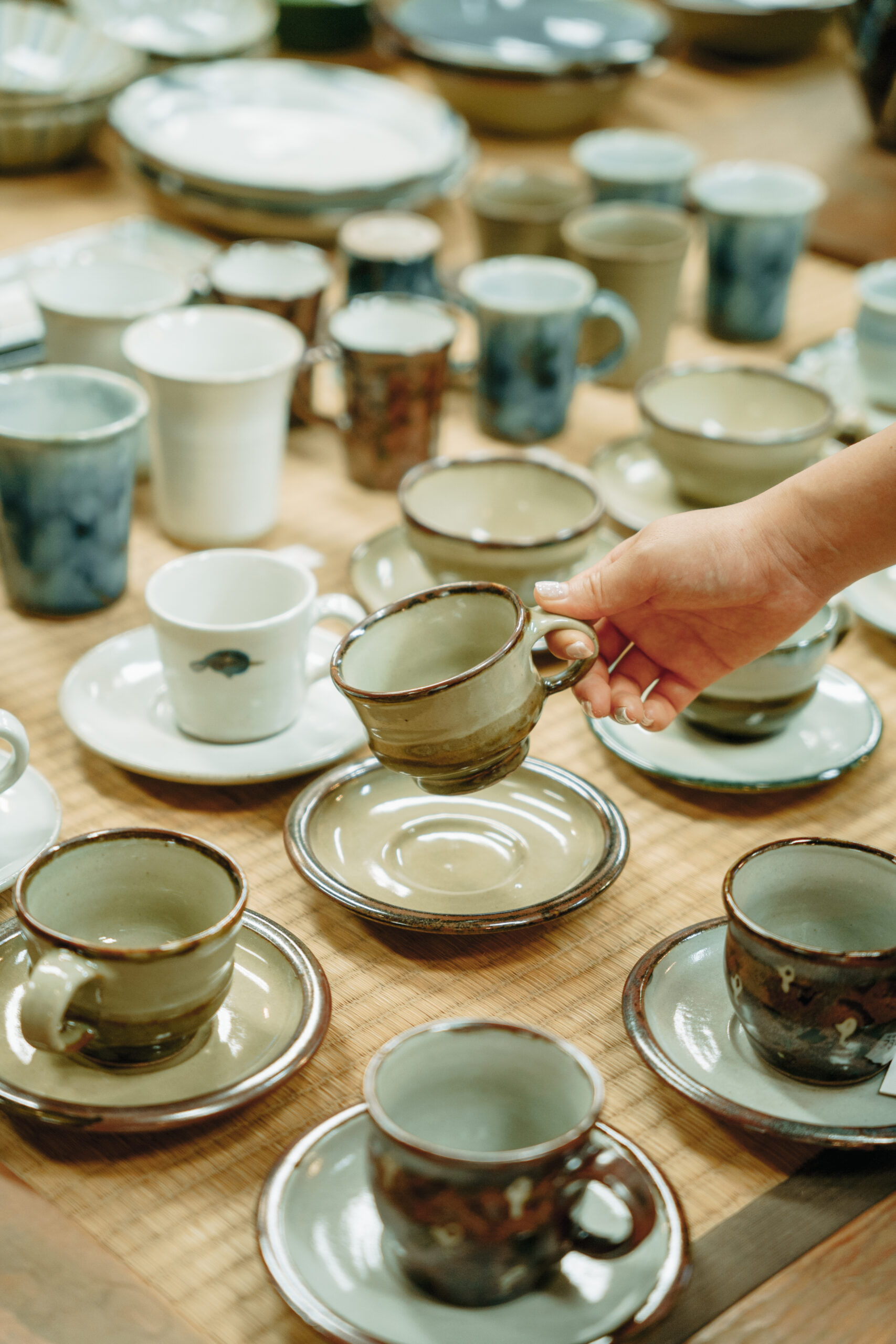
Yumachi Kiln and Sodeshi Kiln, both guided in their early years by British potter Bernard Leach, a devoted reader of Lafcadio Hearn, are known for their gentle forms and natural colors.
Another legacy is Izumo Mingei Paper, handmade by the descendants of Living National Treasure Abe Eishirō, using three native plants and local spring water.
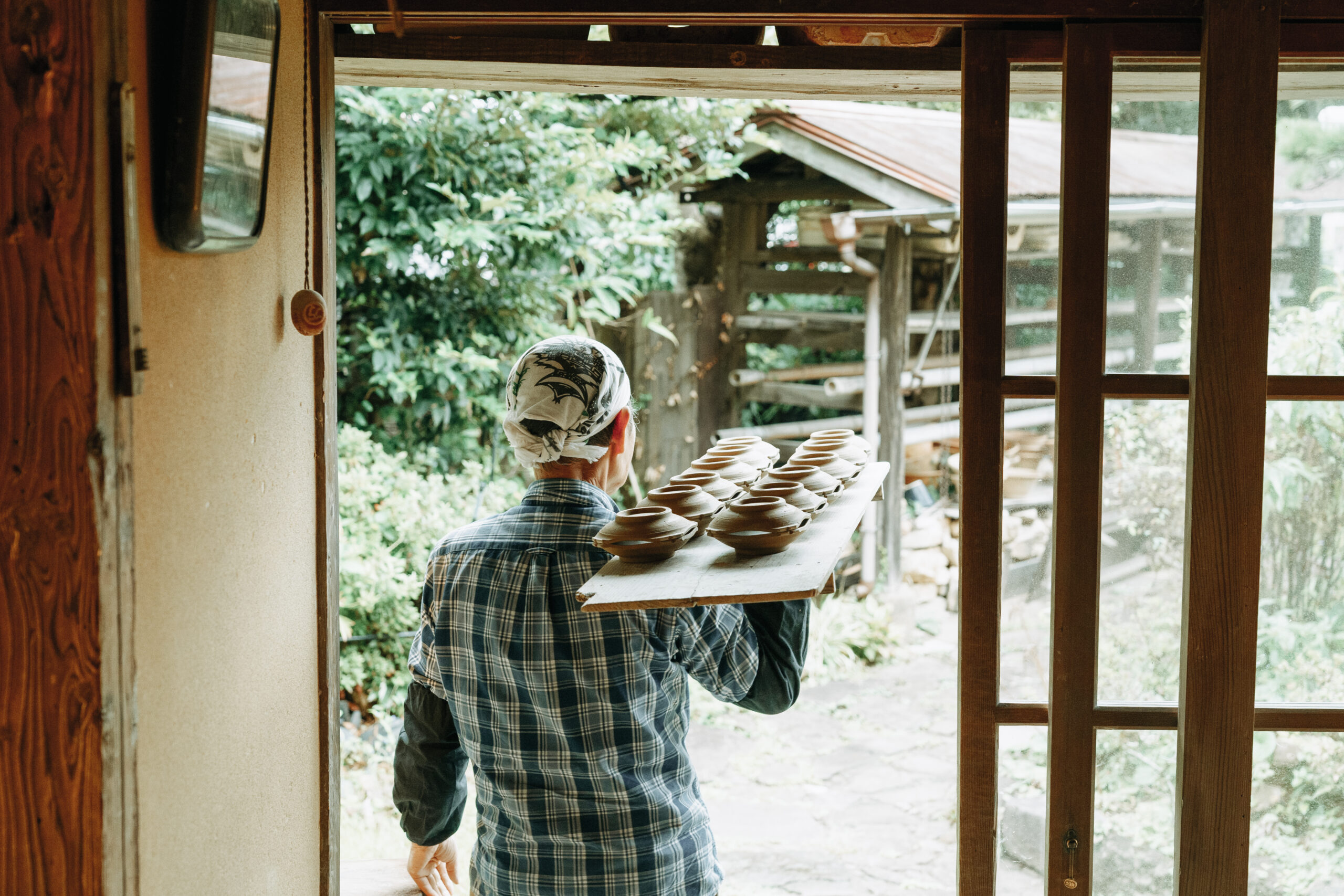
■ Magatama
One of the Three Sacred Treasures passed down for more than 2,600 years, the magatama has long been regarded as a sacred object in Shinto.
In Tamatsukuri, it remains a signature craft—made much as it was in the Yayoi period.
The area has long produced high‑quality agate, and artisans continue to shape and polish each piece by hand.
Over long stretches of time, the stone reveals its distinctive form and soft luster, as if the spirit of the land were quietly emerging through human hands.
When you visit Matsue, consider stopping by the local workshops.
The worn tools, moss‑covered equipment, and the steady posture of the artisans all speak to the years devoted to this craft.
A piece you encounter here may become something truly personal—an object with a story that stays with you.
ONSEN EXPERIENCES
TOURISM GUIDE
Pick Up
A Three‑Day Journey Through the Sacred Hot Springs of the Land of the Gods
Experience the essence of Matsue—its mythology, history, and quiet charm—on a relaxed three‑day trip.