

SANADA NINJA
Higashi Agatsuma Town
Nagano Prefecture, Ueda City
Home of Sanada Ninjas
Sanada ninjas have served as “Mitsumono”
(a group of ninjas organized by Takeda Shingen) since the reign of Takeda Shingen.
They focused on ninja training.
It has been said that there were over 1,000 ninjas in Shinshu (current Nagano Prefecture)
and Joshu (current Gunma Prefecture) back then.
After Takeda Shingen’s death, they served under the Sanada clan and played an active role.
With 52 Shugendo-related temples, Agatsuma (current Gunma Prefecture)
was a sacred land for those who practiced Shugendo.
Contrary to Iga and Koka ninjas who did not serve under anyone
and worked as a group of freelance soldiers,
ninjas of the Shinano (current Nagano Prefecture) and Kozuke (current Gunma Prefecture)
served under warlords.
ACCESS
Gunma Prefecture
About 4h 40m total
 Train
TrainAbout 2h 10m
 Shinkansen
About 2h 10m
Iwabitsu Castle
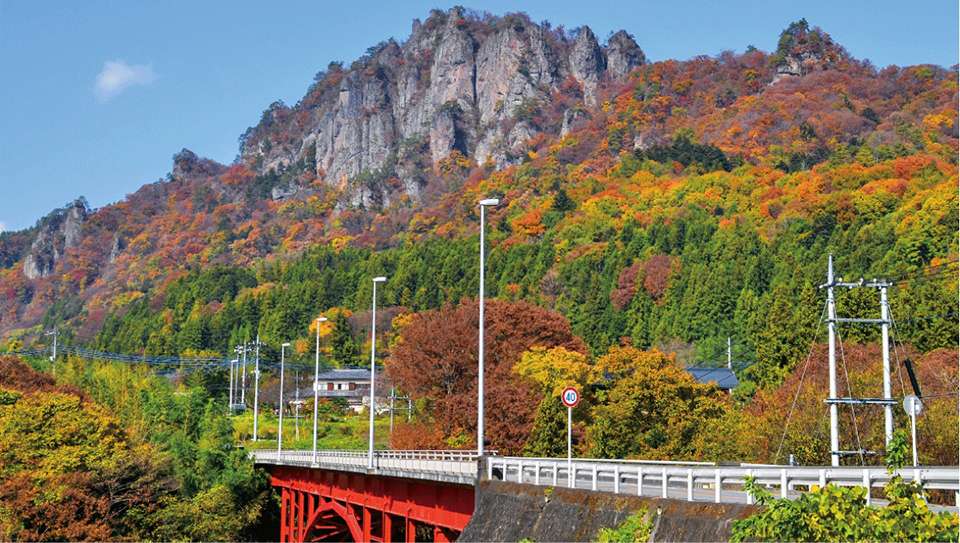
One of the three strong castles of Takeda during the Sengoku Warring States Period (from late 15th century to late 16th century), Iwabitsu Castle. It became widely known as the base for ninjas served under the Sanada clan. The castle is located halfway up Mt. Iwabitsu on the north bank of Agatsuma River. The Saito clan that followed Uesugi Kenshin and the Sanada clan that followed Takeda Shingen fought over the castle in the Sengoku Period. In the end, Sanada Nobuyuki took over the castle, but it was destroyed in 1614. Iwabitsu Castle Ruins is designated as a national heritage site.
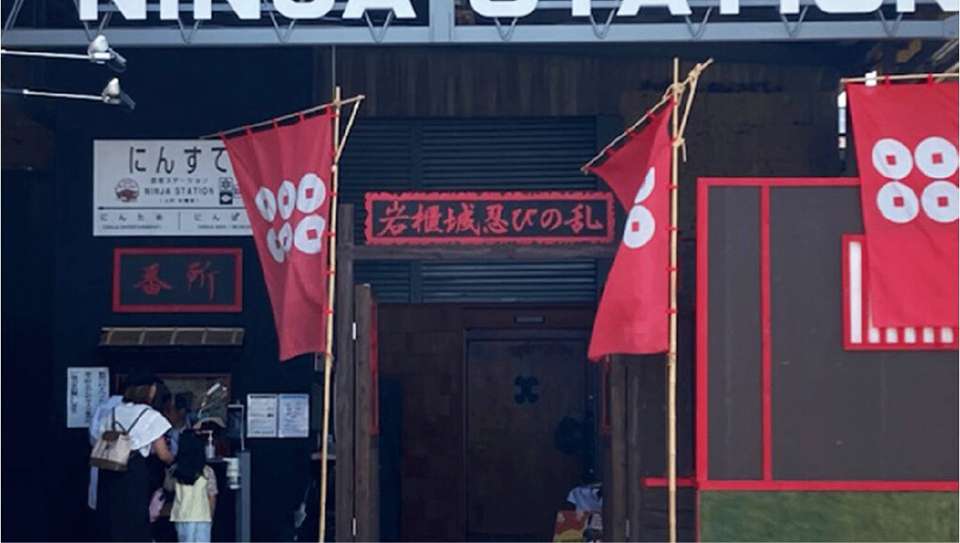
Agatsuma Sanada Ninja Museum
Ninpaku
It’s a museum with one of the largest numbers of permanent exhibits in Japan. Over 300 ninja tools and weapons are on display, including shuriken, kusari-gama, kusari-fundo, gimmicks, and concealed weapons. You can enjoy a variety of experiences, including shuriken throwing, projection mapping, VR games, and laser maze. As there are many items that you can actually touch, you get to feel the culture first-hand.
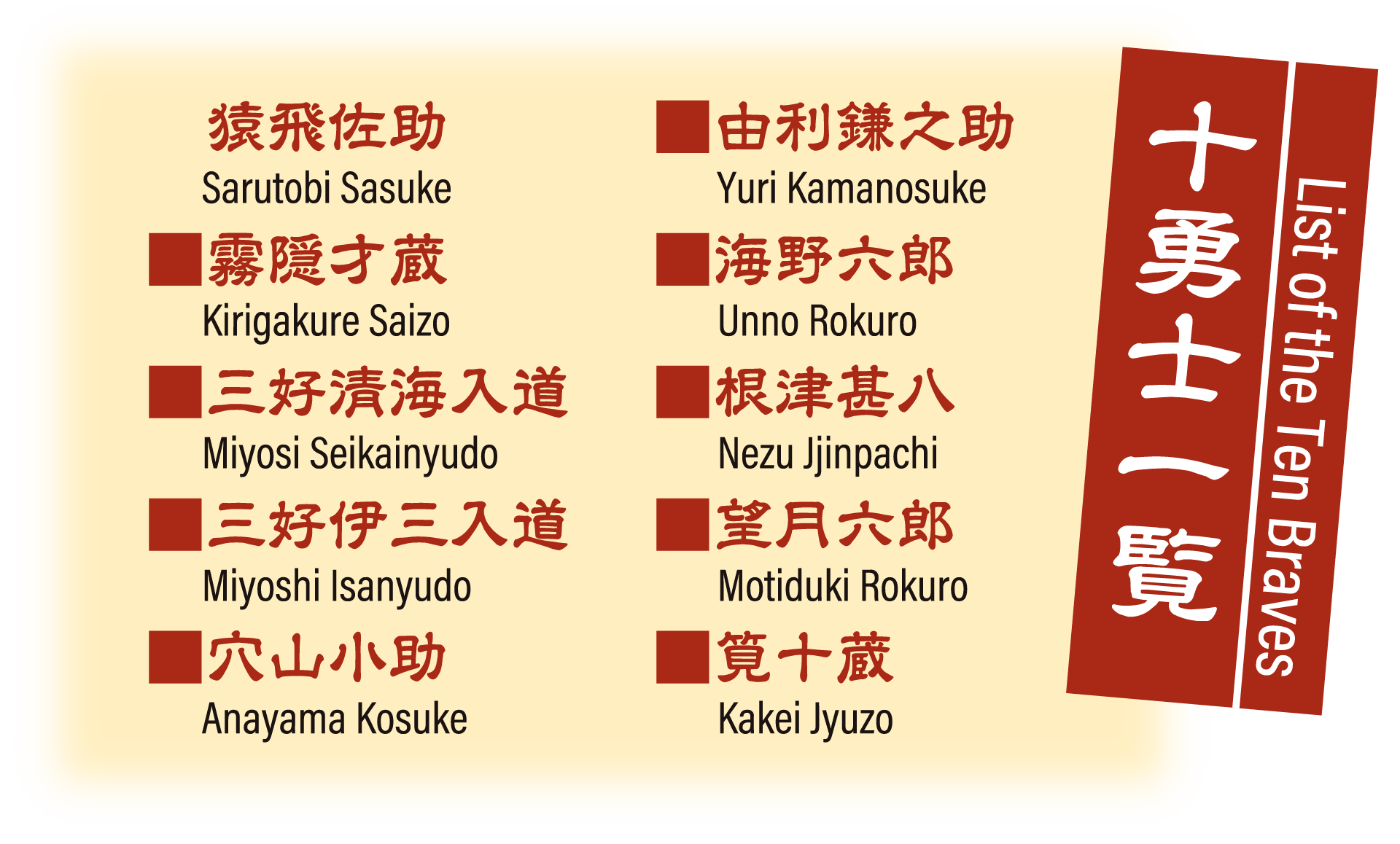
Sanada Ten Braves
Mid-Edo Period (around 1690-1780) war tales and picture books as well as Tachikawa Bunko paperback book series published in the Meiji (1868-1912) and Taisho (1912-1926) Eras became popular and stayed that way. “Sanada Ten Braves” is a collective term for the ten brave men who served under a feudal warlord Sanada Yukimura in the Azuchi-Momoyama period (1568-1600) and showed military prowess (Sarutobi Sasuke, Kirigakure Saizo, Miyoshi Seikai Nyudo, Miyoshi Isa Nyudo, Anayama Kosuke, Yuri Kamanosuke, Unno Rokuro, Nezu Jinpachi, Mochizuki Rokuro, and Kakei Juzo).
Well-known Sanada Ninjas

IDEURA MORIKIYO
He was a retainer of Sanada Masayuki and the leader of the Koshu Suppa (Mitsumono). There is an anecdote about going to infiltrate an enemy castle. Morikiyo is said to have snuck in first to confirm the accuracy of his subordinate’s report.

Karasawa Genba
The legend has it that he did Shugendo training in the vicinity of Nakanojo Town in Agatsuma, was skilled in “Tobi Roppo” (techniques to leap in six directions), and could jump up 1.8 meters, jump forward 3.6 meters, and jump down 12 meters without making a sound when he landed.

Yokoya Sakon
He was from Yokotani Village of the Kozuke Province (current Matsuya, Higashi-Agatsuma Town), a ninja based in Gangasawa Castle, which is located in the same place. He was an aide to the Sanada clan, and played an active role in the battle fought over the Iwabitsu Castle. It is said that Sarutobi Sasuke was modeled after him.

NEZU SHINPEI
Leader of the Ninja group serving two generations of Sanada lords, Yukitaka and Masayuki. The Nezu family is the head of Koyo-ryu Ninjutsu, and this school of Ninjutsu was said to later form Nezu-ryu Kunoichi, a female Ninja group.