

Sakai City
Explore Sakai City
The Sumo Ring in Sakai Admired by Wrestlers
A Historic Center of Amateur Sumo
Sakai’s connection to sumo stretches deep into Japan’s early history, with references appearing in the Nihon Shoki—Japan’s oldest official chronicle, compiled in 720 CE.
In the early Edo period (300–400 years ago), sumo events were held not only in Edo (present‑day Tokyo) and Osaka, but also in Sakai, marking the city as an important cultural hub of the samurai era.
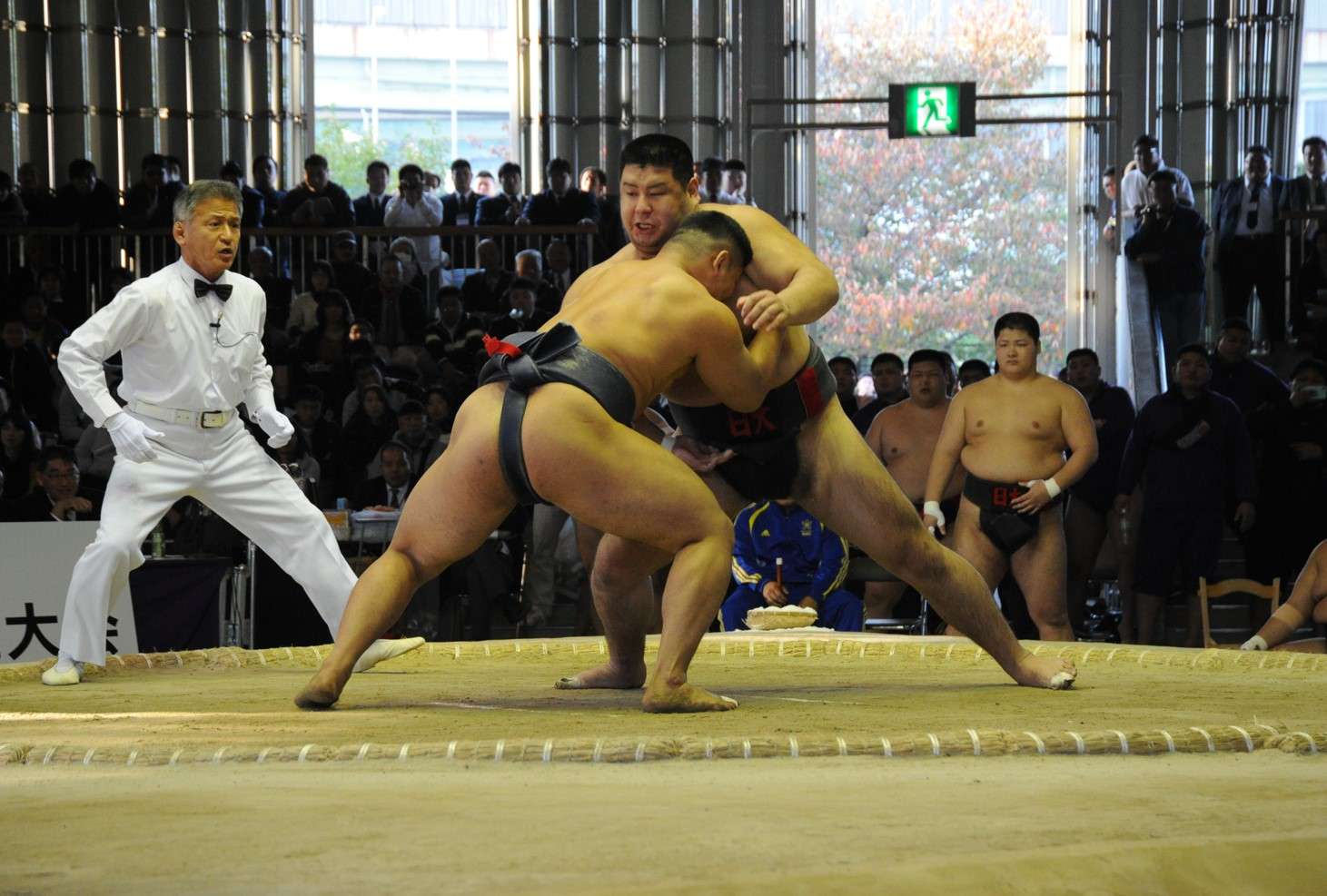
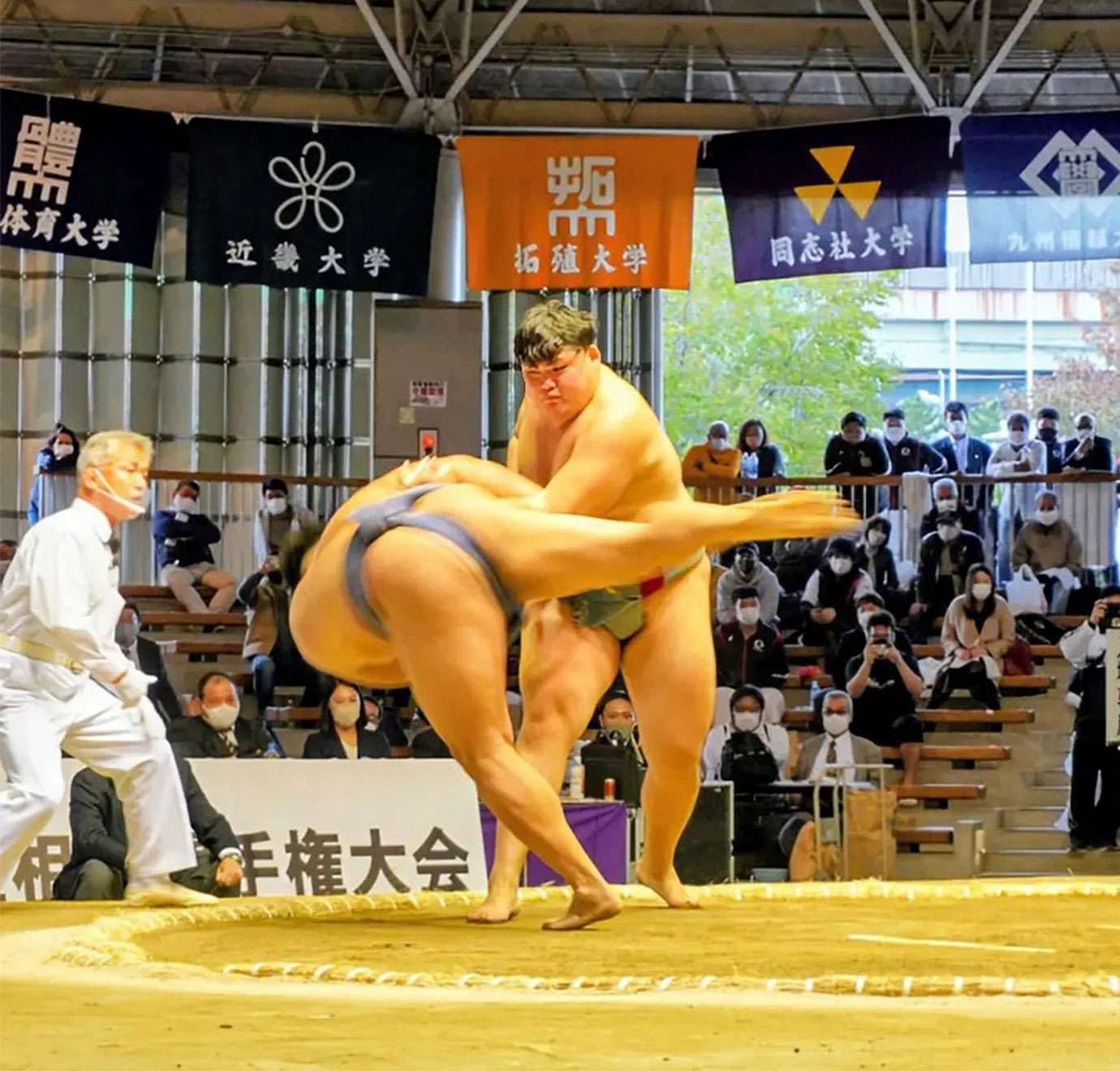
Since the first National Student Sumo Championship in 1919, the sumo arena at Ōhama Park (Ōhama Kōen) has been regarded as the premier home of amateur sumo in Japan—a place where aspiring wrestlers dream of competing.
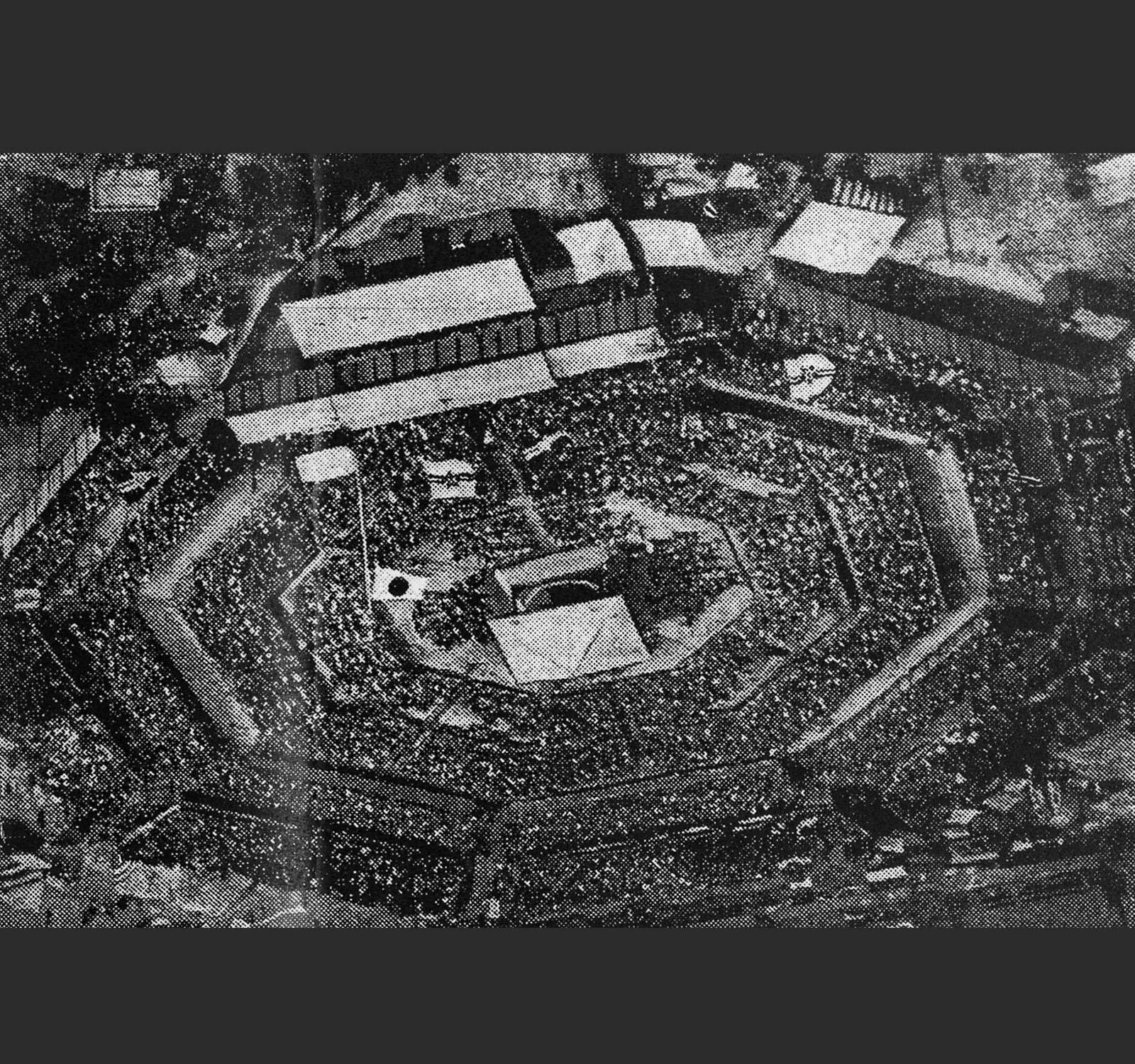
At the time, Ōhama Park was one of Kansai’s major leisure destinations, featuring a celebrated aquarium once praised as the “largest in the East,” along with a popular seawater bath.
Amid this lively atmosphere, the championship was born, quickly becoming the grand stage that young wrestlers across the country aimed to reach.
Many future Yokozuna—the highest rank in professional sumo, reserved only for wrestlers who demonstrate exceptional strength, dignity, and consistent excellence—once aspired to stand on this very ring. Countless top‑division wrestlers fought fierce battles here, pouring their youth and passion into every match.
The tournament champion, known as the Student Yokozuna, receives the Sakai Ōhama Commemorative Sword, crafted in Sakai.
For more than a century, this historic venue has been infused with the sweat, tears, and unwavering spirit of young athletes—making it a place where tradition, pride, and passion continue to endure.
History and Culture
Sakai’s Refined Spirit: The Art of Stillness and the Power of Motion
In Sakai, two traditions that appear to stand in contrast—the quiet discipline of tea ceremony and the explosive dynamism of sumo—have long shaped the city’s cultural identity.
The tea ceremony represents pure stillness: a practice where every unnecessary gesture is removed, and the mind sharpens through calm, deliberate movements.
Sumo, on the other hand, embodies pure motion: the culmination of intense daily training focused into a single decisive moment known as the tachiai, the initial clash where two wrestlers launch themselves at each other with full force.
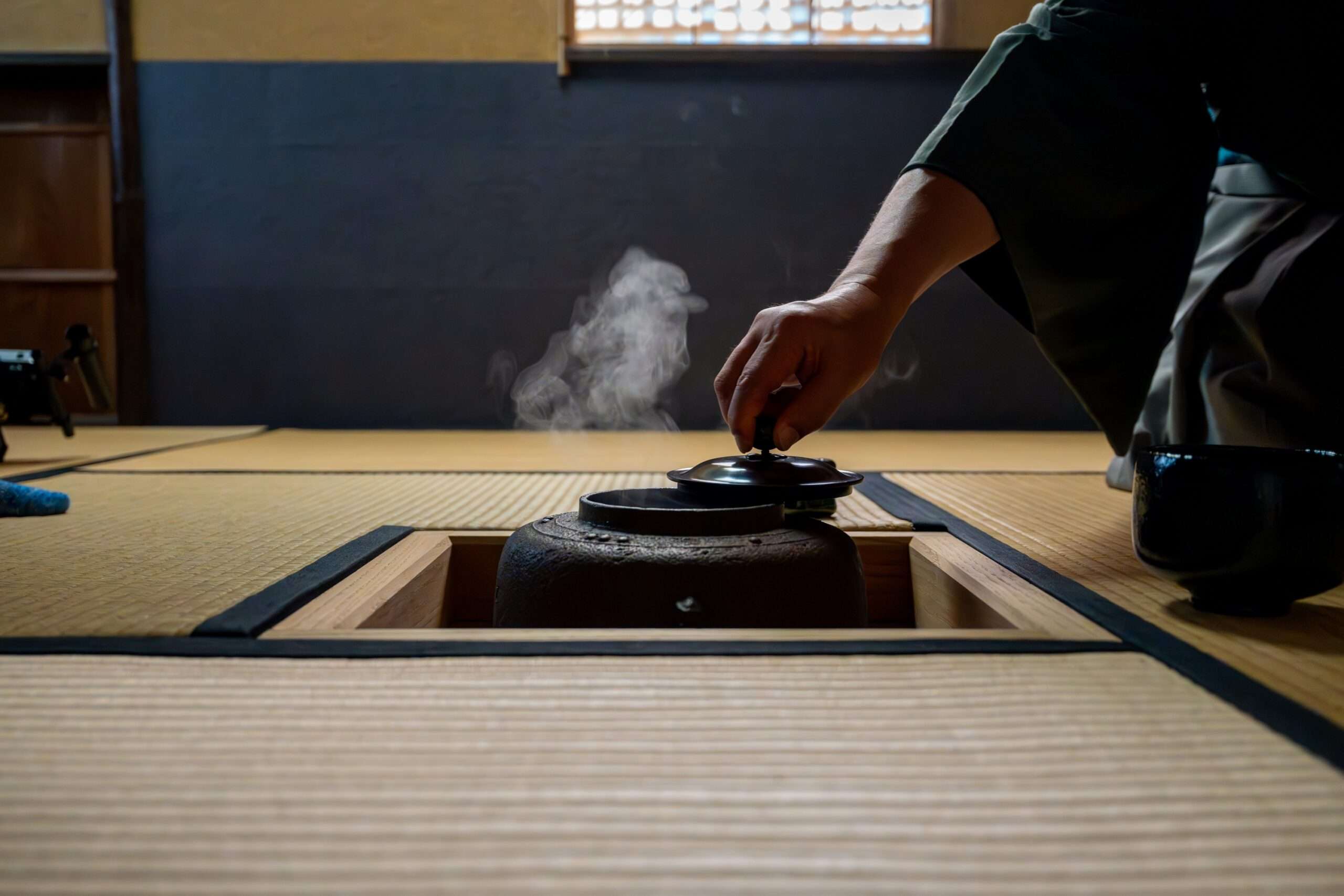
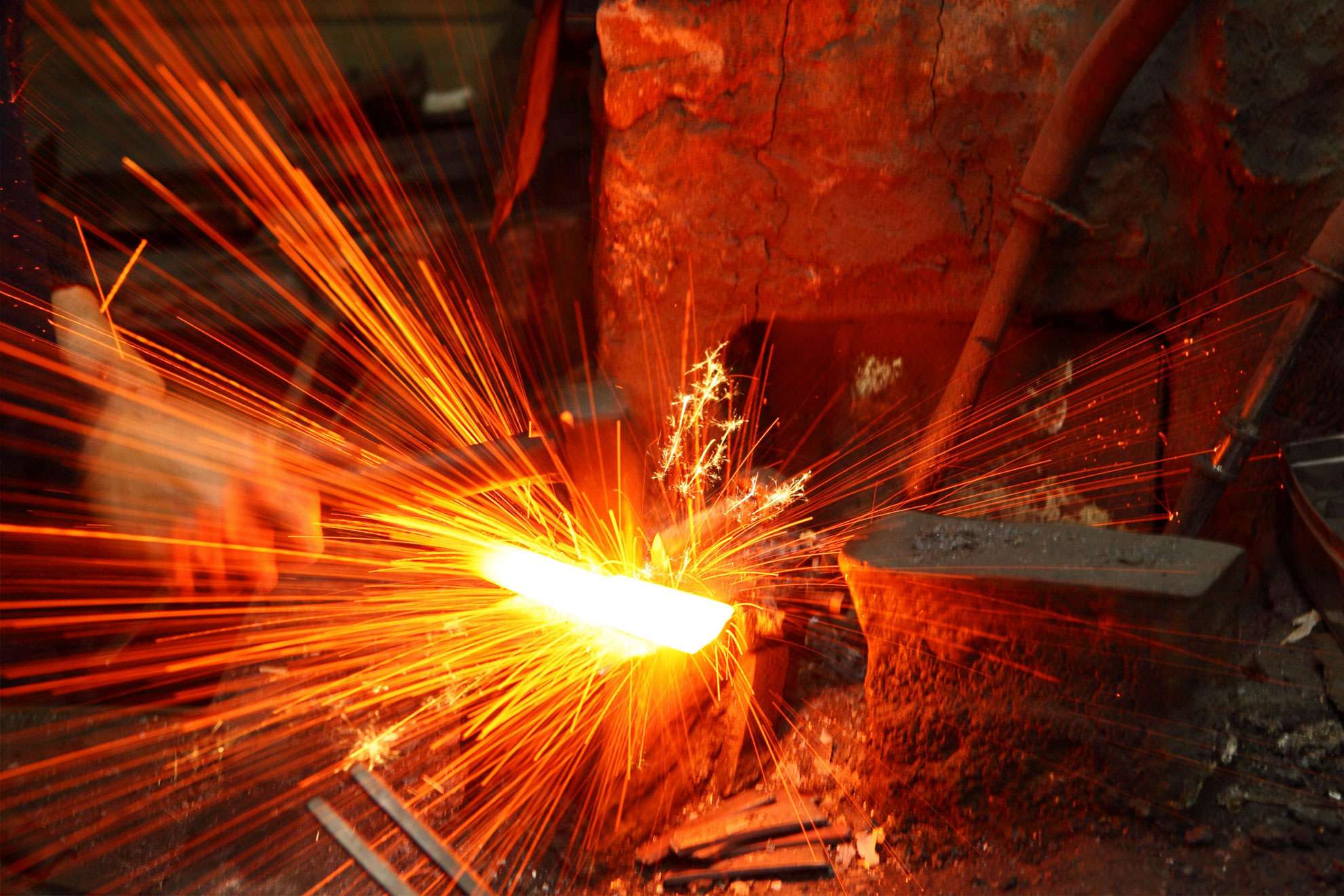
Despite their differences, both traditions share a common essence—the pursuit of absolute refinement in mind, skill, and body.
This spirit also lives within Sakai’s world‑renowned craftsmanship, especially its blades.
A master blade is created through both extremes: the motion of hammering red‑hot steel with power, and the stillness of sharpening the edge in complete silence.
Only through this balance does a truly exceptional piece emerge.
As you explore Sakai, you can feel this living duality—stillness and motion—through the serene presence of tea rooms, the workshops of blade‑smiths and polishers, and the historic sumo arena at Ōhama Park.
Here, Sakai’s refined spirit continues to flow, inviting you to experience its cultural heartbeat with all five senses.
ACCESS
Osaka Prefecture / Sakai City
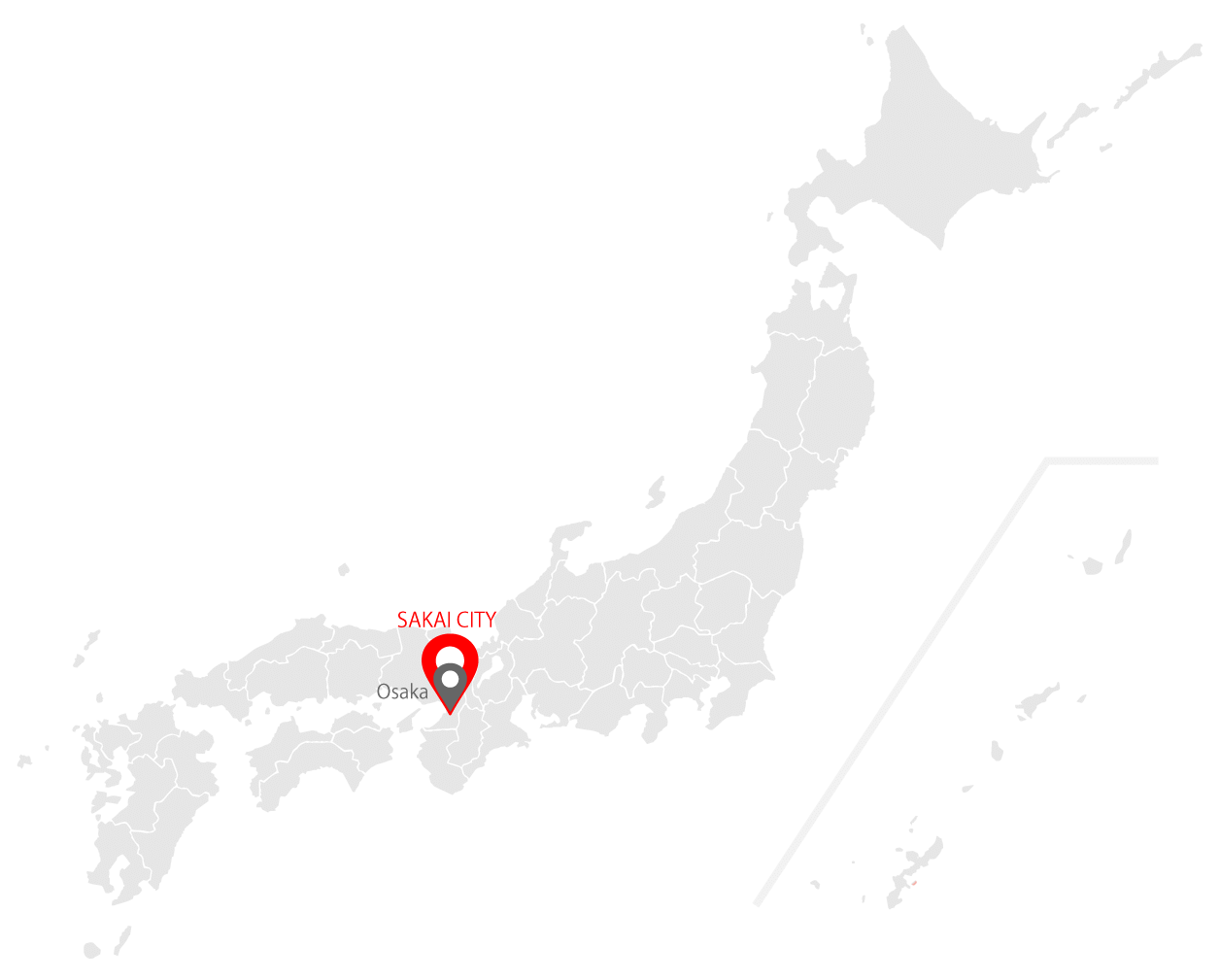
 Train
approx. 35min
Trainapprox. 30min
A Rare Chance to Stand on Sakai’s Legendary Sumo Ring with 100 Years of Tradition
Ōhama Park
Sumo Arena
At Ōhama Park Sumo Arena, you can step directly onto an authentic sumo ring—an experience normally reserved for professional wrestlers. This arena was once admired by young athletes who later became Yokozuna and top‑division wrestlers, making it a meaningful place to stand for anyone interested in the sport.
Here, you can physically enter the ring and try traditional sumo rituals such as salt‑throwing and shiko stomping, along with the formal movements that define the sport’s etiquette. It is a rare opportunity to feel the weight, texture, and presence of a real ring that has shaped generations of athletes.
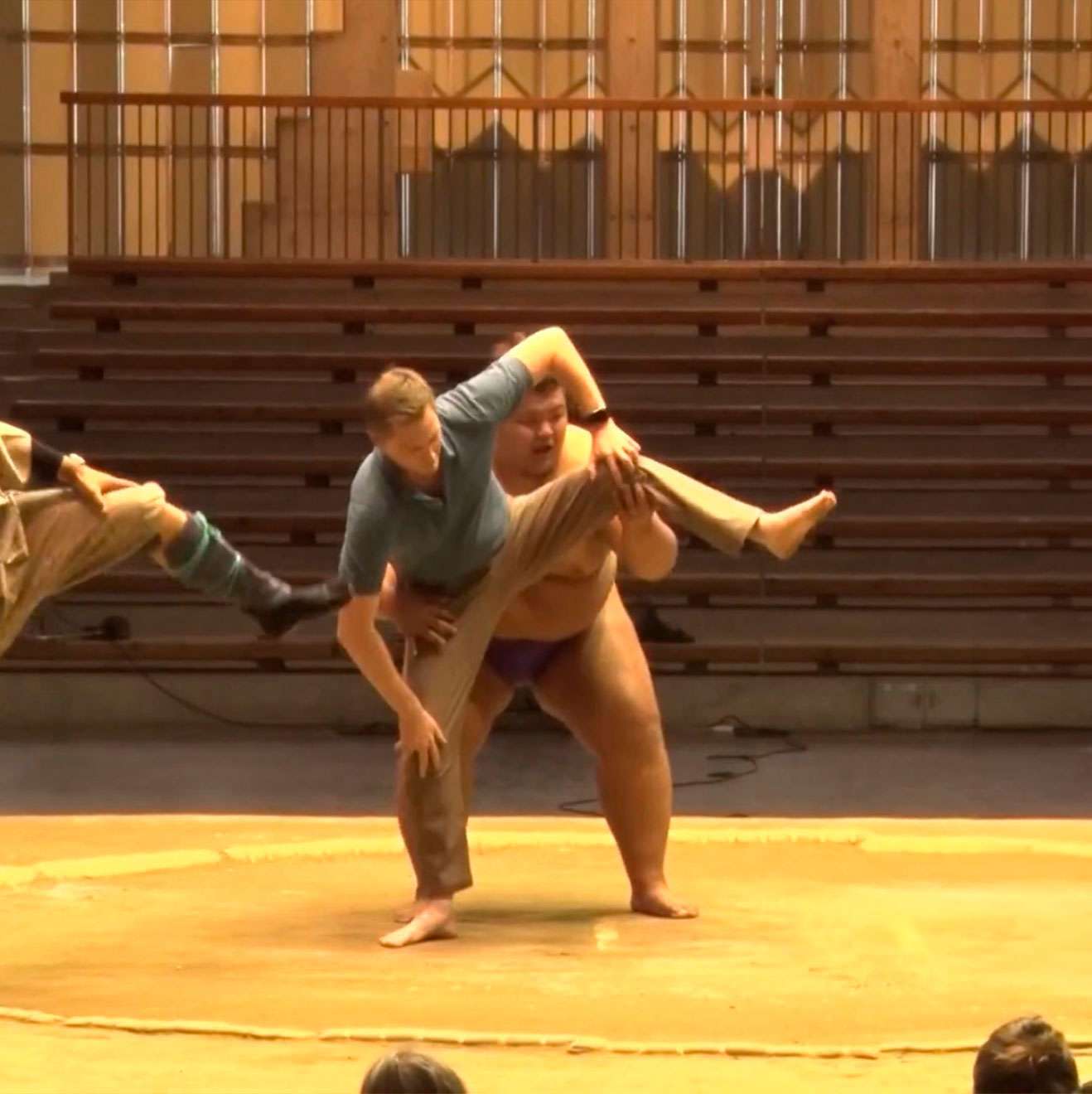
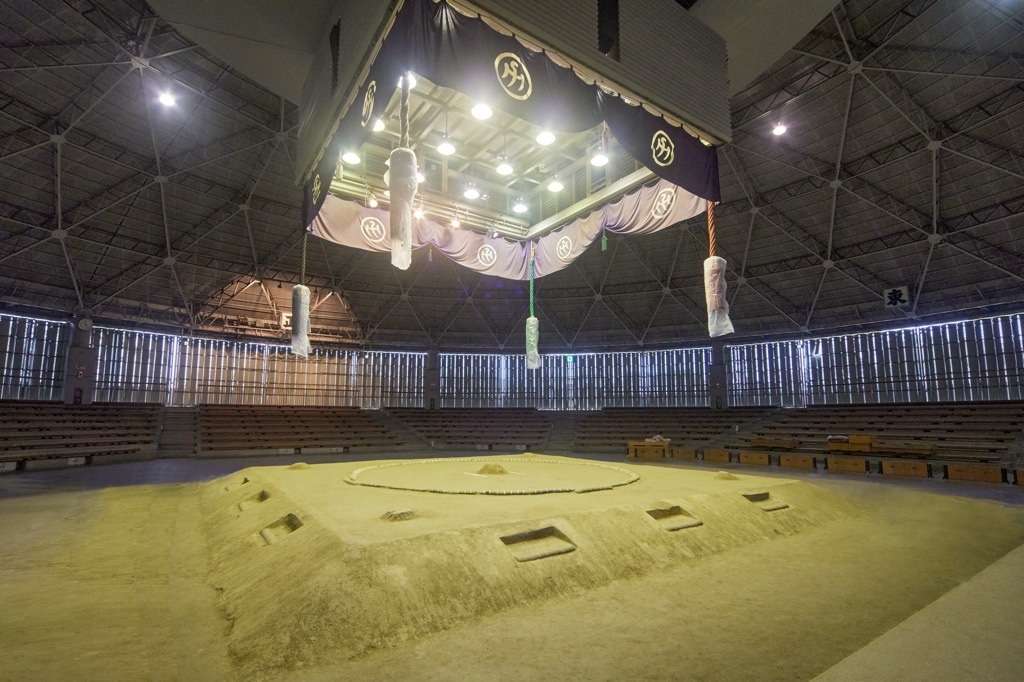
Ōhama Park was once part of a major leisure complex, home to an aquarium celebrated as the “largest in the East” and a popular seawater bath. Within this lively setting, young sumo wrestlers from across Japan have spent more than 100 years pouring their sweat, tears, and passion into this ring, making it a place where their spirit remains deeply embedded.
The arena still carries the memories of those athletes—their sweat, determination, and fierce passion. This is not just a place to observe history; it is a space where you can physically experience the depth and dignity of sumo culture.
Ōhama Park Sumo Arena remains one of Sakai’s most distinctive cultural experiences, offering visitors a chance to stand on a historic ring and feel the spirit of the sport with their own body.
A Hands‑On Encounter with Heat, Steel, and Master Craftsmanship
Sakai Blades
With a 600‑year history and the trust of professional chefs across Japan, Sakai blades represent the pinnacle of Japanese craftsmanship. Their quality comes from a highly specialized division of labor—blacksmithing, sharpening, and handle‑making—each performed by dedicated artisans who master a single discipline to perfection.
At Sakai Denshōkan, you can learn about these traditions through multilingual exhibits, detailed videos, and a curated shop showcasing exceptional blades crafted in Sakai.
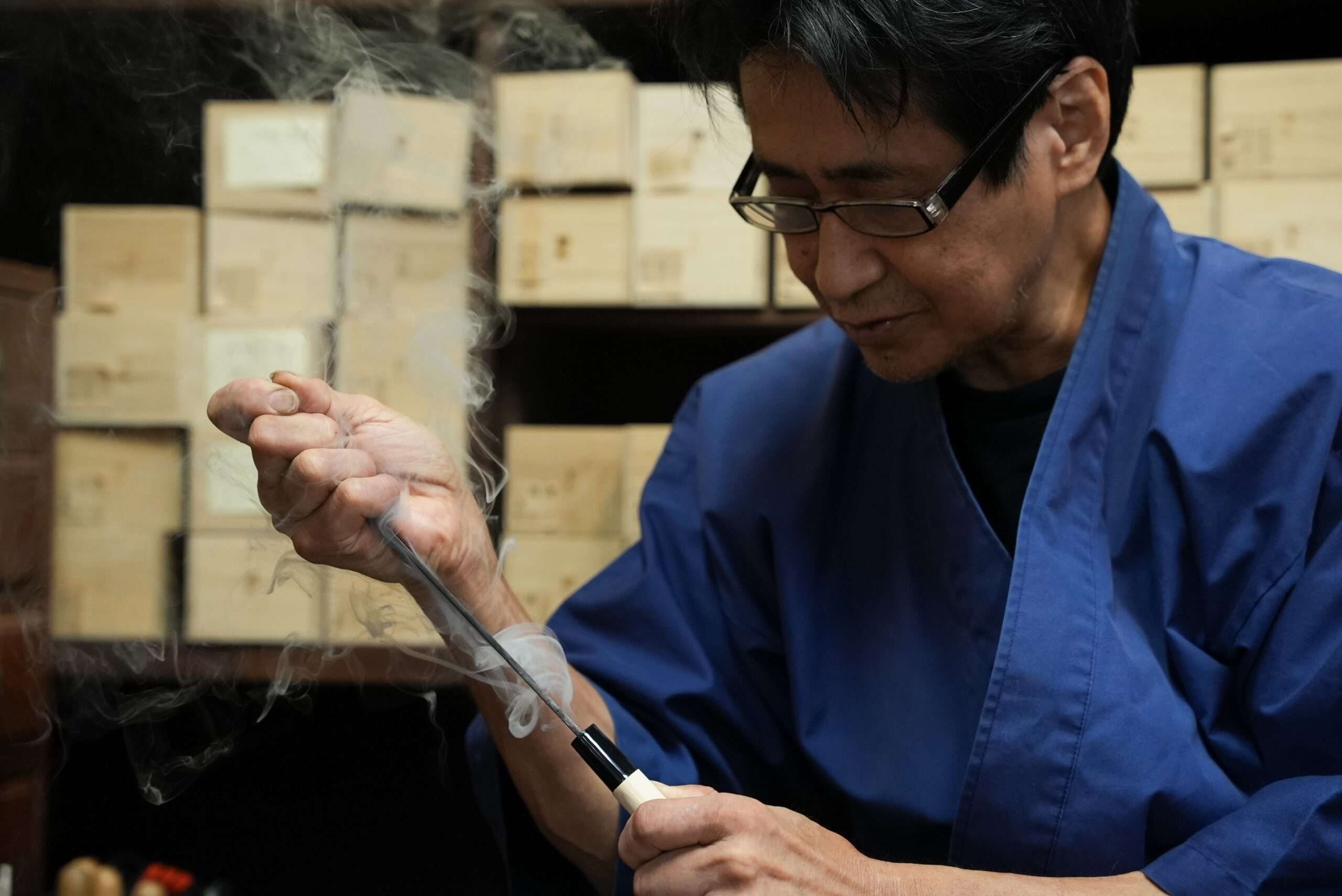
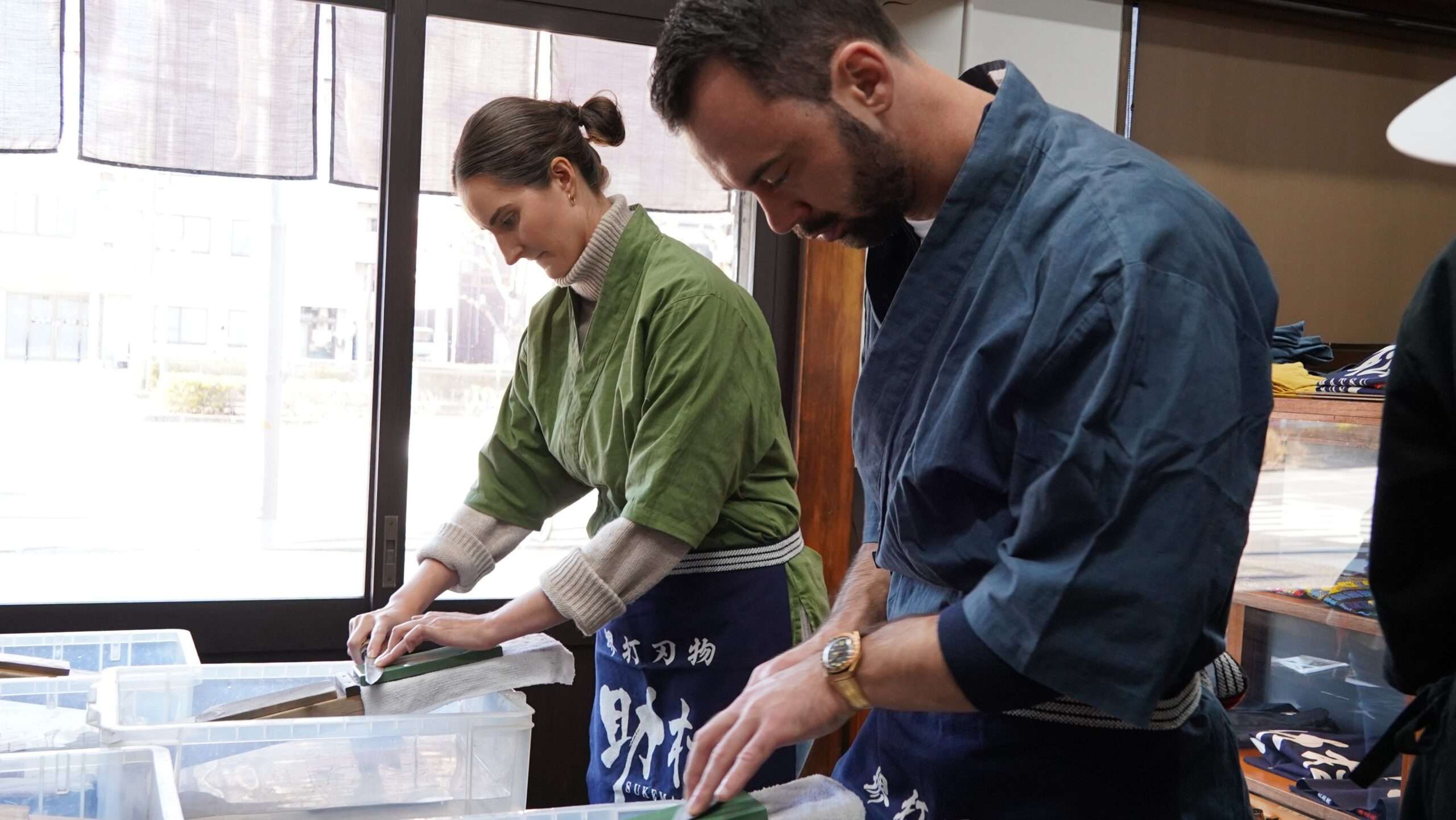
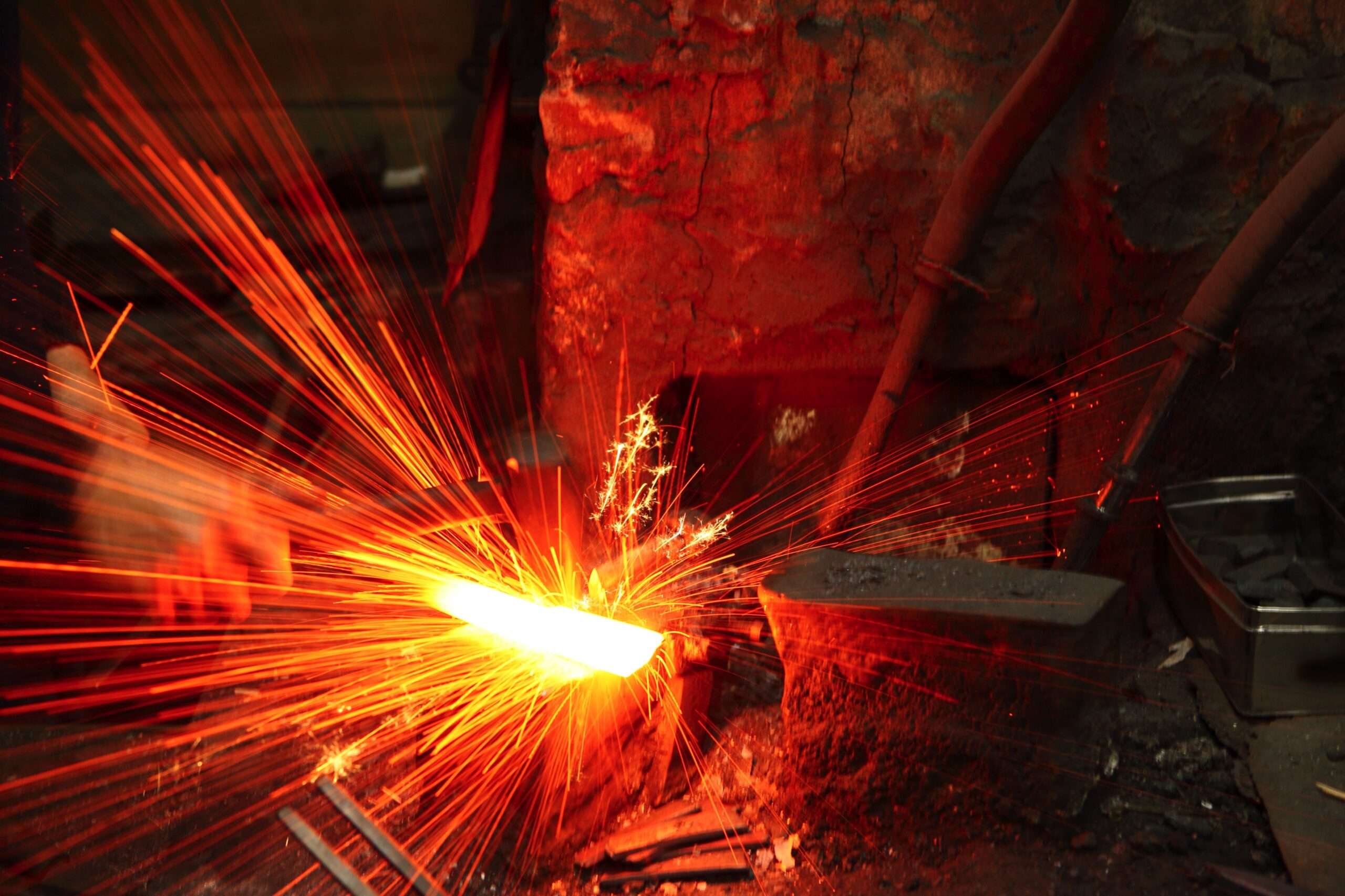
For an even deeper experience, you can visit local workshops to observe or try key processes such as forging, sharpening, and handle fitting. Standing just a few steps away from the heat of the furnace or the precise movements of a master sharpener offers a rare opportunity to feel the intensity, skill, and pride that define Sakai’s metalworking heritage.
This is more than a museum visit—it is a hands‑on journey into the spirit of Sakai’s craftsmanship, where you can directly sense the history, technique, and dedication that have shaped its world‑renowned blades.
Ancient Majesty Meets Modern Adventure — Explore a World Heritage Site from Ground and Sky
World Heritage & Ōsaka Sakai Balloon
Sakai offers a rare combination of deep history and cutting‑edge experiences.
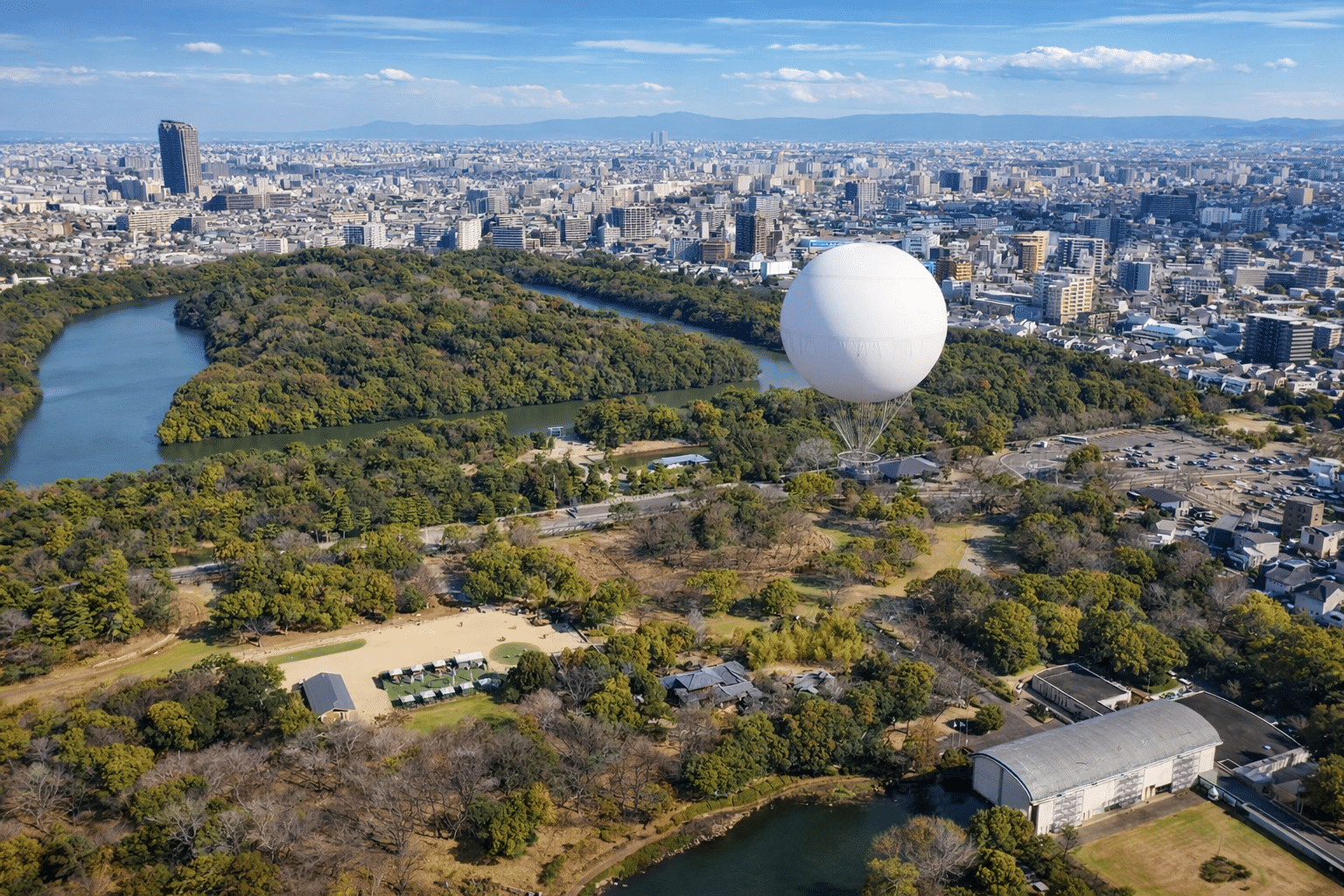
Here you’ll find the Nintoku‑tennō Kofun, one of the largest ancient tombs in the world and a designated UNESCO World Heritage Site, alongside the expansive greenery of Daisen Park.
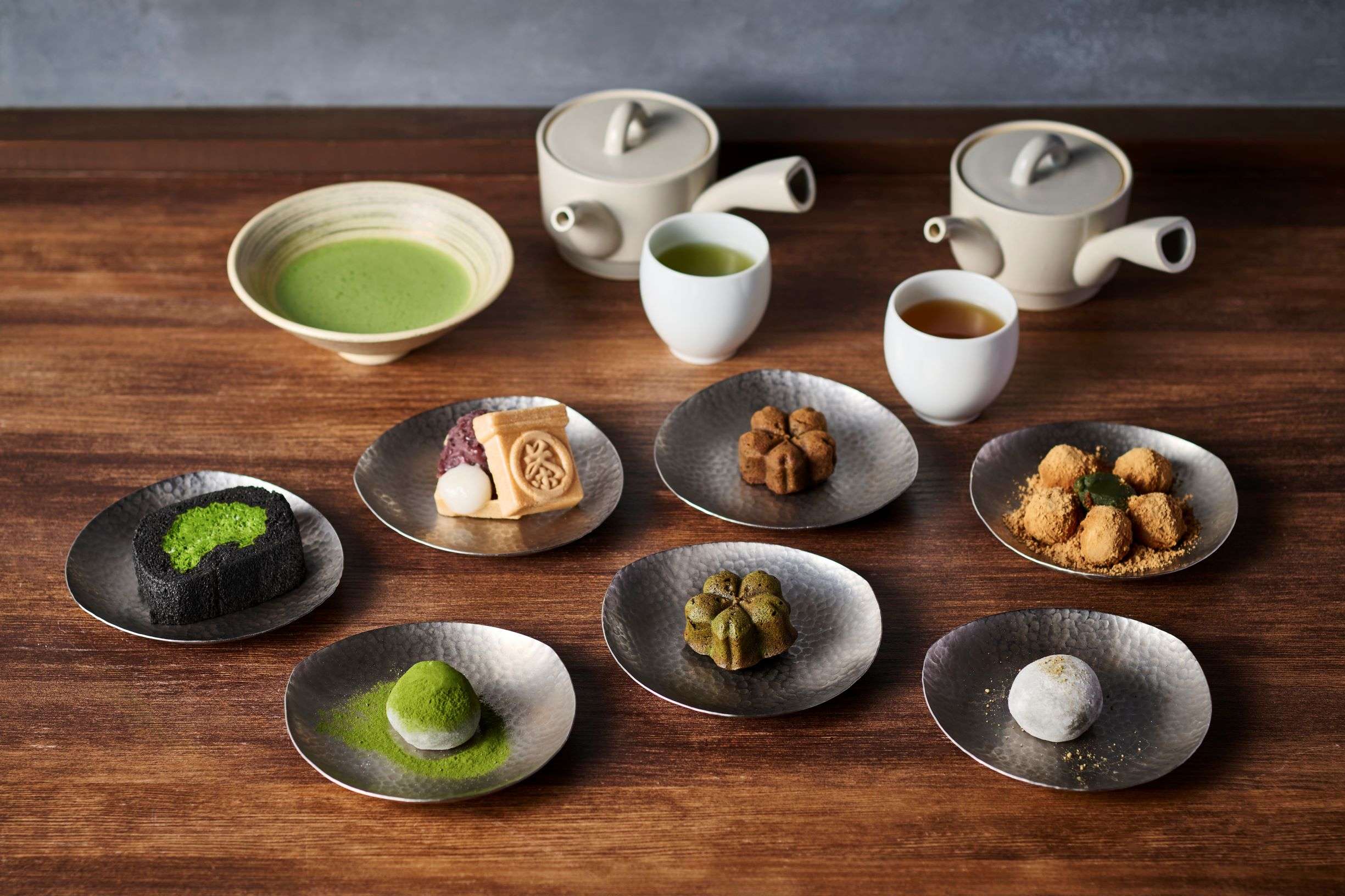
Within the park, the traditional Japanese garden provides a serene escape. Seasonal flowers, sculpted trees, reflective ponds, and gentle hills create a landscape that invites calm. Visitors can enjoy matcha and wagashi in a peaceful setting that captures the elegance of Japanese aesthetics.
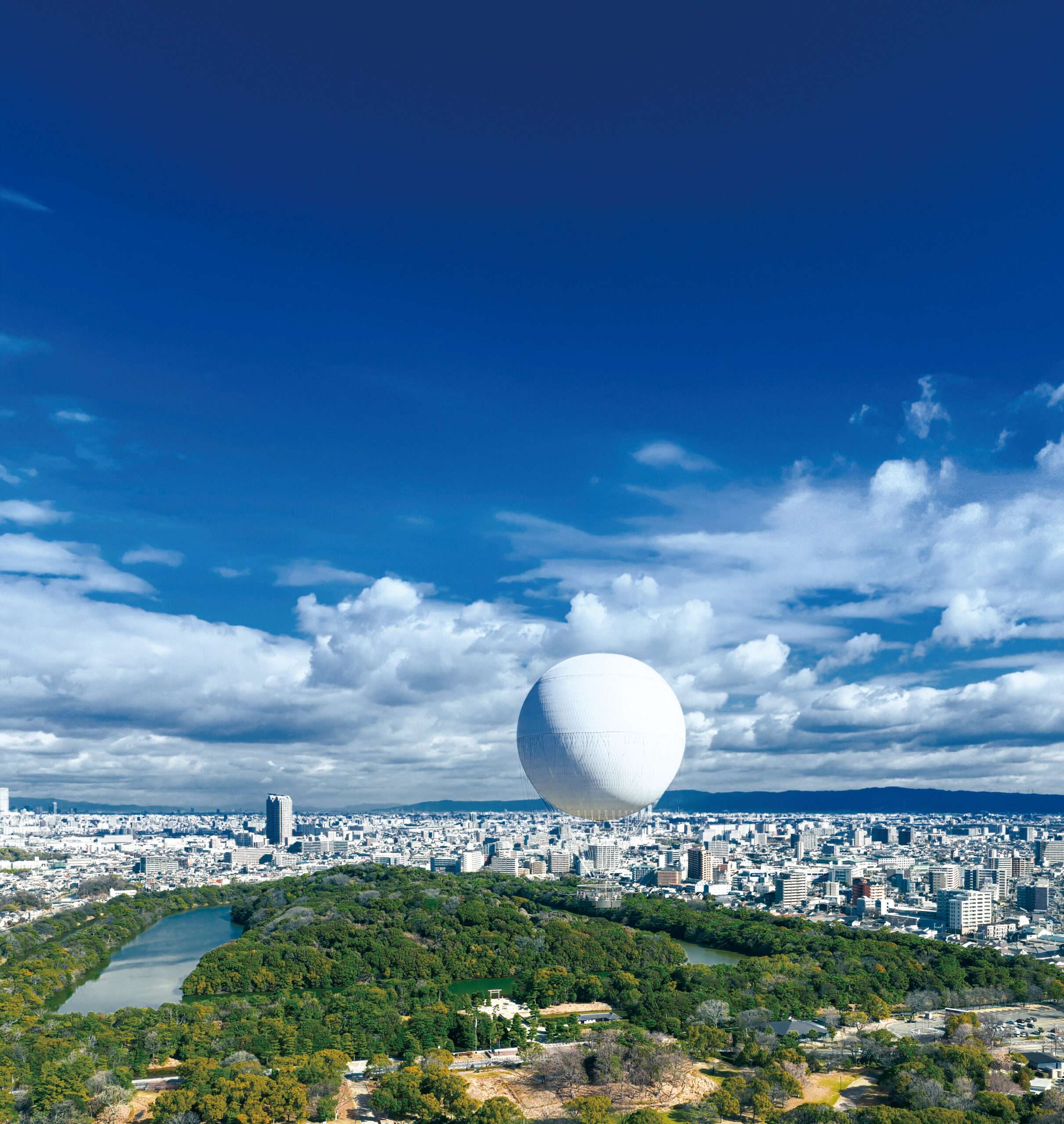
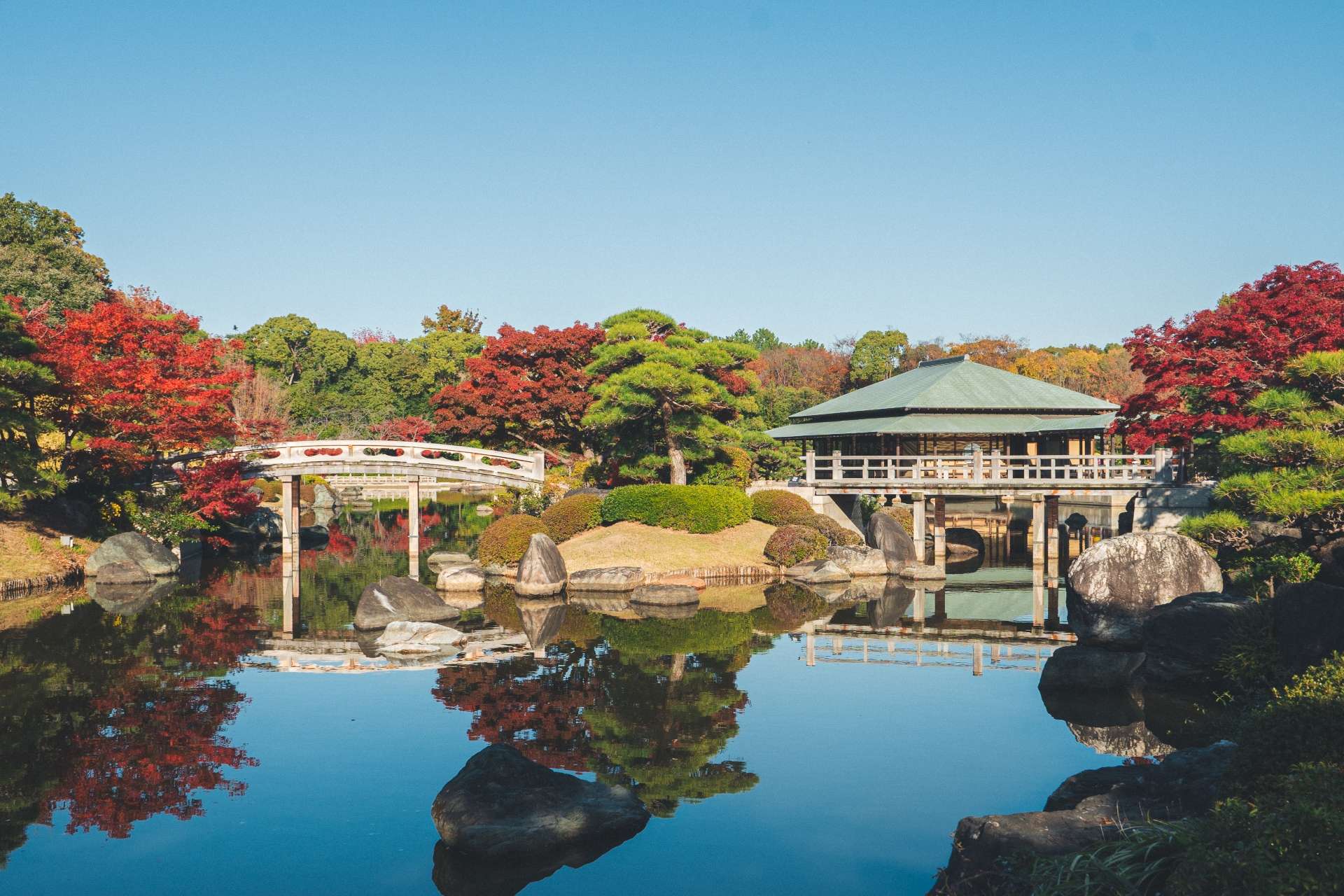
For a completely different perspective, board the Ōsaka Sakai Balloon, a helium‑lifted tethered balloon that rises above the city. From the sky, you can take in the overwhelming scale and striking keyhole shape of the kofun—an unforgettable panoramic view that reveals the full grandeur of this ancient monument.
Combining a tranquil ground‑level stroll with a dramatic aerial vantage point, this route offers one of Sakai’s most luxurious and distinctive cultural experiences. It’s a journey where ancient romance and modern innovation come together in a single, memorable visit.
SUMO EXPERIENCES
TOURISM GUIDE
Pick Up
A 3‑Day Journey Through Sumo Heritage and Traditional Craftsmanship in Sakai
Discover the essence of Sakai—a city shaped by more than a century of sumo history and generations of master artisans. This 3‑day itinerary introduces the best of Sakai’s cultural heritage, from historic arenas and living traditions to world‑renowned craftsmanship, offering a rich and immersive experience throughout your stay.