

Sakurai City
Explore Sakurai City
The Birthplace of Sumo: The Sacred Rings of Sakurai
Sumo Jinja, Daihyozu Jinja, and Junihashira Jinja preserve the legends of Japan’s earliest sumo.
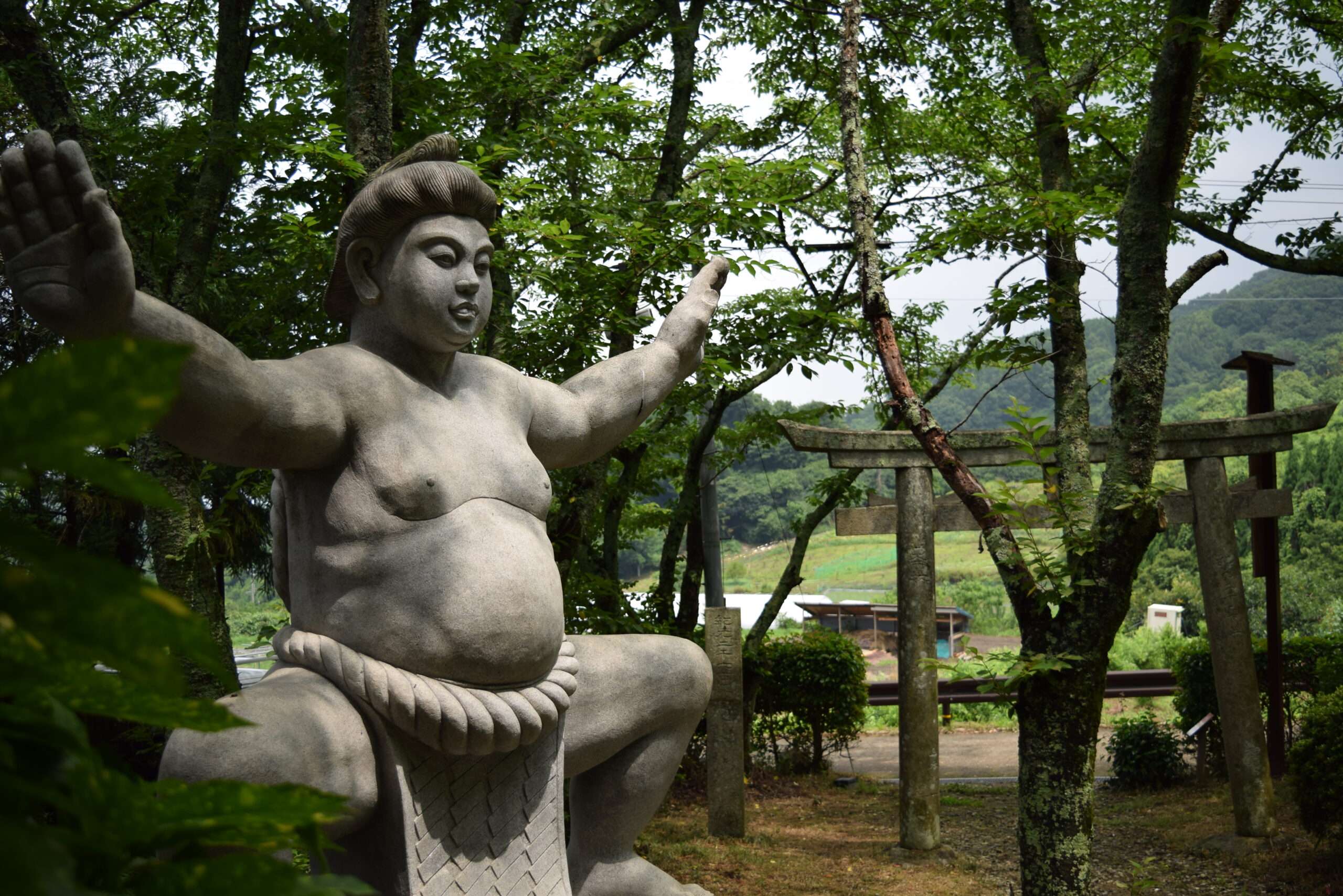
In front of Emperor Suinin, the first imperial sumo bout in history—an intense life‑or‑death match between Nomi no Sukune and Taima no Kehaya—took place here, establishing Sakurai as the “birthplace of sumo.”
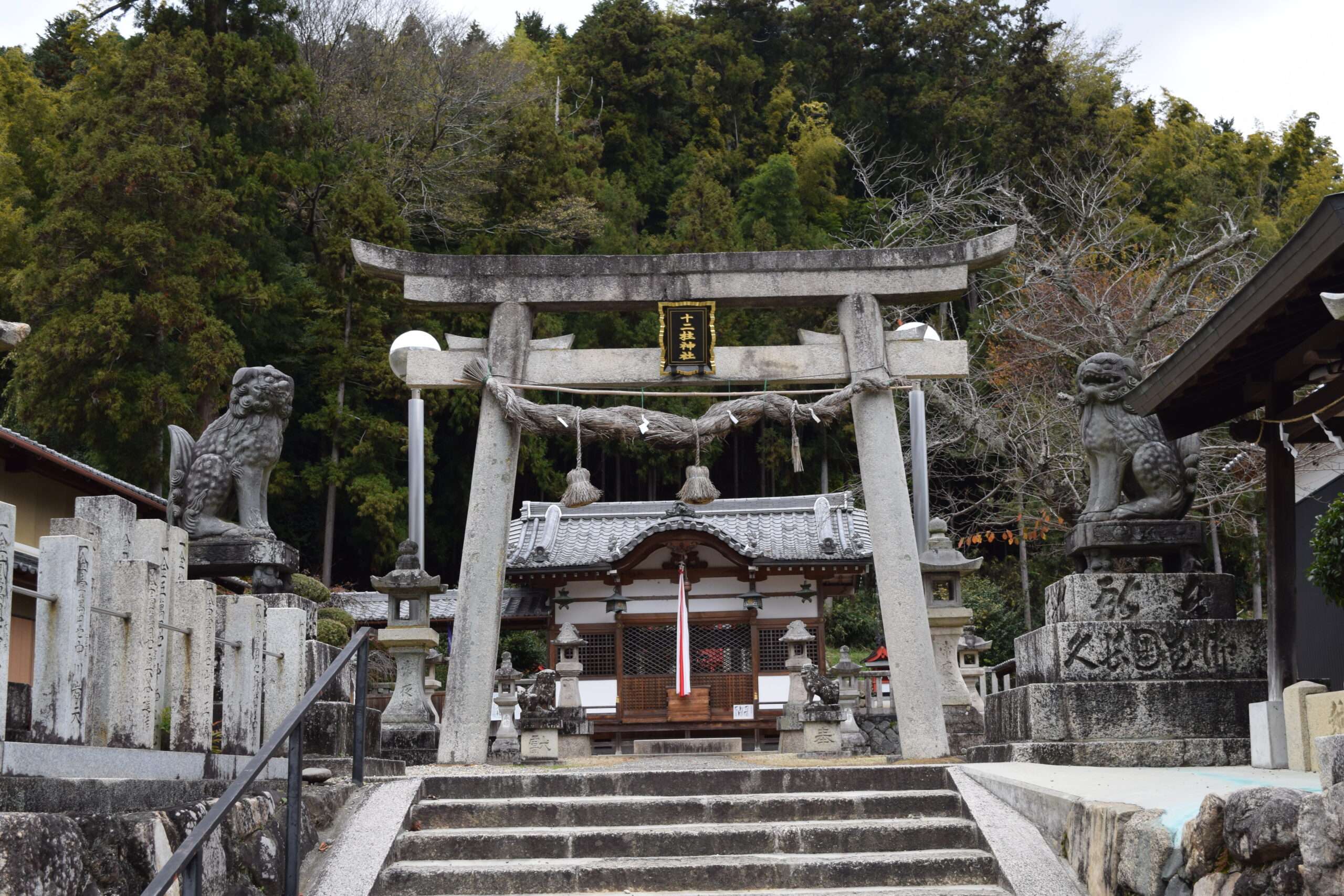
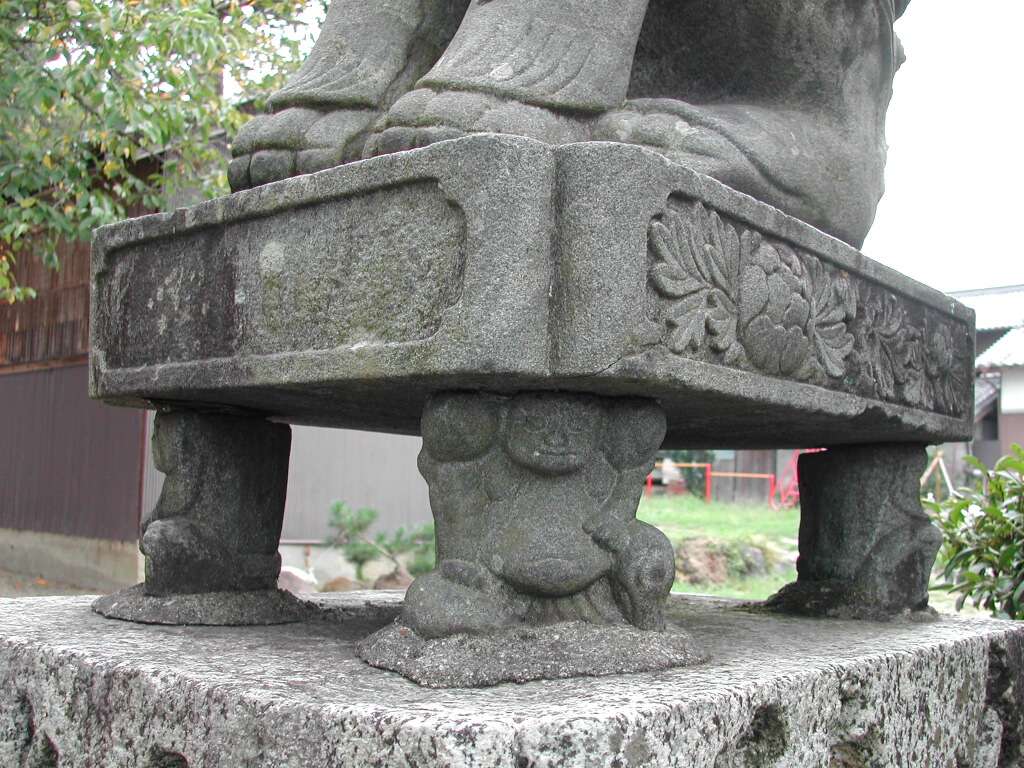
At Sumo Jinja, the site of the decisive match, and at Daihyozu Jinja, its main shrine known for preserving ancient martial traditions, the origins of Japan’s national sport remain deeply rooted. Junihashira Jinja, associated with Nomi no Sukune, features distinctive guardian dogs supporting the pedestal and monuments honoring his legacy.
Across two millennia, rituals and traditions have been passed down without interruption. Sakurai is a sacred place where mythology and history intersect, carrying the quiet yet profound spirit of sumo’s beginnings.
History and Culture
The Spirit of Sakurai, Where the Origins of the Nation Endure
Centered around Ōmiwa Jinja, Japan’s oldest shrine dedicated to the deity of nation‑building, Sakurai is a place where many of Japan’s cultural origins converge. From theories of the ancient Yamataikoku, the arrival of Buddhism, and the birthplace of performing arts at Tsuchibutai, to sumo, and even the earliest traditions of sake brewing marked by the first toji and the iconic sugidama, Sakurai holds the roots of Japan’s cultural identity.
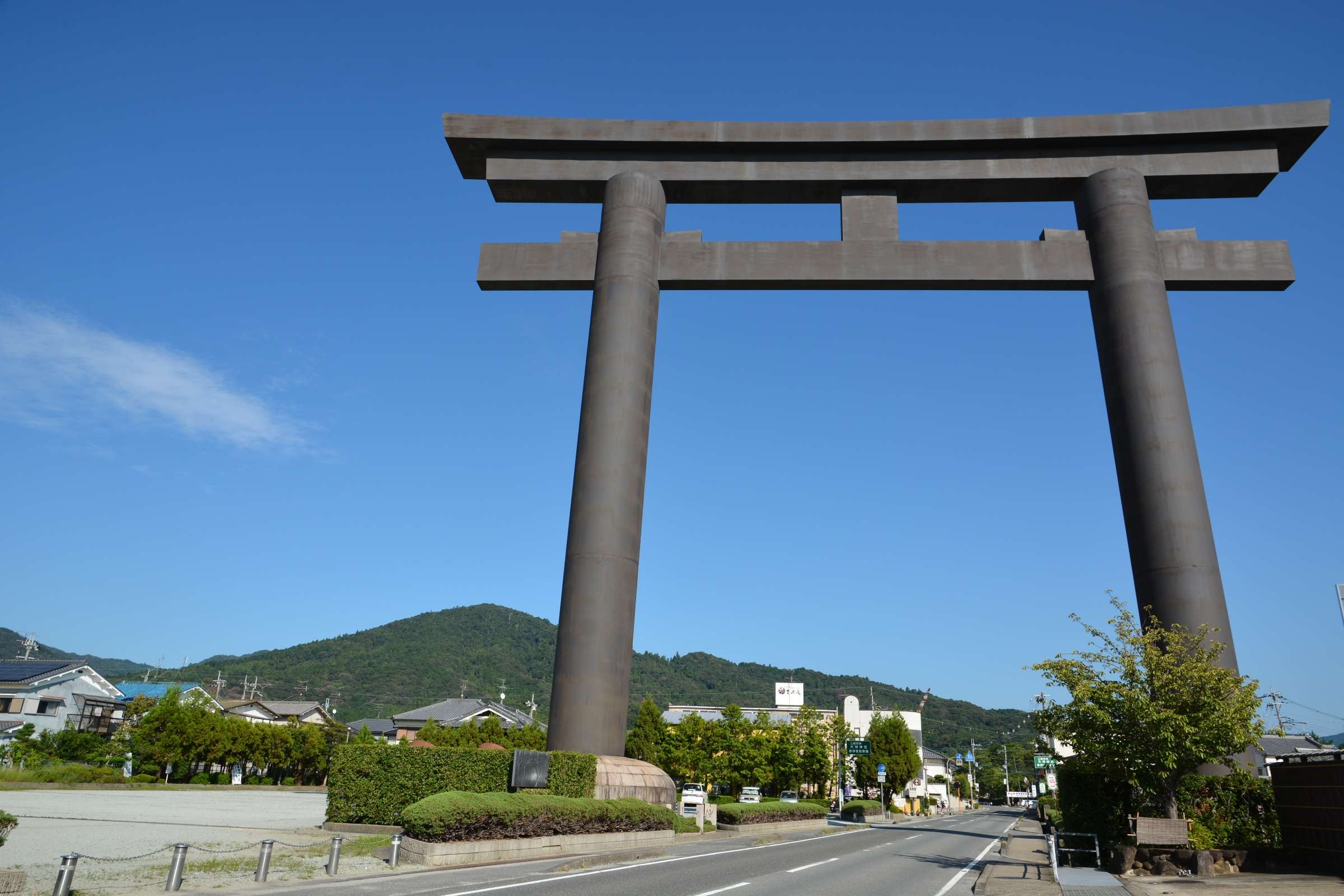
As you visit the monuments quietly standing across the area and walk through the serene atmosphere of Miwa, you can feel the enduring presence of traditions that once spread from this region throughout the country.
Across two millennia, Sakurai offers a rare experience—one where you can connect with the very origins of the nation.
ACCESS
Nara Prefecture / Sakurai City
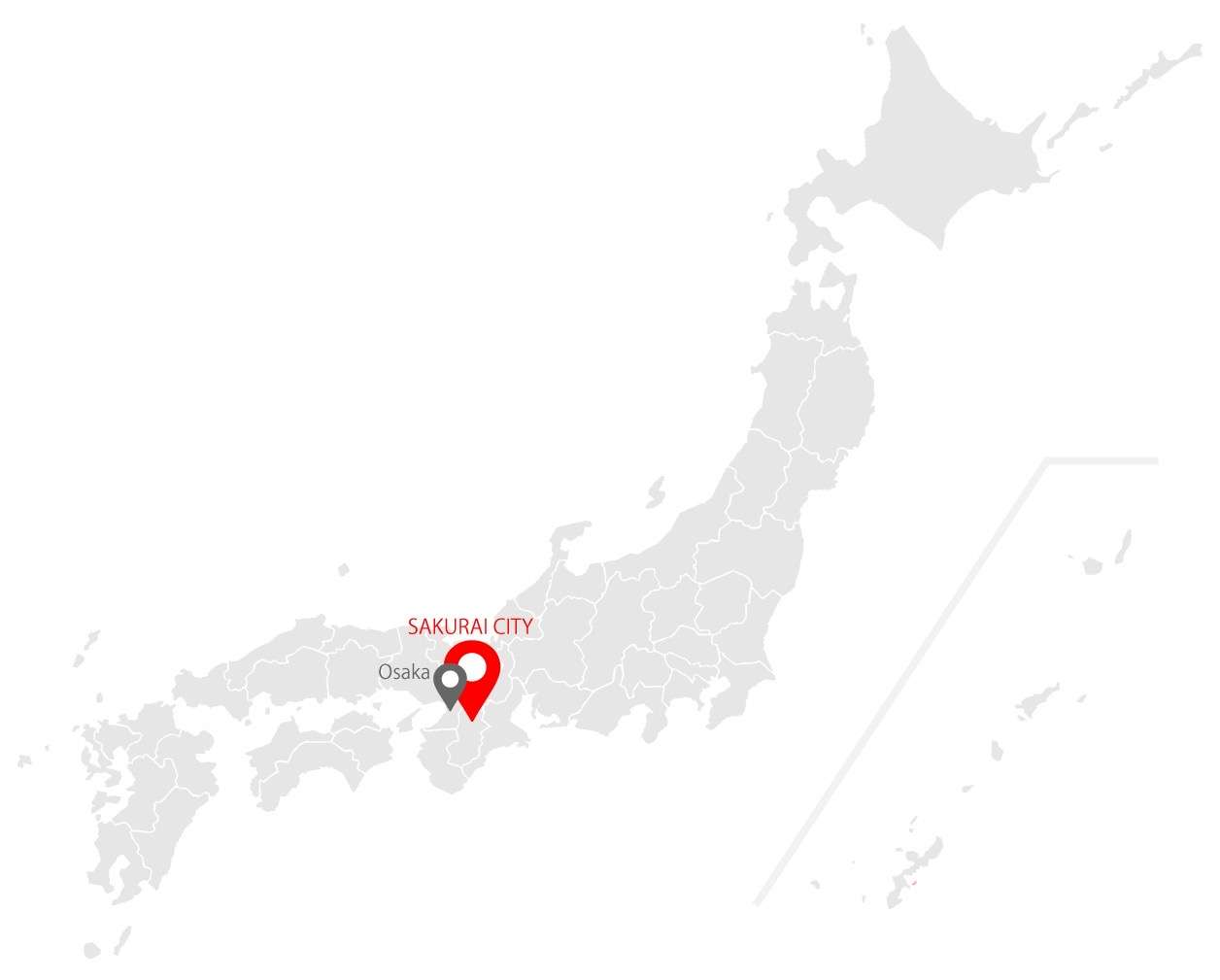
 JR Yamatoji Rapid Service
approx. 55min
JR Man-yo Mahoroba Lineapprox. 30min
The Sacred Origin of Sumo in Sakurai
“Sumo Jinja”
and “Junihashira Jinja”
Japan’s first imperial sumo bout was held at Sumo Jinja, where the national sport took its earliest form, and at Junihashira Jinja, associated with Nomi no Sukune, the legendary founder of sumo. Here, Nomi no Sukune and Taima no Kehaya faced each other in a life‑or‑death contest before Emperor Suinin, marking the beginning of sumo’s long history.
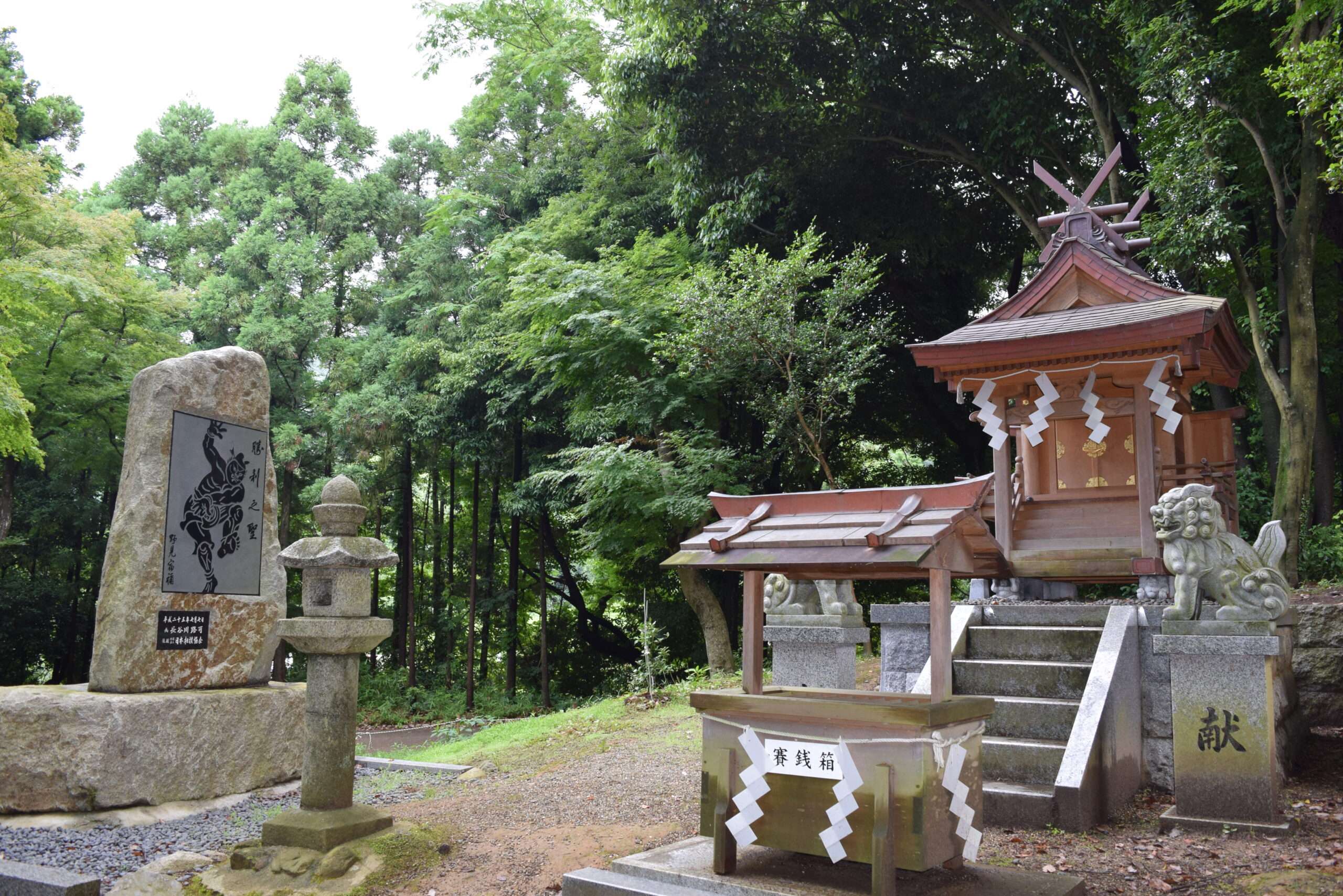
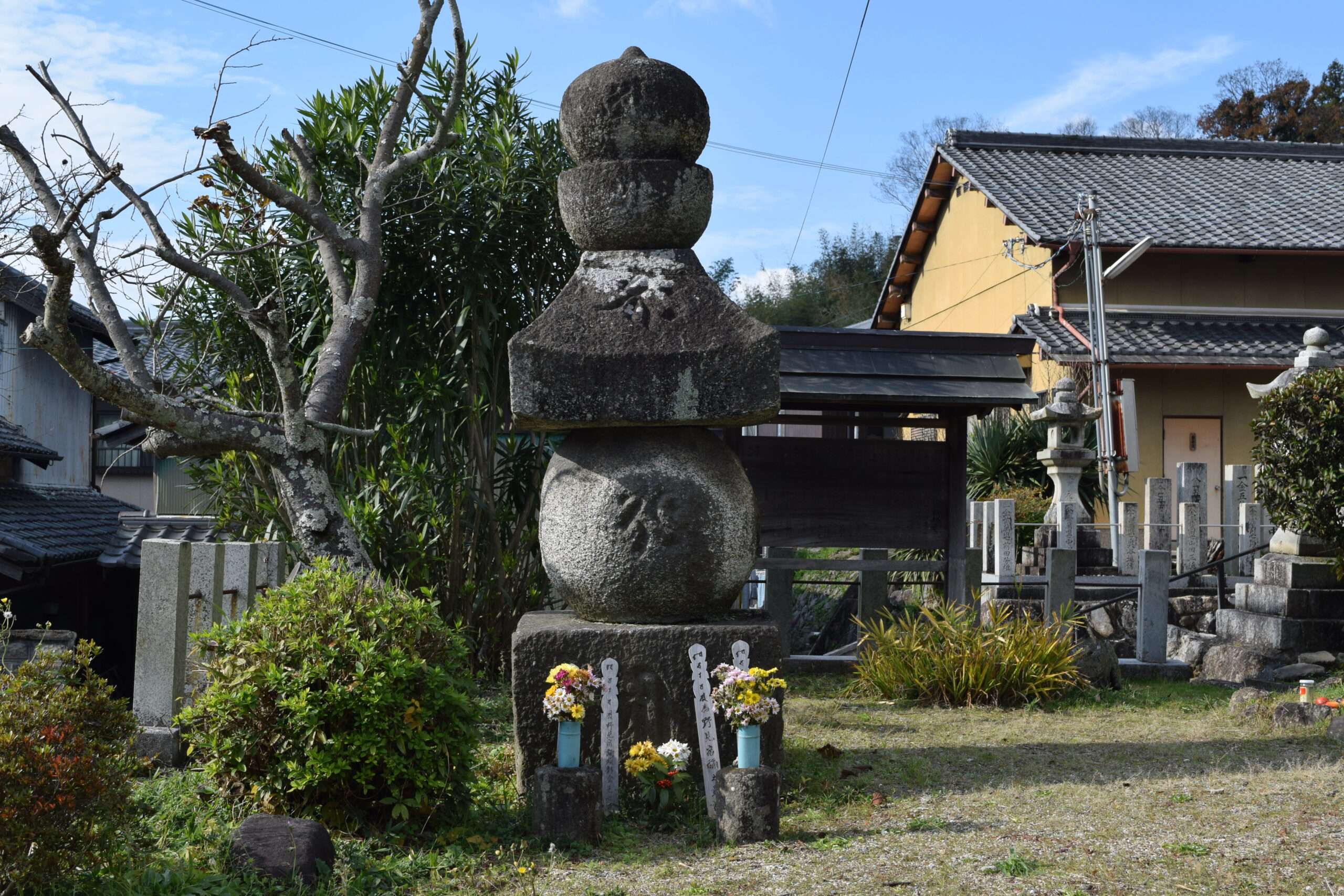
At Junihashira Jinja, believed to stand on the former residence of Nomi no Sukune, a 2.8‑meter gorintō monument honors his achievements. The shrine also features distinctive “rikishi‑komainu,” guardian dogs depicted bracing their legs against the pedestal like wrestlers. The quiet, weighty atmosphere of this sacred place reflects the deep roots of sumo culture that have been passed down since ancient times.
Sakurai, the Land Where Japan’s Origins Endure
“Kasayama Kōjin”
and “Ōmiwa Jinja”
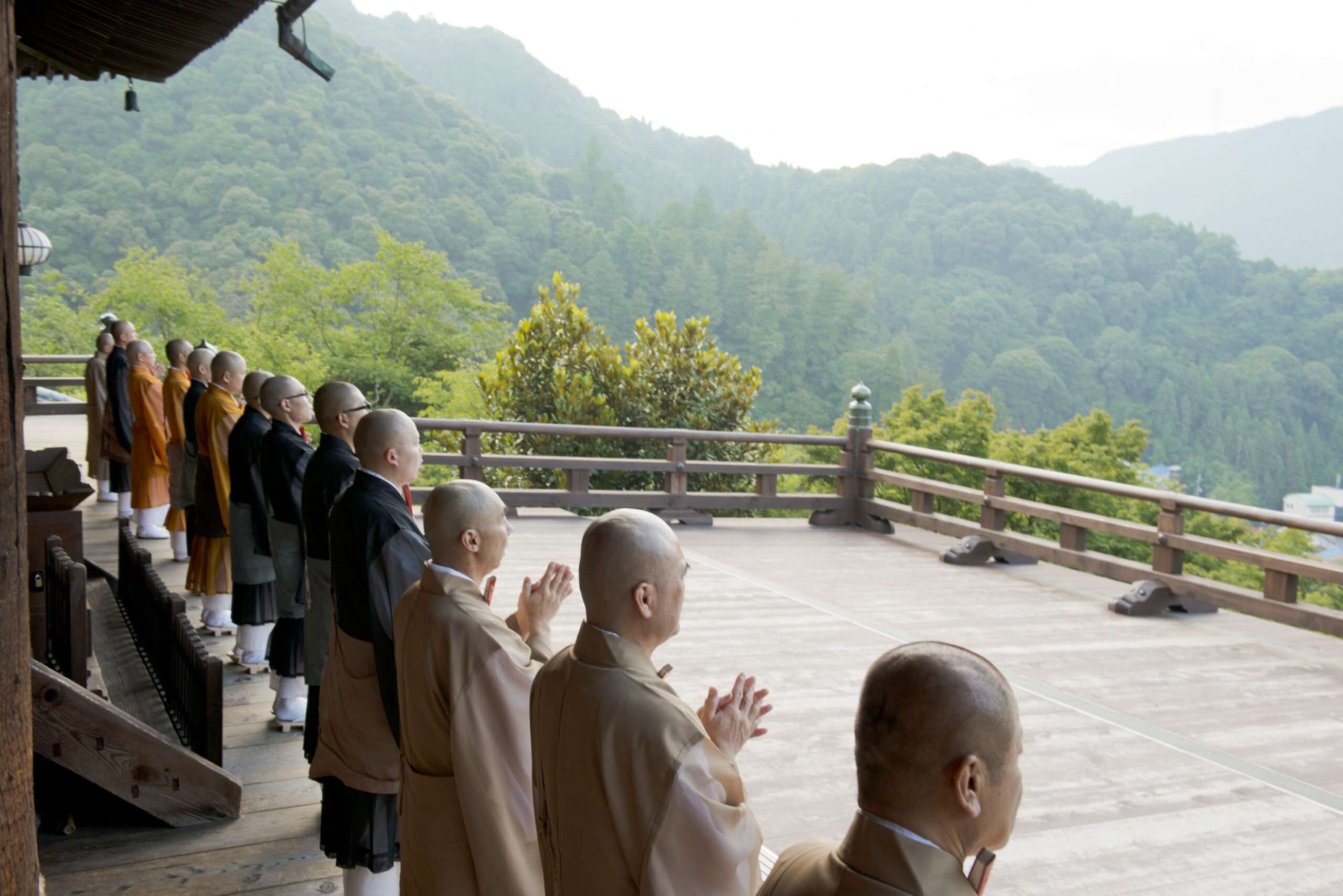
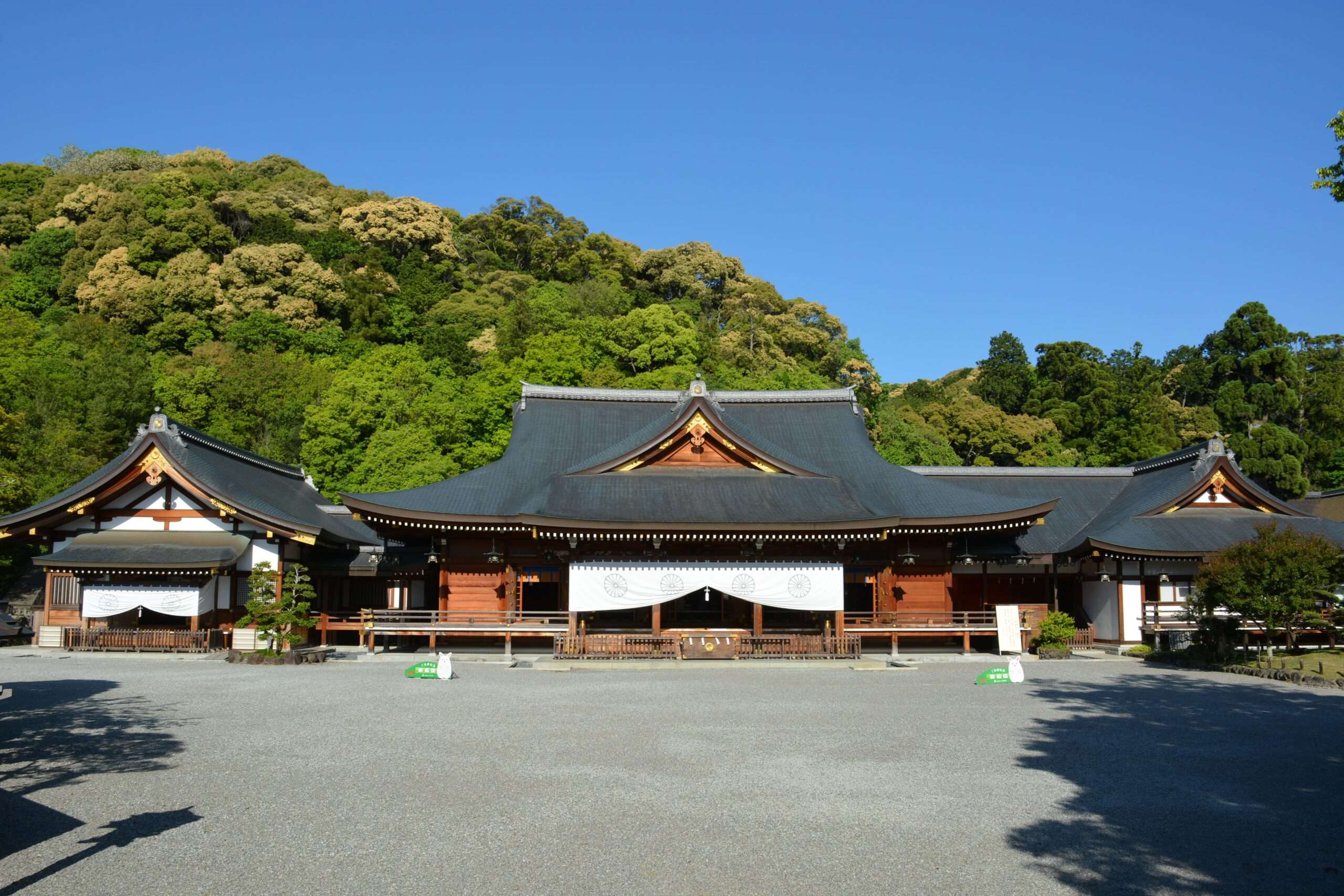
Sakurai is home to ancient shrines and temples, including Ōmiwa Jinja, Japan’s oldest shrine, and Kasayama Kōjin, one of Japan’s three major Kōjin shrines preserving the spirit of Shugendō. From the sacred land of Makimuku—associated with theories of Yamataikoku and the deity of nation‑building—the history and cultural foundations of Japan quietly emerged.
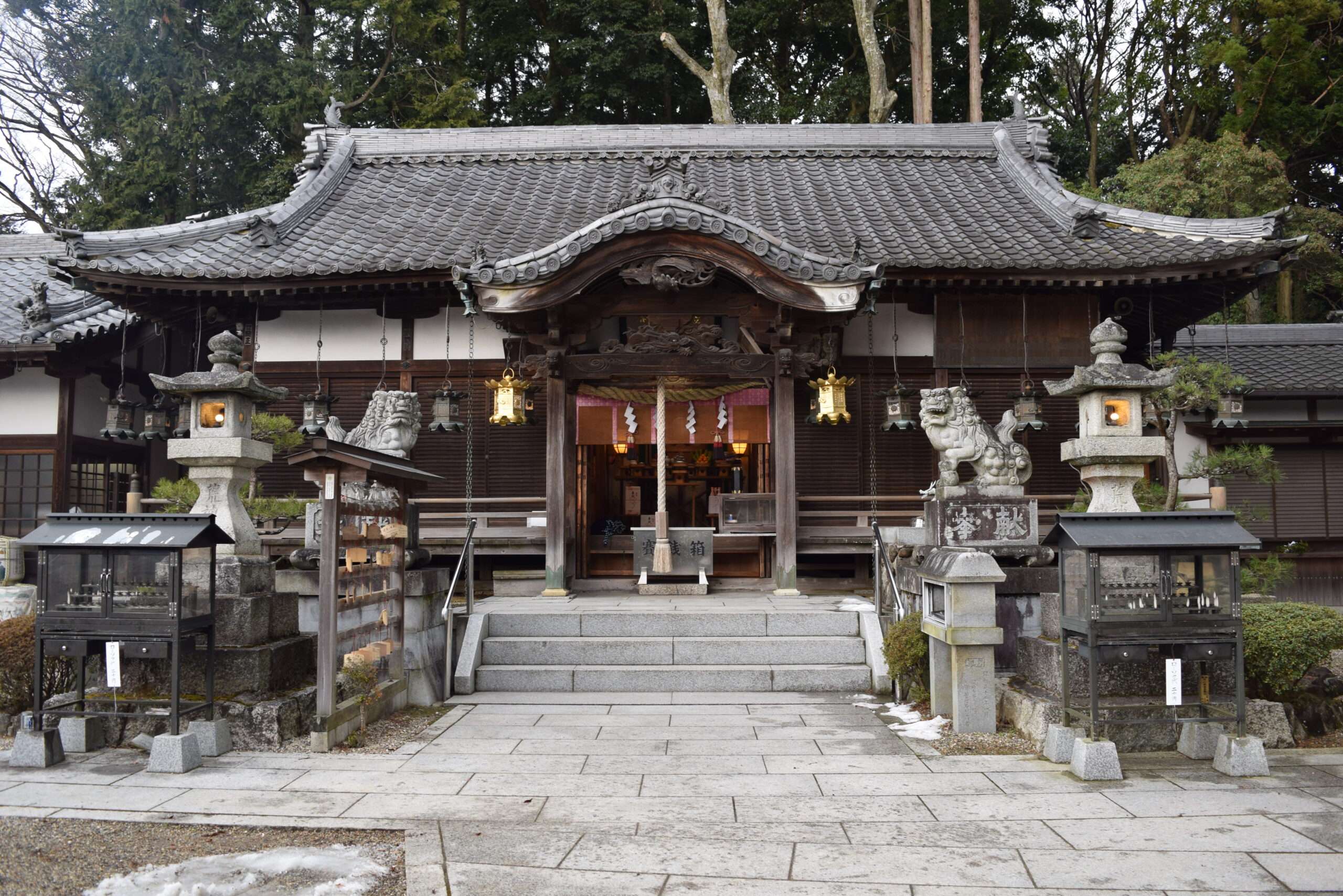
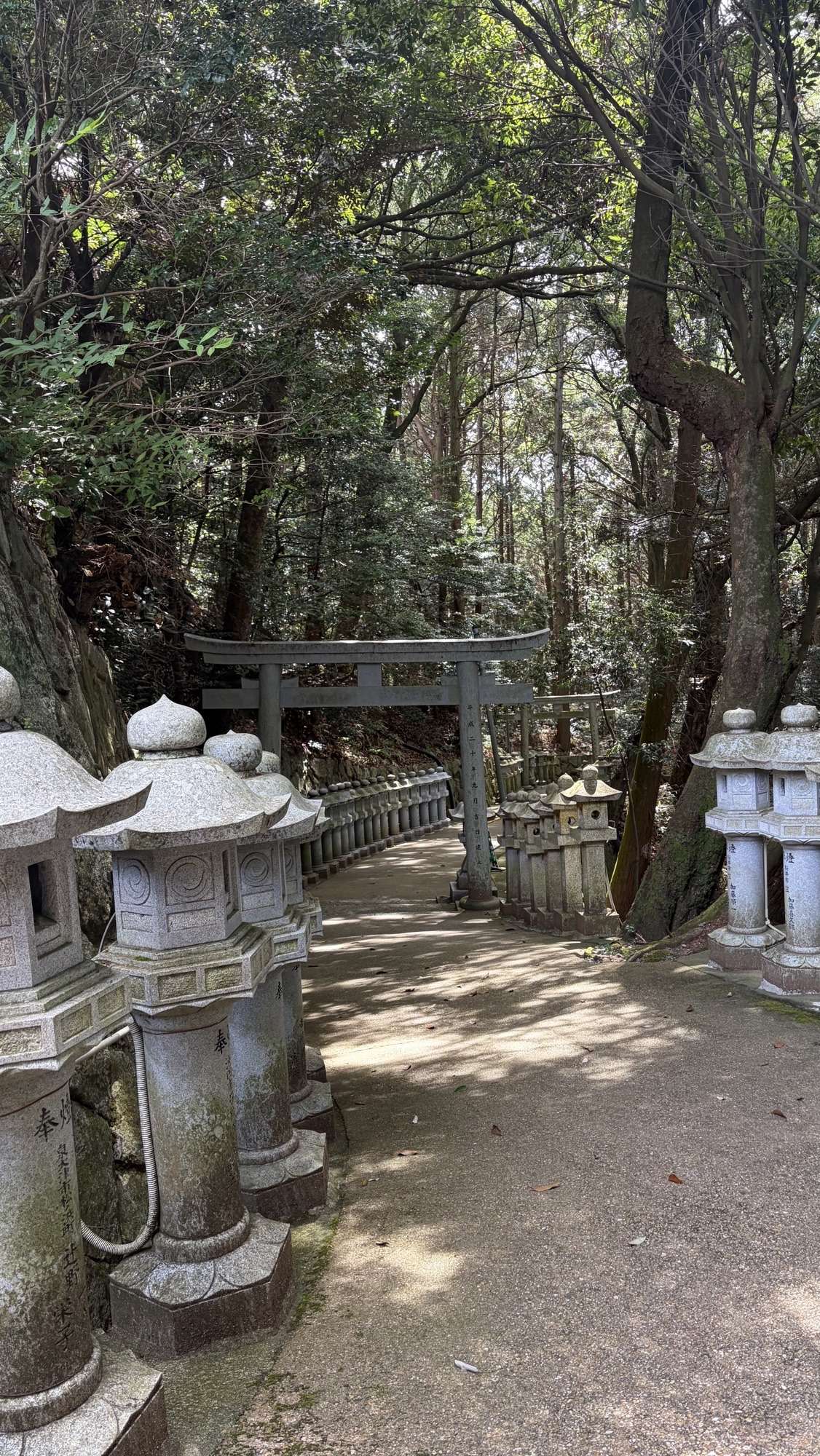
Standing within these serene shrine grounds, you can sense the subtle presence where mythology and history intersect. Walking along the ancient approach paths, you experience firsthand the landscape of faith that has been passed down for over two thousand years.
More than a simple shrine visit, Sakurai offers a profound encounter with the weight and stillness unique to sacred sites—an opportunity to feel the deep roots of Japan’s spiritual culture shaped by centuries of history.
Experience Japan’s Oldest Noodle Tradition in Sakurai
“Miwa Sōmen”
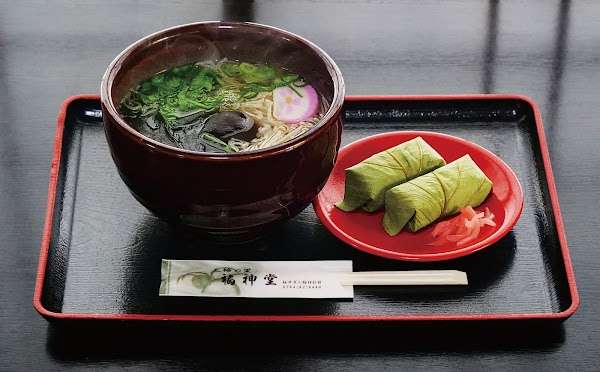
Miwa Sōmen is said to have been created around 1,200 years ago to help people during a time of famine. Made with the clear spring water flowing from Mt. Miwa, and shaped by the region’s climate, these ultra‑thin noodles spread across Japan through travelers on the Ise pilgrimage. The craft of hand‑stretching has been carefully passed down through generations of skilled artisans.
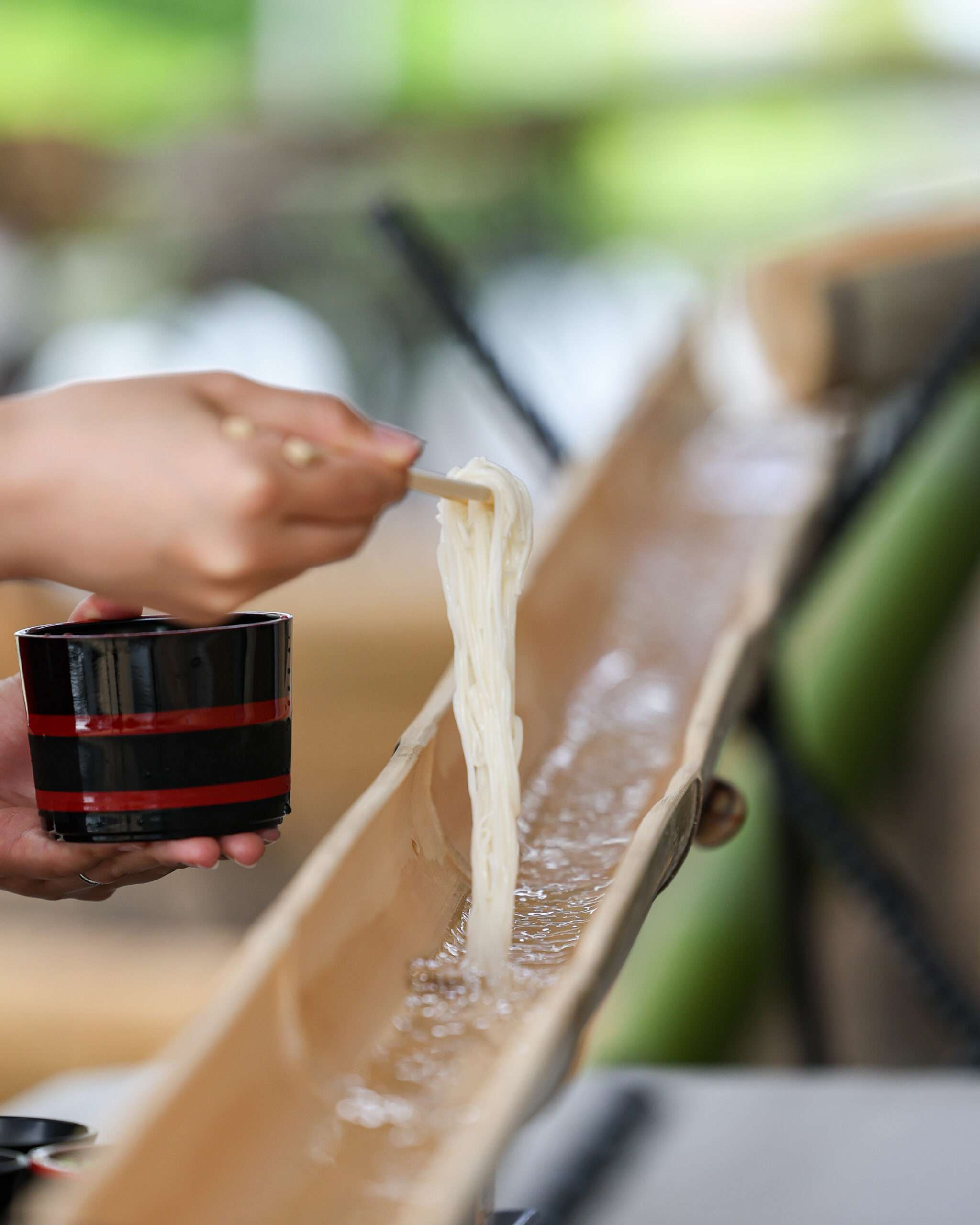
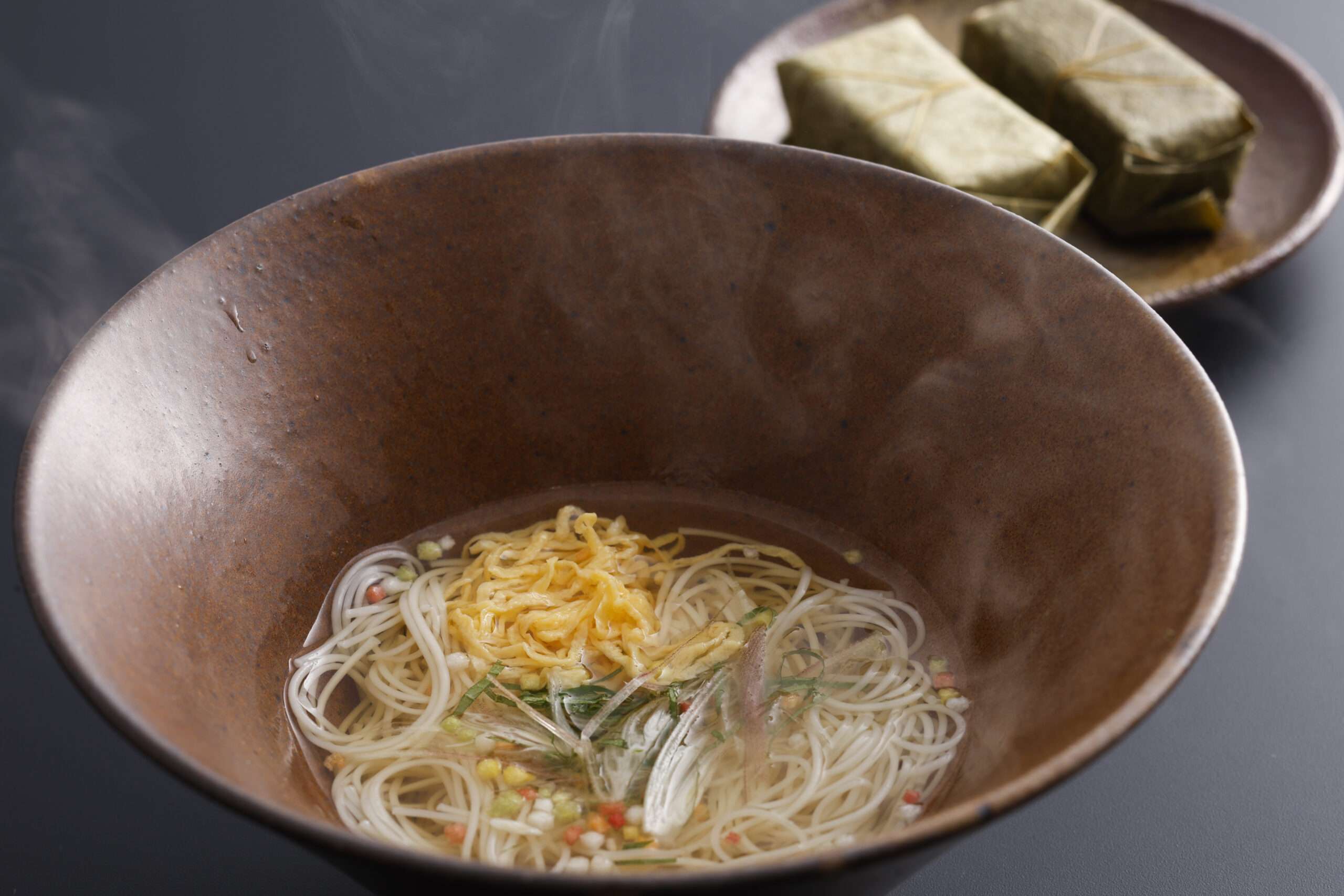
Historic noodle makers and charming eateries can be found throughout Sakurai. In summer, the noodles are enjoyed chilled, while in colder seasons they are served warm as Miwa Nyūmen, offering a taste of the region’s seasonal character.
Through a hands‑on “hand‑stretching experience,” you can feel the precision and tradition behind this craft and enjoy a moment that connects you directly with its long‑standing history.
SUMO EXPERIENCES
TOURISM GUIDE
Pick Up
A Supreme Journey to Sakurai, the Sacred Home of Imperial Sumo
Enjoy a 2‑night, 3‑day journey through Sakurai, a city where two thousand years of sumo history and the landscapes of ancient mythology continue to live on.