

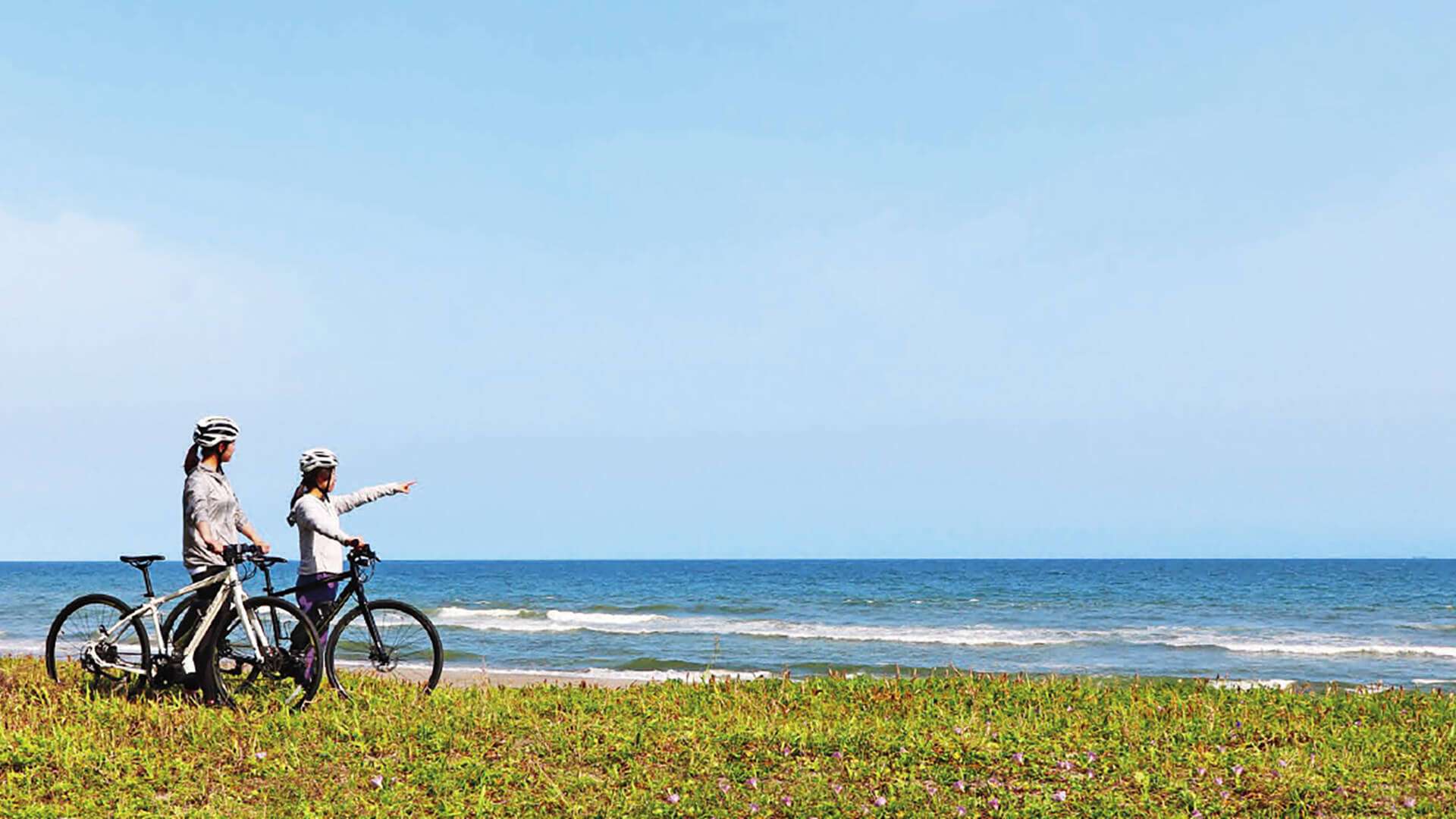
PACIFIC COAST BIKE PATH
Kanto / Tokai / Kansai
Chiba Prefecture — Wakayama Prefecture
Pacific Coast Bike Path
The Pacific Coast Bike Path is a 1,487-km cycling route that starts from Choshi City, Chiba Prefecture,
and runs along the Pacific coast of Kanagawa, Shizuoka, Aichi, and Mie Prefectures
all the way to Wakayama City, Wakayama Prefecture.
Along the route, there are many World Heritage Sites including Mt. Fuji,
as well as Japan’s most prominent tourist destinations and scenic spots.
Visitors can enjoy a variety of seasonal experiences throughout the year.
ACCESS
Chiba / Wakayama
About 2h 30m total
 Flight
About 1h 20m
 Bus
BusAbout 30m
 Train
TrainAbout 40m
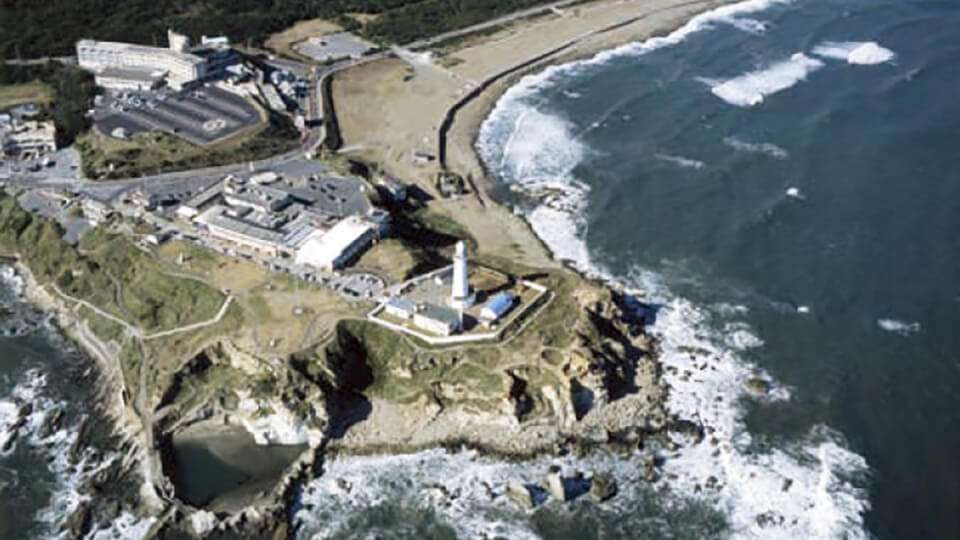
The Easternmost Tip of Choshi Peninsula — “Inubosaki” (Chiba Prefecture)
A cape jutting out into the Pacific Ocean, this plateau is surrounded by the sea for about 500 meters. It is characterized by the white sand Kimigahama Beach and the strange, massive rocks stretching to the south. At the tip stands the white Inubosaki Lighthouse — Japan’s first structure built with domestically produced brick. With the exception of mountaintops and remote islands, this is the earliest place in Japan to greet the first sunrise of the new year, where nature and history harmonize in a beautiful landscape.
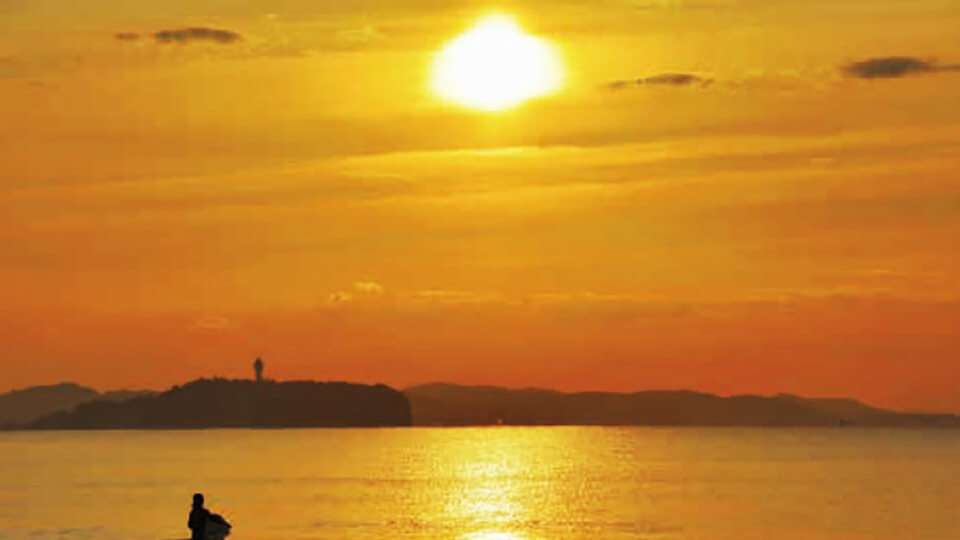
Overlooking Enoshima and Mt. Fuji — “Shonan Coast” (Kanagawa Prefecture)
Shonan Kaigan Park is a seaside park stretching from Katase Beach to Kugenuma Beach. It is an ideal spot for strolling while feeling the sea breeze, with panoramic views of Enoshima Island and Mt. Fuji. The park features various areas including the “Sea Breeze Terrace,” “Lawn Square,” and “Boardwalk,” and is also used as a base for beach sports.
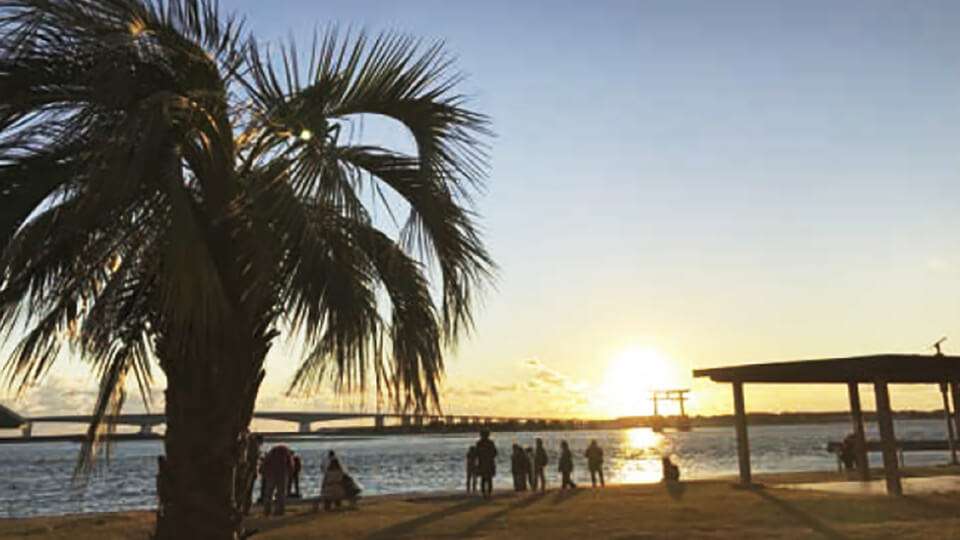
Red Torii, Blue Sea, and Beautiful Water — “Bentenjima Seaside Park” (Shizuoka Prefecture)
Bentenjima Seaside Park is a beachside park where you can take a leisurely 500-meter walk under the palm trees. Just a 3-minute walk from Bentenjima Station, it offers a spectacular view of Lake Hamana featuring an 18-meter-tall red torii gate rising from the lake, blue sea, and crystal-clear water. The rich fishing grounds, where the variety of fish changes with the seasons, are also a popular spot for anglers.
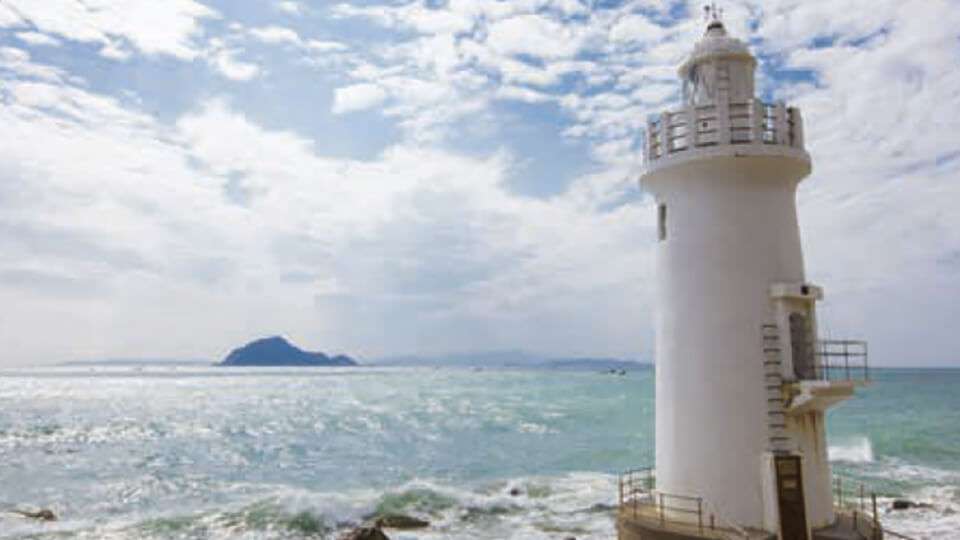
Sacred Place for Lovers — “Irakomisaki Lighthouse” (Aichi Prefecture)
Located at the very tip of the Atsumi Peninsula at the southern end of Aichi Prefecture, Irakomisaki Lighthouse serves as a vital landmark for ships navigating the Irago Channel. Its dignified silhouette, commanding a sweeping view from the Pacific Ocean to Ise Bay and Mikawa Bay, has earned it a place among Japan’s 50 Best Lighthouses. The beautiful contrast of the blue sea and the white lighthouse creates a romantic mood at sunset, and the area has been designated a “Sacred Place for Lovers.”
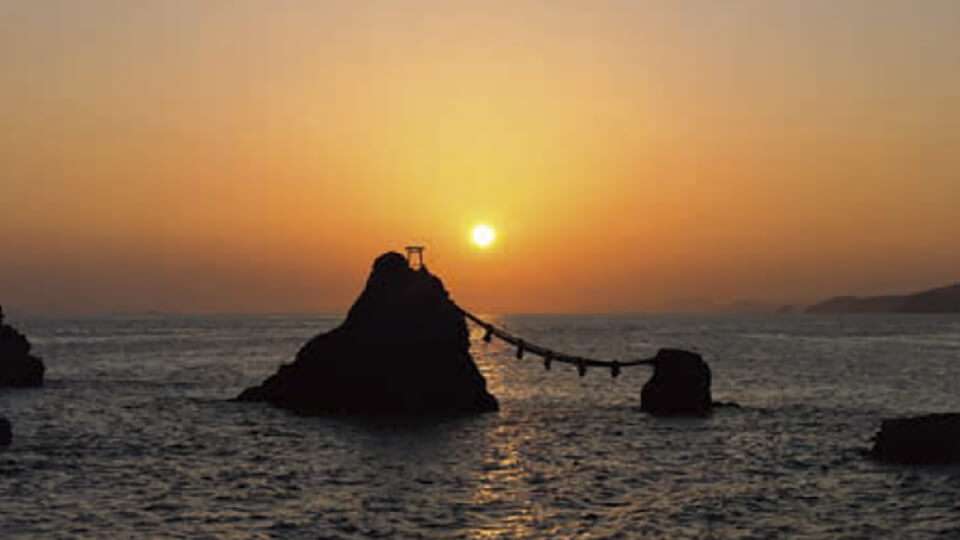
A Symbol of Bonding Tightly Bound by a Sacred Rope — “Meotoiwa” (Mie Prefecture)
The two rocks known as “Meotoiwa” (Husband and Wife Rocks) are tightly bound together by a large sacred rope and serve as a torii gate for worshipping the deity Okitamashinseki and the sun. The sight of the two rocks standing side by side has made them a symbol of couples and marriage, widely known as a symbol of love and connection. From May to July, the sunrise can be seen rising between the rocks; from November to January during the full moon, the moon rises between them as well.
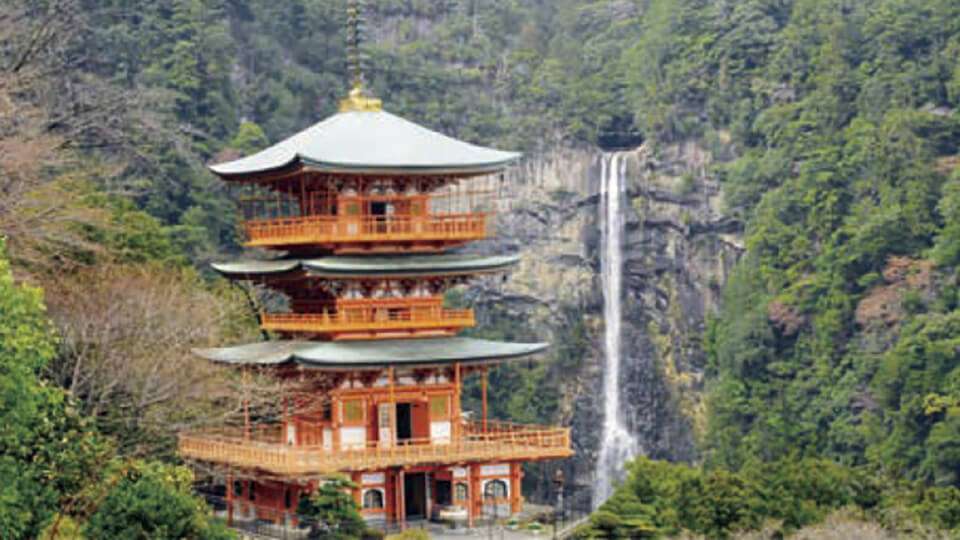
National Scenic Beauty & World Heritage Site — “Nachi Falls” (Wakayama Prefecture)
Nachi Falls plunges dramatically through ancient forest, where multiple streams converge with the main flow from Mt. Okumotoriyama deep in the Nachi Mountains. With a drop of 133 meters, a width of 13 meters at the spout, and a basin depth of 10 meters, it is Japan’s greatest waterfall by height. Counted among Japan’s Three Great Waterfalls, it is also known as “Misuji-no-taki” (Three-Stripe Falls) as the water begins to fall in three streams where the bedrock splits.