


ATAMI ONSEN
– Explore Atami Onsen Culture
Wellness & Rejuvenation in Atami
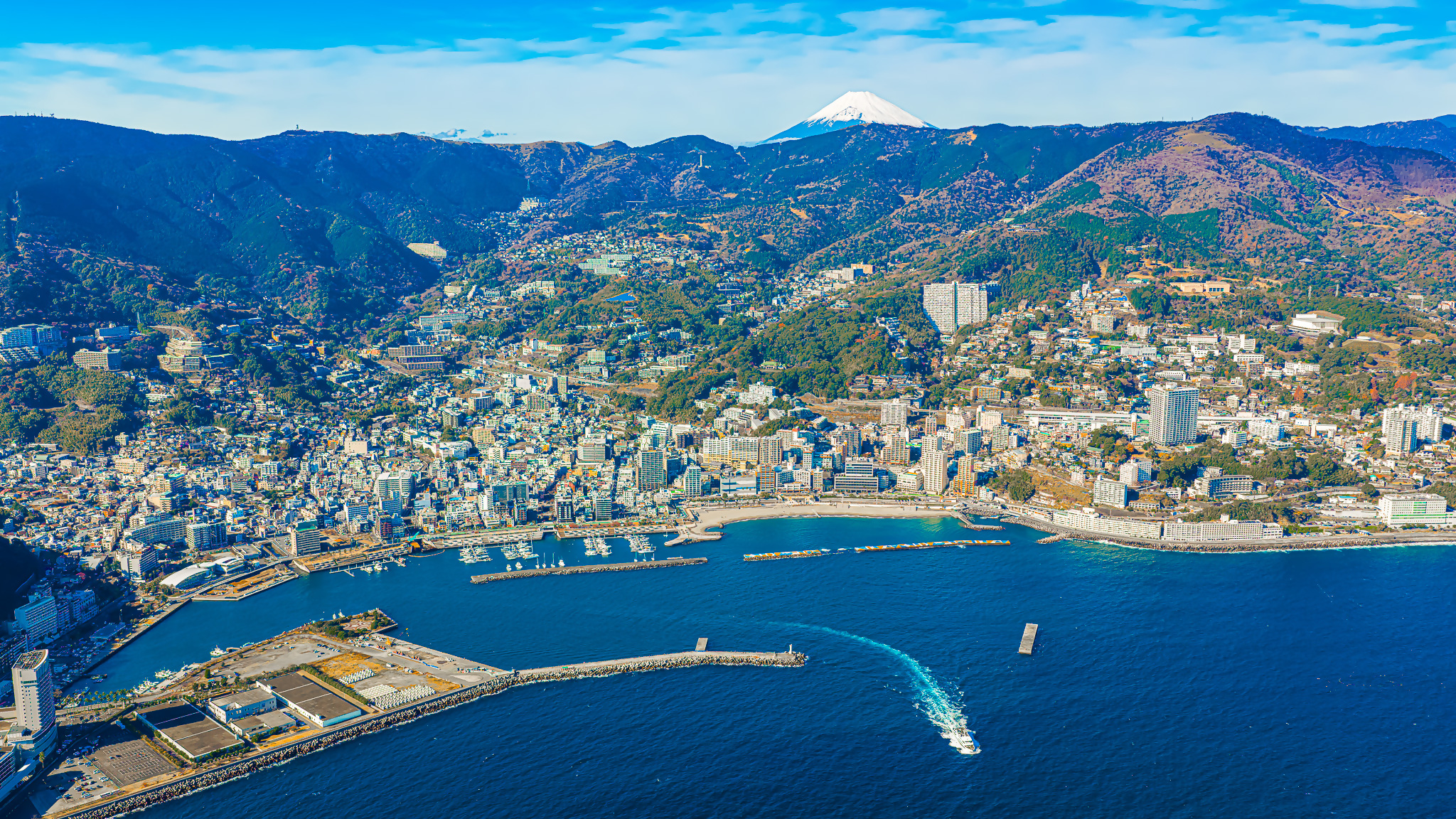
Just forty minutes from Tokyo, the atmosphere shifts from the city’s bustle to a quiet coastal landscape overlooking the open Pacific. Beyond the fireworks and the busy station area, Atami reveals a more understated side—one where you can enjoy a luxurious hot‑spring escape with space, calm, and a sense of ease.

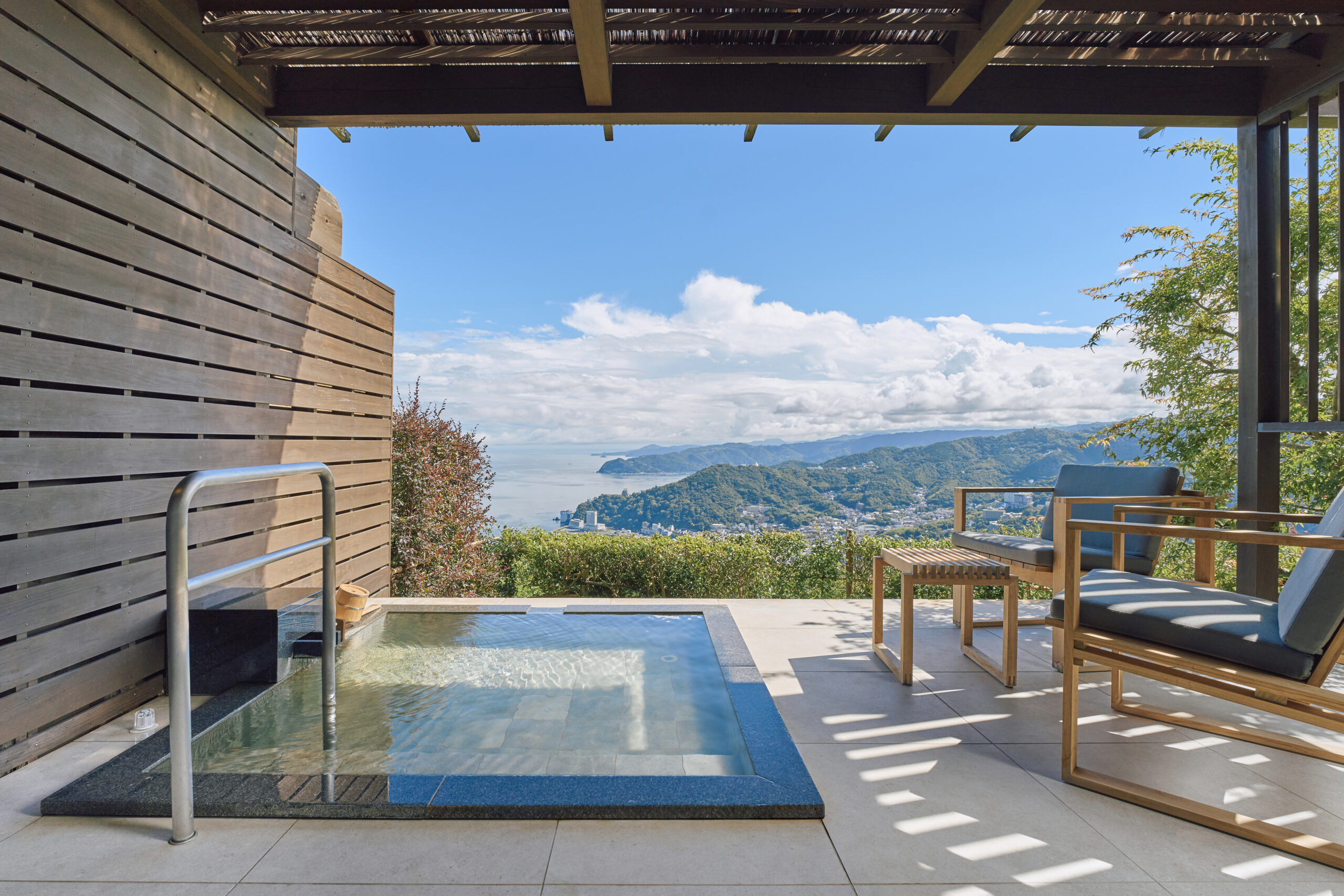
Hotels offering private onsen and infinity baths that blend into Sagami Bay create an elegant setting for longer stays. And in the hillside Izusan area, reached by a short drive above town, you’ll find cooler air, quiet surroundings, and more private space—an ideal environment for terrace aperitifs away from the crowds.
This is the Atami once cherished by Shogun Tokugawa Ieyasu and the literary giants of the Meiji era—a place where time slows, and body and soul can truly unwind.
Historical Stories
Hot Springs and the Spiritual Traditions of Ancient Japan
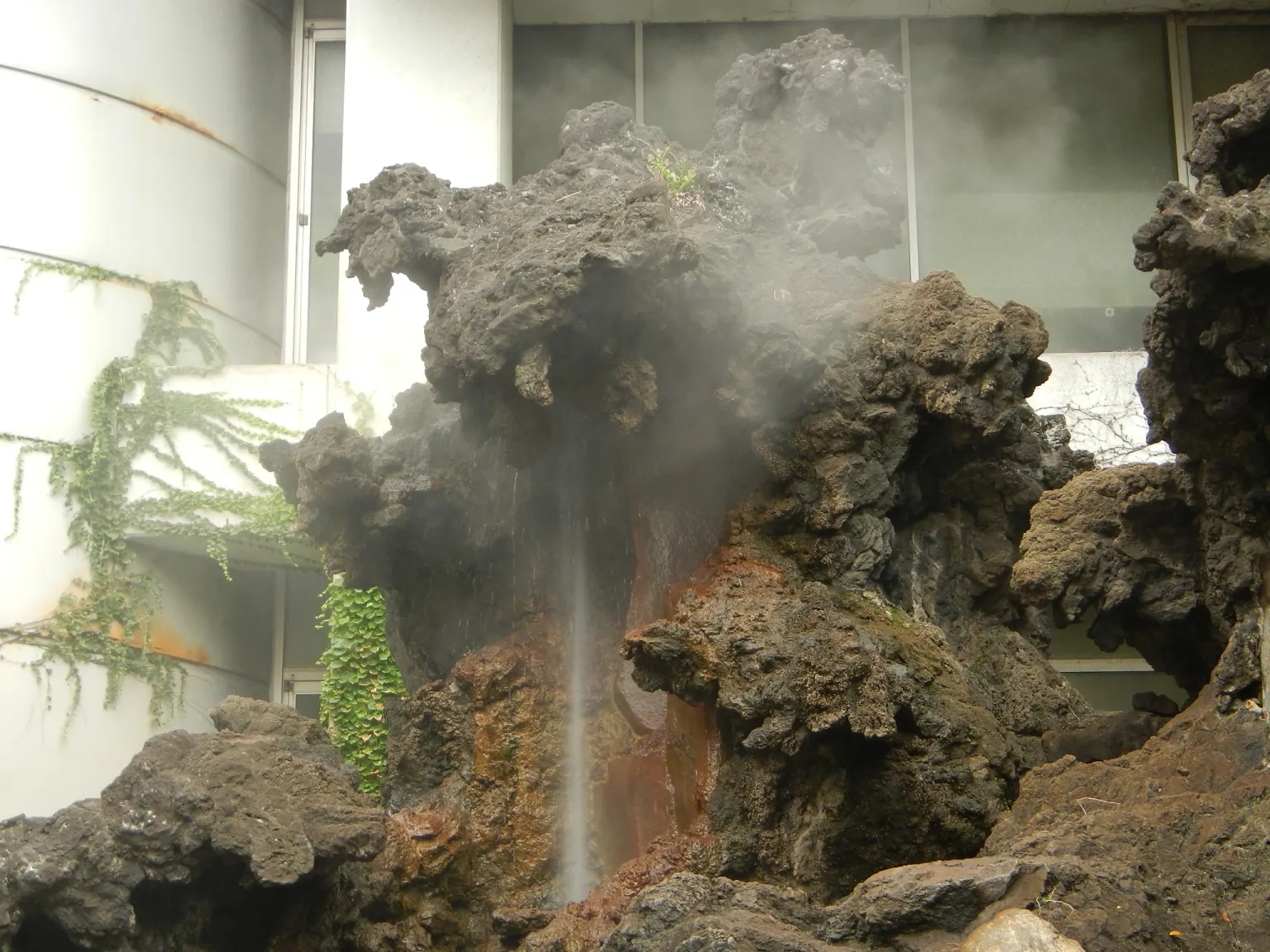
Atami’s hot springs have a history of more than 1,300 years, shaped by ancient Japanese beliefs on the sacredness of the natural forces that give rise to these waters. The name “Atami,” meaning “hot sea,” comes from the sight of steaming spring water flowing directly into the ocean. Its guardian deity was named for the way the springs surged naturally toward the sea from deep within the earth—an expression of powerful natural forces that early Japanese people regarded as sacred in themselves. Even today, you can still see these waters running beneath Izusan and emerging at the shoreline.
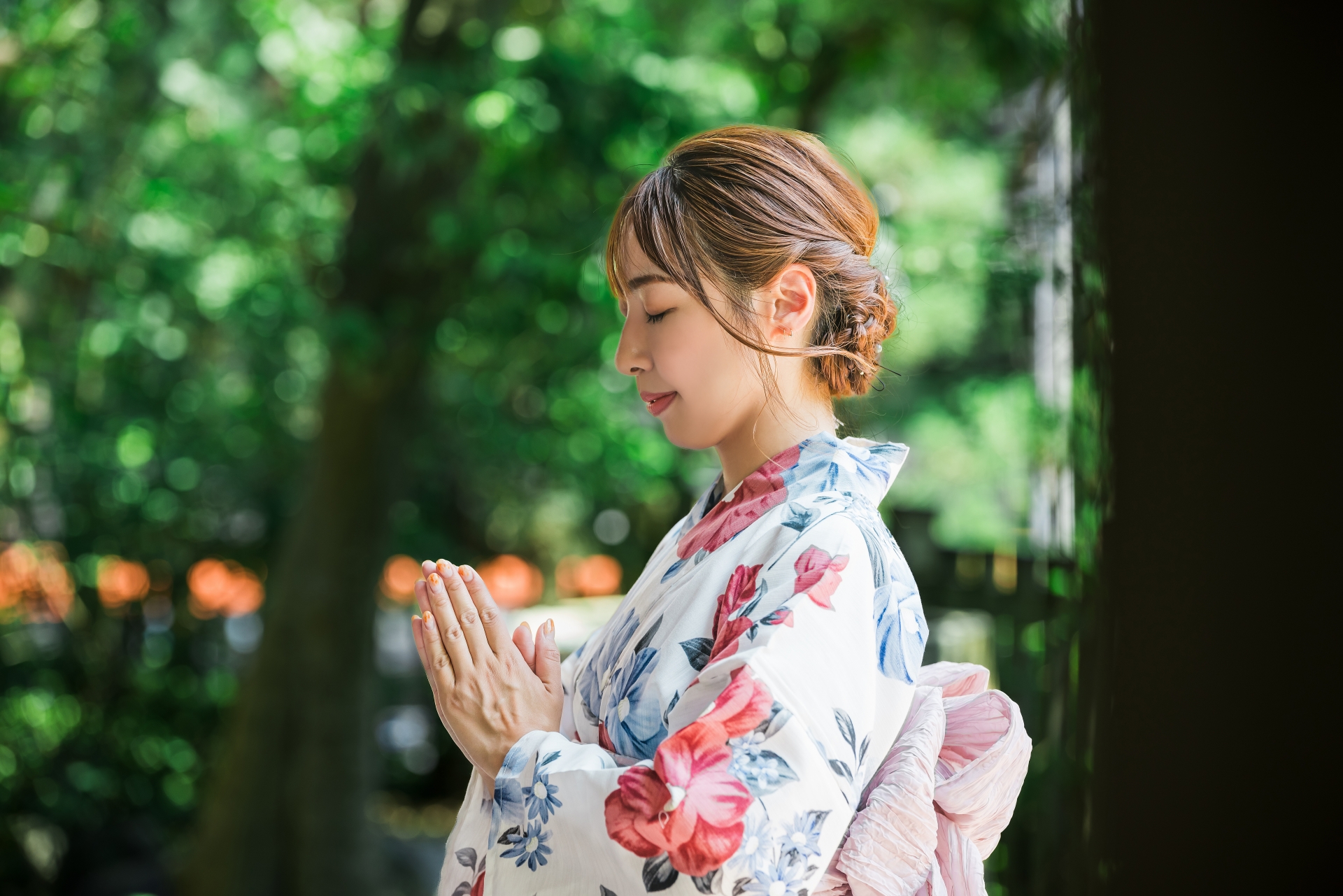
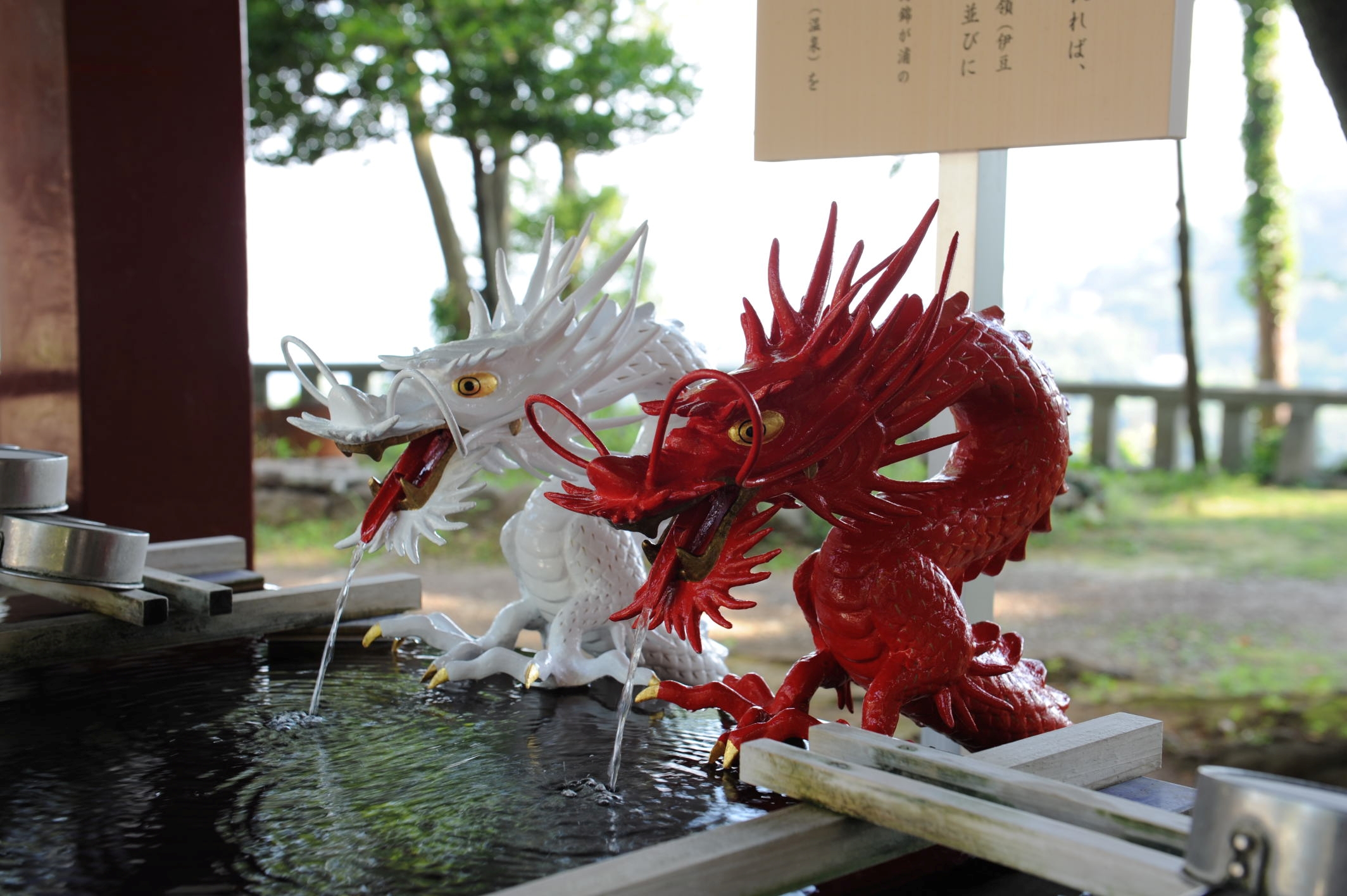
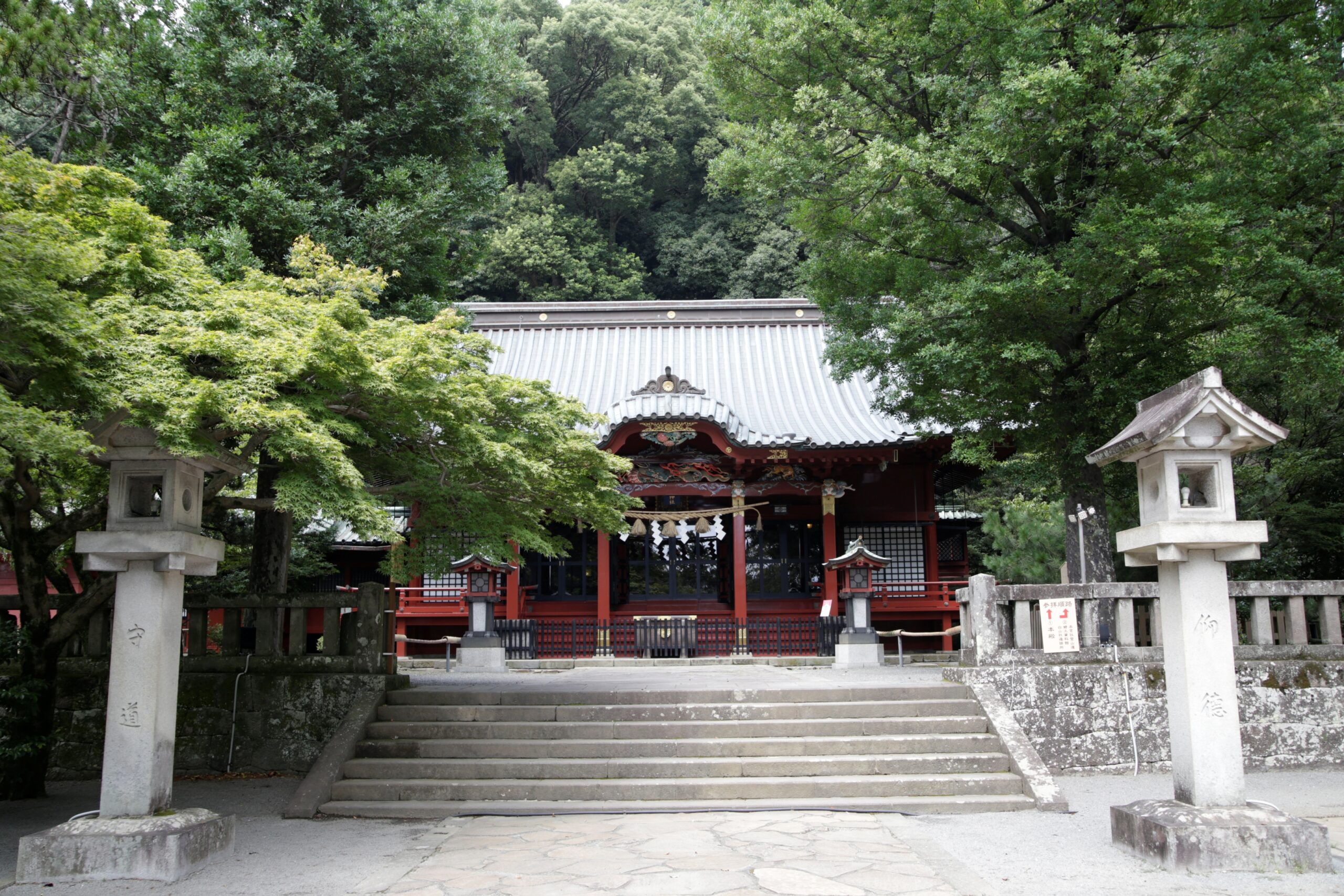
Izusan Shrine preserves many layers of this heritage. The route from its mountaintop precincts toward Mount Fuji was once a center of training for mountain monks, and in the late Heian period, the monk Matsudaijōnin practiced here before continuing his pilgrimages to Fuji, where he is said to have calmed the mountain’s fierce spirit. The “Red and White Dragons,” long associated with the springs, represent fire and water—two elemental forces whose union was believed to give rise to the hot waters flowing through Hakone, Izusan, and Atami. Their imagery reflects a tradition of venerating the natural forces behind the hot springs.
Through these beliefs and legends—linking mountain‑monk traditions, the veneration of the natural forces behind the hot springs, and the landscapes shaped by them—you can glimpse a uniquely Japanese way of relating to the natural world, a lineage that forms one of the deepest currents in Japan’s hot‑spring culture.
How Atami Has Evolved as a Destination
Izusan Shrine is closely connected to Minamoto no Yoritomo, the founder and first shogun of the Kamakura shogunate (late 12th century). He prayed here for the revival of the Minamoto clan, and after achieving his goal, honored the shrine as a major guardian of the region. Tokugawa Ieyasu, the first shogun of the Edo period (1603–1868), later followed Yoritomo’s example and revered the shrine as a source of auspicious fortune.**
From the medieval era into the Edo period (1603–1868), visits to Atami’s hot springs became increasingly popular. Records describe travelers enjoying the open landscapes of sea and mountains, the ease of a short journey from Edo, and the warm interactions among visitors, innkeepers, monks, shrine priests, and local residents. Atami had already become a place where restorative time and social connection naturally intertwined.**
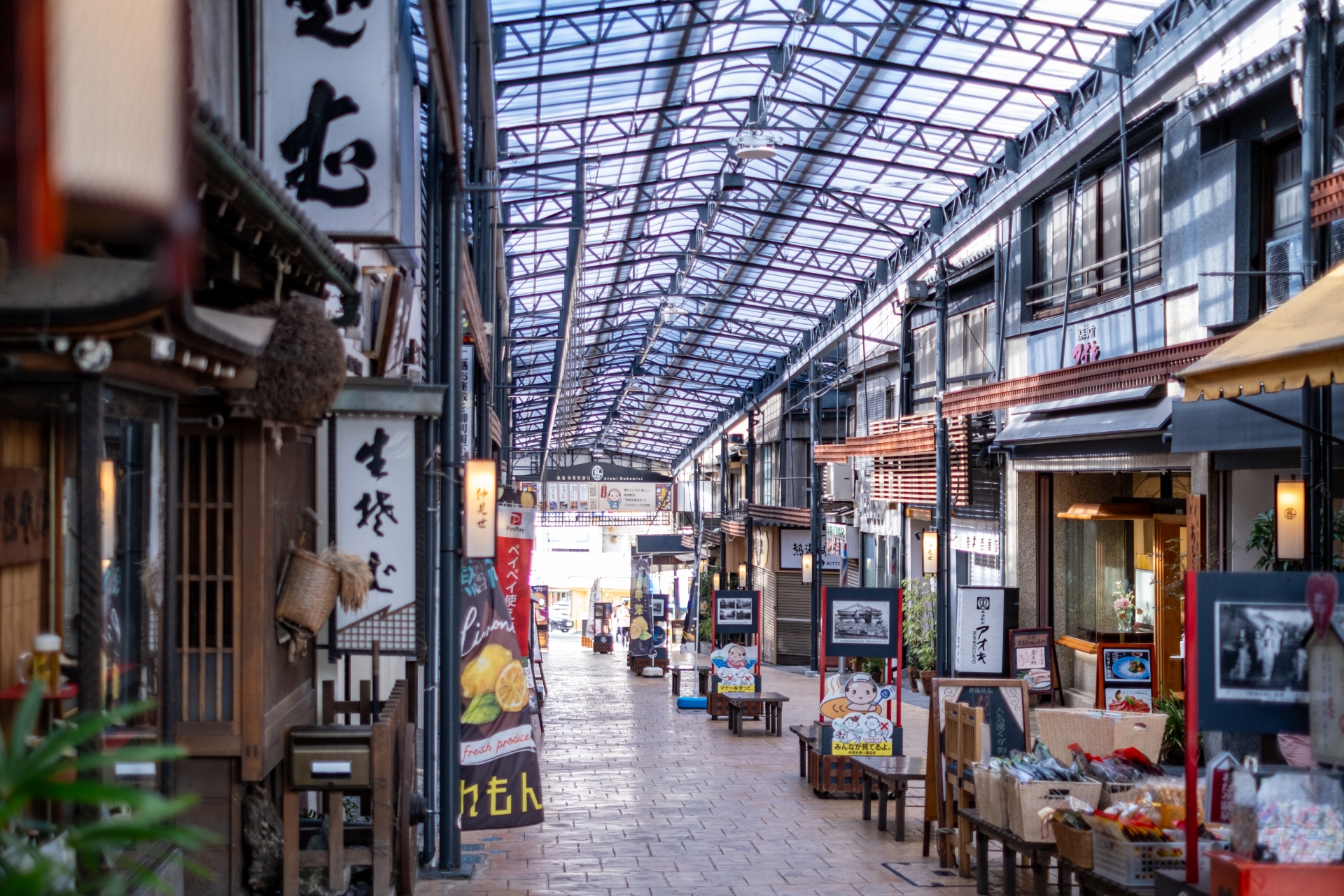
In the Meiji period (1868–1912), leading authors such as Tsubouchi Shōyō, Ozaki Kōyō, and Dazai Osamu sought out Atami. Amid rapid Westernization, they found in its villas and hot springs a quiet setting for rest and writing—an atmosphere that resonates with today’s idea of a restorative retreat.**
By the mid‑20th century, Japan’s economic growth and the opening of the Shinkansen brought a new wave of visitors. Company trips, honeymoons, and family holidays filled the town, and traces of this nostalgic mid‑century resort atmosphere can still be felt in parts of the hot‑spring district today.**
Across more than 1,300 years, Atami has remained rooted in a deep reverence for the natural forces behind its hot springs. Through every era, it has offered a restorative environment for reflection and renewal—making it one of the defining landscapes of Japan’s hot‑spring culture.**
ACCESS
Shizuoka Prefecture / Atami City
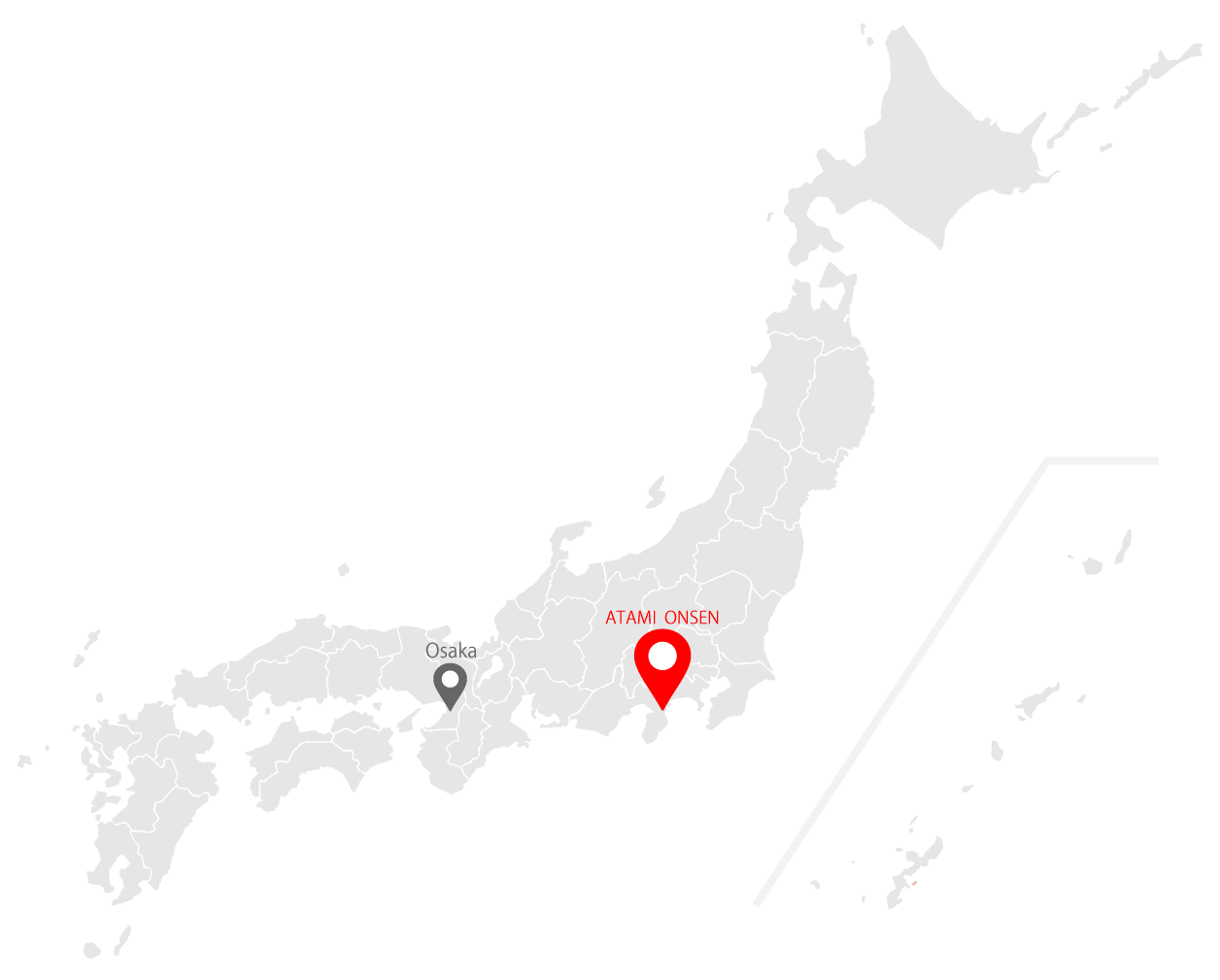
 Shinkansen Kodama
approx. 35m
Shinkansen Hikariapprox. 2h 20m
Atami Fireworks Festival
A Summer Tradition of Japan: Fireworks Across Sea and Sky
Fireworks in Japan trace their origins to the early Edo period (1603–1868), when they were first used in rituals to honor the departed and to pray for protection from epidemics. Over the centuries, pyrotechnicians across the country refined their craft, transforming fireworks into a form of night‑sky art admired around the world. Even today, Japanese fireworks carry meanings beyond spectacle—expressions of remembrance, gratitude, and quiet hopes for peace. Keeping this in mind as you look up at the night sky can lend the moment a deeper resonance.
The Atami Fireworks Festival has been held for more than half a century. Atami Bay is surrounded on three sides by steep hills, creating a natural amphitheater where sound reverberates with remarkable clarity. The deep echoes and vibrations that rise from this landscape make the experience uniquely immersive. Some hotels even offer terrace seating where guests can watch the fireworks unfold—an unforgettable way to conclude a restorative hot‑spring stay.

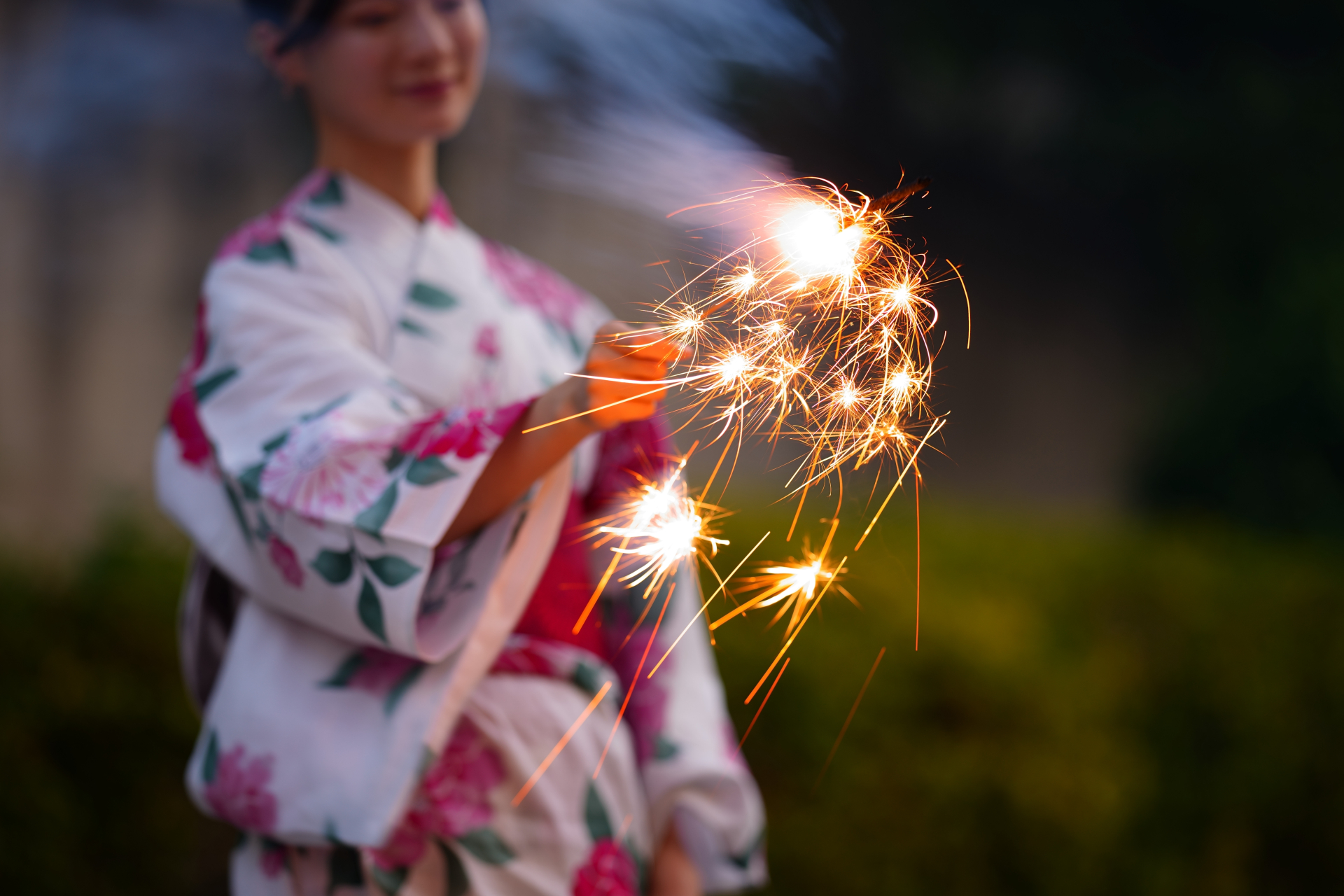
The festival schedule is available on the official Atami Tourism Association website. If your travel dates do not coincide with the festival, handheld fireworks on the beach offer a quieter alternative. At Atami Sun Beach, you can enjoy non‑noisy handheld fireworks until 10 p.m., set against Japan’s first beach‑illumination design by world‑renowned lighting designer Motoko Ishii. After a day of hot springs, swimming, and seafood, ending the evening with beachside fireworks is a quintessential way to experience the Japanese summer.
Izusan: A Quiet Journey by the Sea
Izusan: Sea, Silence, and a Sense of the Sacred
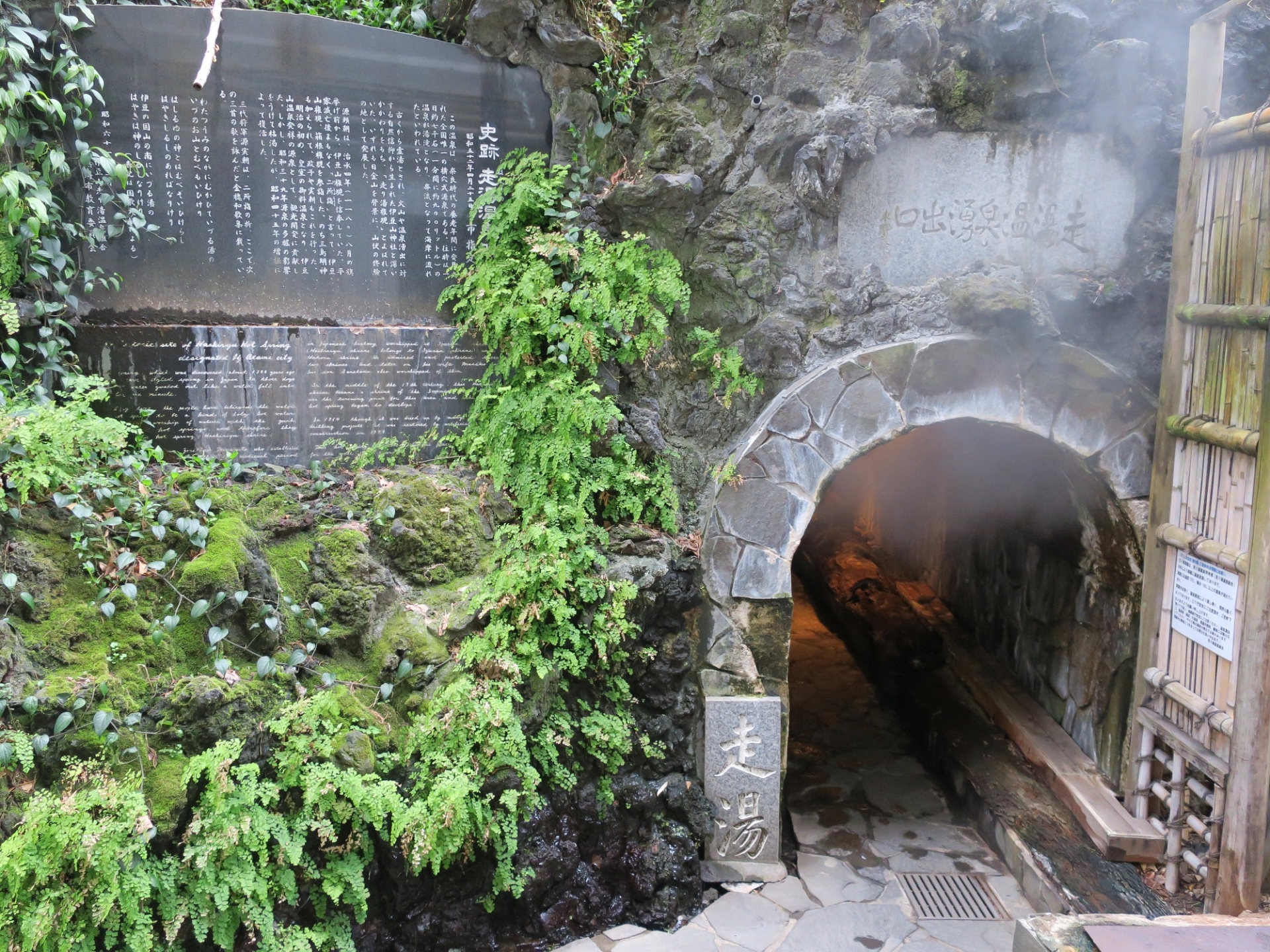
One of Japan’s three ancient hot springs, Hashiriyu, has flowed here for more than 1,300 years. The spring, which rushes toward the sea, inspired early practitioners of mountain asceticism to feel a spiritual significance in its force—an awareness that later took form as Izusan Shrine. With its long history of nature‑based belief and its views toward Mount Fuji, this area has long been regarded as a place for quiet reflection and inner clarity.
Looking out over the open waters of Sagami Bay, Izusan offers a calm and cooler climate, entirely different from the lively hot‑spring district near Atami Station. Refined inns here provide private hot‑spring baths where you can unwind at your own pace, followed by the simple pleasure of watching the sunset over the sea from a terrace with a drink in hand.

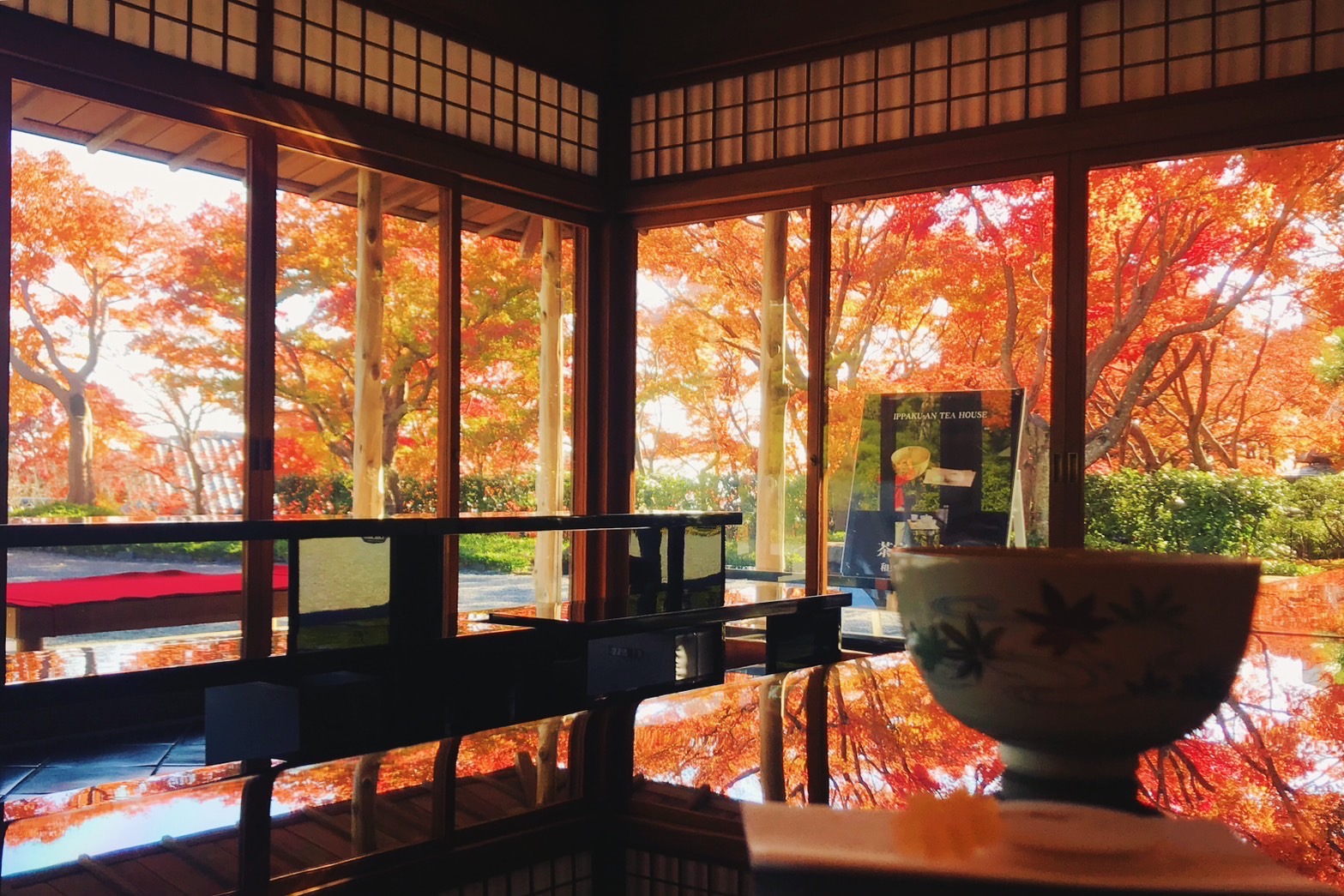
The hilltop MOA Museum of Art, overlooking Atami’s coastline and townscape, offers another way to spend time in a thoughtful, unhurried atmosphere. Its spaces blend traditional Japanese aesthetics with contemporary design: a kaleidoscope‑inspired ceiling installation, a modern floor made with traditional roof tiles, a fully lacquered entrance hall, a Noh theater built entirely of Japanese cypress, and a complete reconstruction of the famed Golden Tea Room commissioned by Toyotomi Hideyoshi, the 16th‑century leader who unified Japan. The museum’s collection includes national treasures related to the tea ceremony and other important works. Outside, the “Tea Garden,” surrounded by more than 150 maple trees, harmonizes seasonal nature with classical art, creating a quiet environment far removed from the noise of the city.
Through these cultural experiences shaped by Japan’s spiritual traditions and its deep appreciation of nature, the Izusan area of Atami offers time that enriches both body and soul.
Atami Onsen Trail
Atami and Its Hot Spring Heritage
It is often said that the best way to understand a place is to explore it on foot. Driving from one attraction to another rarely reveals the everyday culture or the layers of history that shape a community. Walking through Atami’s hot spring heritage—formed over many eras and still connected to the present—offers a way to experience the depth and character of this city.
Among the places that reveal this heritage is the *Atami Shichito*, the seven natural hot springs that once played a central role in Atami’s bathing culture. Known since the Edo period, these springs soothed countless travelers. Today, they have been restored as monuments that evoke the atmosphere of the past. Each spring has its own characteristics and story, and you can visit them on foot with a local guide, collecting stamps along the way while imagining the memories of those who once walked the same paths.
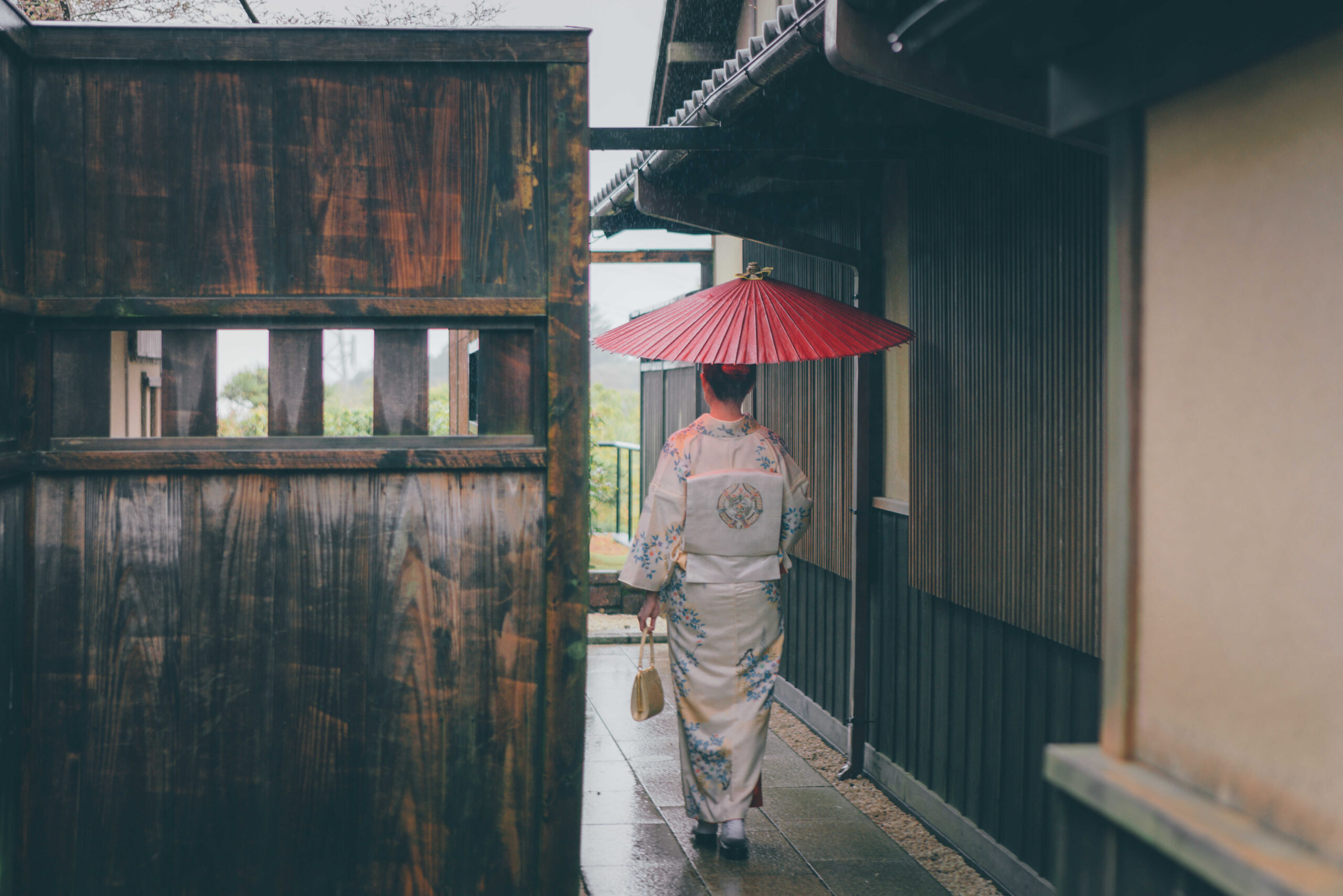
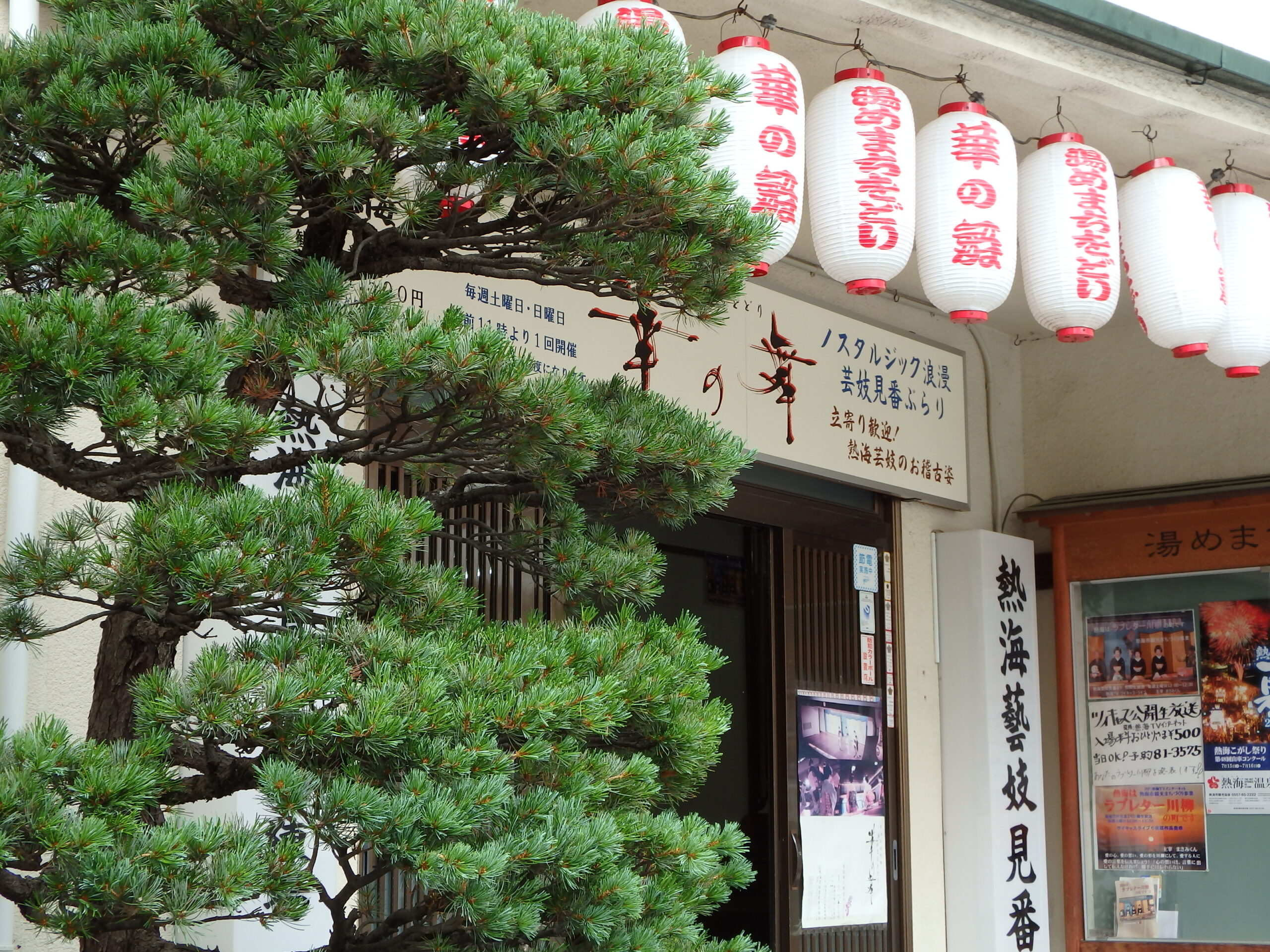
Atami is also home to one of Japan’s notable geisha traditions. Since the Meiji era, geisha have performed as dancers and entertainers, and today around one hundred are active—making it one of the largest geisha districts in the country. The “Yumemachi Odori Hana no Mai” event opens the Atami Geigi Kenban Theater to the public, offering a rare chance to watch professional performances. The interplay between the musicians and the dancers creates a performance that feels both intimate and deeply refined. Another popular experience is *geigi chaya asobi*, where you can enjoy food, conversation, and traditional games with Atami geisha in a relaxed setting.
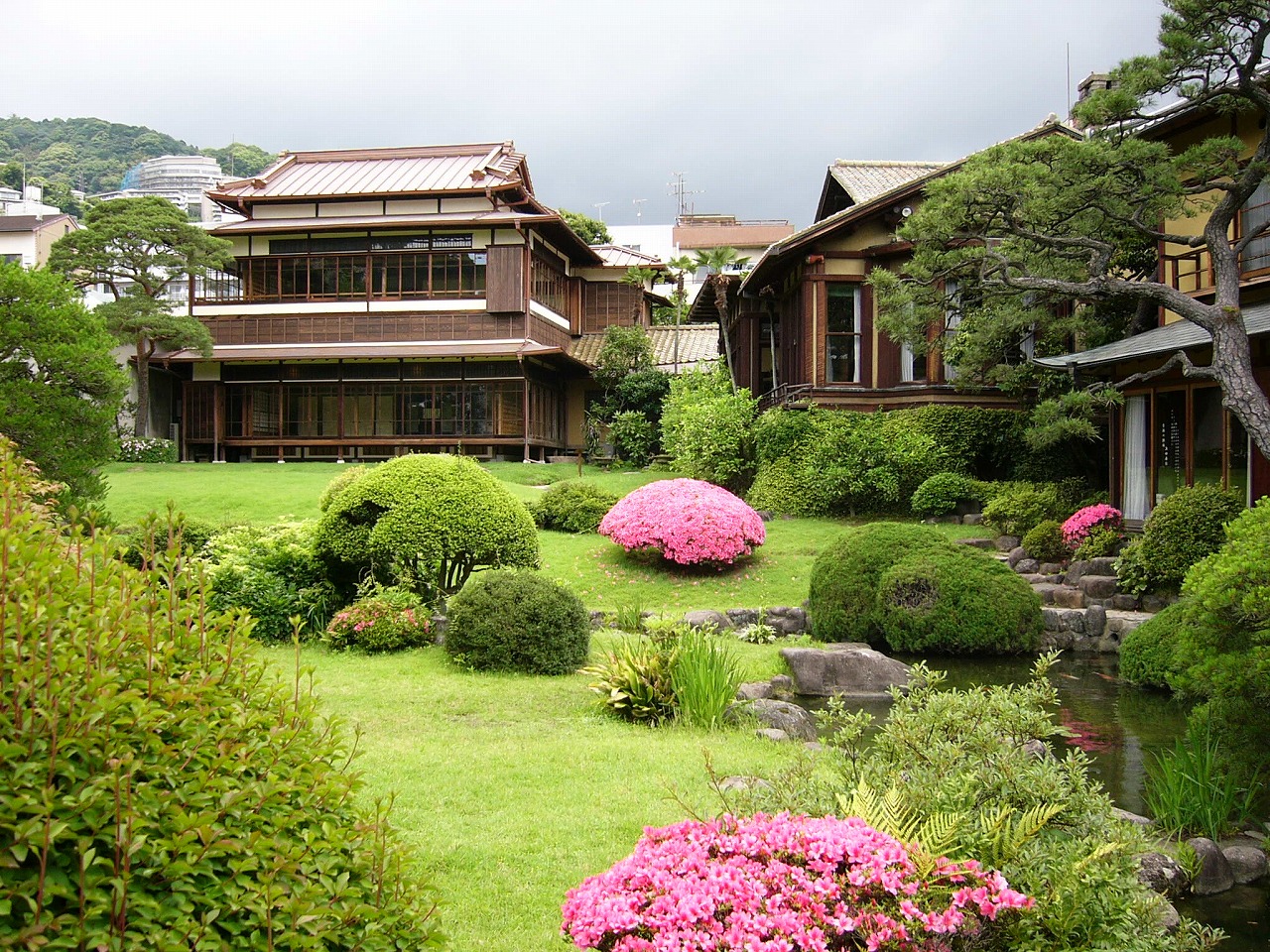
Atami’s 1,300‑year history has also drawn many influential figures. Minamoto no Yoritomo, founder of the Kamakura shogunate government; Tokugawa Ieyasu, founder of the Edo shogunate government; and modern literary giants such as Tsubouchi Shōyō, Dazai Osamu, and Shiga Naoya all spent time here. A symbol of Atami’s modern heritage is Kiunkaku, a villa built in 1919 by shipping magnate Uchida Shin’ya and once considered one of Atami’s three great estates. Its blend of Japanese gardens, traditional rooms, Taishō–Shōwa Western‑style architecture, decorative tiles, and stained glass evokes the quiet atmosphere of a place where writers once worked and reflected.
From legends and folklore to Shōwa‑era nostalgia, Atami’s local guides lead you through the city’s lesser‑known corners, revealing the depth of its hot spring culture. With stops tailored to your interests, you can experience the unique character that makes this hot spring town so memorable.
ONSEN EXPERIENCES
TOURISM GUIDE

Pick Up
A Three‑Day Journey into Atami’s Hot Spring Culture
Spend three days discovering Atami through two complementary perspectives: the calm comfort of a high‑quality stay and a deeper look at the city’s long‑standing hot spring culture. This itinerary offers a way to experience the layers of history and the character that continue to shape Atami today.