

SHIRAHAMA ONSEN
Explore Shirahama Onsen Culture
Wellness & Retreat
Kii Peninsula – A Restorative Escape in Shirahama’s Hot Springs
The Kii Peninsula is home to three major sacred areas—Mount Kōya, Yoshino–Ōmine, and the Kumano Sanzan—recognized together as the UNESCO World Heritage Site “Sacred Sites and Pilgrimage Routes in the Kii Mountain Range.”
These sites reflect a unique fusion of Shinto mountain worship and Buddhist practices, a tradition that has shaped Japan’s spiritual culture for more than a thousand years.
Since ancient times, this area has been revered as a place where deities reside. The Kumano Kodō pilgrimage routes, which wind through the mountains, have a history of over a thousand years and are often considered the origin of Japan’s spiritual journeys.
Shirahama Onsen lies at the tip of the peninsula and is counted among Japan’s three oldest hot springs, along with Dōgo and Arima. Historically known as Muro no Yu and Ki no Nuruyu, it is said that emperors such as Empress Saimei (594–661) and Emperor Monmu (683–707) bathed here during their visits to the Kii Peninsula.
For centuries, Japan’s pilgrimage culture and hot spring traditions have encouraged people to travel—stepping away from daily life, reconnecting with their inner selves, and cleansing both body and spirit. In this sense, Japan’s approach to wellness and restorative travel began more than a millennium ago.
Today, the Kii Peninsula and the Shirahama area continue to offer beautiful natural scenery as a hot spring destination. Let this timeless landscape be a place for rest and renewal, where you can unwind deeply and return to yourself.
History
Hot‑Spring Culture and Ancient Beliefs in Japan
Shirahama Onsen is one of Japan’s oldest hot springs. The Nihon Shoki (720) records the visit of Prince Arima in 657, followed by Empress Saimei in 658, and later the visits of Empress Jitō and Emperor Monmu. During the period of pilgrimages to Kumano, Emperor Go‑Shirakawa and nobles from the capital are also said to have bathed here. The same chronicle mentions Arima Onsen and Dogo Onsen, forming the basis for the idea of Japan’s “three ancient hot springs”: Arima, Dogo, and Shirahama.
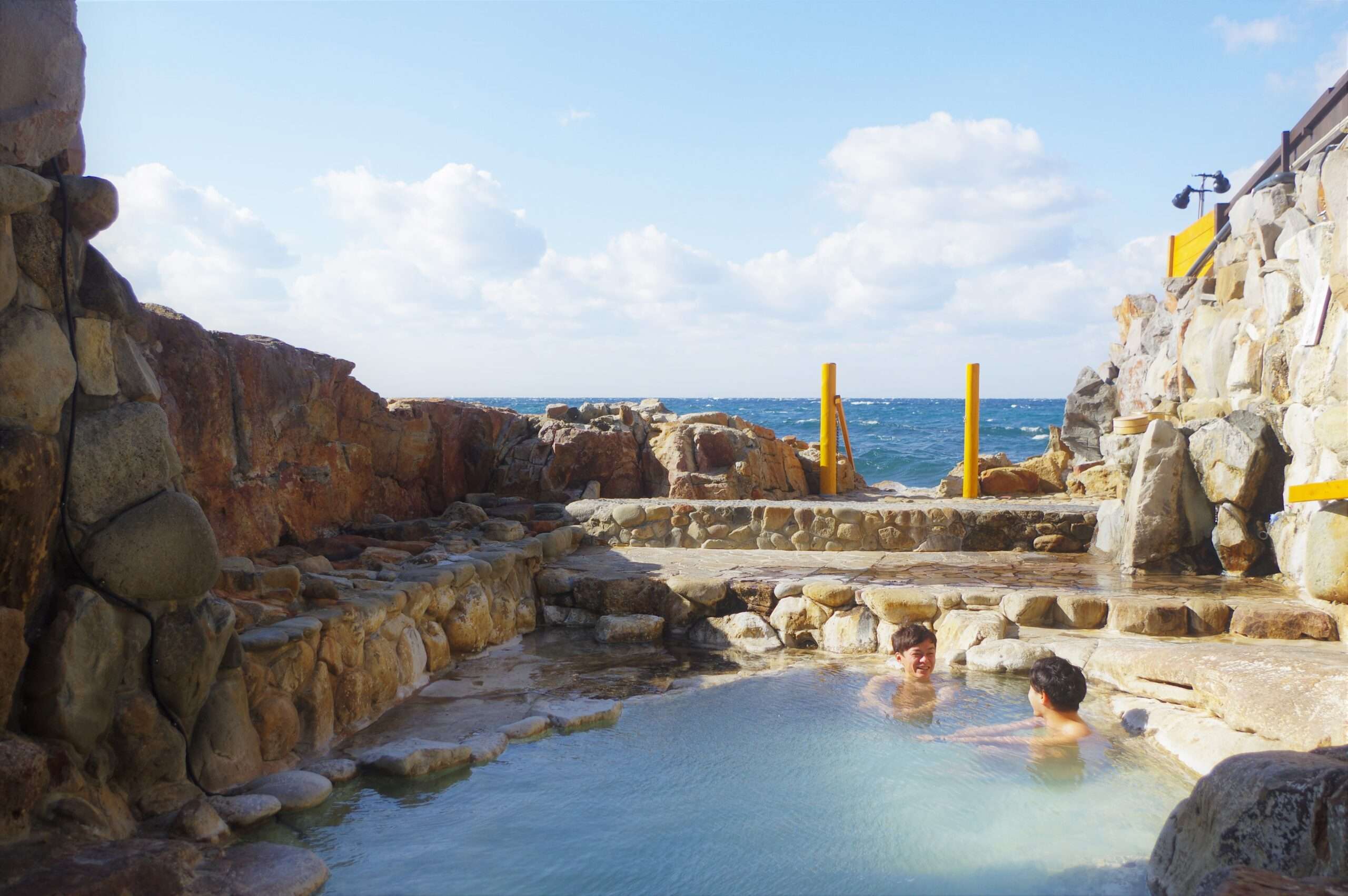
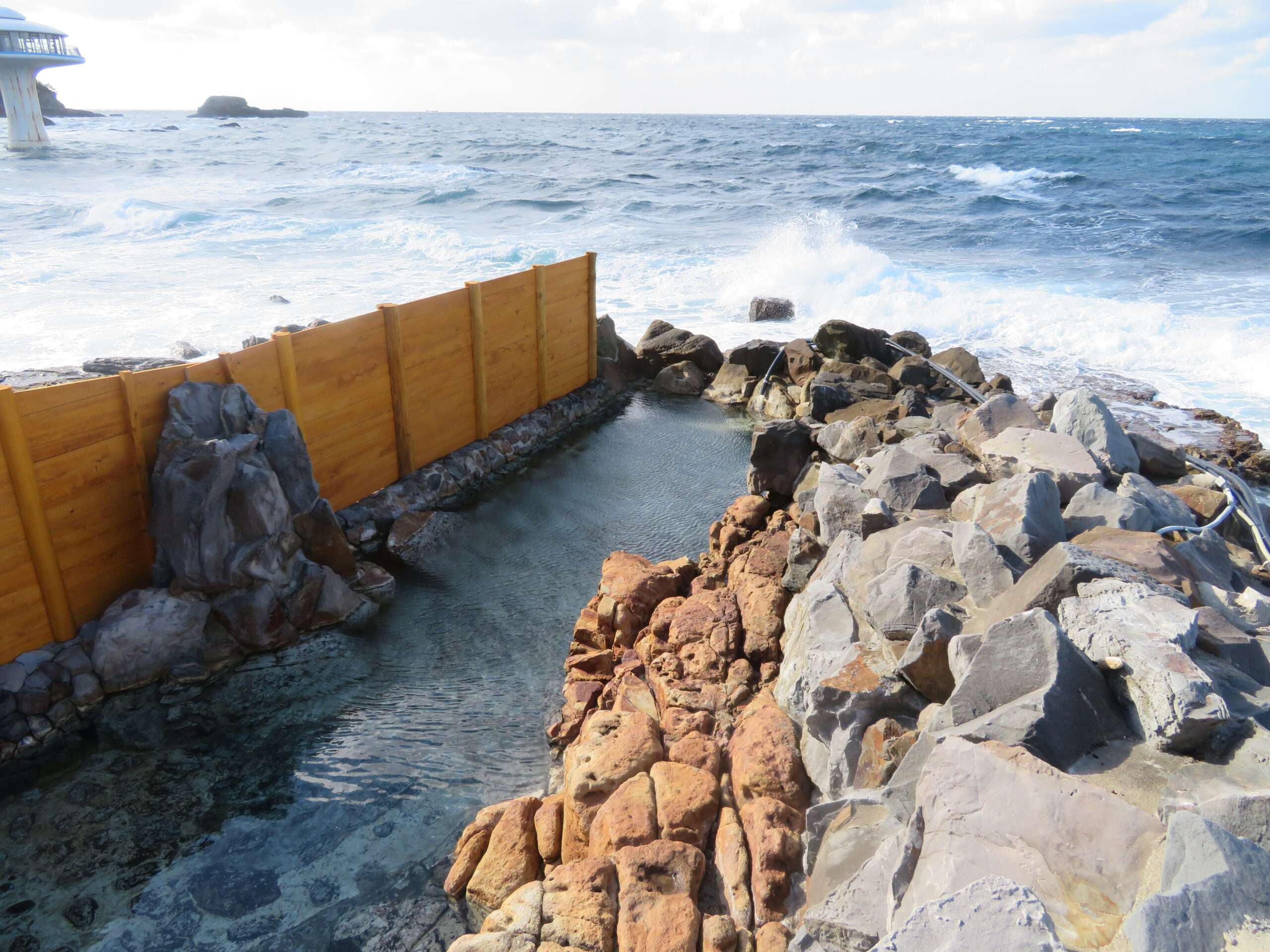
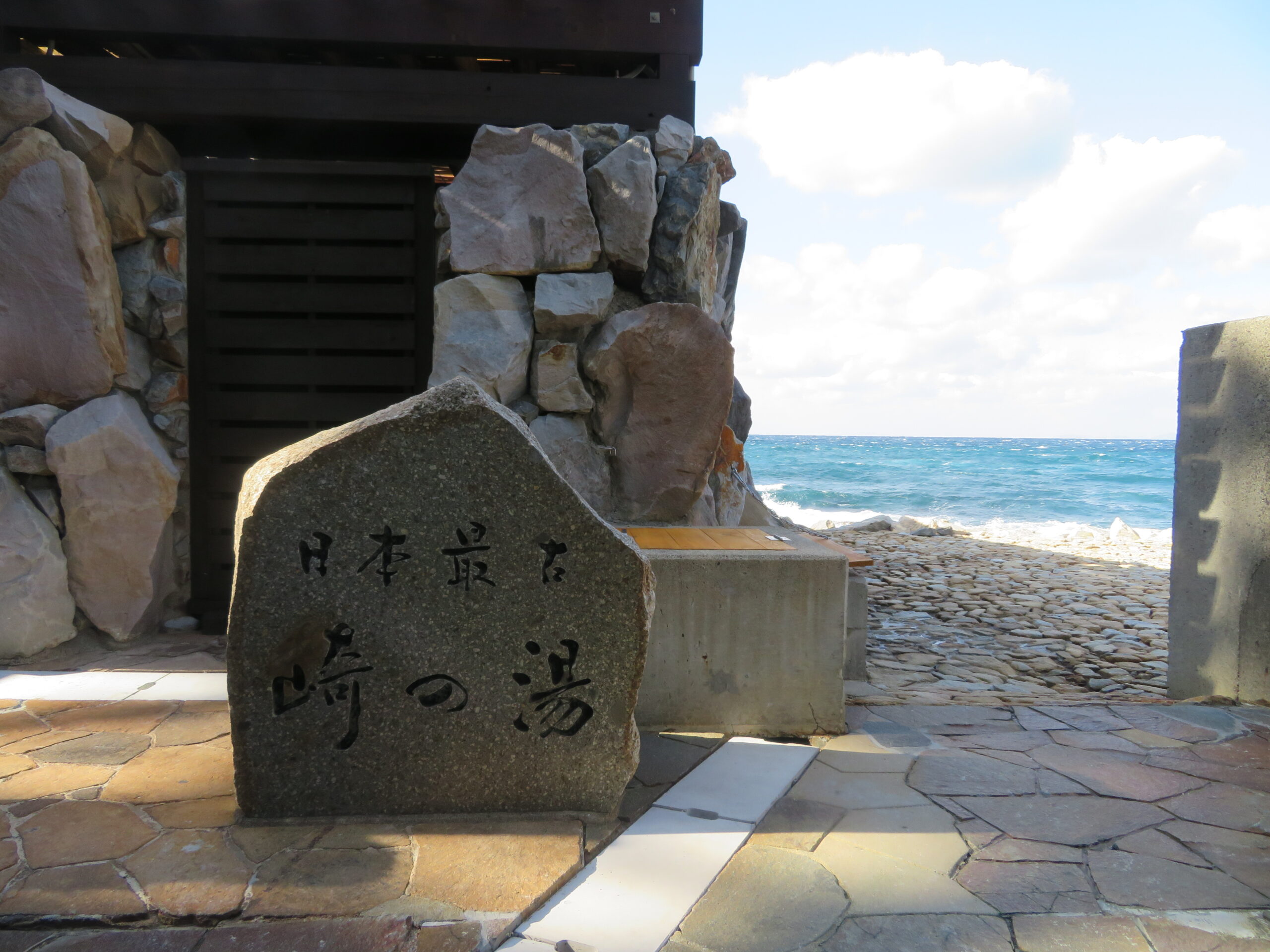
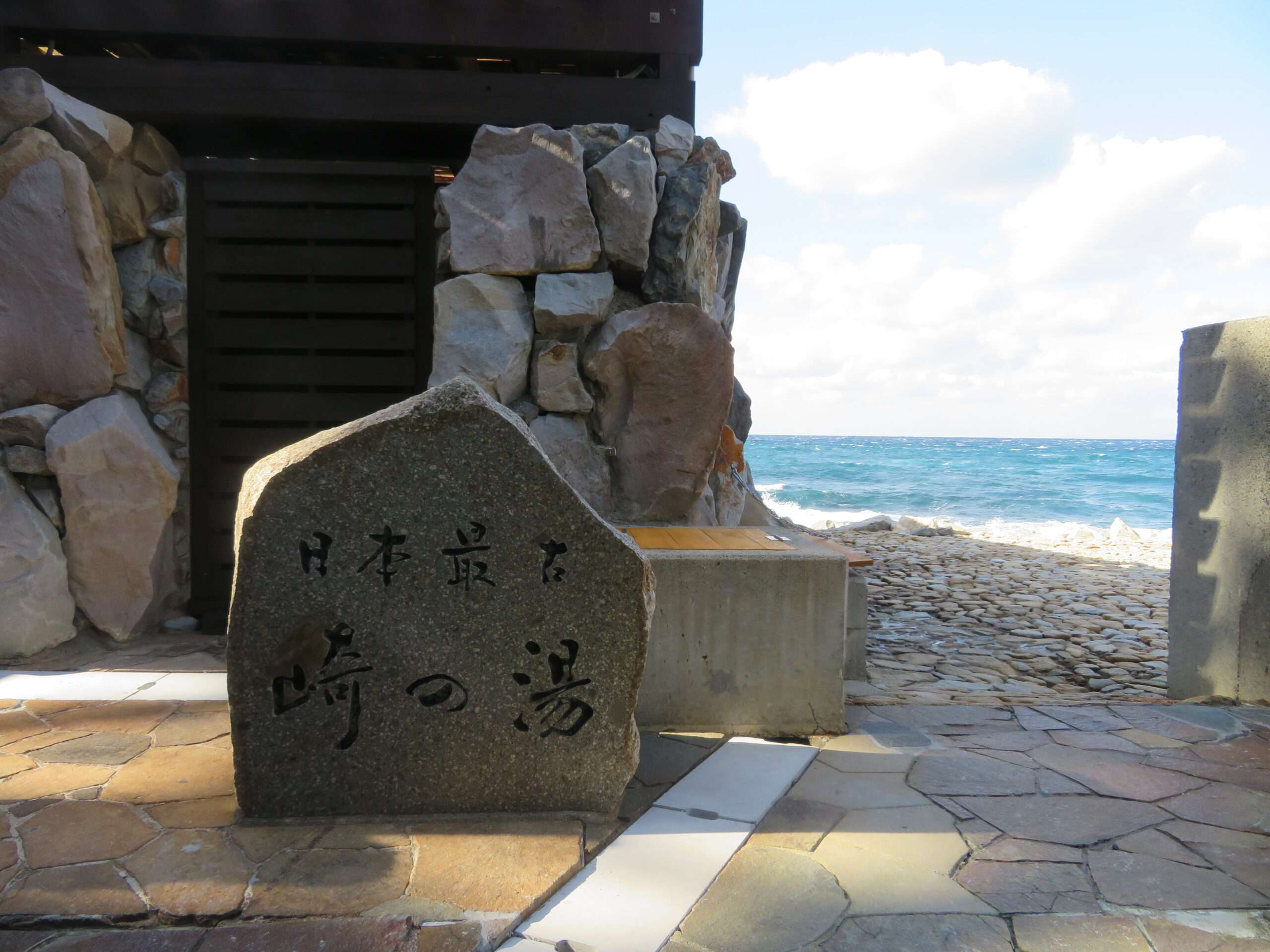
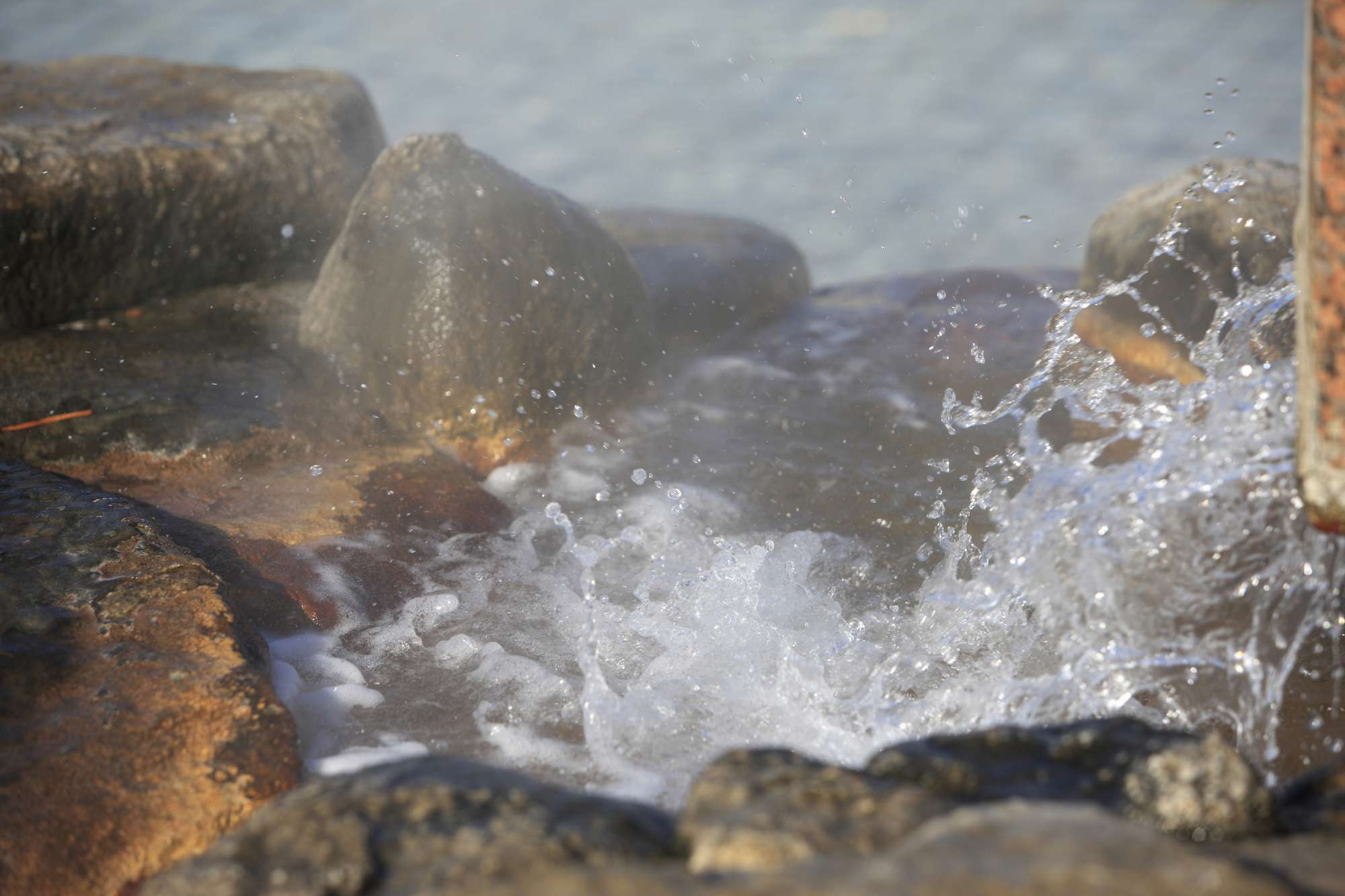
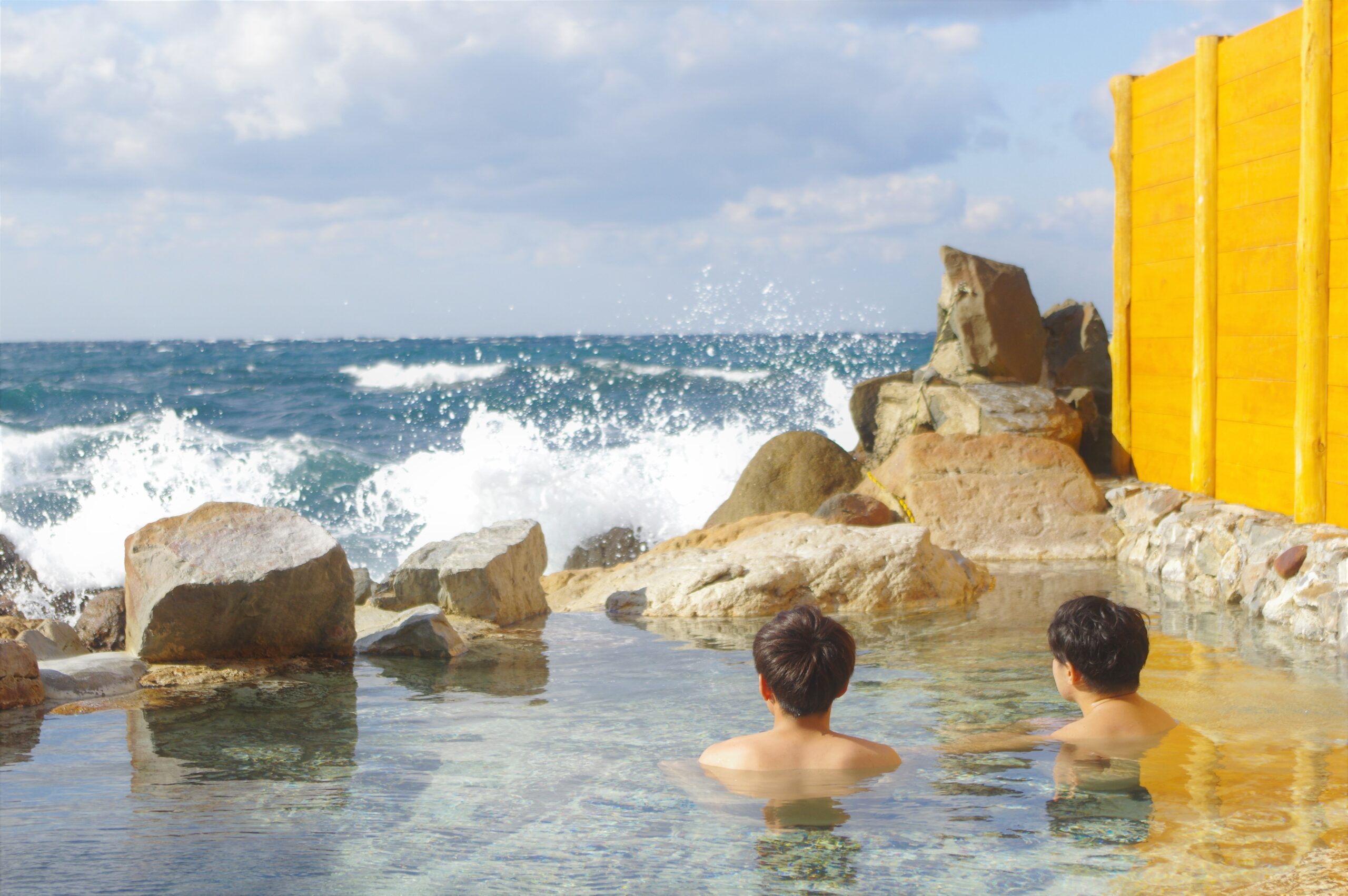
Today, Saki‑no‑Yu, maintained as a public bath, conveys the atmosphere of these early times. The Pacific Ocean opens directly before it, and the waves reach the edge of the rocks—a setting that highlights the elemental character long associated with Shirahama Onsen.
This region contains mineral‑rich geological layers, and during the Sengoku period (1467–1615) it prospered as a mining site producing lead bullets for matchlock guns. When production declined in the Edo period (1603–1868) and mining activity faded, the remaining villagers began operating toji inns, traditional therapeutic hot‑spring lodgings where guests stayed for extended periods to rest and recover. This marked the beginning of Shirahama’s development as a hot‑spring destination. At that time, Shirahama had seven natural sources. People dug small pools along the shore, lined them with stones, and used the water that rose naturally. The beauty of the coastline drew many travelers who arrived by fishing boats.
The rare transition from a mining area to a hot‑spring village is also reflected in local beliefs. Yama Shrine served both as the guardian of the lead mines and as a shrine protecting the hot springs. During the annual Kentōsai ritual, the “first water” drawn from the spring at dawn is offered to the shrine.
Across Japan, hot‑spring culture has grown in close connection with local landscapes and history.
Shirahama Onsen is part of this tradition, shaped by centuries of life along the sea.
Why don’t you take a moment to enjoy its quiet character and the sense of time that lingers here.
The Mystique of the Kii Peninsula and the Kumano Kodo
Why do people travel?
For Japan, as in many parts of the world, the earliest form of travel was pilgrimage. The Kumano Kodo—now a UNESCO World Heritage site—is often regarded as one of the origins of pilgrimage in Japan. From Shirahama Onsen, the ancient paths extend deep into the forests of the Kii Peninsula.
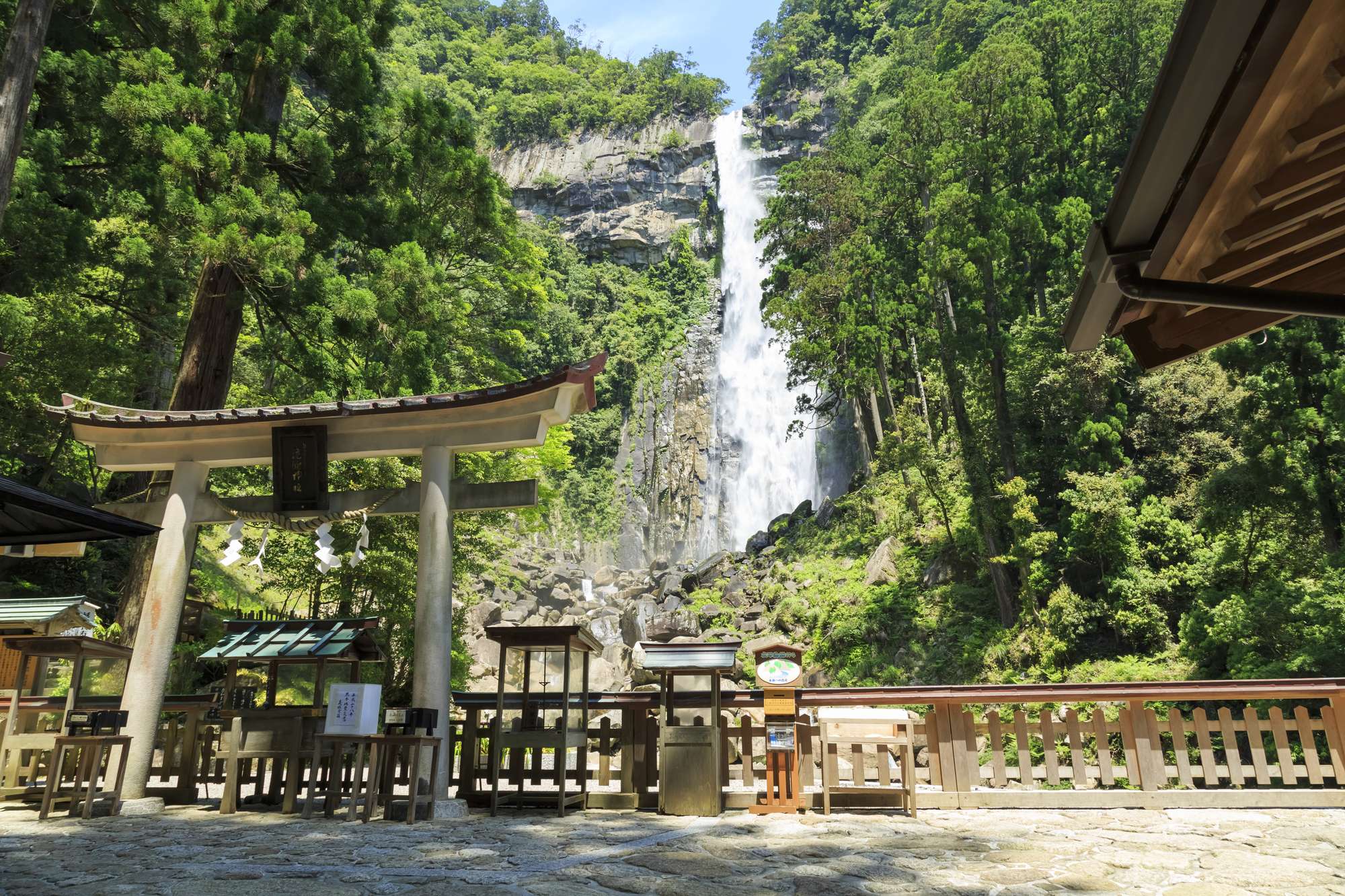
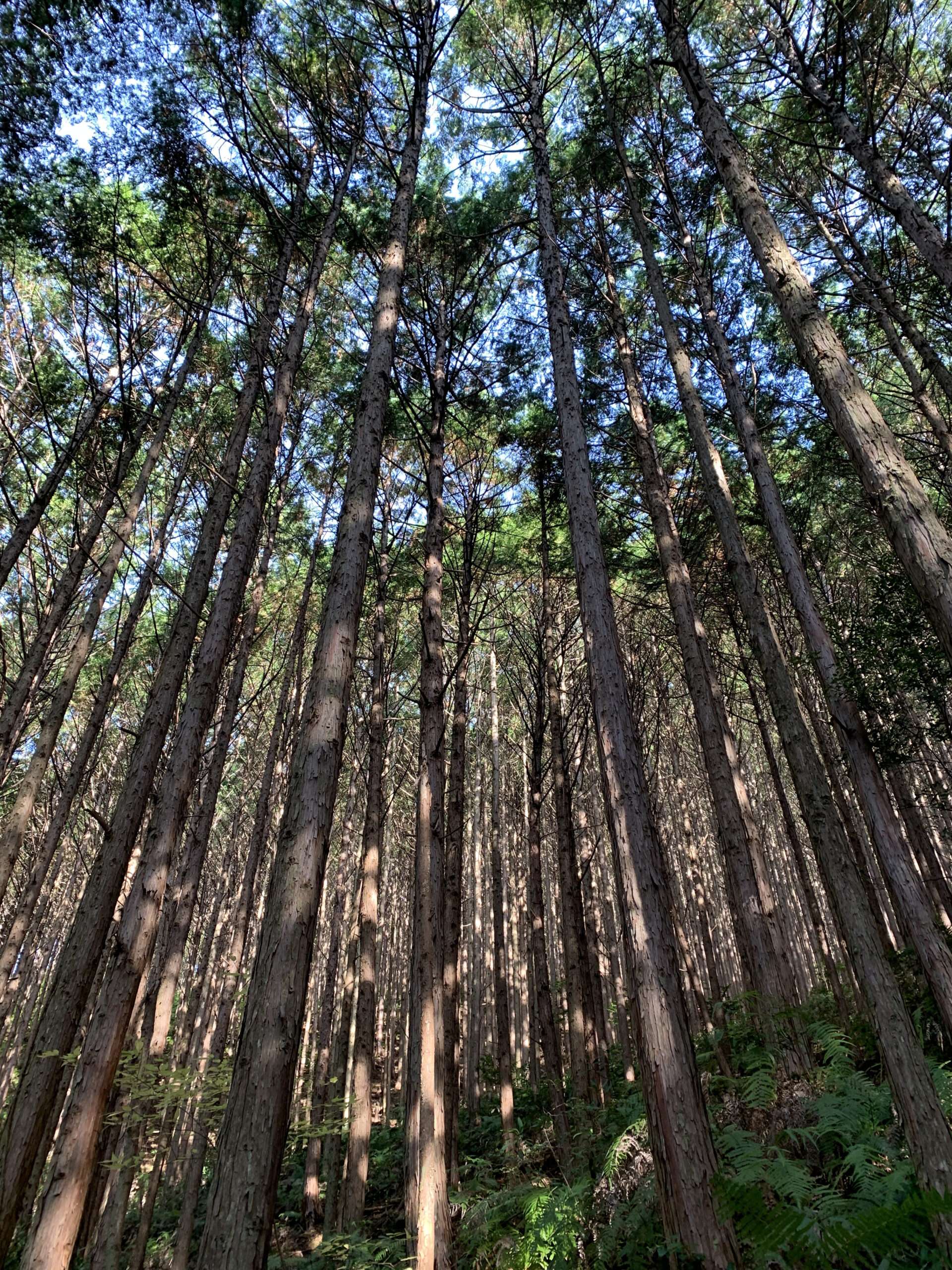
The peninsula has long been connected by mountain passes, river routes, and coastal paths that linked one inlet to another. These routes supported the movement of people and goods, and through these connections, a distinctive culture developed over centuries. In the mountains, beliefs rooted in nature—sacred waterfalls, giant rocks, and ancient trees—formed the foundation of early spirituality. Nachi Falls, the sacred object of worship at Kumano Nachi Taisha, is one of its most prominent symbols.
Japan’s religious landscape grew from this reverence for nature, forming a blended religious tradition in which Buddhism, Shinto, Taoism, and Onmyōdō came together. In Shugendō, a uniquely Japanese practice, mountain deities were understood as manifestations of the Buddha. This worldview shaped the sacred sites of the Kii Peninsula and the faith of Kumano.
The Kumano pilgrimage routes welcomed people from all walks of life, including those with physical disabilities and women—an inclusive tradition rare for its time. From emperors to commoners, countless travelers made their way to these mountains, and today the paths continue to draw visitors from around the world.
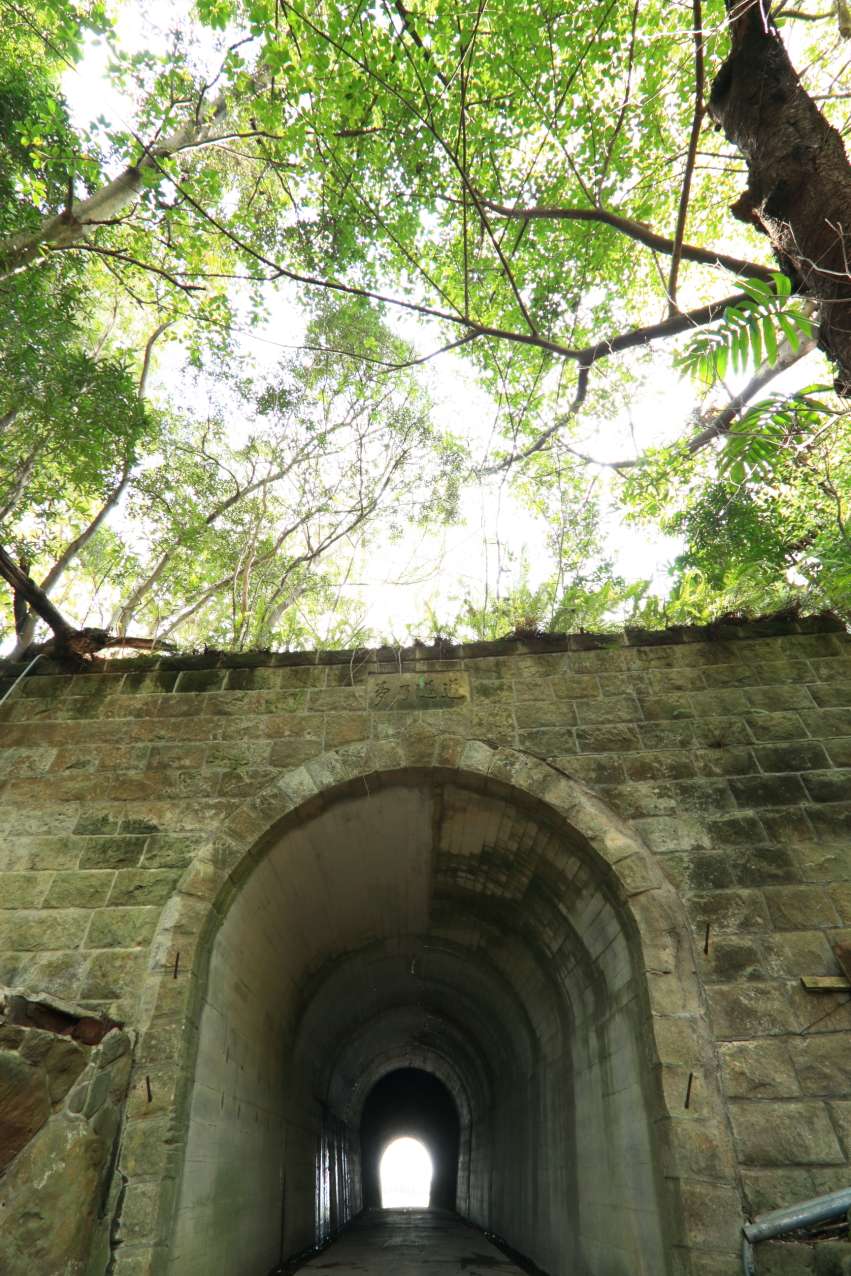
Near Shirahama Onsen, Sodoji Temple marks the entrance to Tondazaka, a stone‑paved mountain pass on the Ohechi Route of the Kumano Kodo. The pass retains the atmosphere of earlier centuries and is recognized as part of the World Heritage site. In spring, the temple grounds fill with cherry blossoms, offering a landscape that reflects Japan’s seasons, its sensitivity to nature, and the quiet spirit of pilgrimage.
Enjoy the calm of Shirahama Onsen, and let the Kumano Kodo draw you gently into the deeper spirit of the Kii Peninsula.
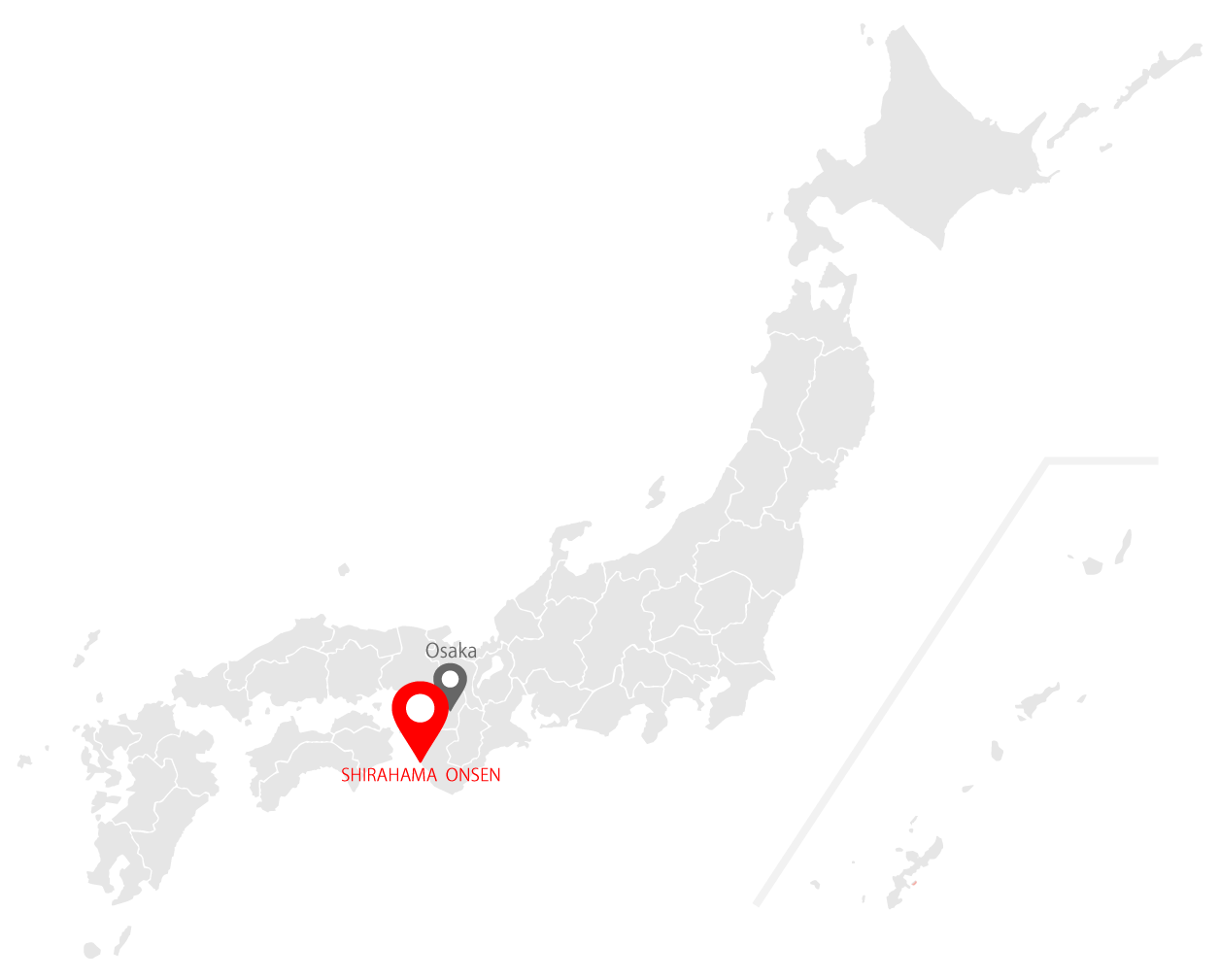
ACCESS
Wakayama Prefecture / Shirahama Town
 Ltd. Exp. Kuroshio
approx. 2h 30m
 Flight
approx. 1h
 Bus
Busapprox. 20m
Exploring Shirahama Onsen
A Journey into Japan’s Ancient Hot‑Spring Heritage
Shirahama Onsen has a history of 1,350 years. Overlooking the Pacific Ocean from the Kii Peninsula, it has long been valued as a place for rest and recovery. Its waters are rich in sodium bicarbonate, which leaves a light mineral layer on the skin, helping retain warmth and moisture. With its mild climate throughout the year, Shirahama is also known as a popular seaside destination.
Among its many baths, Saki‑no‑Yu carries the oldest lineage. Records note that Empress Jitō (686–697) and Emperor Monmu (697–707) bathed here, and the hot spring—then called Muro Onsen—appears in both the Nihon Shoki (720) and the Manyoshu (c. 759). The open‑air rock bath sits at the edge of the Pacific, where waves break against the shore and the scent of sulfur mingles with the sea breeze. It is said that people in ancient times also bathed in natural pools formed by the erosion of sandstone, gazing out at the ocean much as visitors do today.
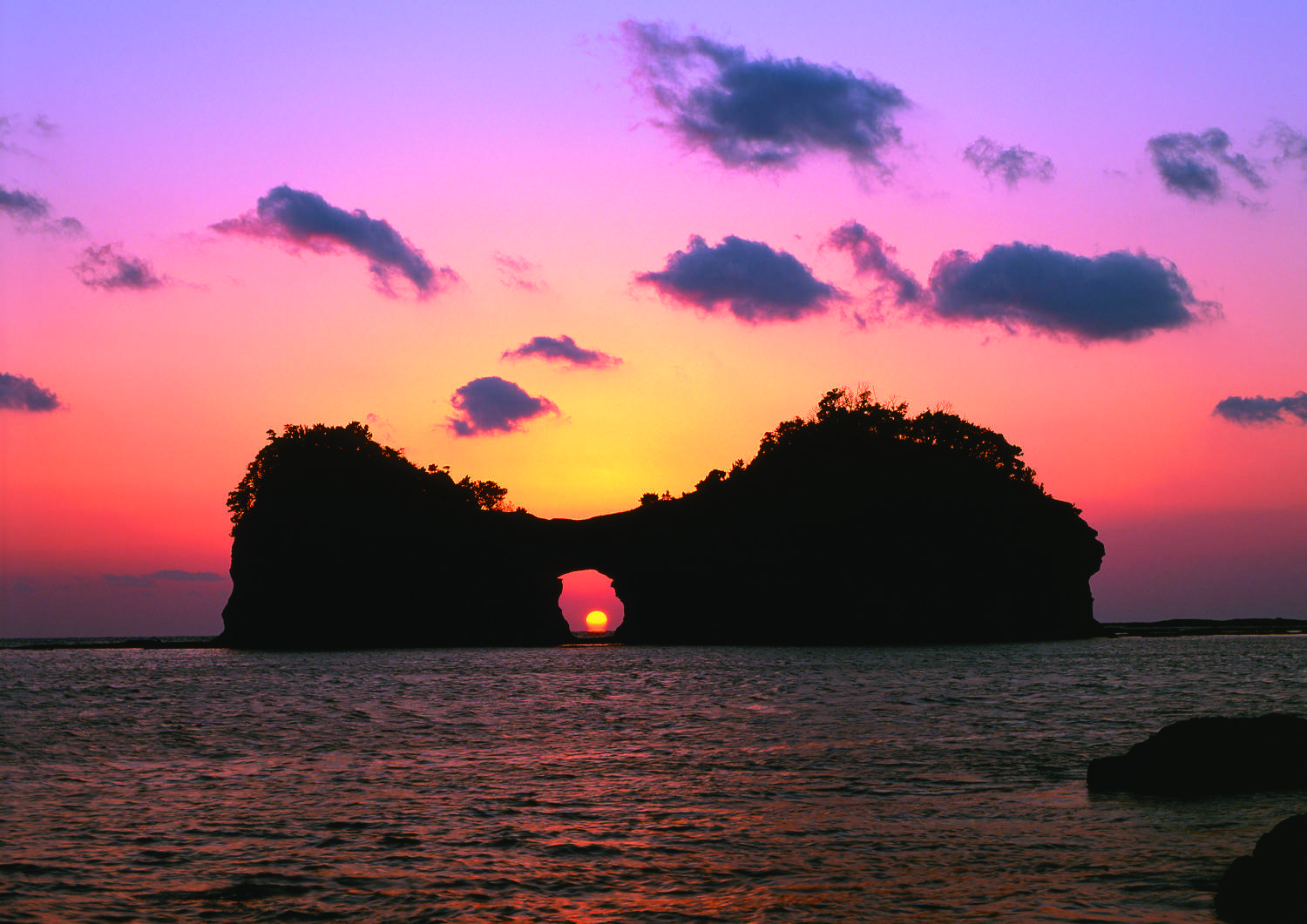
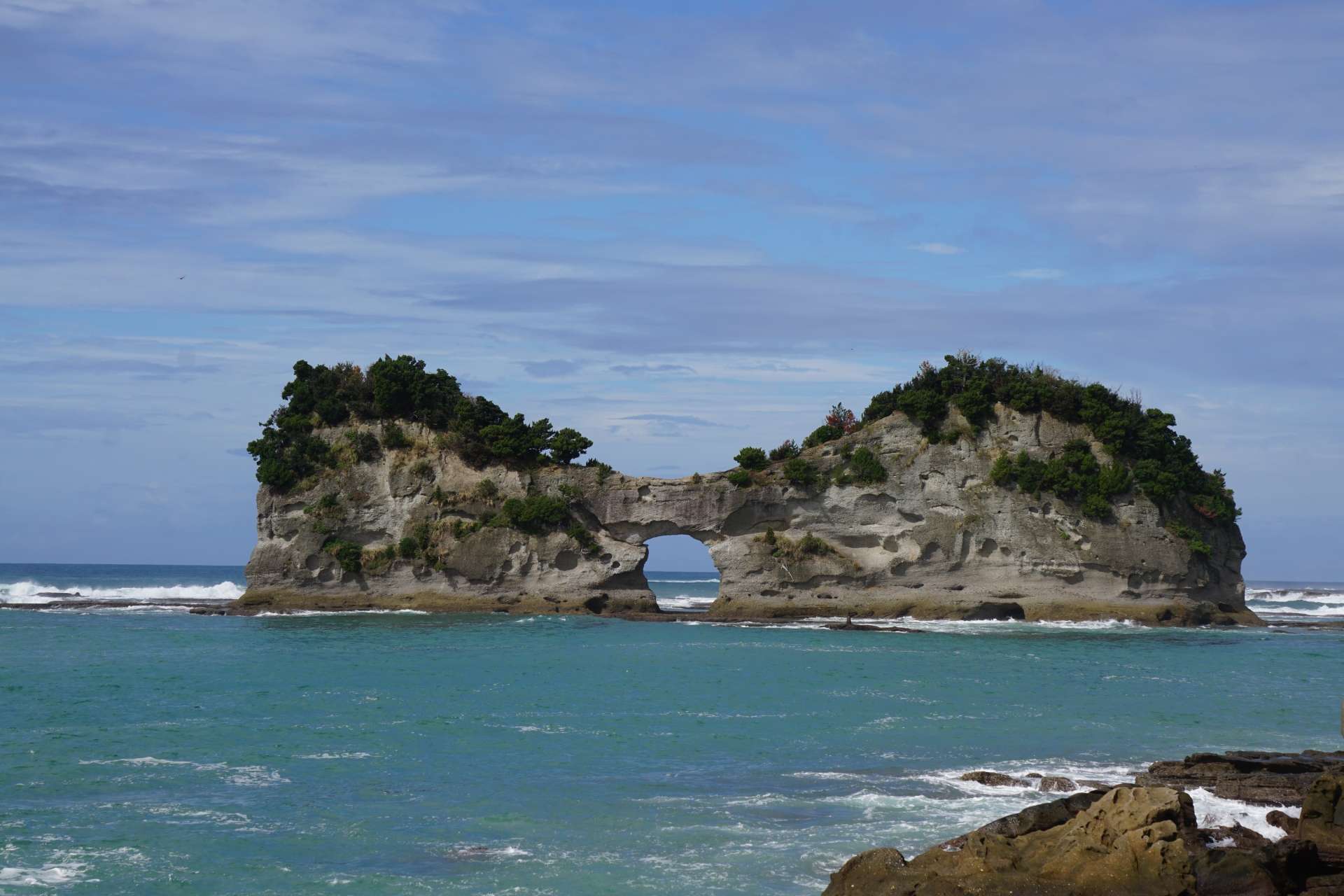
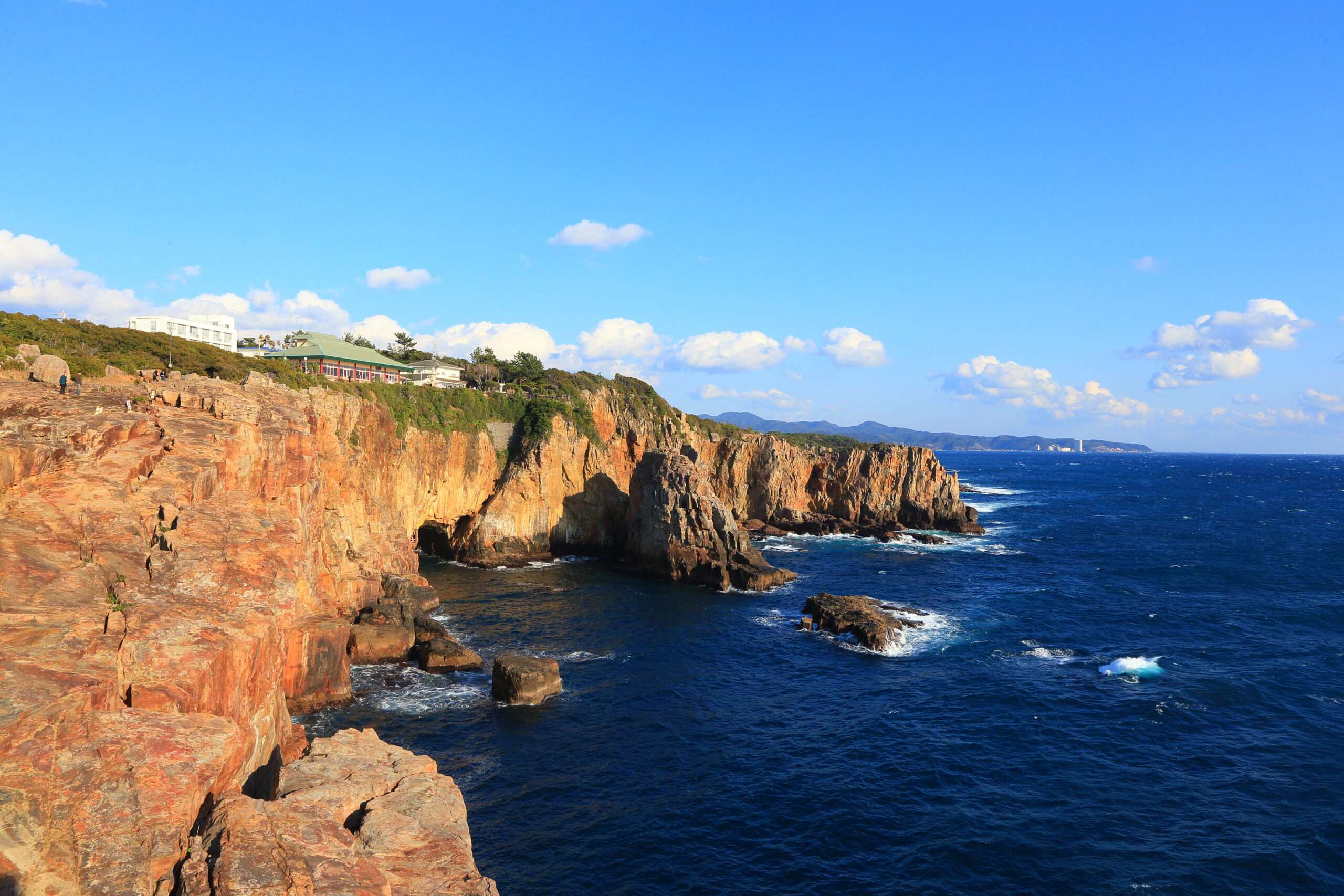
This area lies within Yoshino‑Kumano National Park and is part of the Nanki‑Shirahama Geopark. The region is known for striking coastal formations and geological features:
– Senjojiki, a broad expanse of sandstone shaped by ancient seabeds and rich in marine fossils
– Sandanbeki, a dramatic cliff where mineral‑rich water seeps through the rock and the tides carve the cave below
– Engetsu‑to, a small island with a naturally formed round opening at its center
Traces of Japan’s spiritual traditions also remain throughout Shirahama.
Kumano Yama Shrine enshrines the stone on which Empress Saimei is said to have rested during her visit to Muro Onsen.
Yama Shrine, once the guardian of the local lead mines, also honors the blessings of the hot springs.
Hongaku‑ji, closely connected to the Kishu branch of the Tokugawa Shogunate Family, preserves offerings from local residents.
Together, these sites reflect the long history shared by the imperial family, samurai, and the people who lived here.
Take your time to enjoy the long story of Japan’s hot‑spring culture and the beautiful landscapes that begin in Shirahama Onsen
Kumano Kodo Ohechi
A Coastal Route Tracing Japan’s Ancient Tradition of Respect for Nature
The World Heritage Site “Sacred Sites and Pilgrimage Routes in the Kii Mountain Range” preserves the landscapes and pathways once walked by religious practitioners in their training toward enlightenment. Over time, these routes became a form of pilgrimage for people across Japan.
Kumano Sanzan, Koyasan, and Yoshino–Ōmine each nurtured distinct traditions: Shinto, rooted in ancient reverence for nature; Buddhism, introduced from China and developed uniquely in Japan; and Shugendo, which blended elements of both. These sacred places, where different beliefs coexisted within the same landscape, became deeply connected to the surrounding natural environment and to the spiritual culture of the people. This harmony between diverse faiths and the profound natural setting is central to the cultural value of the area.
Kumano Kodo Nakahechi and Ohechi, which form part of this heritage, lie close to Shirahama Onsen. The area retains a sense of Japan’s older rural scenery and a quiet atmosphere that conveys the long‑held respect for nature.
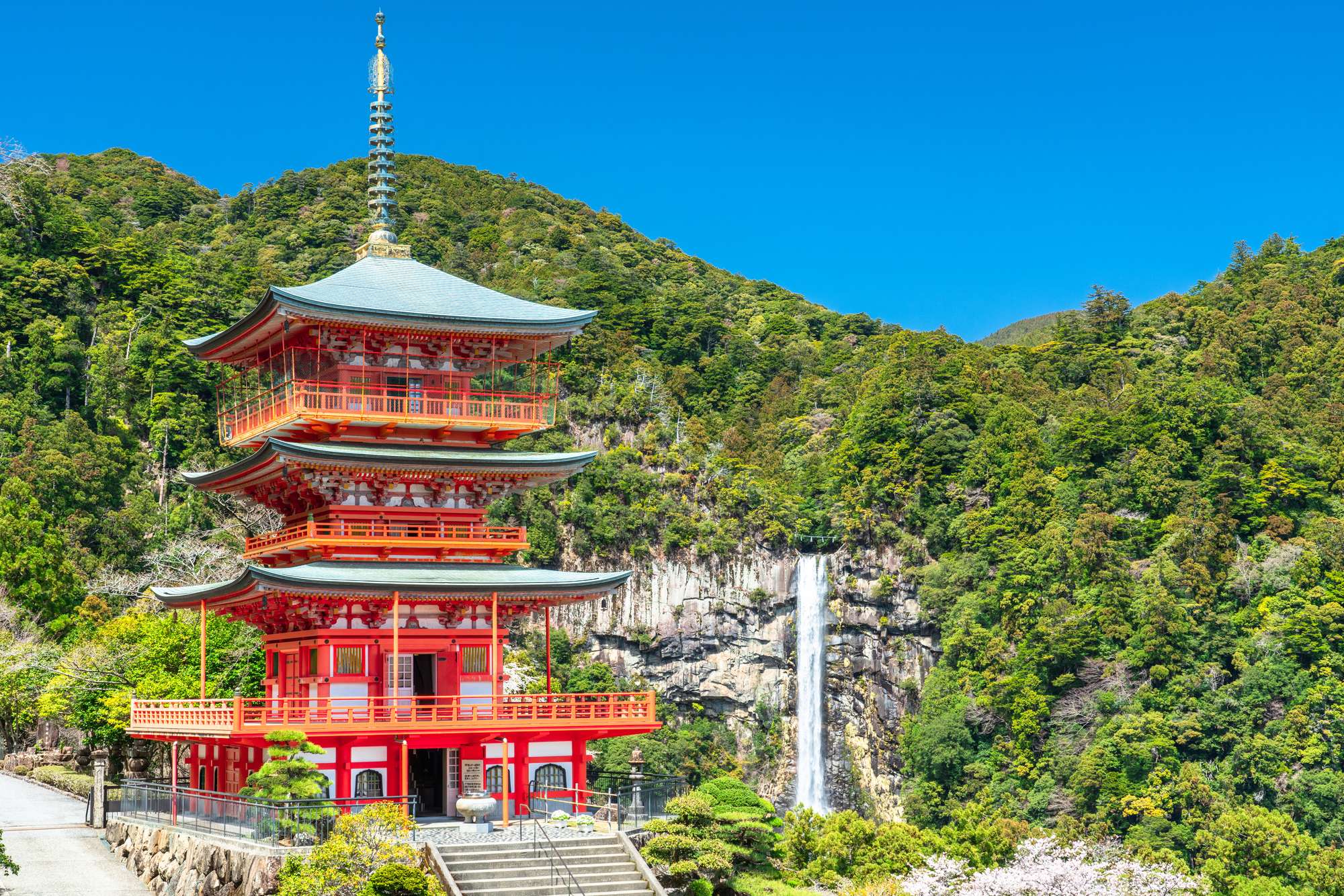
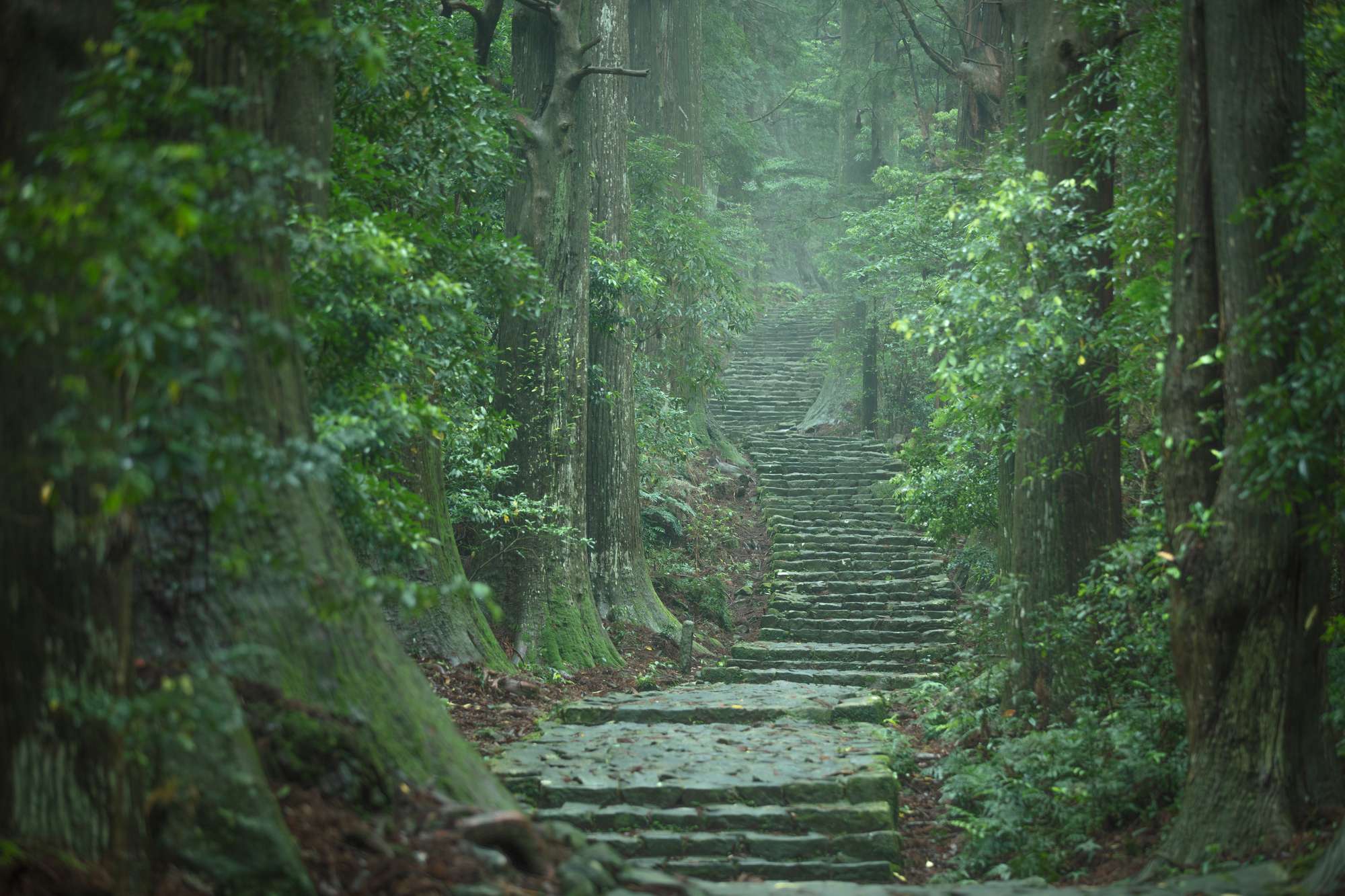
The Ohechi route begins near Sodo‑ji, a Zen temple in the Tonda area of Shirahama. The temple grounds and a section of the Tondazaka slope are included in the World Heritage designation. Walking through the forested path, travelers encounter Nanamagari, a steep series of switchbacks known as one of the most challenging points on the Ohechi. Beyond the climb, the trees open to reveal views of the Tonda Plain and the Yuzaki Peninsula. The sweeping scenery of Nanki‑Shirahama and the Pacific Ocean, together with the quiet time spent walking this historic route, offers a moment of reflection that feels deeply personal rather than something to be obtained.
A highlight along the mid‑section of the Ohechi is the Ago Crossing, where travelers board a small wooden boat to reach the opposite shore. The clear river reflects the seasonal colors of the surrounding forest, and the simple act of crossing by boat evokes the atmosphere of the Edo period.
Throughout the Kumano Kodo, local storytellers known as Kishu Kataribe share the history, culture, and natural heritage of the area. Even first‑time visitors can enjoy the walk by choosing a route suited to their time and pace while listening to the guide’s narratives.
From the coast to the mountains of the Kii Peninsula, the Kumano Kodo carries the stories of those who traveled before.
If you are visiting Shirahama, let your journey continue into the quiet depth of this historic pilgrimage route.
Shirarahama
A Crescent of White Sand Beautiful in Every Season
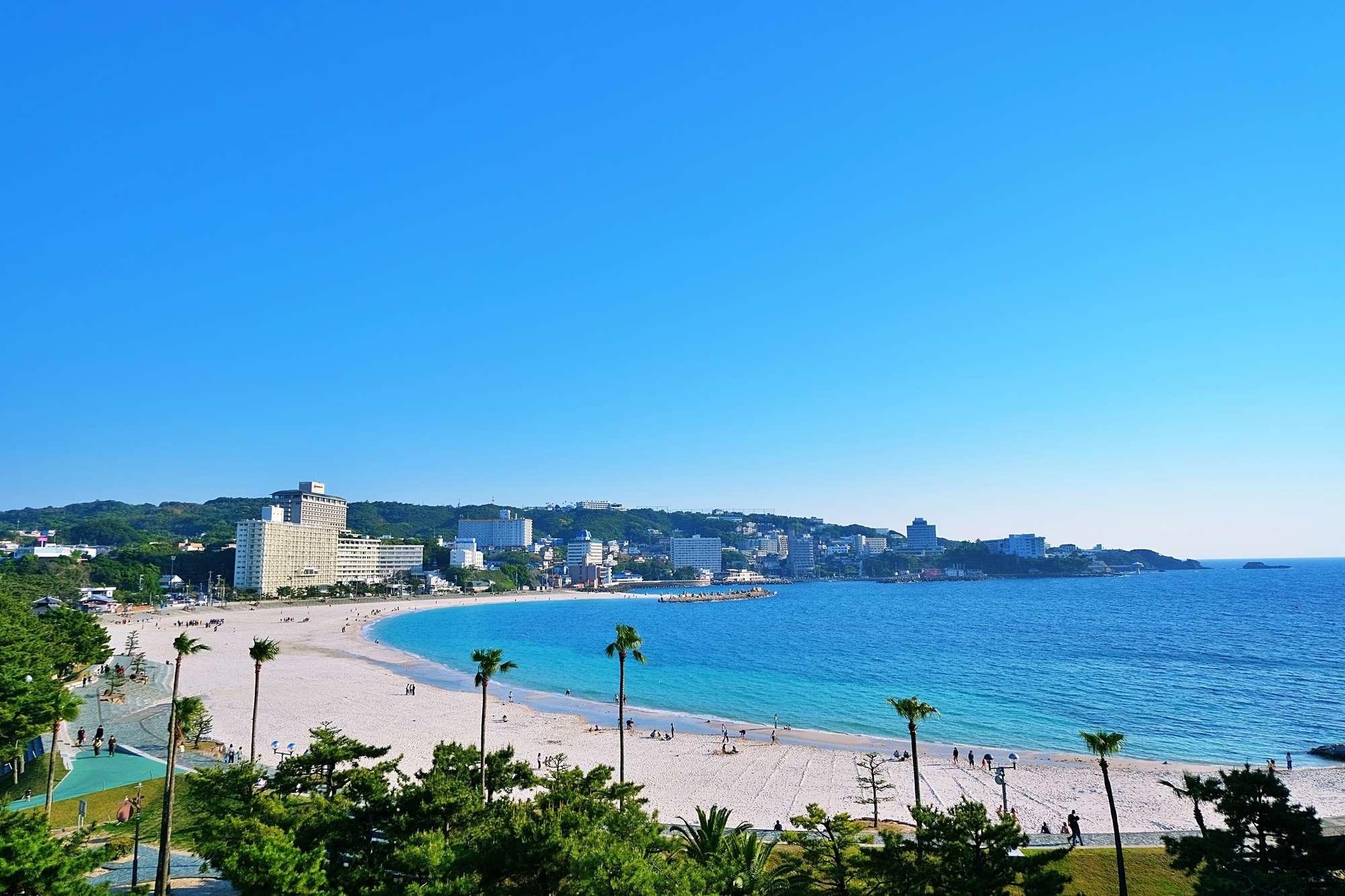
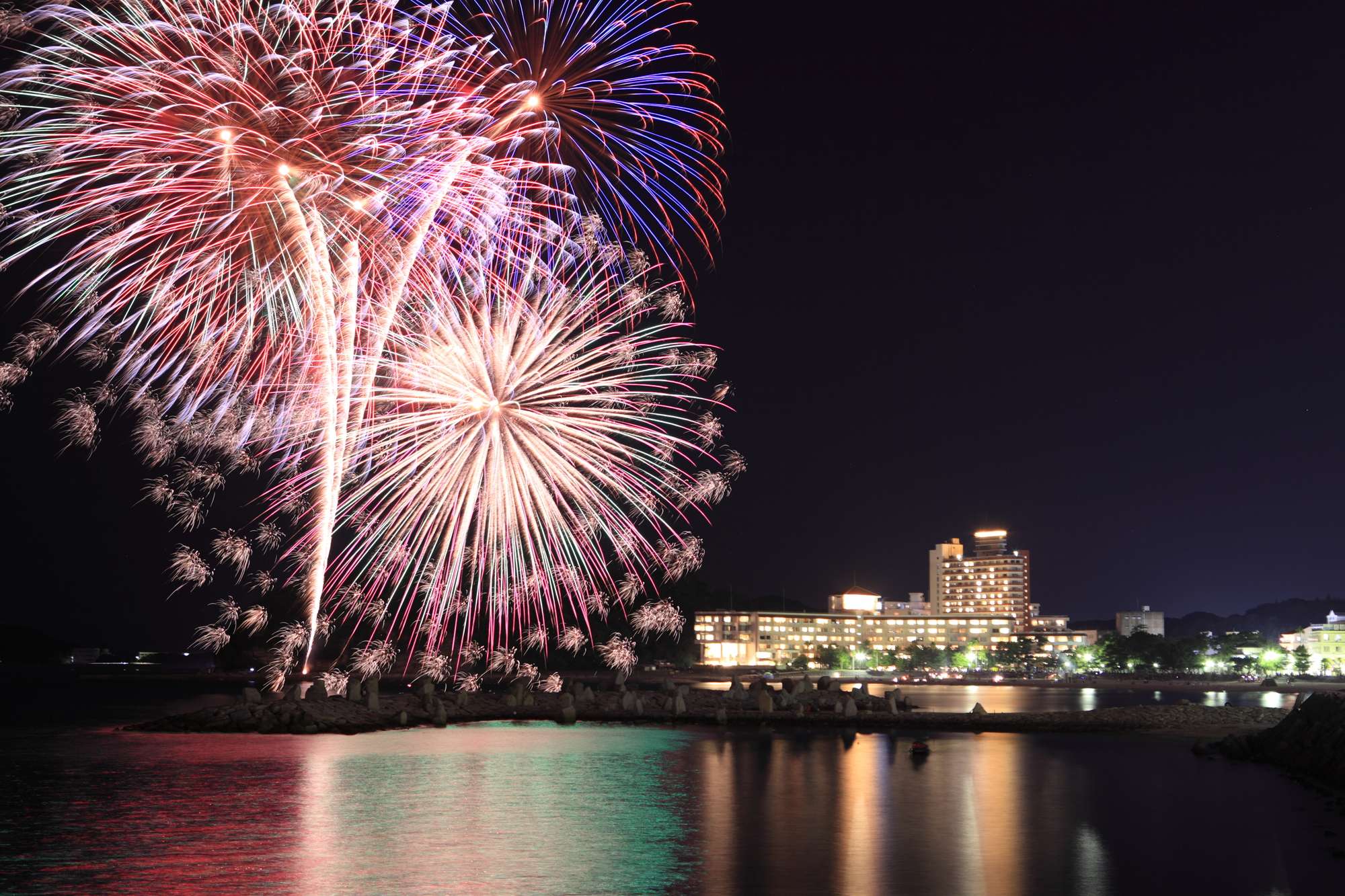
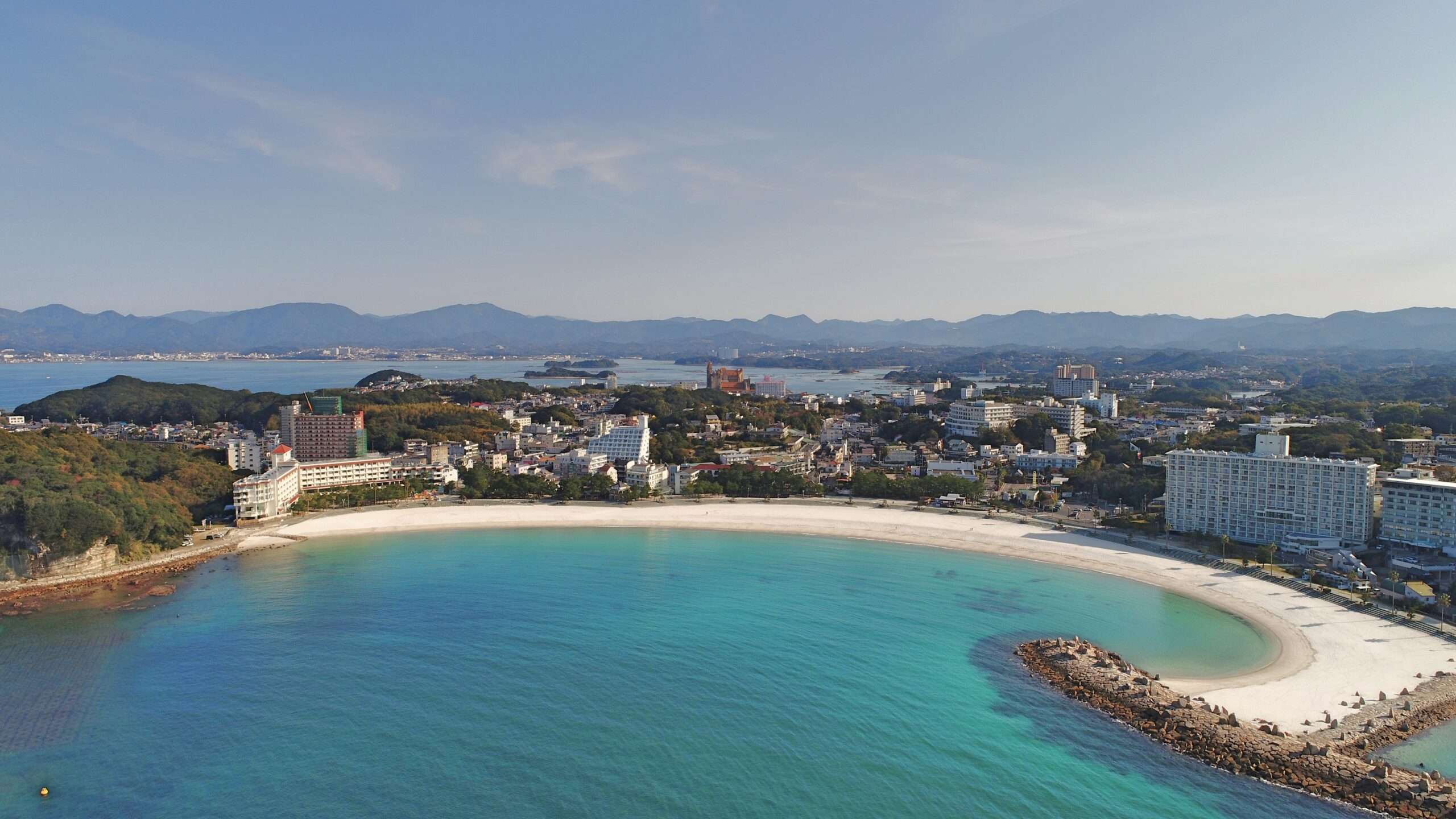
Shirarahama is the heart of the Shirahama Onsen area and one of the leading beach destinations in western Japan, welcoming around 600,000 visitors each year. Its carefully maintained white‑sand beach and stone‑paved promenade offer a calm and pleasant setting not only during the summer swimming season but also in the mild late‑winter and spring months, making it an appealing place for a quiet seasonal stay. In summer, visitors can enjoy fireworks, water activities, yoga, SUP, and a variety of other experiences. The luxury beach café Suntide Café & Bar provides an ideal setting to take in the ocean view and sunset, with relaxed aperitif time, open‑air terrace seating, and a wide selection of sweets and light dishes.
From November to March, when swimming is off‑season, a special illumination event transforms the nighttime shoreline into a gentle, quietly glowing landscape, creating a romantic atmosphere distinct from the lively summer beach.
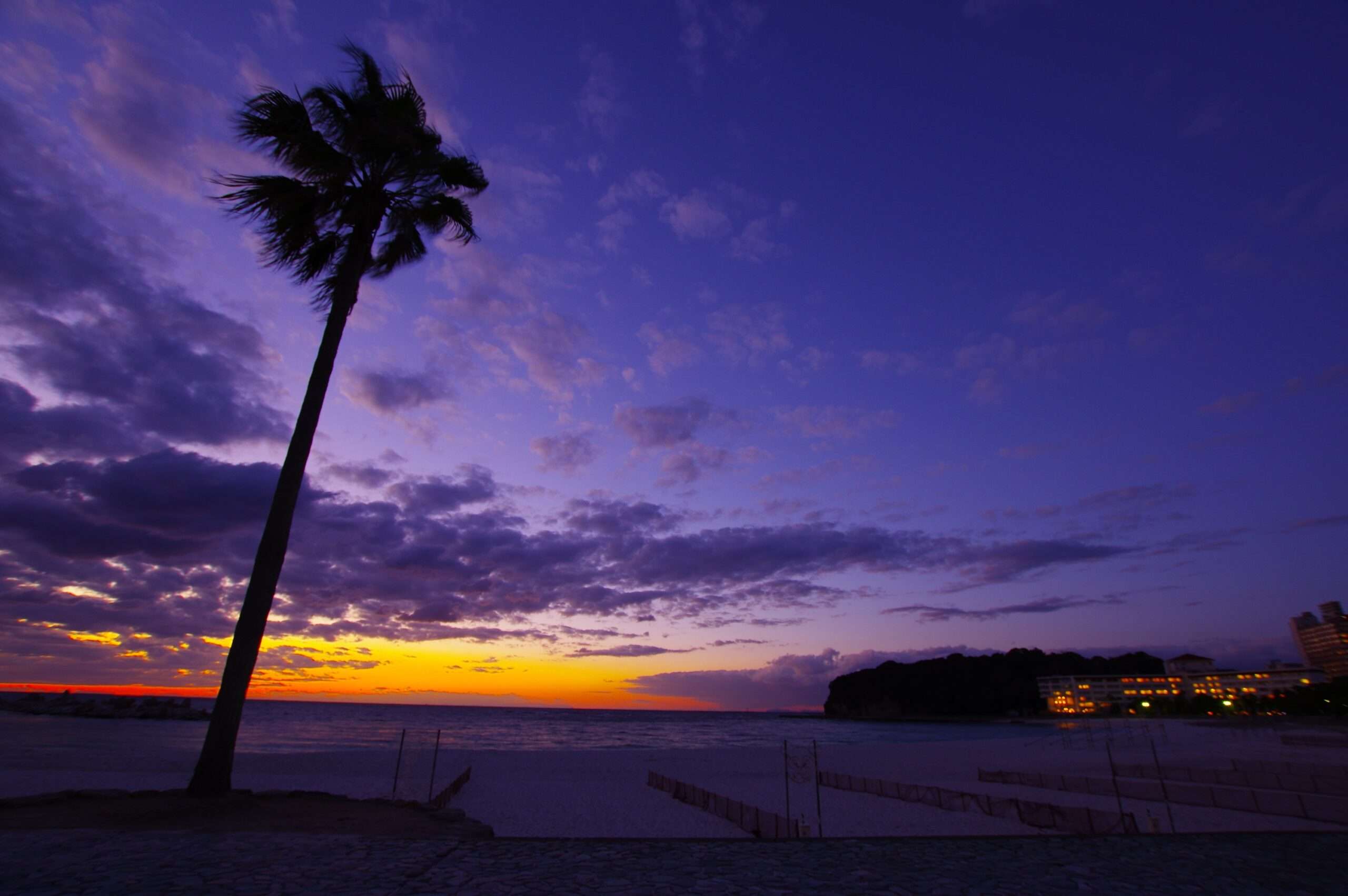
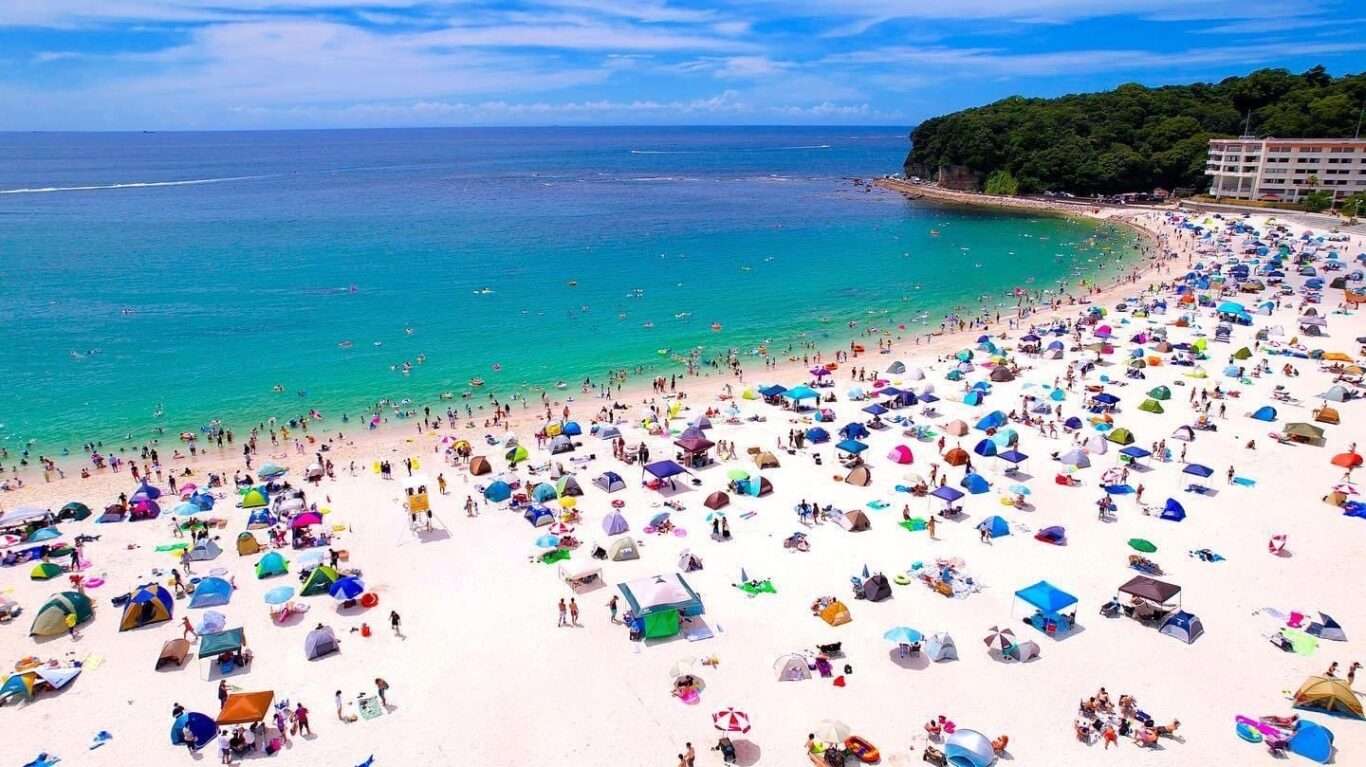
Local flavors also enrich the stay: sweets and aperitifs made with Kishu plums, premium Ise‑ebi spiny lobster, and the rare, highly regarded kué grouper offer a dining experience that blends regional character with the ease of a beach resort.
Several luxury hotels in the Shirahama Onsen area offer views of Shirarahama Beach. Among them, Infinito Hotel & Spa stands on a quiet hill slightly removed from the shoreline, providing sweeping ocean views over Engetsuto Bay where the beach meets the Pacific. Its flowing hot‑spring infinity bath, designed to blend with the sea, creates a moment that feels entirely removed from everyday life.
With its seasonal beauty, coastal scenery, hot springs, and local cuisine, Shirarahama offers a stay that brings together the best of Japan’s landscape and beachside relaxation.
Spend time here and let the calm of this shoreline become part of your journey.
ONSEN EXPERIENCES
TOURISM GUIDE
Pick Up
A Three‑Day Journey into the Culture of Shirahama Onsen
A thoughtfully paced three‑day itinerary that invites you to experience the depth of Shirahama through two complementary perspectives: a quiet, luxurious stay and a gentle exploration of its cultural heritage.