

Izumo
Explore Izumo
Izumo: Where Japan’s Spiritual Story Begins
The Ancestral Ground of Sumo
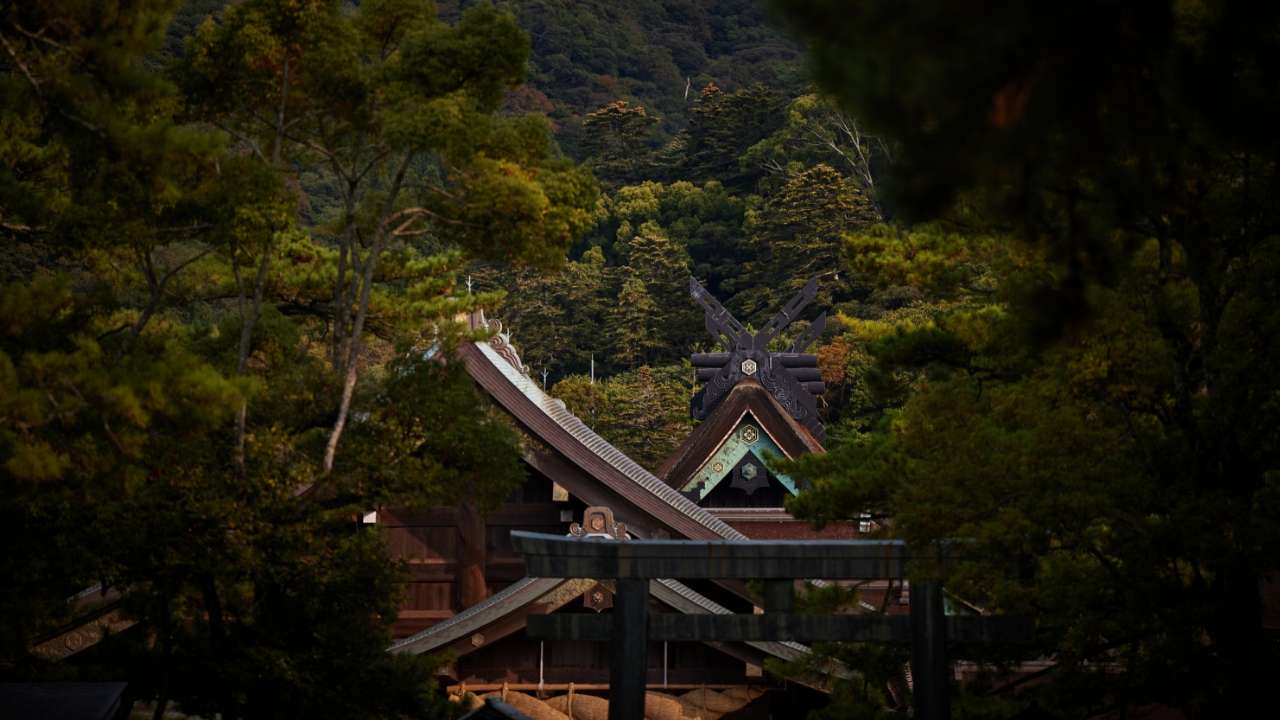
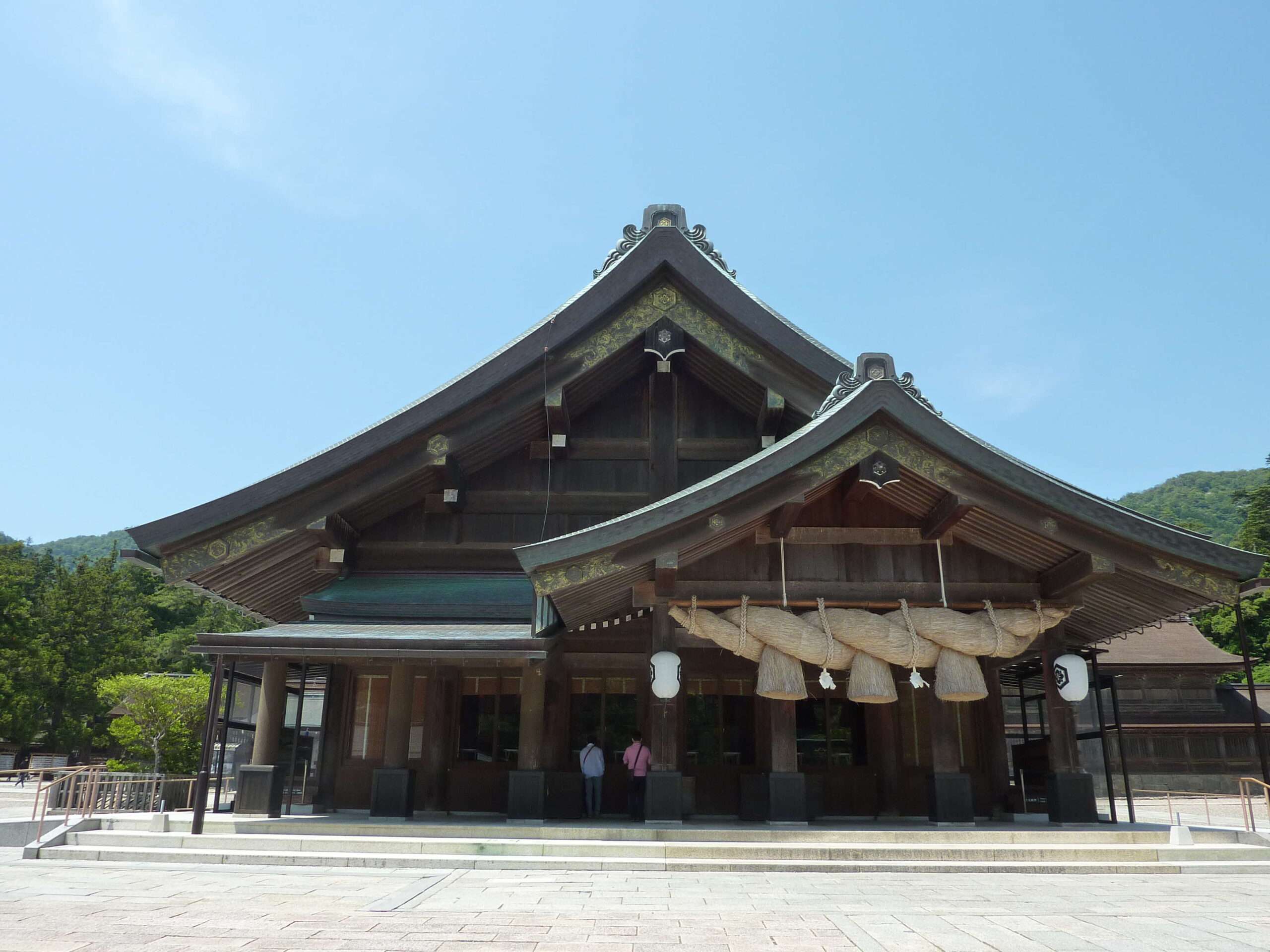
Izumo is a land shaped by myths of nation‑building and the transfer of the land, and a place where deities from across Japan are said to gather. With Ōkuninushi enshrined at Izumo Taisha, this region is regarded as the beginning of the Japanese sensibility that values quiet, unseen bonds.
Japan’s oldest chronicle, the Kojiki, recounts the story in which Takeminakata and Takemikazuchi competed for the right to rule. The Nihon Shoki also preserves the tale of Nomi no Sukune defeating Taima no Kehaya, a narrative considered part of the earliest origins of Sumo.
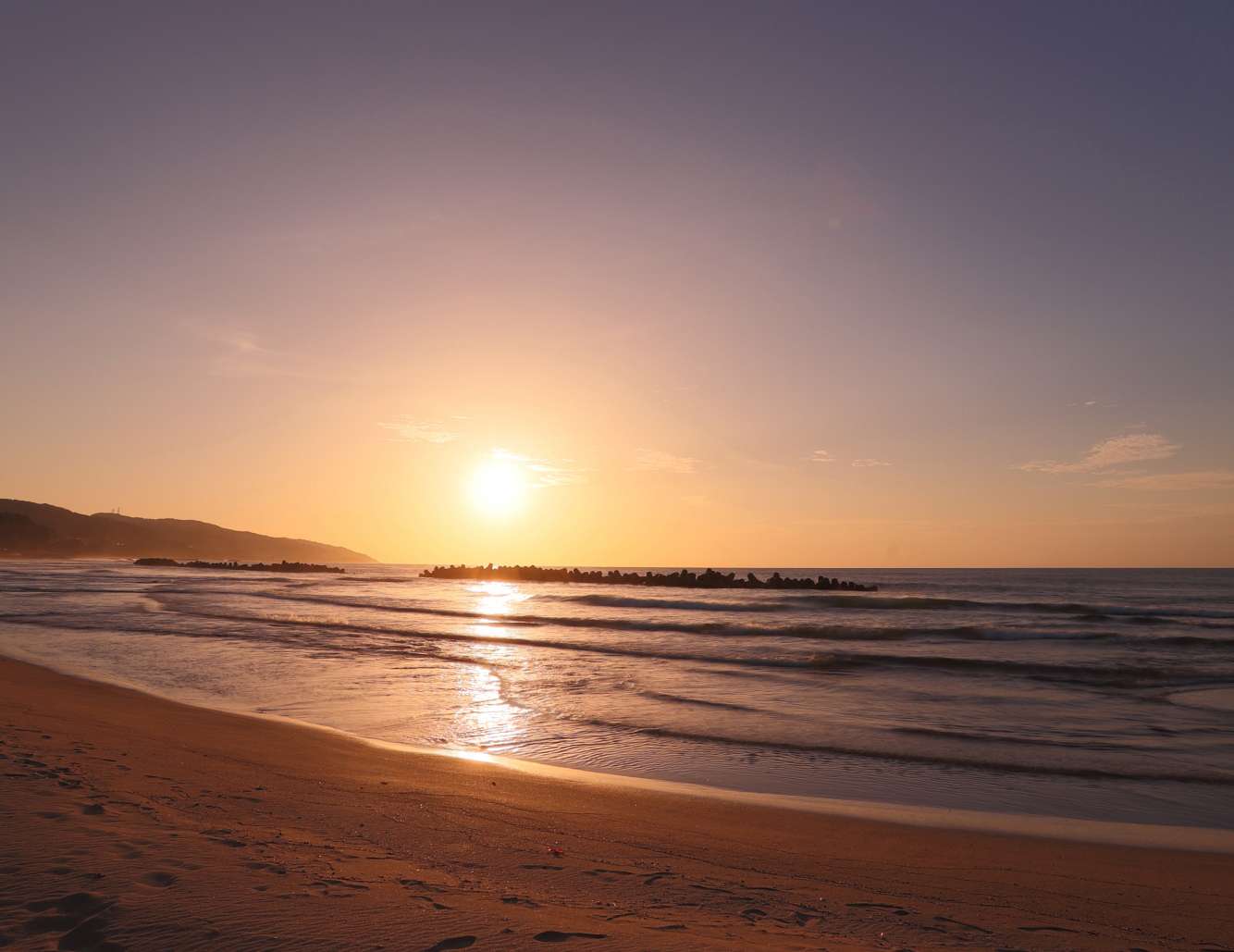
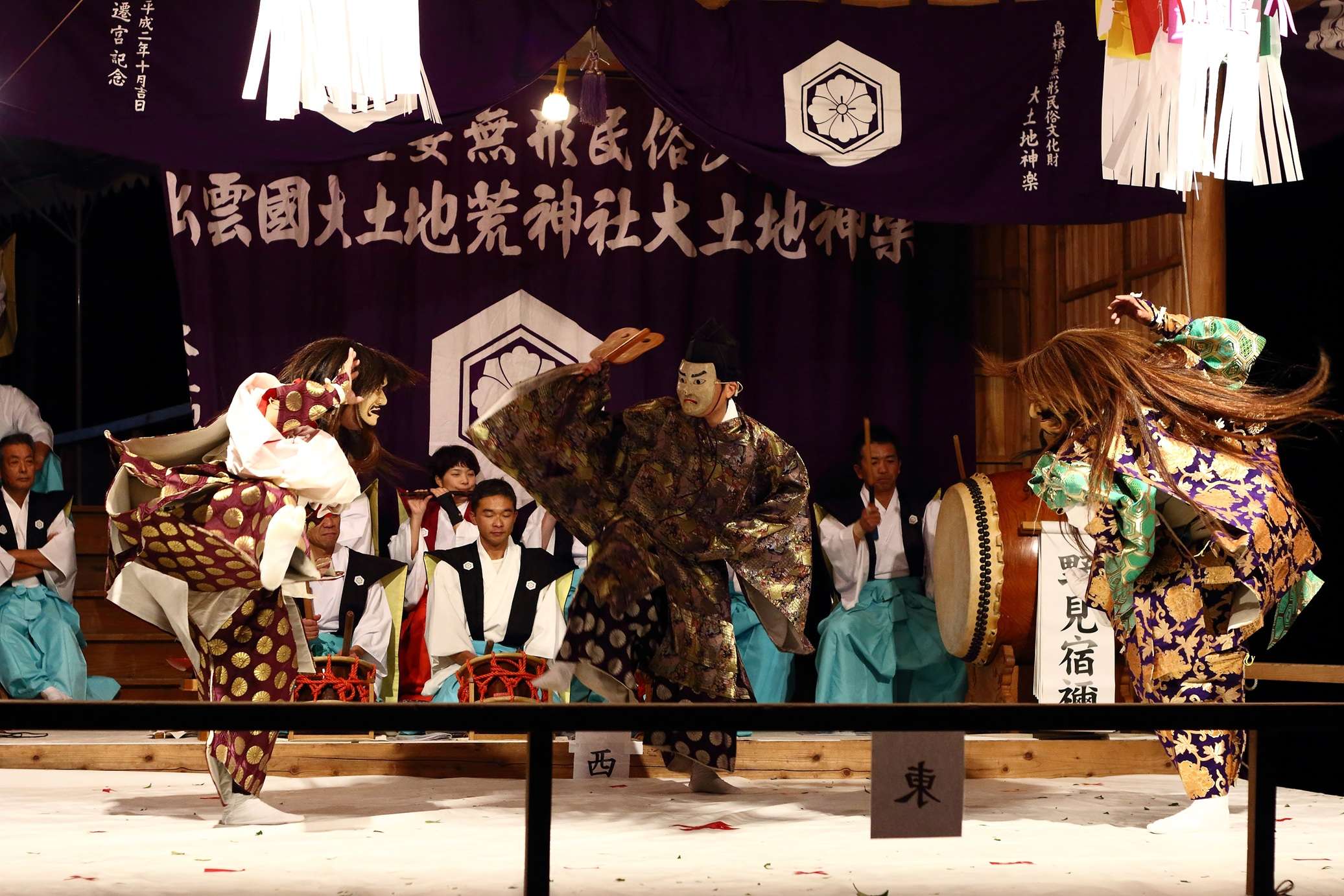
The shore of Inasa no Hama, where these myths unfold, remains a place where legend and landscape meet. Izumo Kagura continues to perform these ancient stories, keeping mythology alive through ritual dance. Izumo is recognized as a sacred birthplace of Sumo, where tradition and myth quietly endure.
Journey to the Origins of Sumo
The People of Izumo
and the Ancient Gods
Sumo has deep roots in Shinto ritual. Gestures such as scattering salt or stamping the ground carry meanings of purification and prayer, expressing respect toward the divine. In Izumo, this sense of closeness between people and the gods remains quietly present.
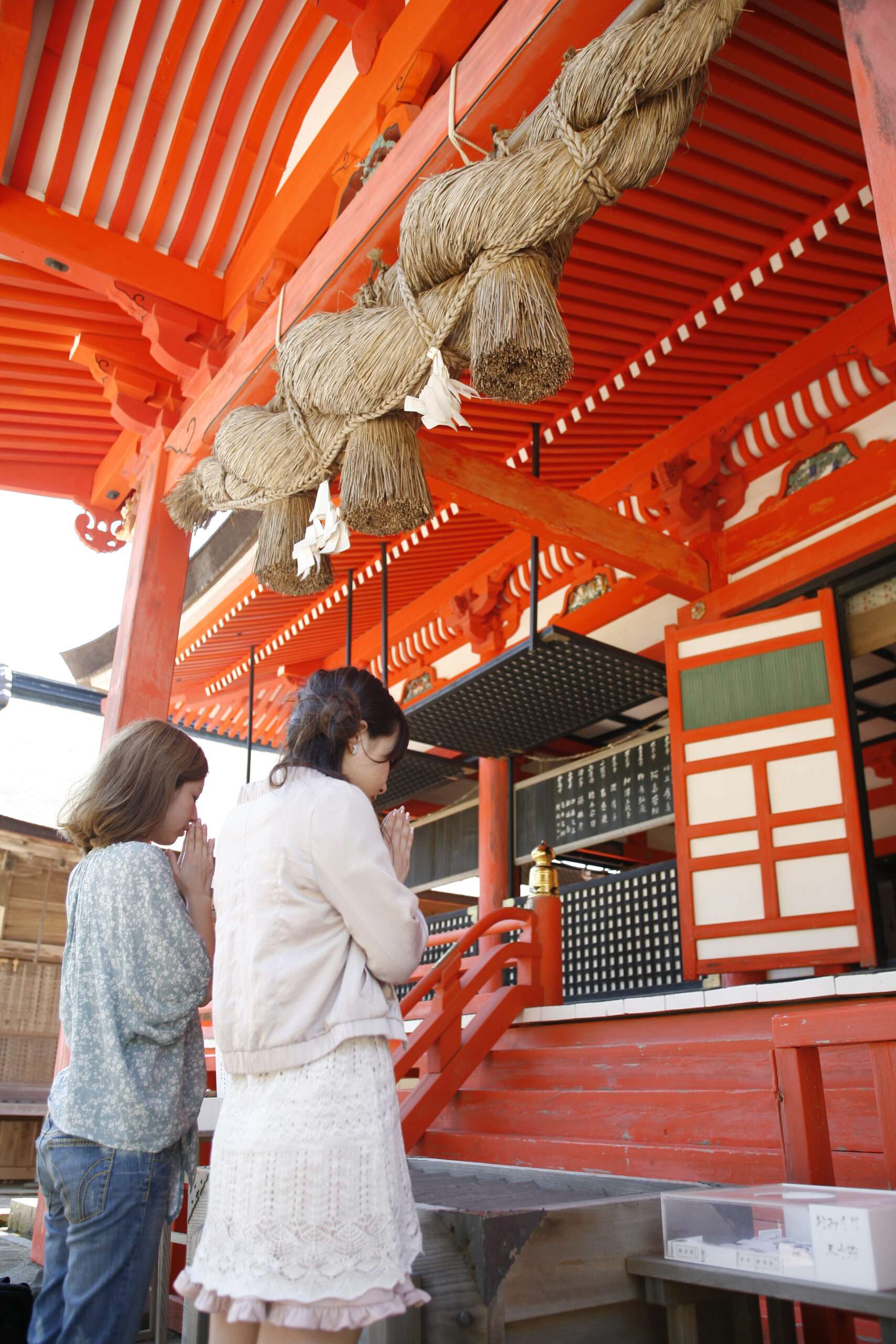
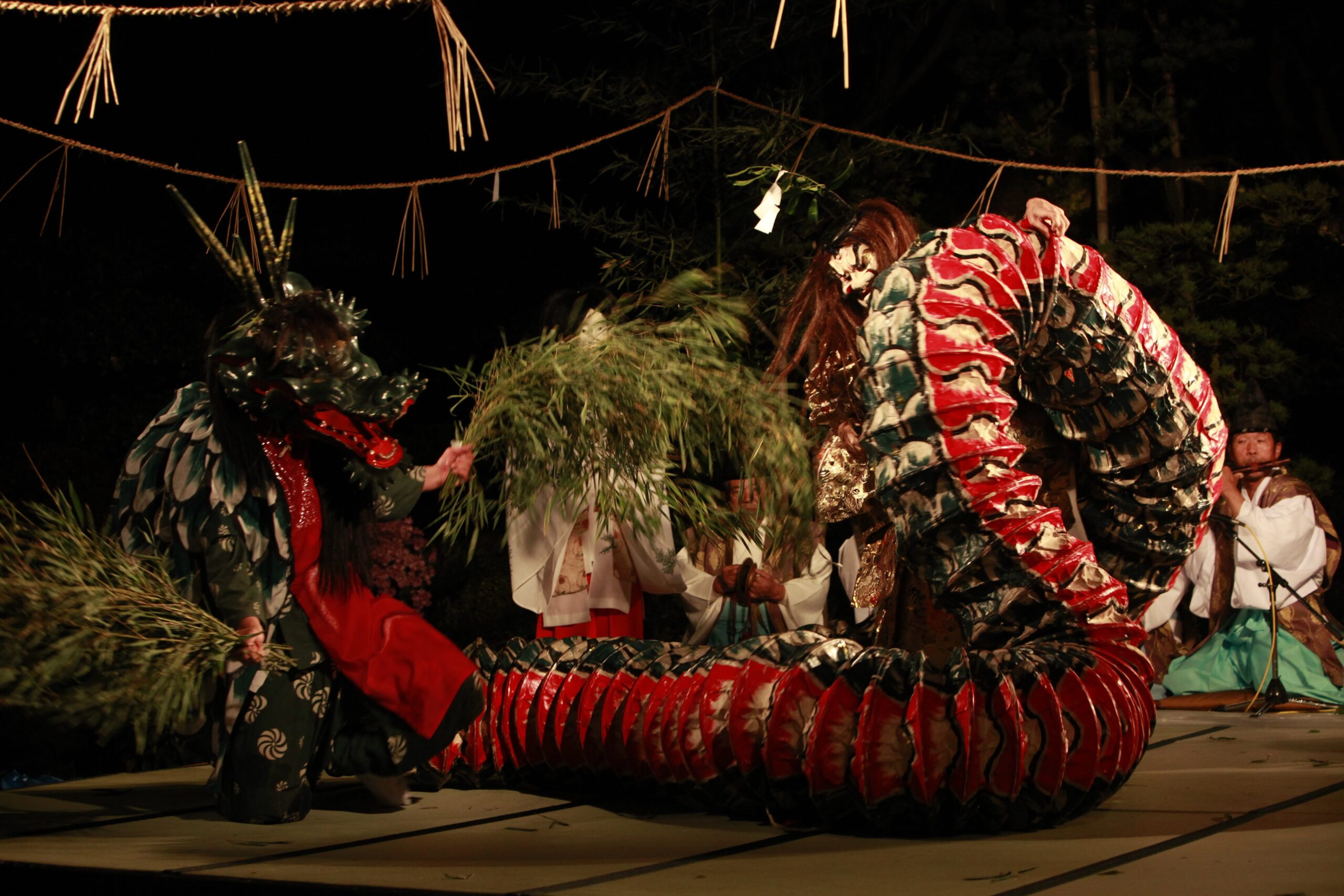
Myths describe vivid dramas among distinctive deities, and the Story of Kunibiki, which explains how the land of Izumo was drawn together, aligns closely with the actual terrain. Here, the presence of the gods is woven into everyday life.
Izumo Kagura, the traditional performing art that keeps these myths alive, includes pieces portraying contests of strength among the deities—Kōjin and Nomi no Sukune—preserving the ritual origins of Sumo. As you travel through Izumo—toward the sea, the mountains, and the setting sun—you may sense the gentle breath of the ancient gods in many places.
ACCESS
Shimane Prefecture / Izumo City
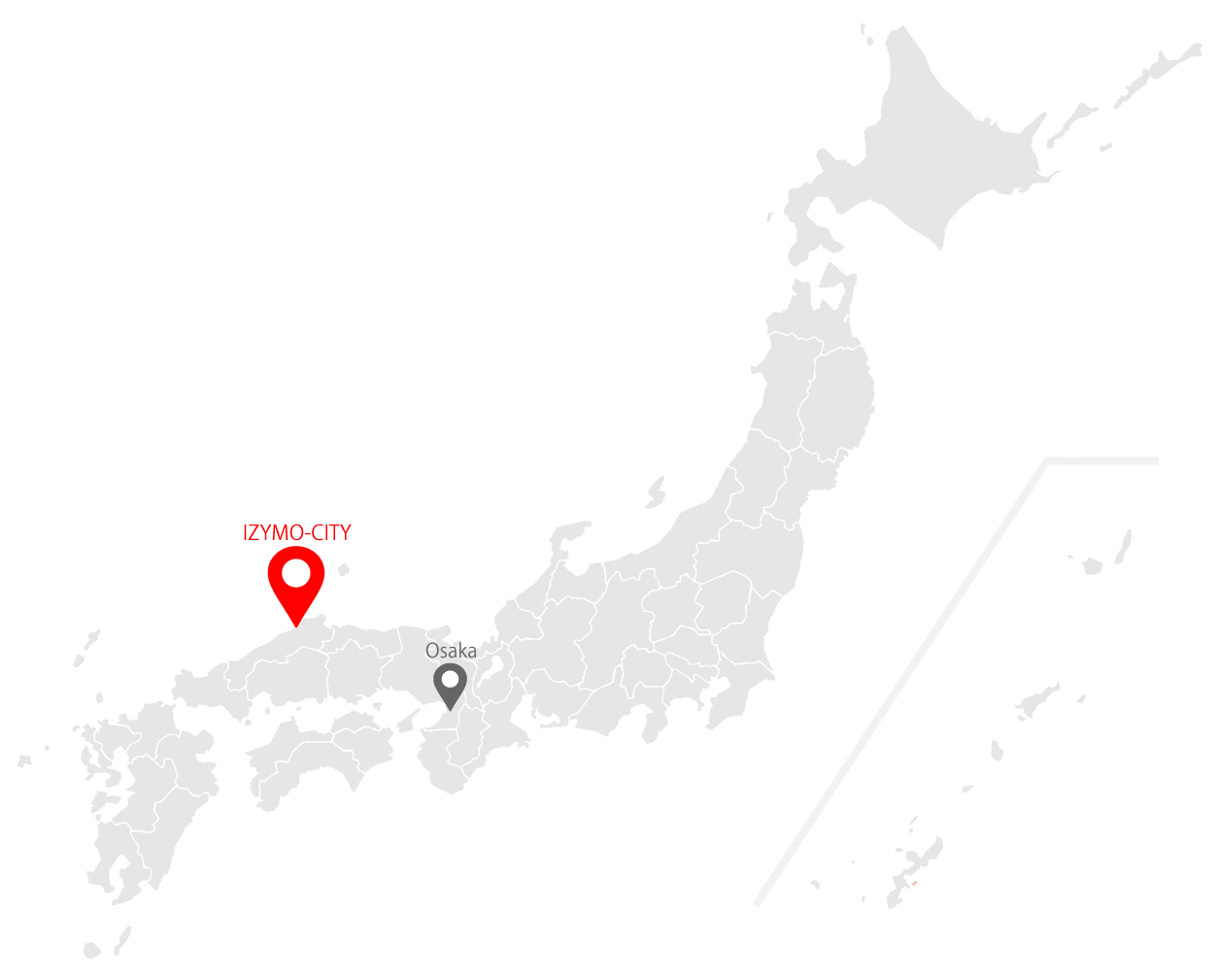
 Flight
approx. 1h
 Bus
approx. 25min
 Shinkansen
approx. 45min
 Limited Express Yakumo
approx. 3h 10min
A Shrine Dedicated to Nomi no Sukune, the Ancestral Figure of Sumo
Nomi no Sukune Jinja
Within the quiet grounds of Izumo Taisha stands Nomi no Sukune Jinja, a small shrine honoring Nomi no Sukune, revered as the “deity of Sumo” through the tale recorded in the Nihon Shoki. He is respected not only by those connected to Sumo, but also by people pursuing athletic disciplines more broadly.
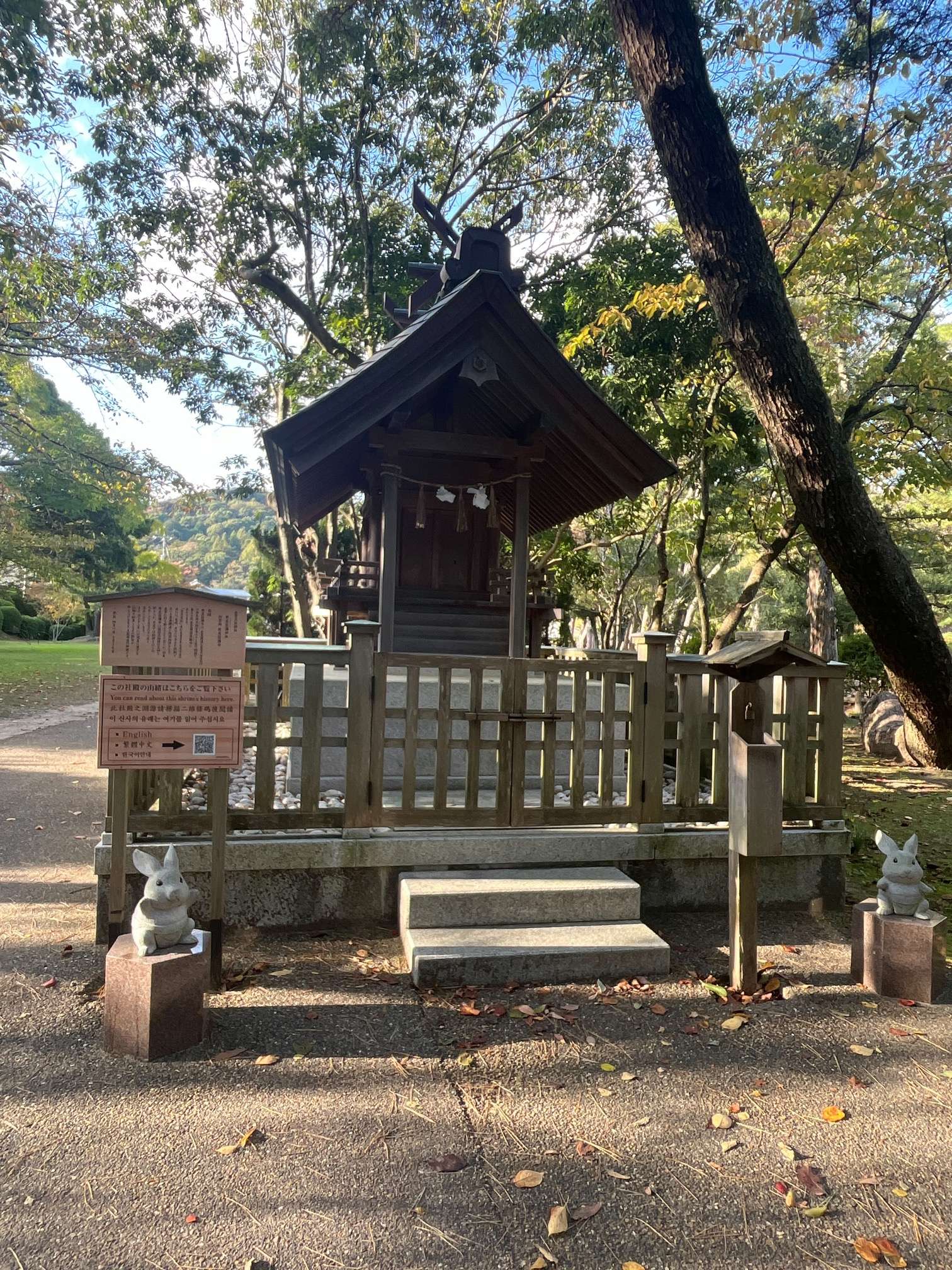
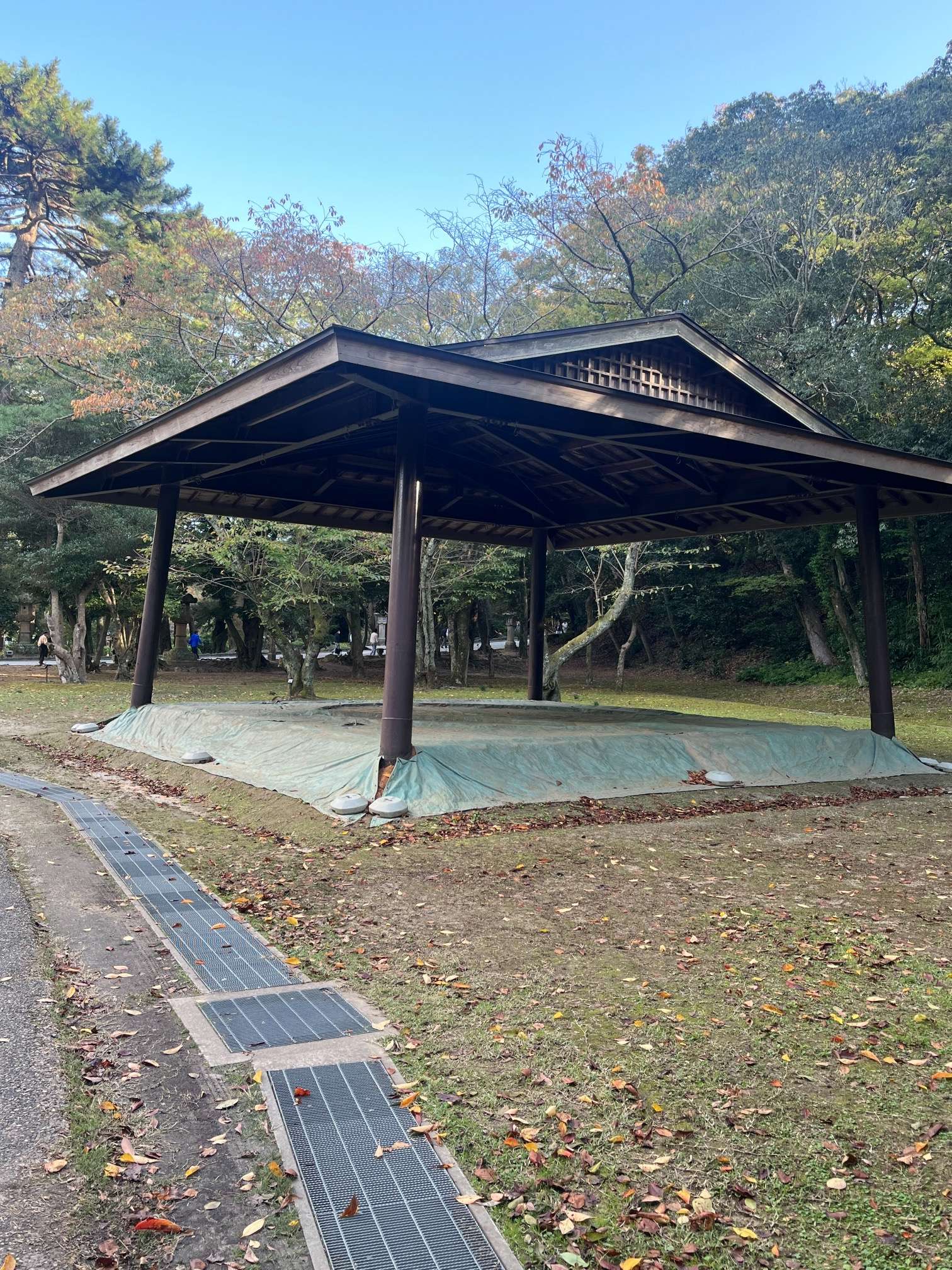
Nearby, a sumo ring remains in use, serving as the stage for children’s Sumo in the community—an enduring sign that Sumo is a living cultural tradition in Izumo. Beside the shrine, visitors will also find a charming statue of a rabbit wearing a mawashi, adding a gentle touch to this quietly significant place.
Prayers Offered to the Sunset on the Land Shaped by the Gods
Izumo, the Sacred Land of the Setting Sun
Izumo has long been regarded as a place that connects this world with the distant realm beyond the sea where the sun sets. In ancient times, people honored the sunset—watching it, praying to it, and entrusting their wishes to its quiet descent.
In the Izumo Fudoki, the Story of Kunibiki describes how the northern sankai (mountain mass) and the western shoreline of the Izumo Plain were drawn from across the sea by the gods, forming the land and the “rope” that binds it. This myth aligns closely with the actual landscape, giving the region a deep sense of mystery.
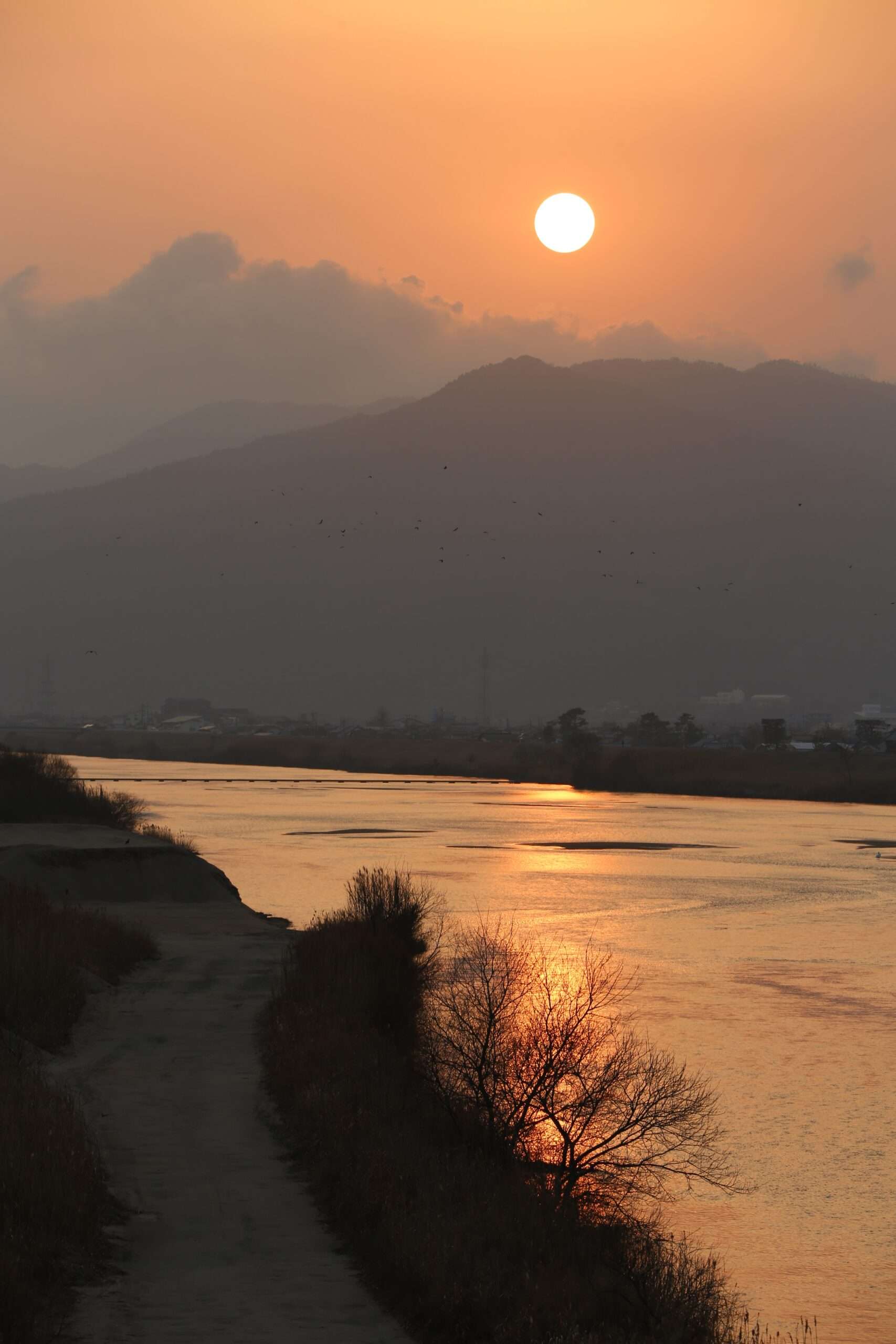
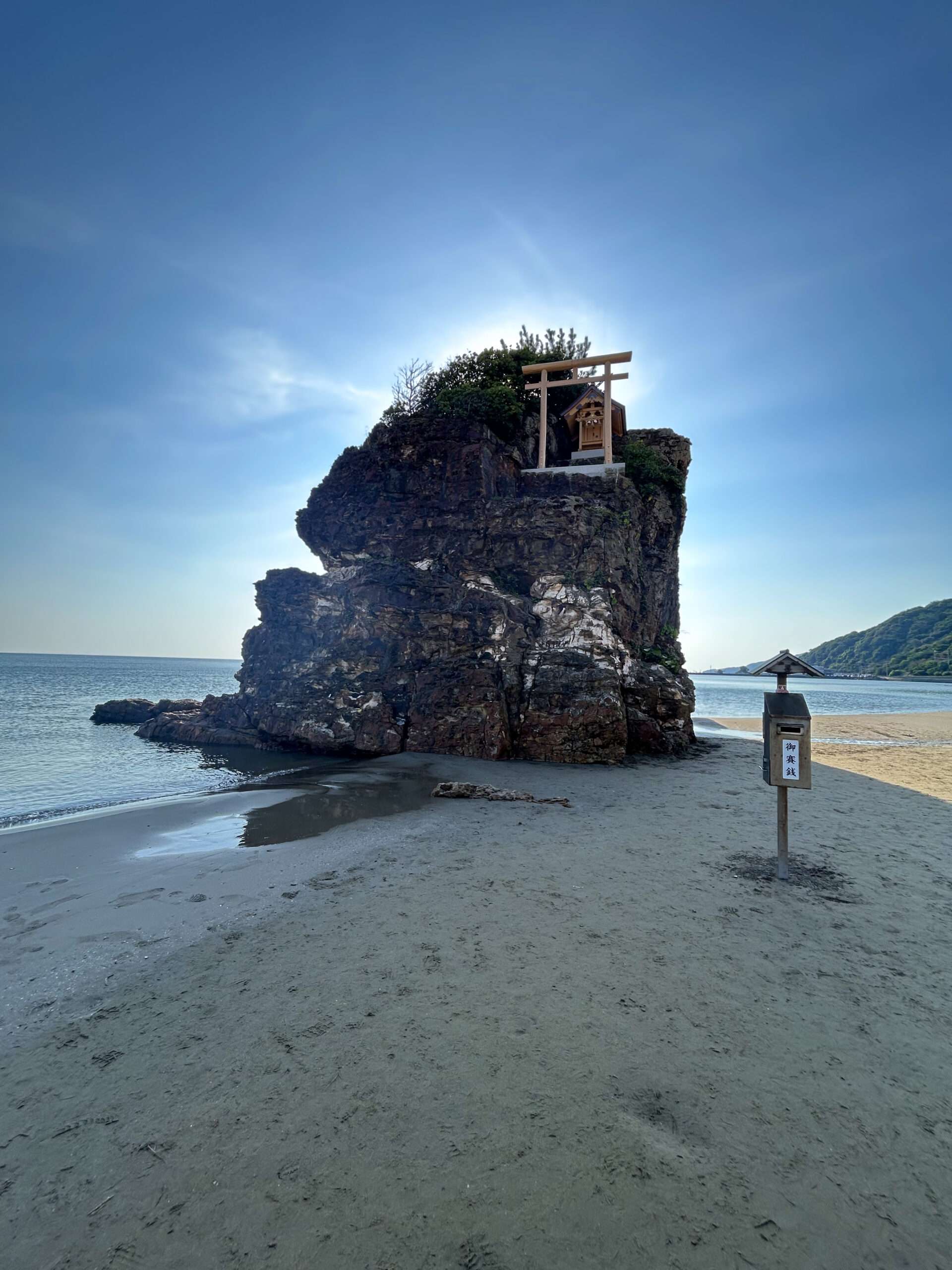
Along the varied western coastline, the sight of the sun sinking into the sea has inspired reverence since ancient times. The old name of Izumo Taisha, Ame no Hisumi no Miya, and the inner sanctuary Hishizumi no Miya at Hinomisaki Jinja reflect this tradition of sunset worship. Amaterasu Ōmikami, the deity associated with the sun and central to Shinto cosmology, is honored here through rituals that acknowledge the quiet power of the setting light.
On the tenth day of the tenth month in the lunar calendar, the Kami‑mukae Shinji welcomes the deities to Inasa no Hama, and in Izumo this period is known as Kamiarizuki, “the month when the gods are present.”
A Street Where Past and Present Meet
The Historic Cotton Road
In the Edo period, the Hirata district—known as the Cotton Road—prospered as a center for cotton distribution. Houses built in the kirizuma‑zukuri style line the street, and white‑walled soy sauce breweries and sake makers continue their craft much as they did in earlier centuries. The architectural forms and long‑standing flavors preserved by these traditional establishments offer a glimpse into the market‑town life shaped by generations of people in Izumo.
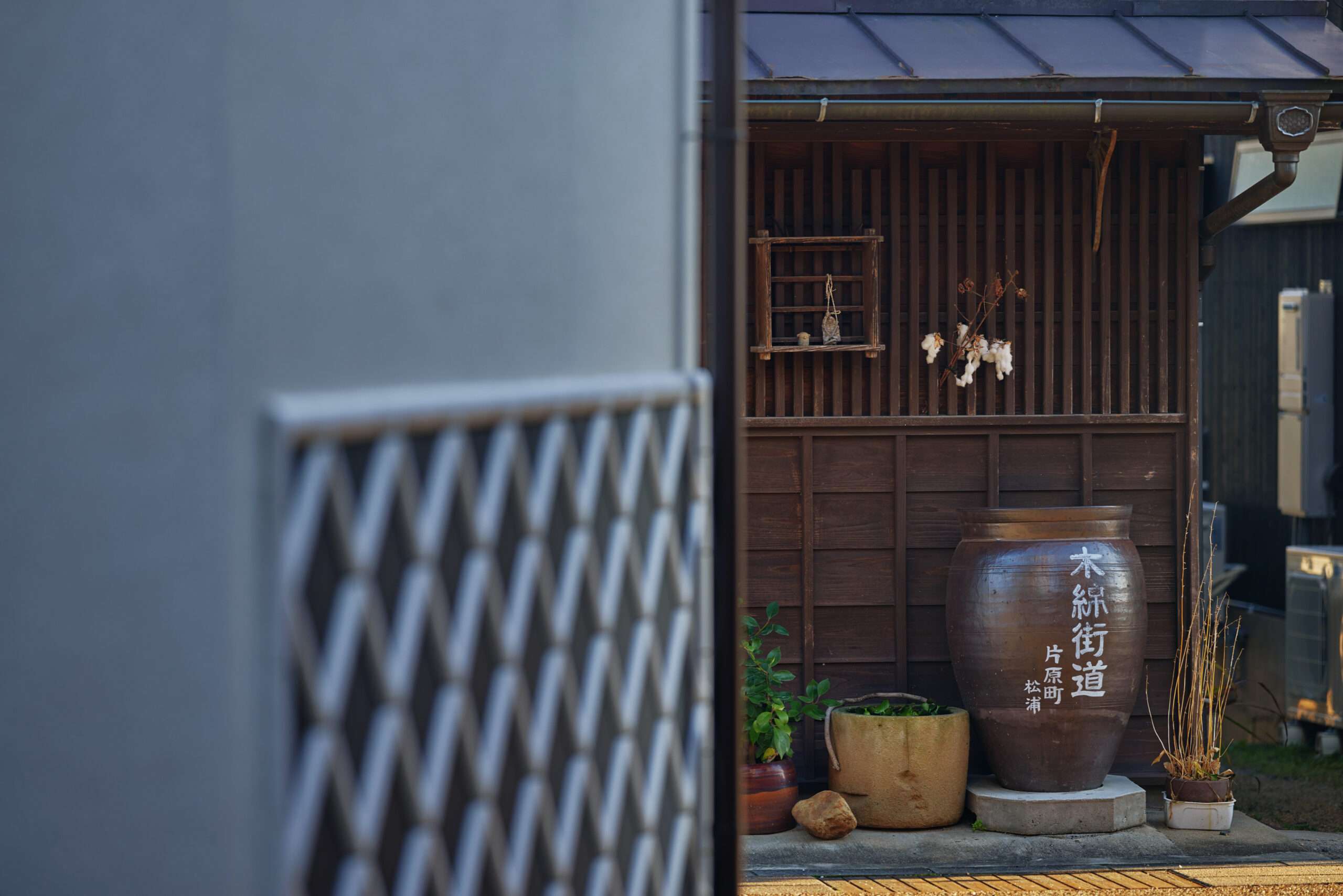 Shoko Takayasu ©
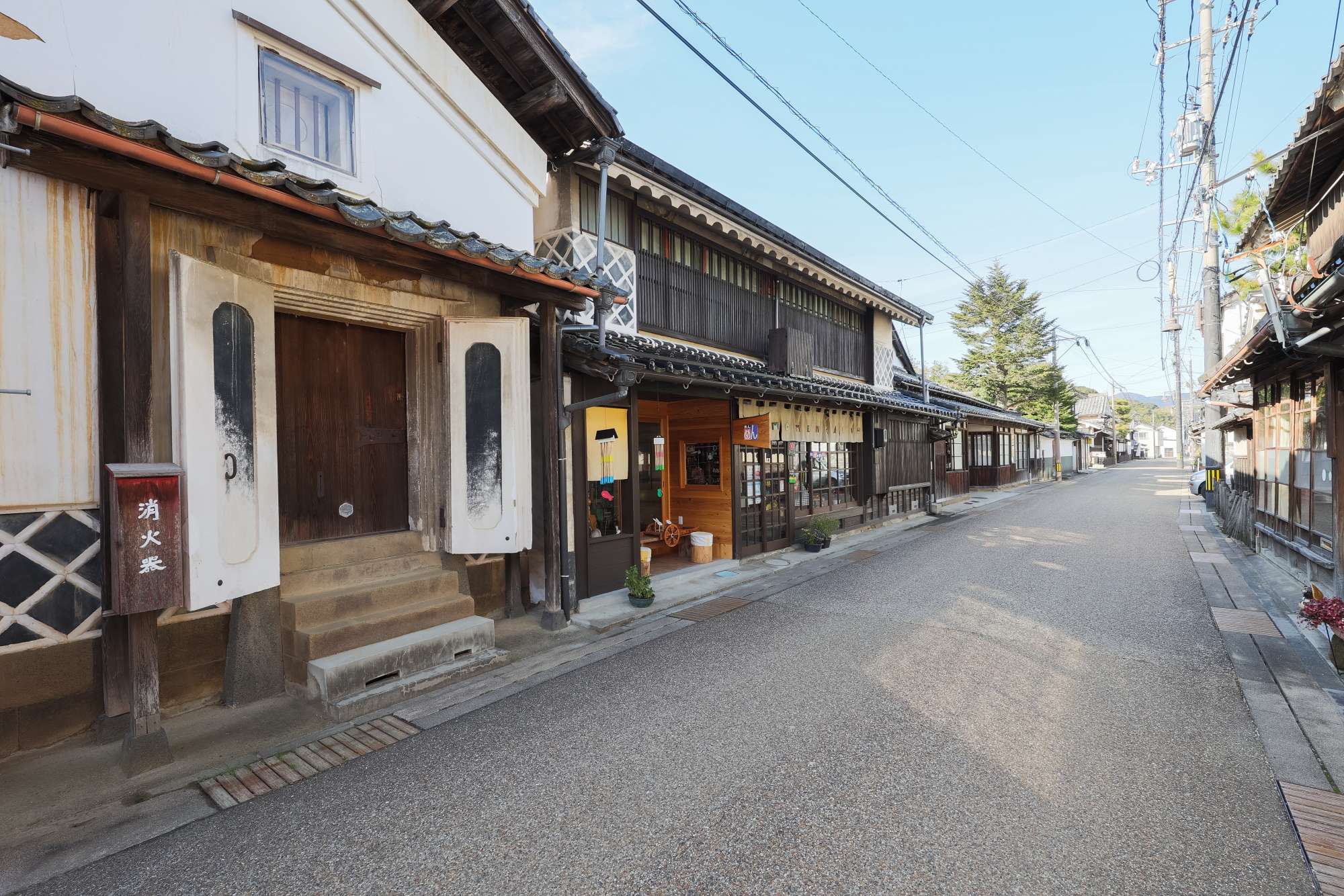
Here, the past and present coexist with ease: a confectioner with a three‑hundred‑year history, a microbrewery producing craft beer, and an Italian restaurant set within a restored traditional house. Skills and knowledge passed down through daily life remain quietly alive.
The scent of soy sauce, the gentle sound of water flowing through narrow channels, and family businesses handed down across generations all contribute to a streetscape where the understated yet resilient character of Japanese culture endures in tangible form.
SUMO EXPERIENCES
TOURISM GUIDE
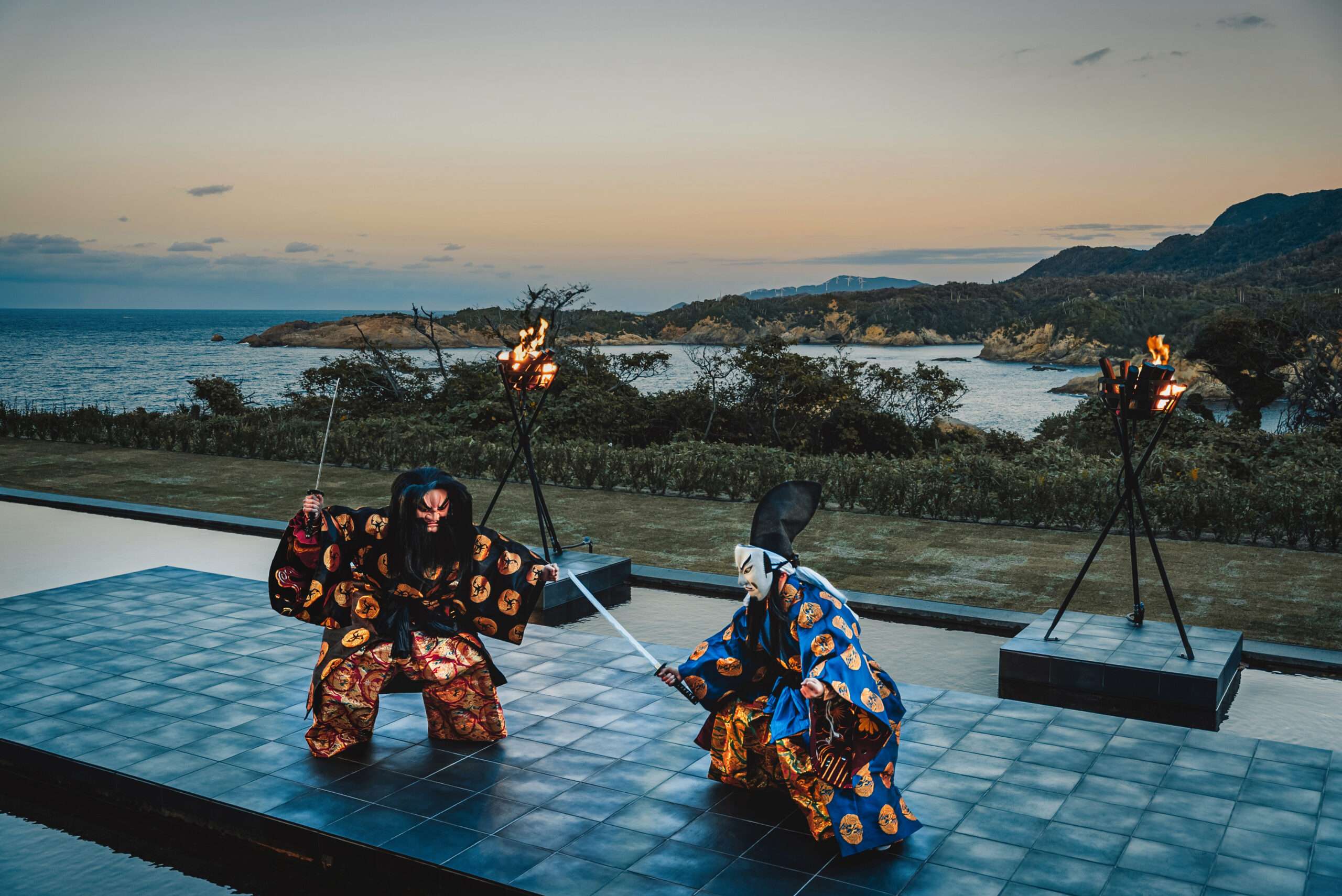 Photo provided by KAI Izumo
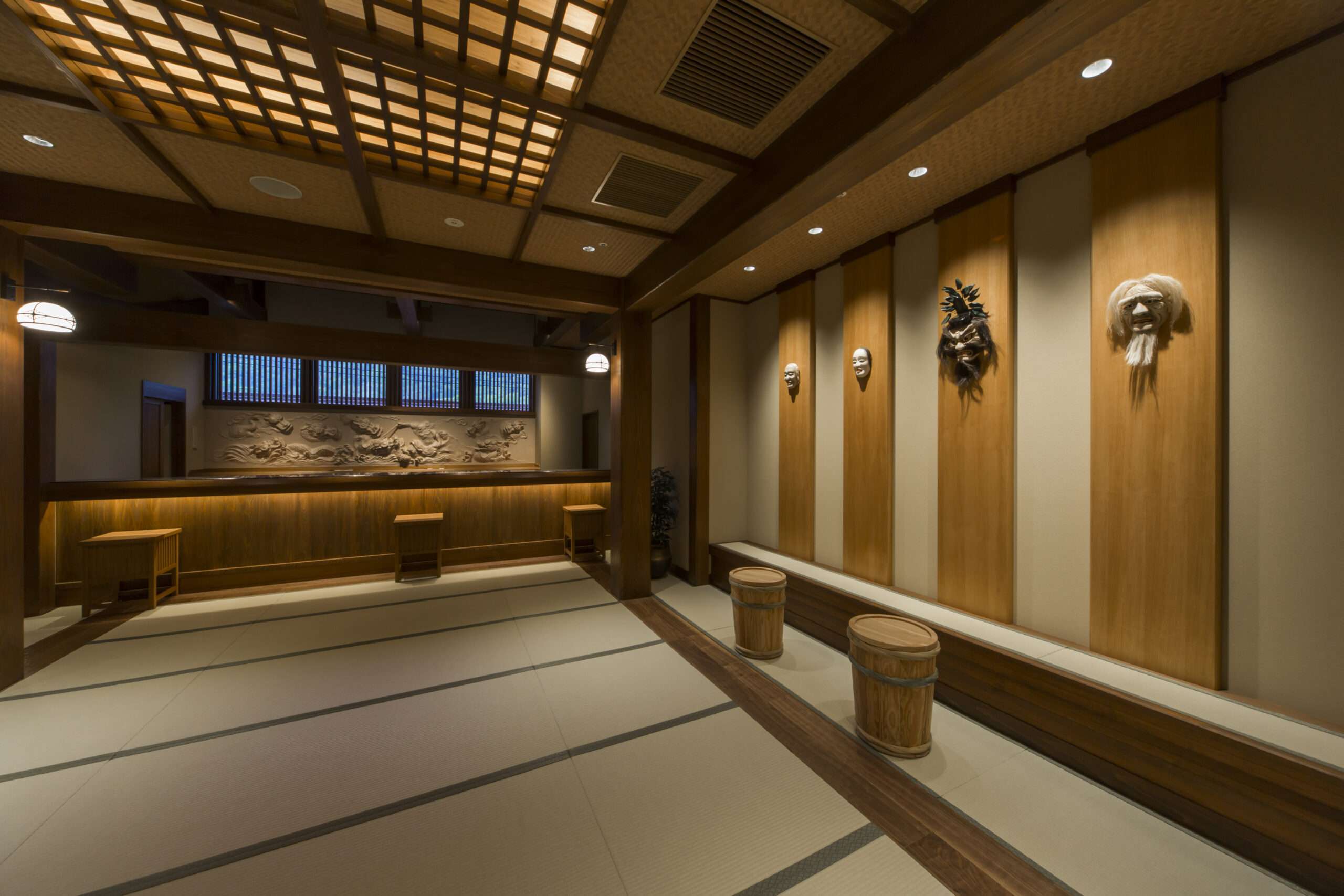
Pick Up
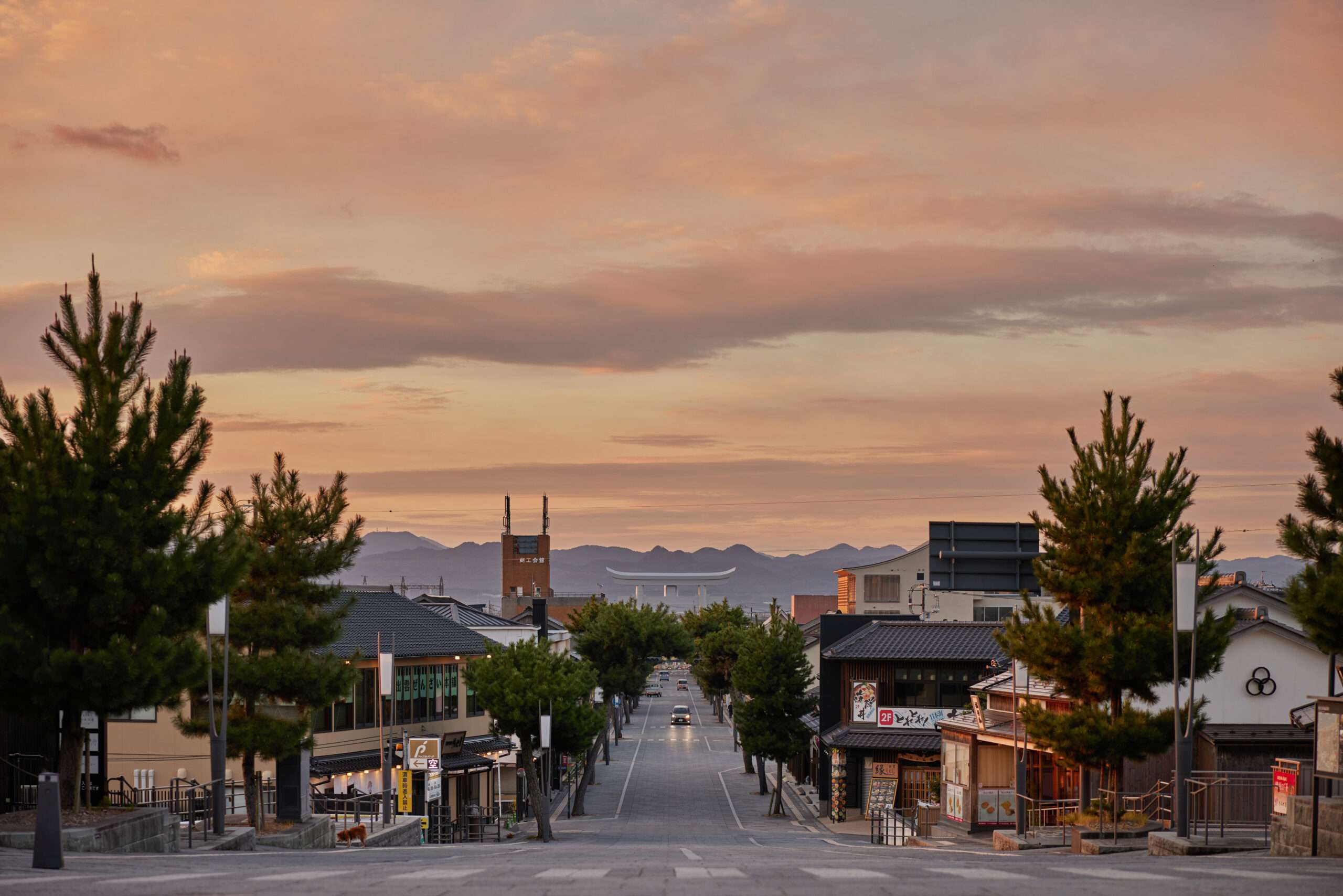 Shoko Takayasu ©
A Journey into Izumo: Where the Roots of Sumo and the Breath of the Gods Endure
Set out on a three‑day journey to Izumo, the land where the origins of Sumo and the myths of divine contests are woven into the landscape. Here, traditional Kagura continues to pass down these ancient stories, offering a quiet encounter with the cultural and spiritual heritage that shaped Japan.