Ninja.
Travel.
📄 SVG is loaded...
Explore unseen Japan
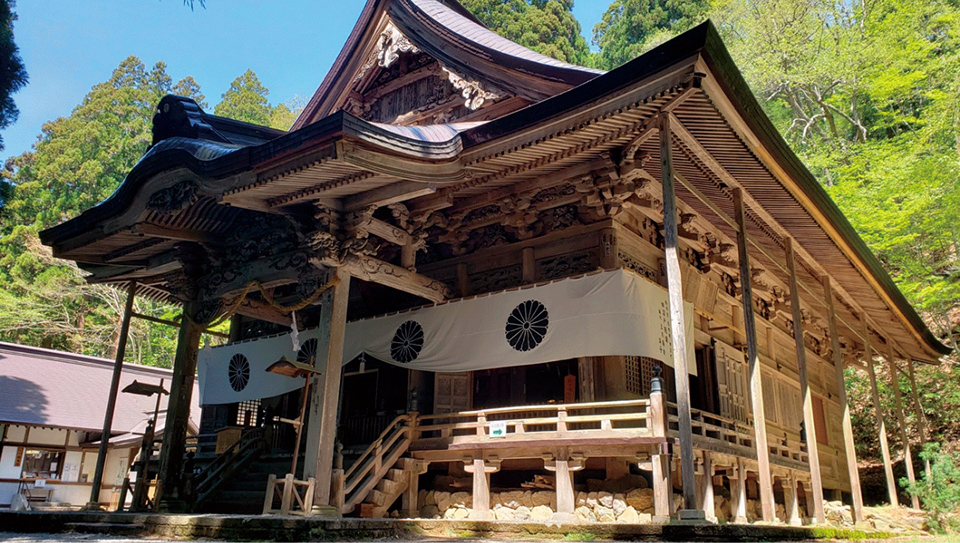
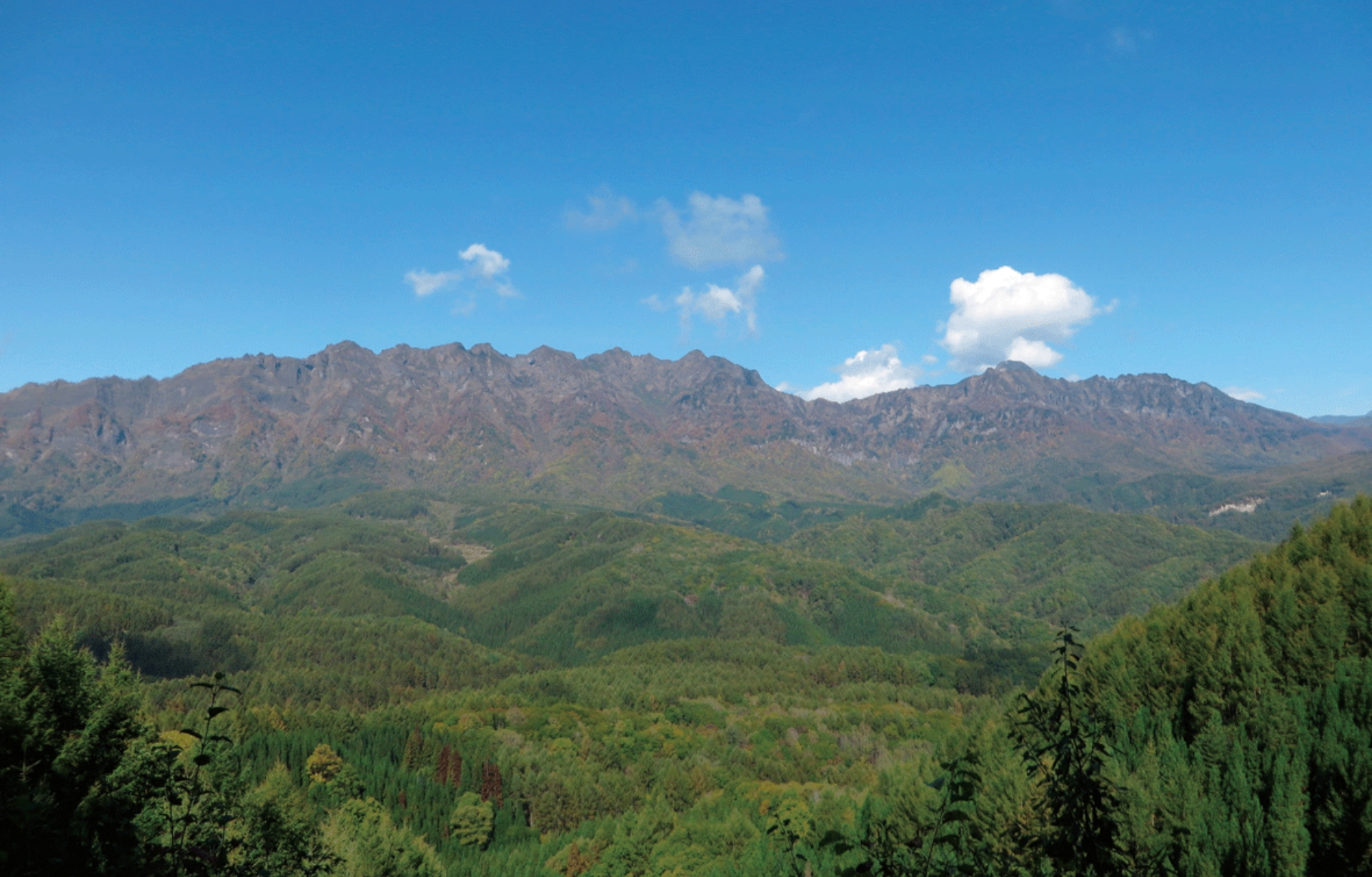
Togakushi / Nagano City, Nagano Prefecture
Togakushi, a mountain where many mountain ascetics have practiced asceticism, was established by Yaku Kakaku. Before serving Kiso Yoshinaka, he practiced Shugendo in Togakushi. It is said that during the war against the Heike clan in the Togakushi area, he took up a position at a rock cave in the upper reaches of the Sobana River in northern Shinano and took command. After Kiso Yoshinaka was killed, Nishina Daisuke fled to Iga, where he learned Iga-style ninjutsu. Nishina Daisuke is said to have adopted Iga-ryu ninjutsu and perfected Togakushi-ryu ninjutsu.
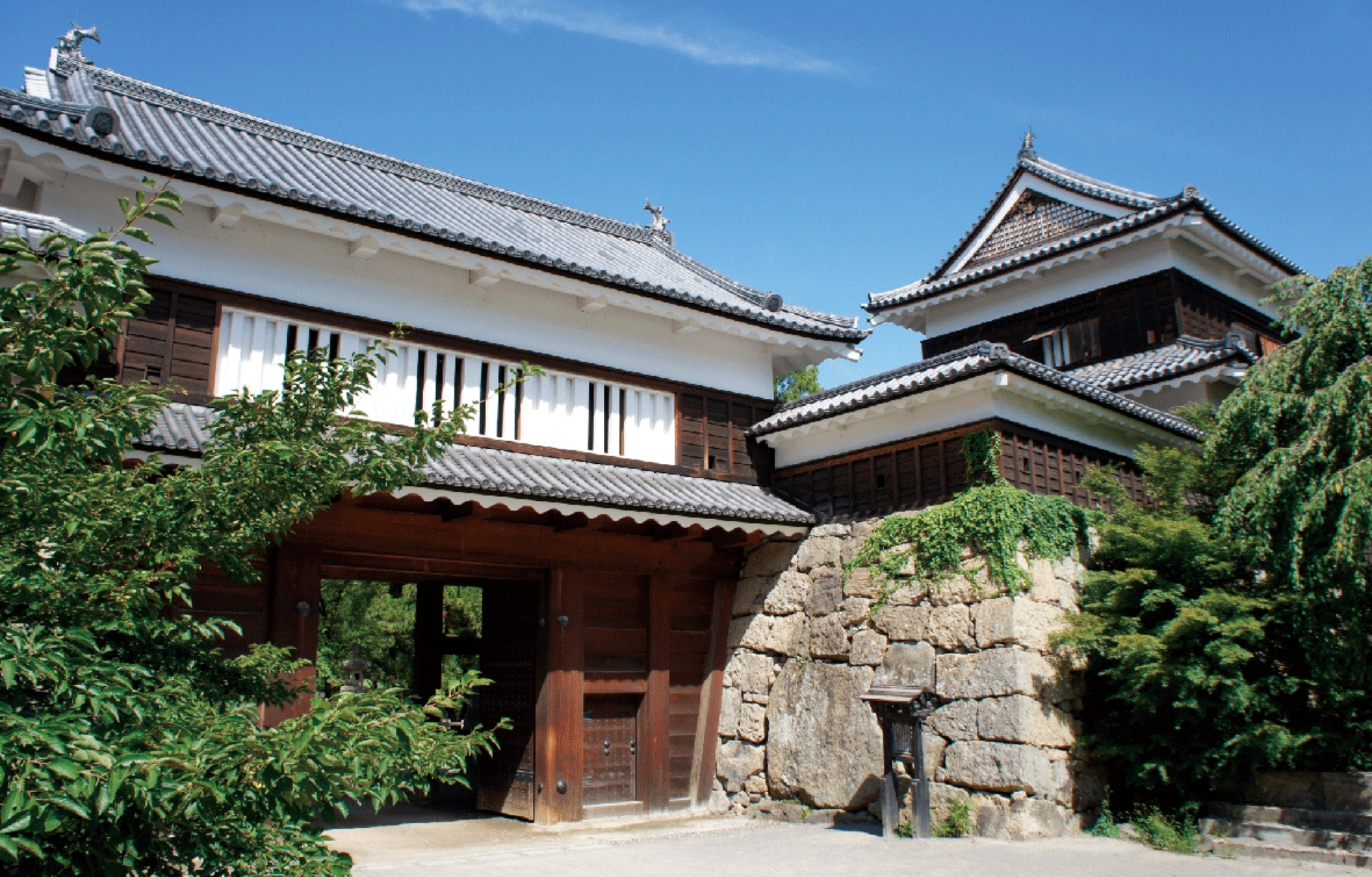
Sanada / Ueda City, Nagano Prefecture
Sanada ninja had served as ninja "santsusha" since the time of Takeda Shingen. They put a lot of effort into training ninja, and the number of ninja in the Shinshu and Jyoshu areas at that time was over 1,000. After the fall of the Takeda clan, they served the Sanada clan. There were 52 temples related to Shugendo in Agatsuma, which was a sacred place for mountain ascetics. While the Iga and Koga were mercenary groups and did not come under anyone's control, the Shinano and Ueno ninja served the warlords.
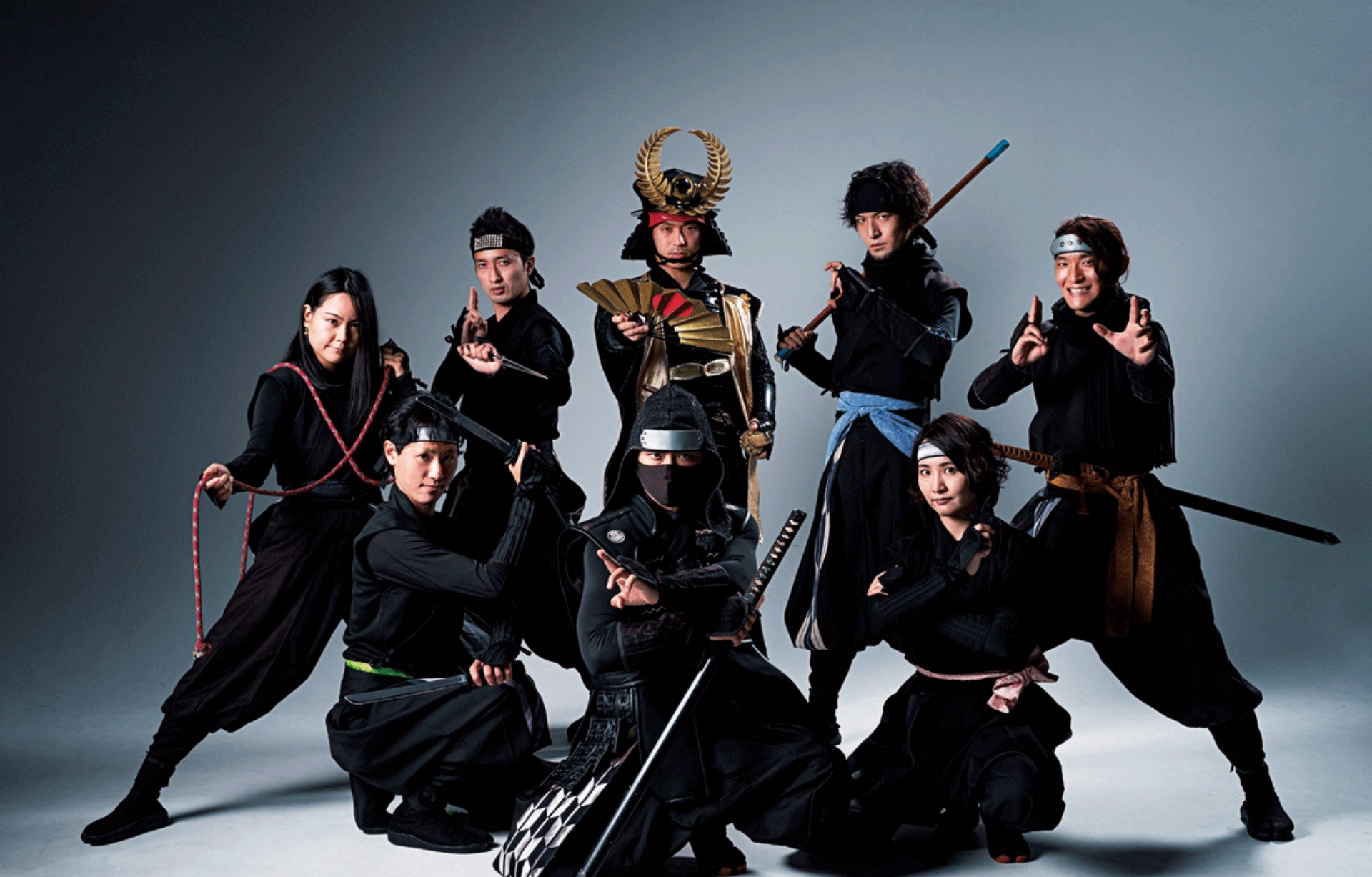
Aichi / Aichi Prefecture
Hattori Hanzo, who is associated with Aichi Prefecture, has a strong image as a ninja, but he was also a samurai who served the Tokugawa family. At the time of the Honnoji Incident, Hattori Hanzo, who was credited with the "Shinmikun Iga Koshue," became the chieftain of 200 Iga fighters who were taken over at the Narumi Inn in Owari Province. This ninja group was called the "Narumi Iga-shu" because they were taken up in Narumi, Owari Province.
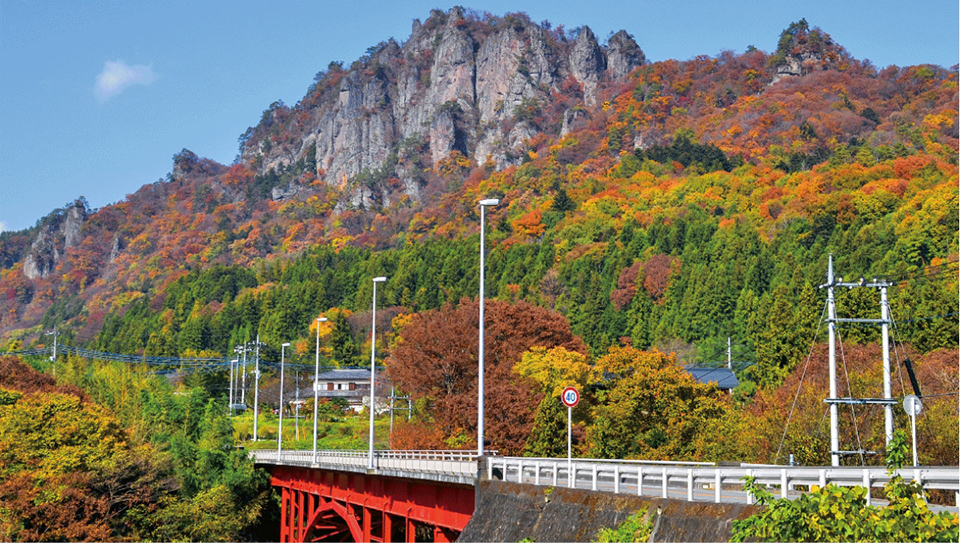
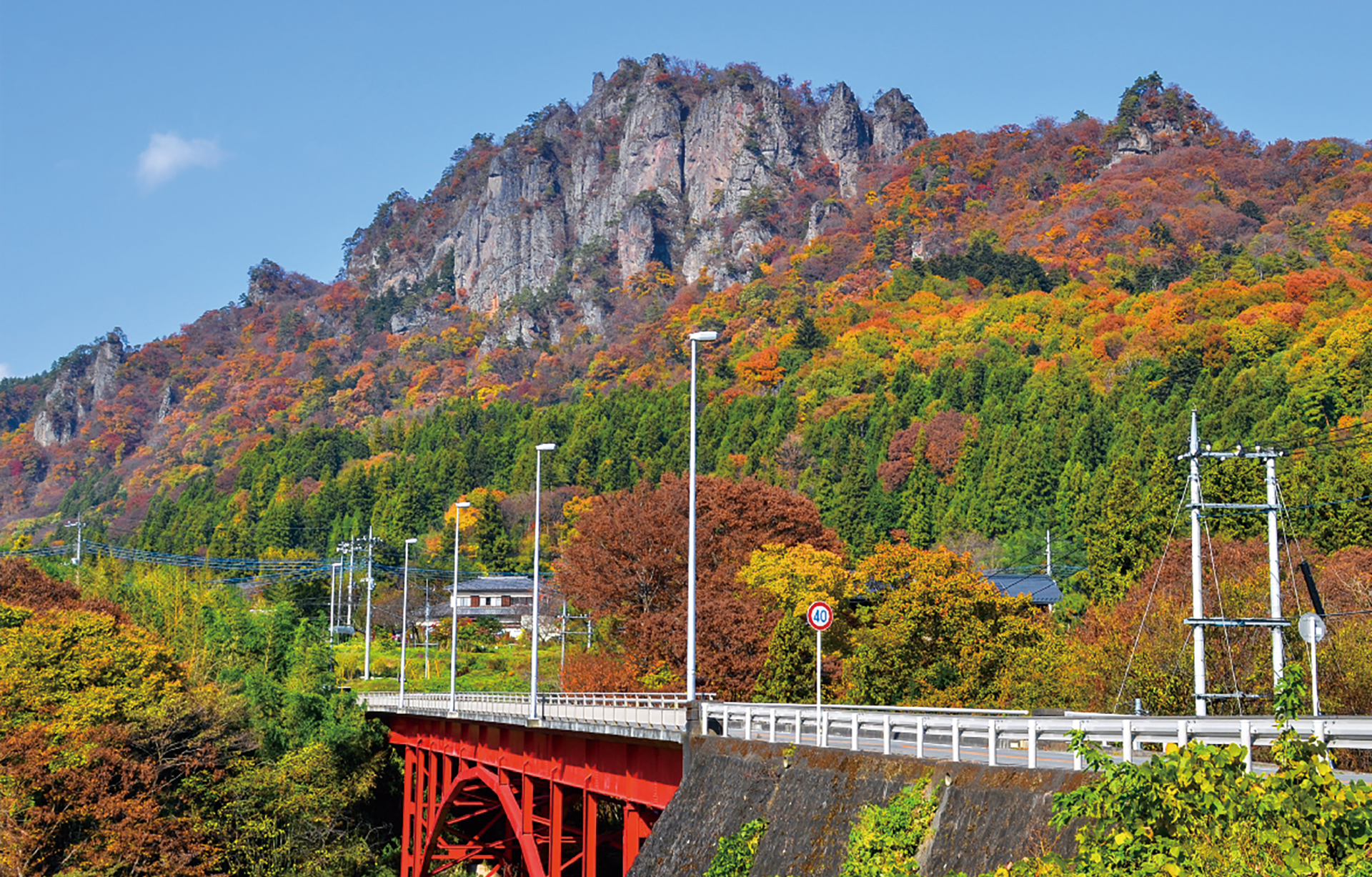
Sanada / Higashi-Agatsuma Town, Gunma Prefecture
Sanada ninja had served as ninja "santsusha" since the time of Takeda Shingen. They put a lot of effort into training ninja, and the number of ninja in the Shinshu and Jyoshu areas at that time was over 1,000. After the fall of the Takeda clan, they served the Sanada clan. There were 52 temples related to Shugendo in Agatsuma, which was a sacred place for mountain ascetics. While the Iga and Koga were mercenary groups and did not come under anyone's control, the Shinano and Ueno ninja served the warlords.
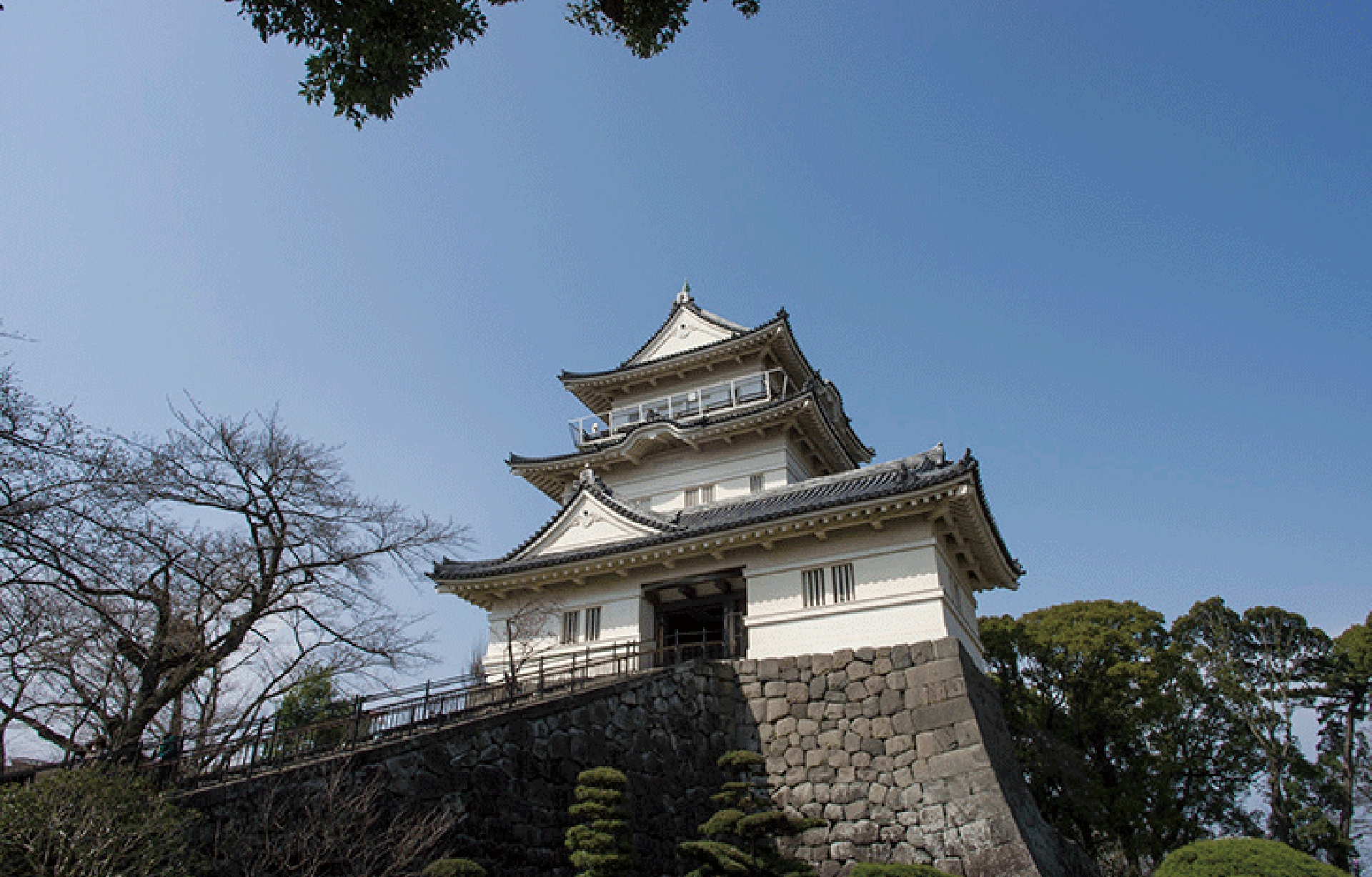
Odawara / Odawara City, Kanagawa Prefecture
The Fuuma served the Hojo clan and participated in battles, excelling at horseback riding, as well as in group actions and guerrilla warfare. As for the Fuuma Ninja, the chieftain of the Fuuma Ninja was named "Kotaro" from generation to generation, and he organized the Fuuma and supported the Hojo clan from the shadows. Few documents have survived concerning the Fuuma Ninja, and they are shrouded in mystery.
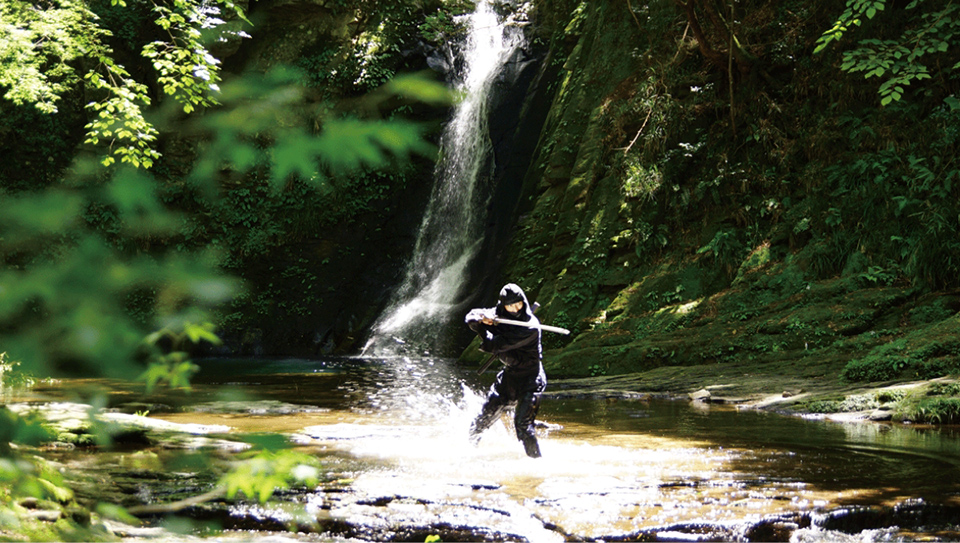
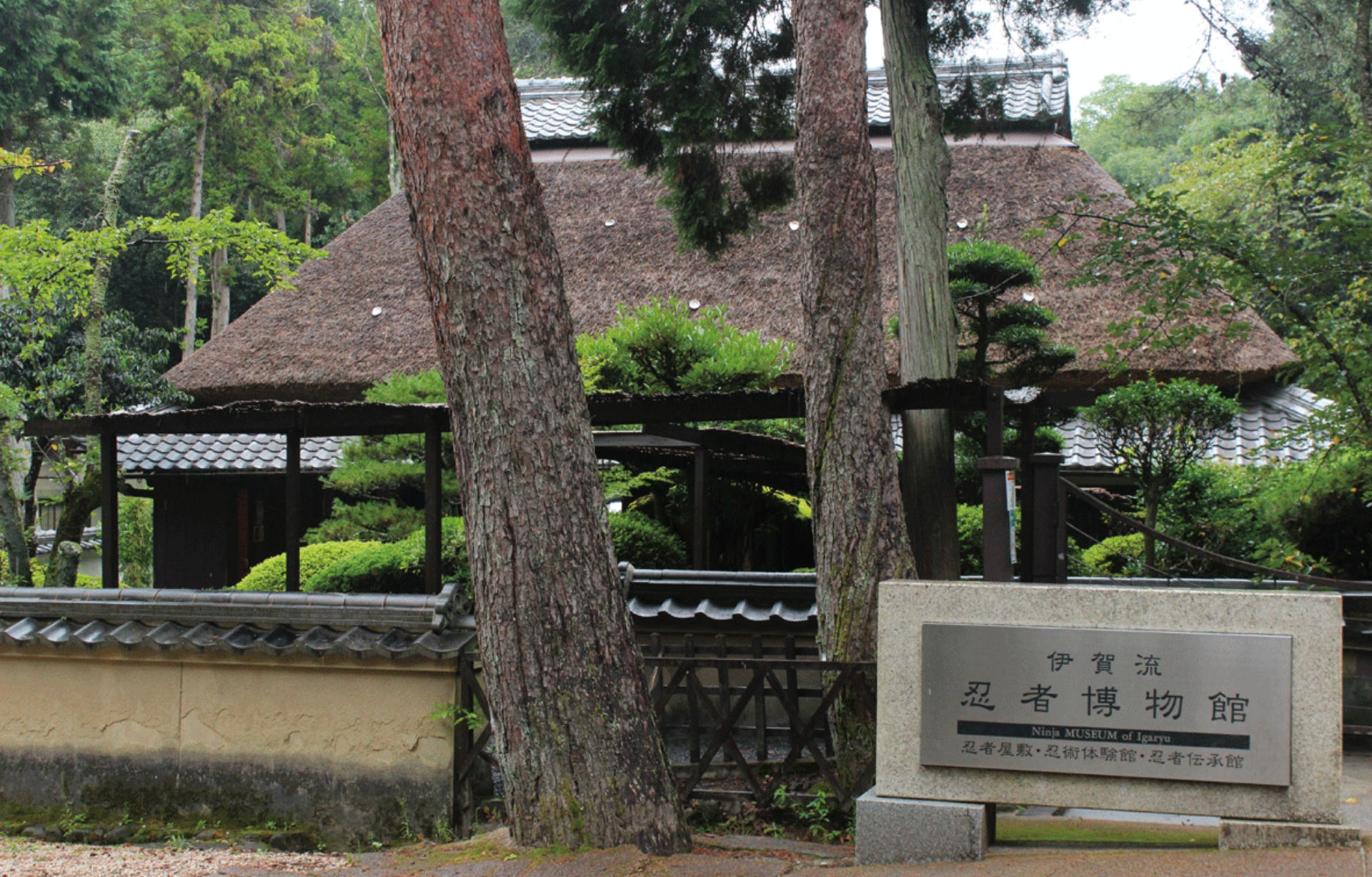
Iga, Nabari / Iga City, Nabari City, Mie Prefecture
The Iga ninja were not available to any particular family, but went into battle as mercenaries in the service of warring feudal lords in various regions. Many of them excelled in ninjutsu and combat skills, and are said to have contributed in numerous battles. They are thought to have stayed in the mountains of Shugen, undergoing rigorous ascetic training and disciplining themselves mentally and physically. On the battlefield, they are said to have focused on gathering information, conducting night raids, sneaking in, and arson, and were skilled in the handling of guns.
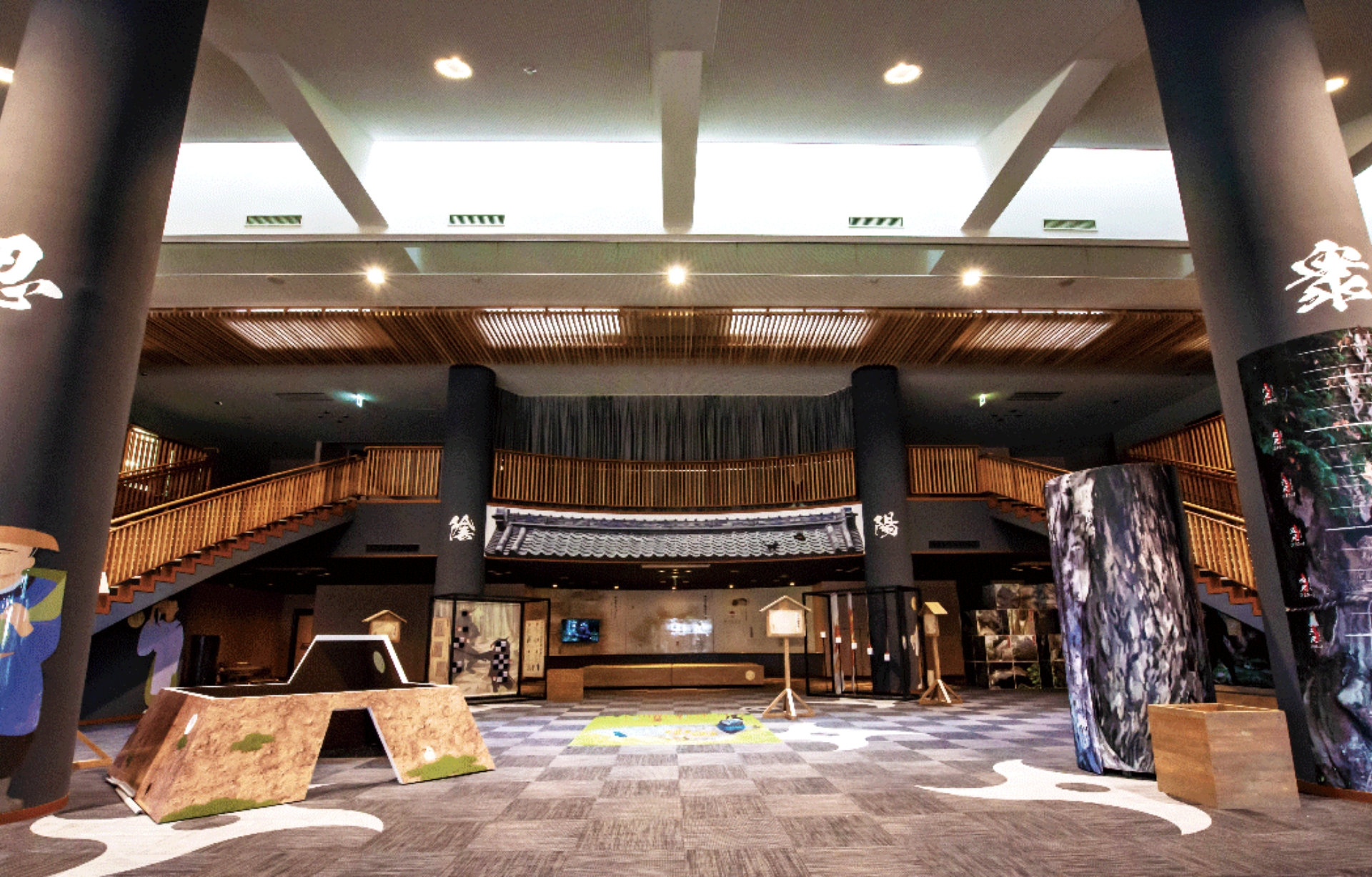
Koka / Koka City, Shiga Prefecture
In Koka, because of its proximity to the capital, they constantly endeavored to gather information. They were begged by the feudal lords of various regions to serve as "ninja". Iidozan, a major sacred site of Shugendo, is located in Koka, and even today, one can feel the real "ninja" in the appearance of the Yamabushi. Visitors can relive the ninja's training in the natural environment by touring the Yamabushi training grounds. In the village, there are old shrines revered by the Kouga people, which hint at the mysterious and magical nature of the area.
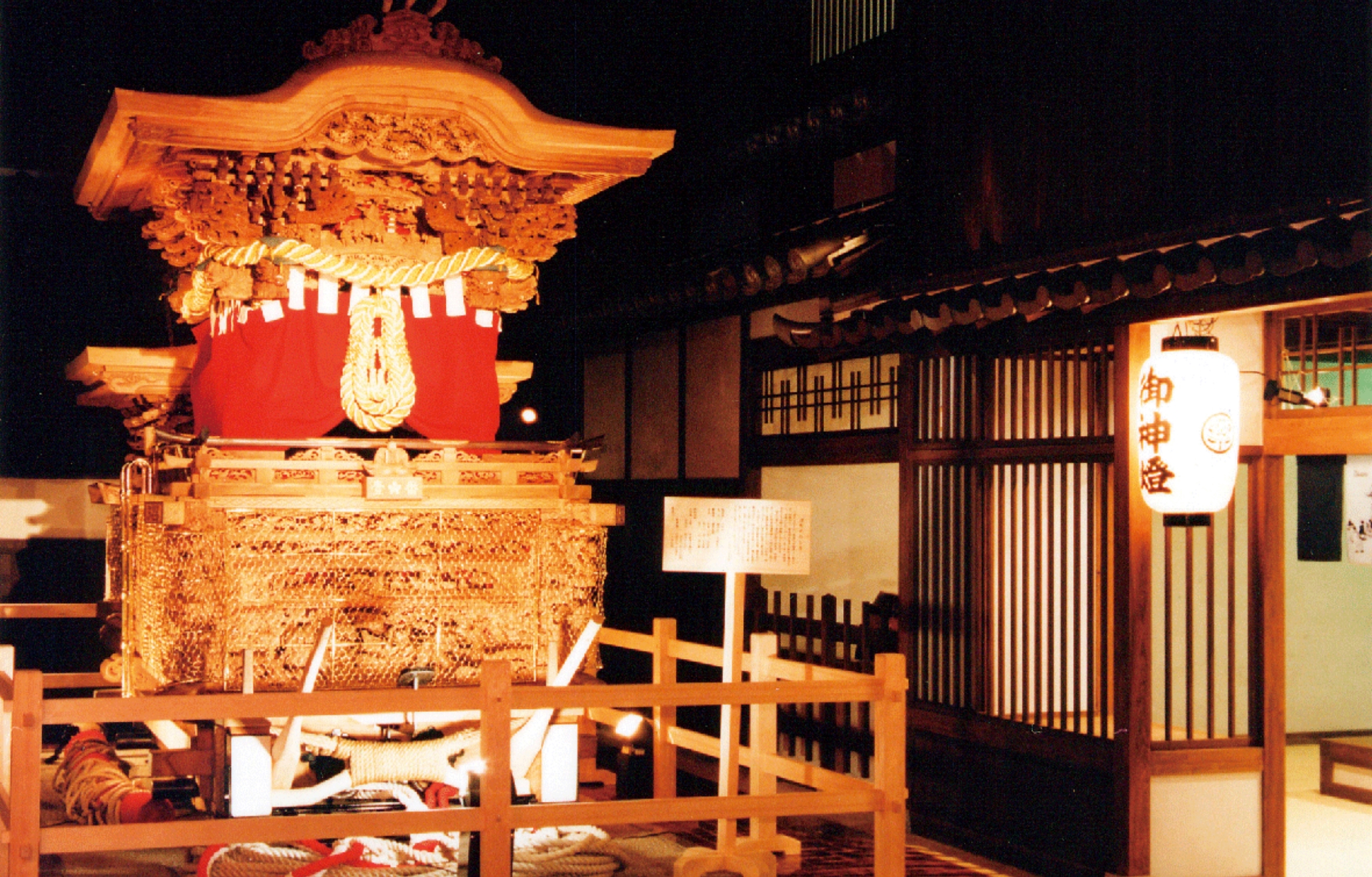
Kishiwada / Kishiwada City, Osaka
In Namimatsu-cho, there is an area called "Shinobu-cho" on the beach side of Kishu-kaido, where Kouga residences were lined up. It is now known that as many as 50 Koga, known as "Shinobi Yakunin," were employed in the area. The "fifty Kouga ninja" lived as farmers by day, training in artillery and manufacturing gunpowder. In times of emergency, they would go to the feudal lord's house to protect him.
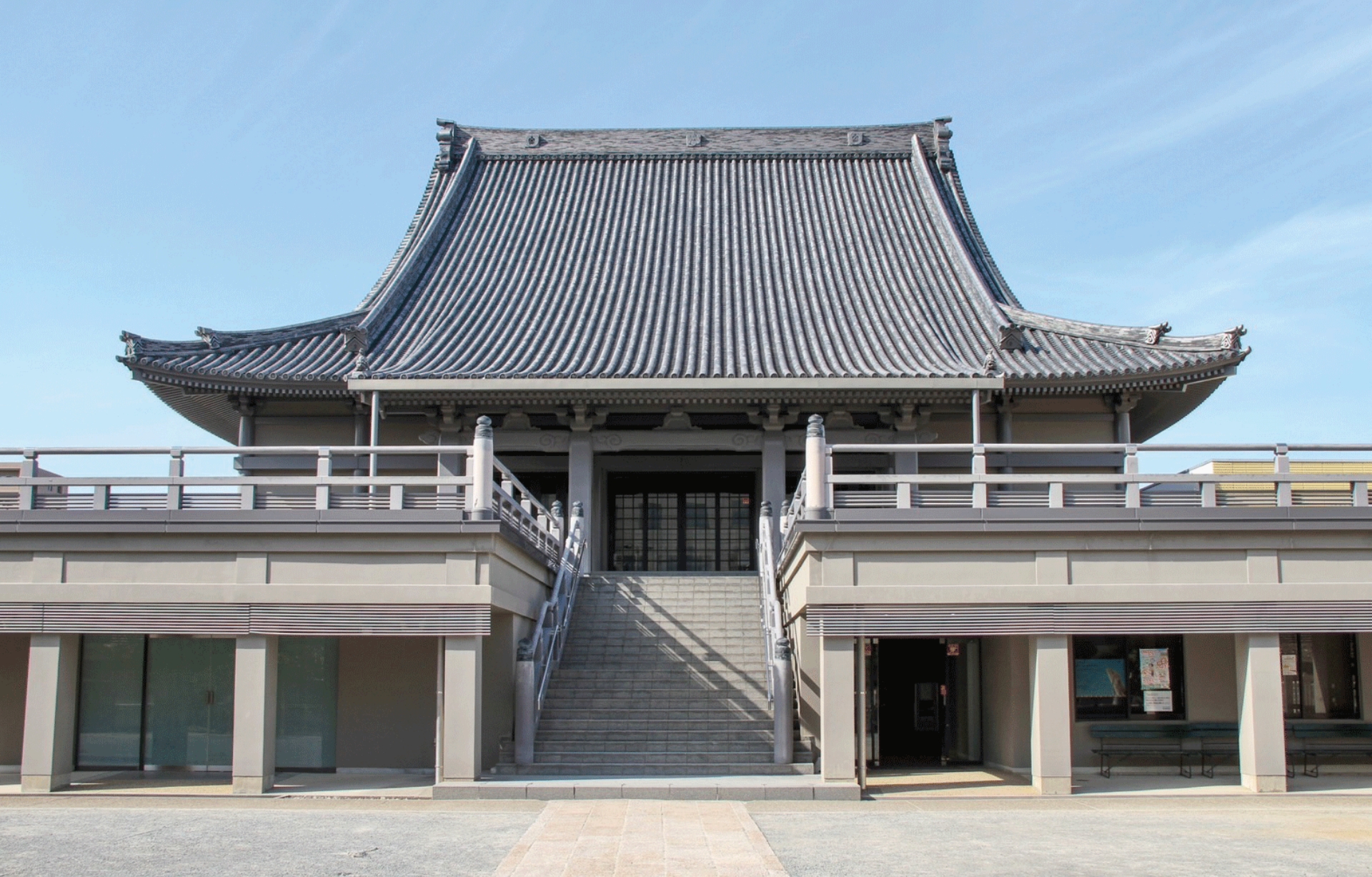
Kishu / Wakayama City, Wakayama Prefecture
It is believed that the Oniwaban established by Tokugawa Yoshimune may have been a descendant of the Kishu Ninja. It is said that the Kishu clan had a position called Yakomoyakari, which was responsible for espionage activities, and that this position went to Edo and became the "Oniwaban". Wakayama is closely associated with the ninja, which gave birth to the "Oniwaban" and one of the three major ninjutsu books, "Shoninki.
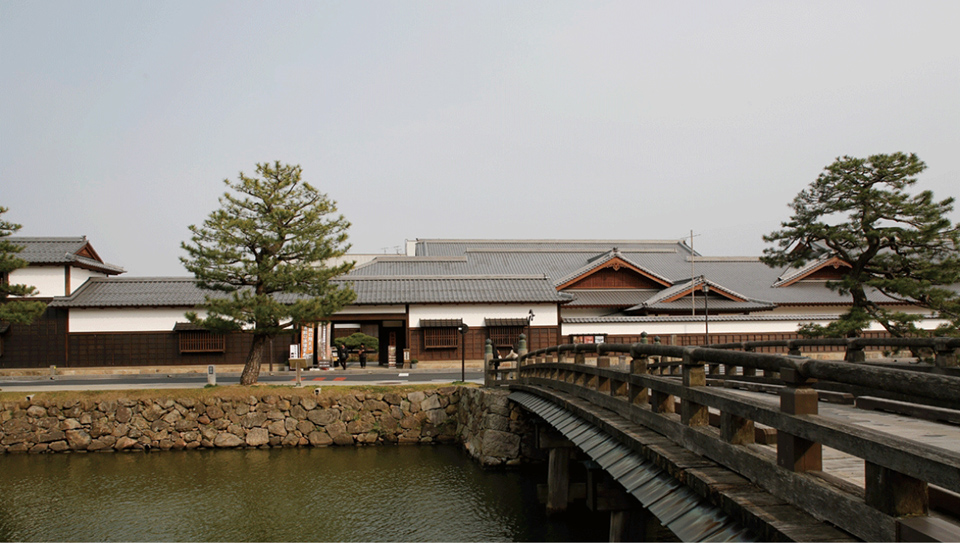
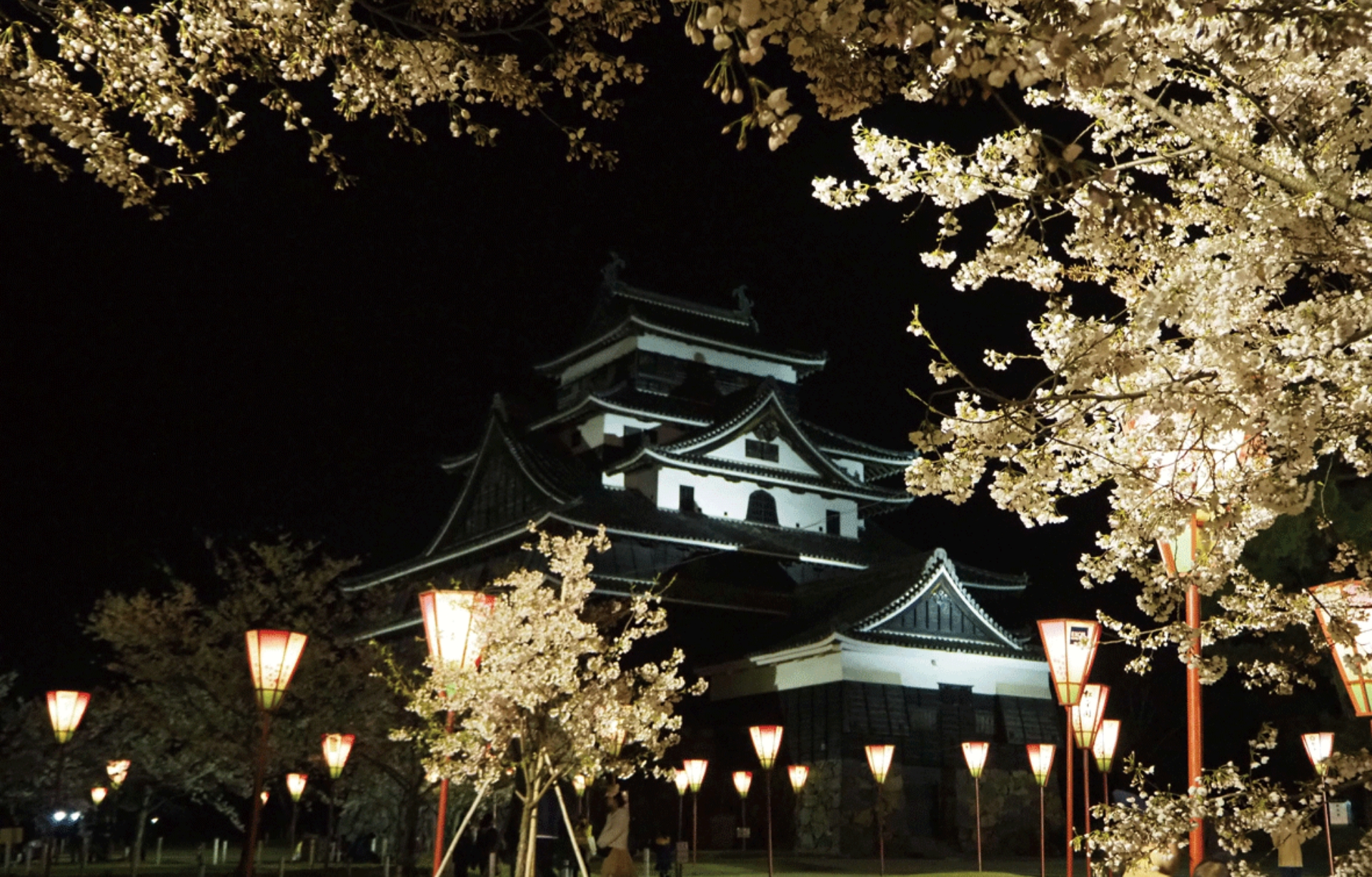
Matsue / Matsue City, Shimane Prefecture
In the "Illustration of Matsue Castle Town in the Horio Period," names such as Iga Kyuhachi are written, indicating that Iga people lived in the area. He escaped from Iga during the Tensho Iga Rebellion, was taken in by Yoshiharu Horio of Hamamatsu, participated in the Battle of Sekigahara, served as an Iga in Matsue when Yoshiharu entered Matsue, and participated in the Summer Battle of Osaka as a gunnery squad. According to the "Horio Family Payroll," he had 40 ninja (Iga), 40 gunmen (Zoga), and 580 foot soldiers with guns.
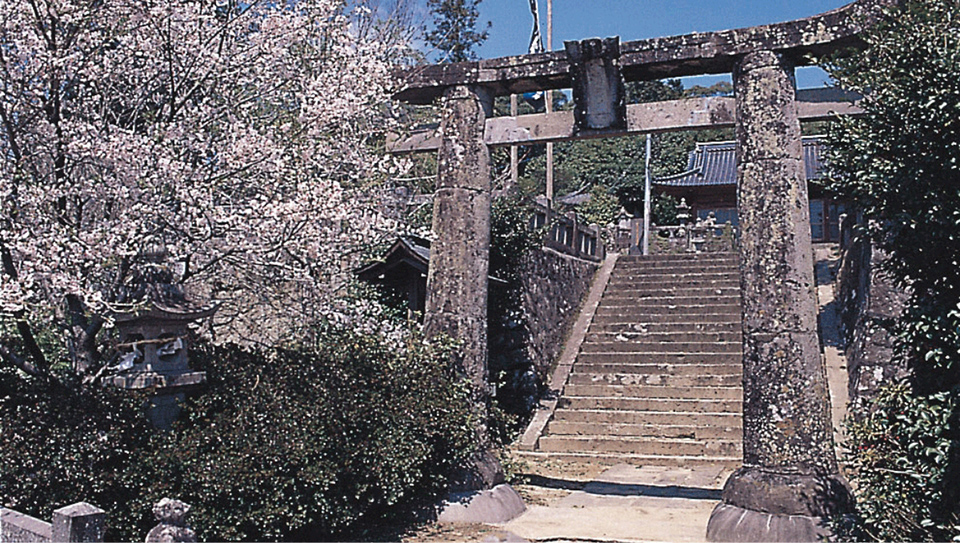
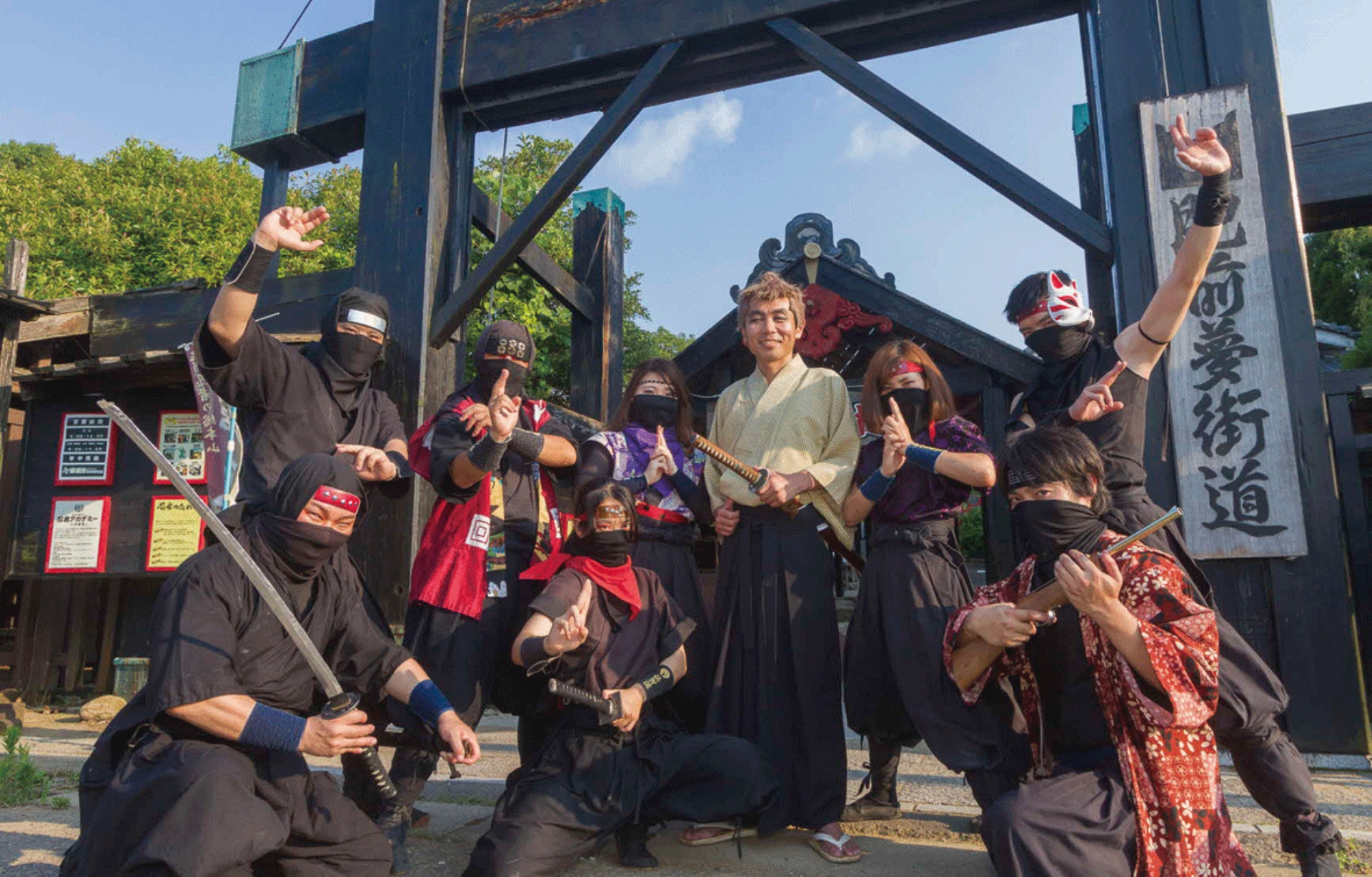
Ureshino / Ureshino City, Saga Prefecture
Ureshino was a strategic point of transportation from Nagasaki to Saga, and the Arima clan in the west and the Ryuzoji clan in the east fought fiercely against each other. Shugendo, with Mt. Karosen, and Shiotazu, an economic center, Ureshino was a place where "people, goods, and information" could easily gather. Historically speaking, there is a strong possibility that ninja were active in the area. During the Edo period (1603-1867), the area became the domain of the Hasuiike clan, a branch of the Saga clan, and when exotic ships began to appear frequently in Nagasaki, secret agents were dispatched to probe for information on foreign ships. This could be said to be another activity of the ninja.