

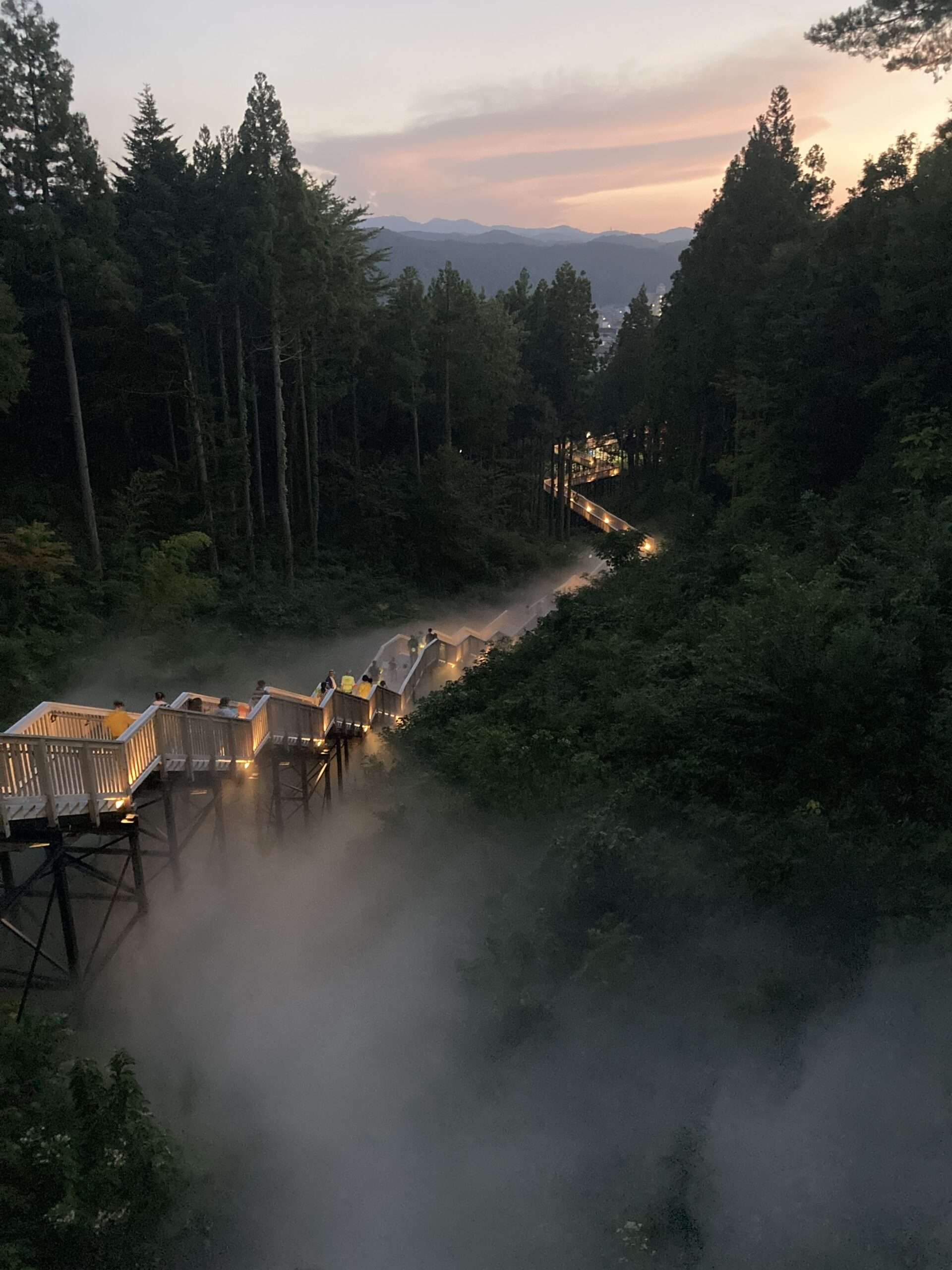
Explore Kaga Onsen Culture
A Three‑Day Journey into Hot‑Spring
Retreats and Japanese Traditions
Kaga: A Region Shaped by 1,300 Years of Tradition
With its immense resources and cultural vision, the Kaga Domain nurtured a refined aesthetic that blossomed during the Edo period. Kanazawa, the political and cultural center of the domain, remains today a prominent city in Hokuriku—known both as an economic hub and as a destination admired for its arts, crafts, and culinary heritage.
Within the former domain of Kaga lie the Three Hot Springs of Kaga, each with its own history and character, all accessible from Kagaonsen Station, just fifteen minutes from Kanazawa by shinkansen.
Here, 1,300 years of hot‑spring heritage blend naturally with the traditions cultivated under the Kaga Domain—craftsmanship, tea culture, and Kaga cuisine—creating a quietly layered experience for travelers.
In the hot‑spring towns of Kaga, where Japan’s traditional beauty continues to be passed down, you are invited to enjoy a journey into culture, history, and the understated richness of Japanese aesthetics.
FEATURE
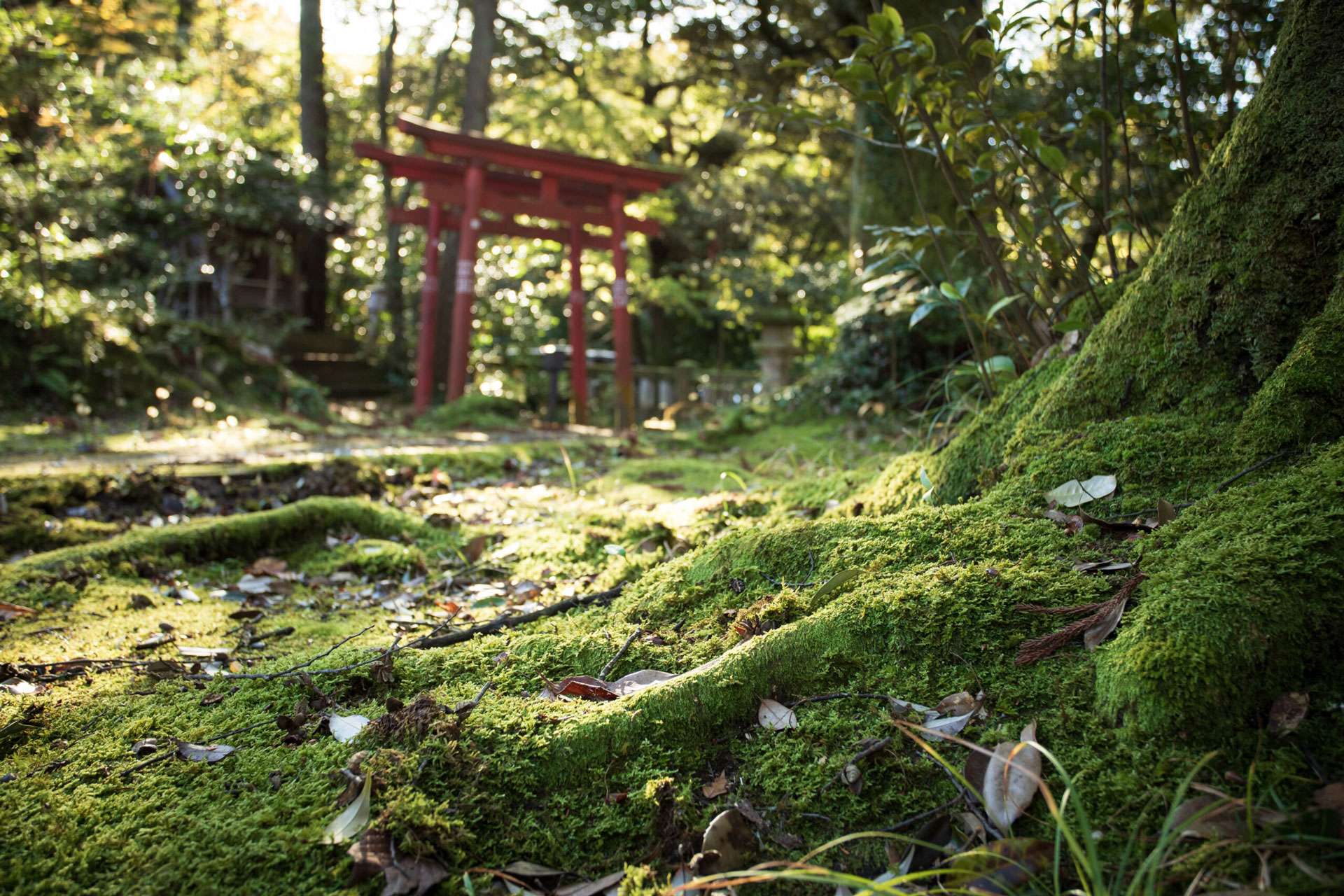 ©山代温泉観光協会
Hokuriku Among Japan’s Enduring Cultural Centers
From the Heian period (794–1185), Kyoto cultivated an elegant culture shaped by courtly traditions, classical arts, and a refined sense of beauty.
Tokyo, whose cultural foundations were formed during the Edo period (1603–1868), developed a lively urban culture led by townspeople in an age of peace.
Hokuriku, by contrast, followed its own path. Influenced by both samurai and courtly traditions under the Kaga Domain, shaped by harsh winters, and enriched by the prosperity brought by the Kitamaebune trade, the region developed distinctive crafts and a food culture such as fermented foods like miso and soy sauce. Together, these elements formed a cultural identity unlike that of Kyoto or Tokyo.
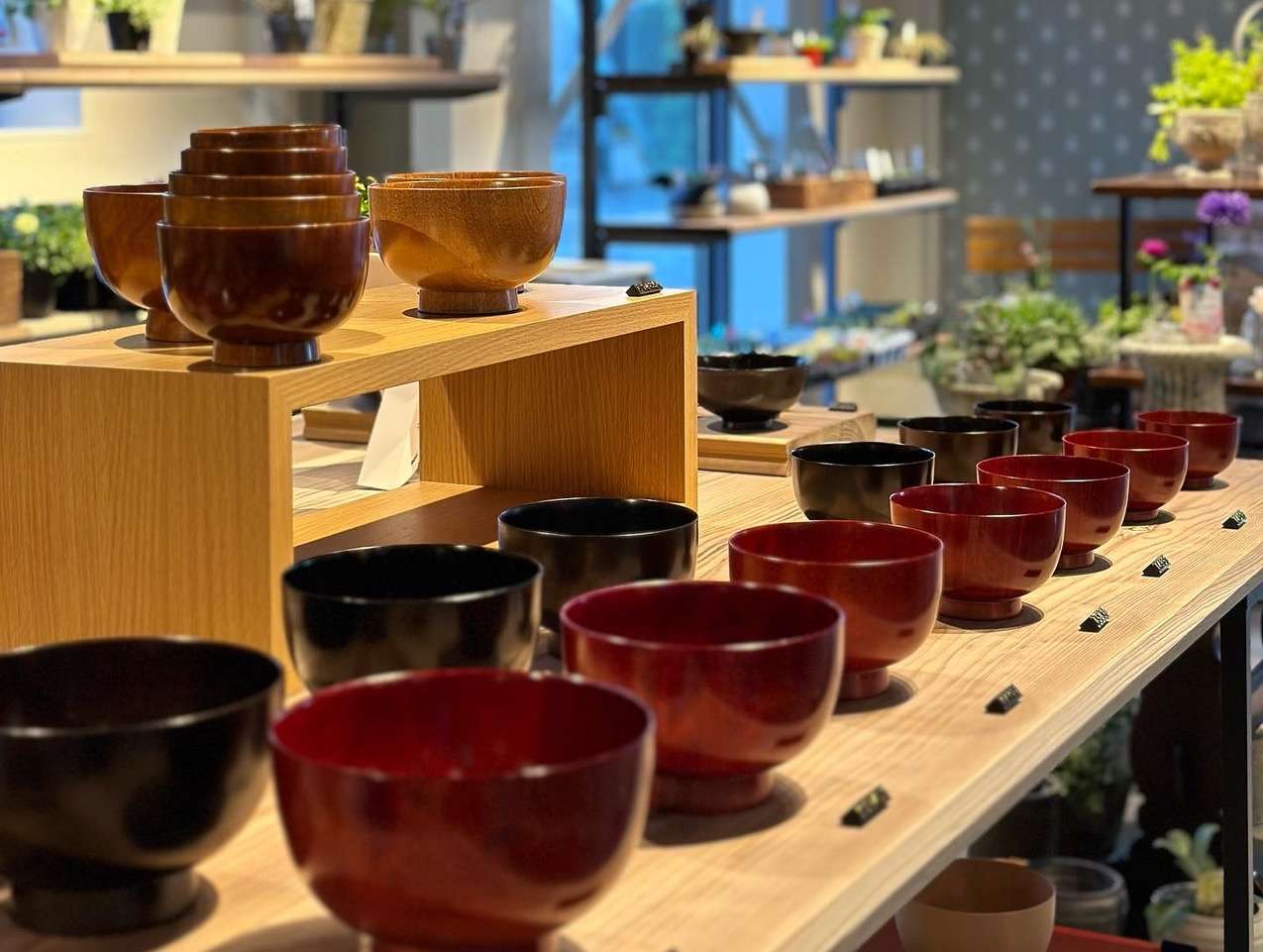
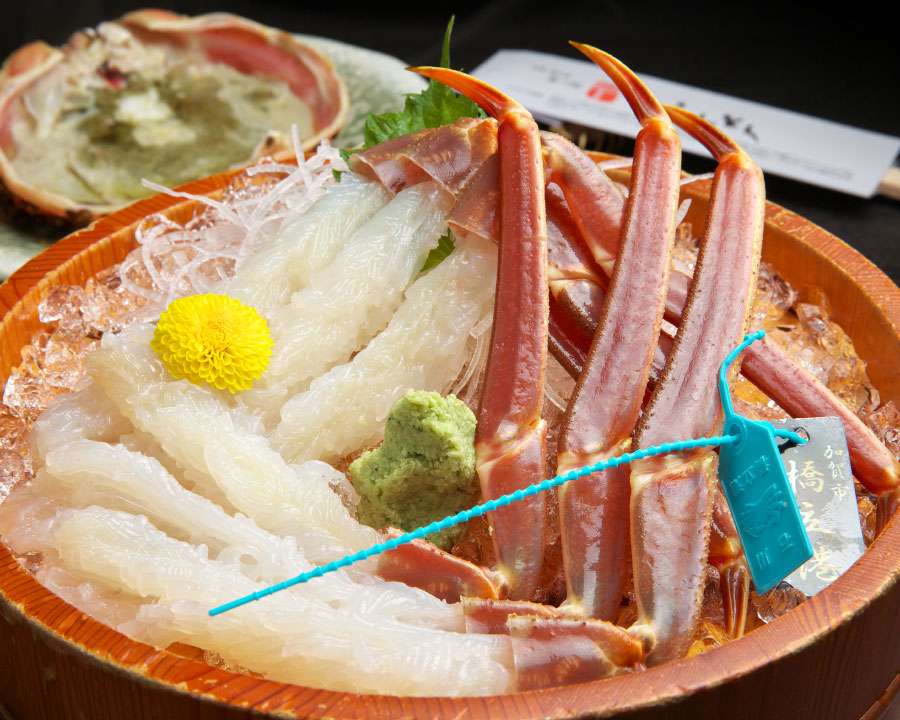
Over centuries, artisans in Hokuriku refined their skills and aesthetic sensibilities, while the rich fisheries of the Sea of Japan and a long history of maritime exchange added further depth. The result is a cultural landscape with its own quiet character and compelling historical narratives.
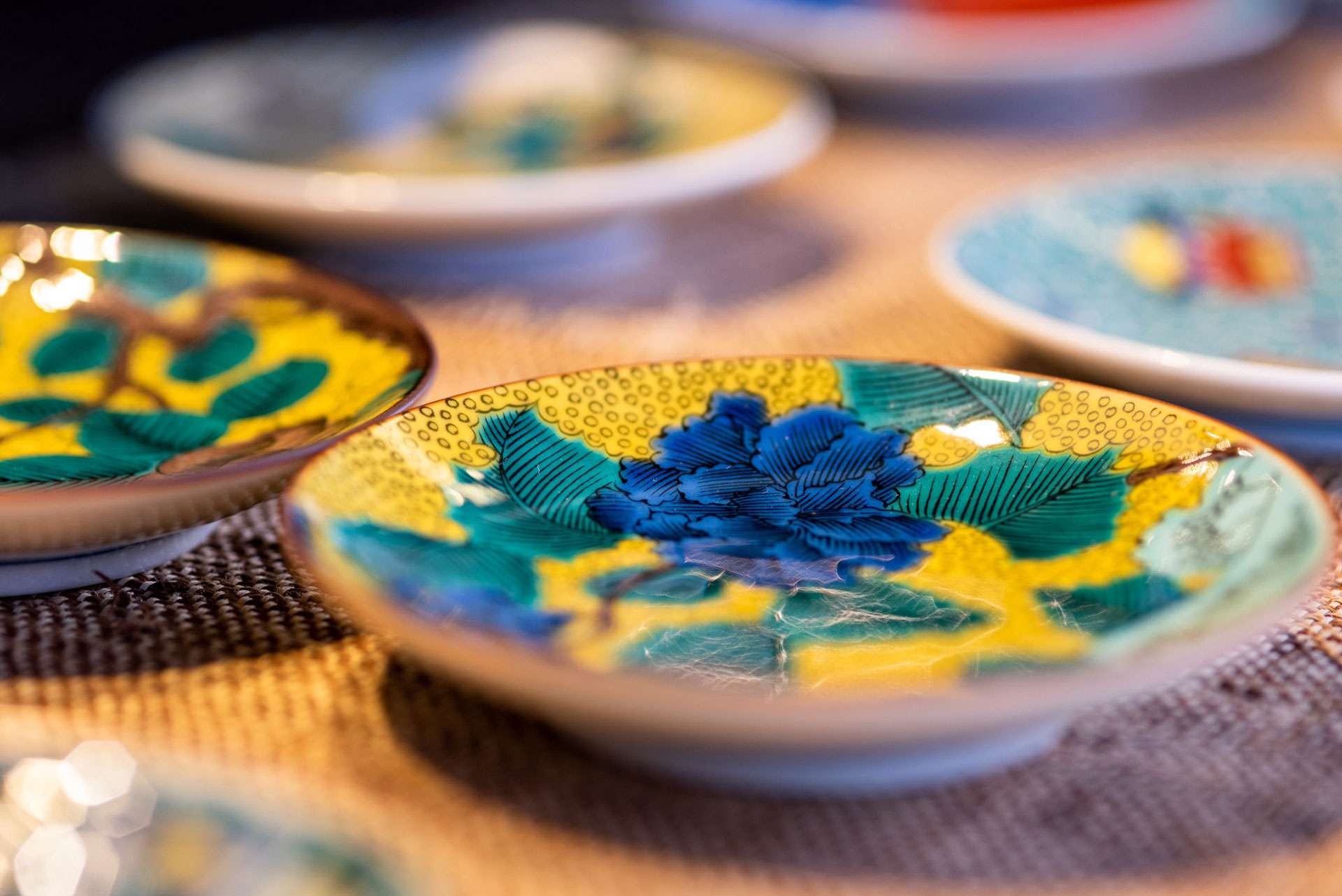
In Kaga—one expression of this broader heritage—visitors encounter traditional beauty through the atmospheric Yunogawa hot‑spring districts, the vivid colors and fine brushwork of Kutani ware, and the harmony of tableware and cuisine in Kaga cuisine. These traditions form a cultural lineage that reflects the essence of Hokuriku.
We invite you to experience the depth and authentic cultural heritage of Kaga and the wider Hokuriku region, where Japan’s traditions continue to be preserved with care.
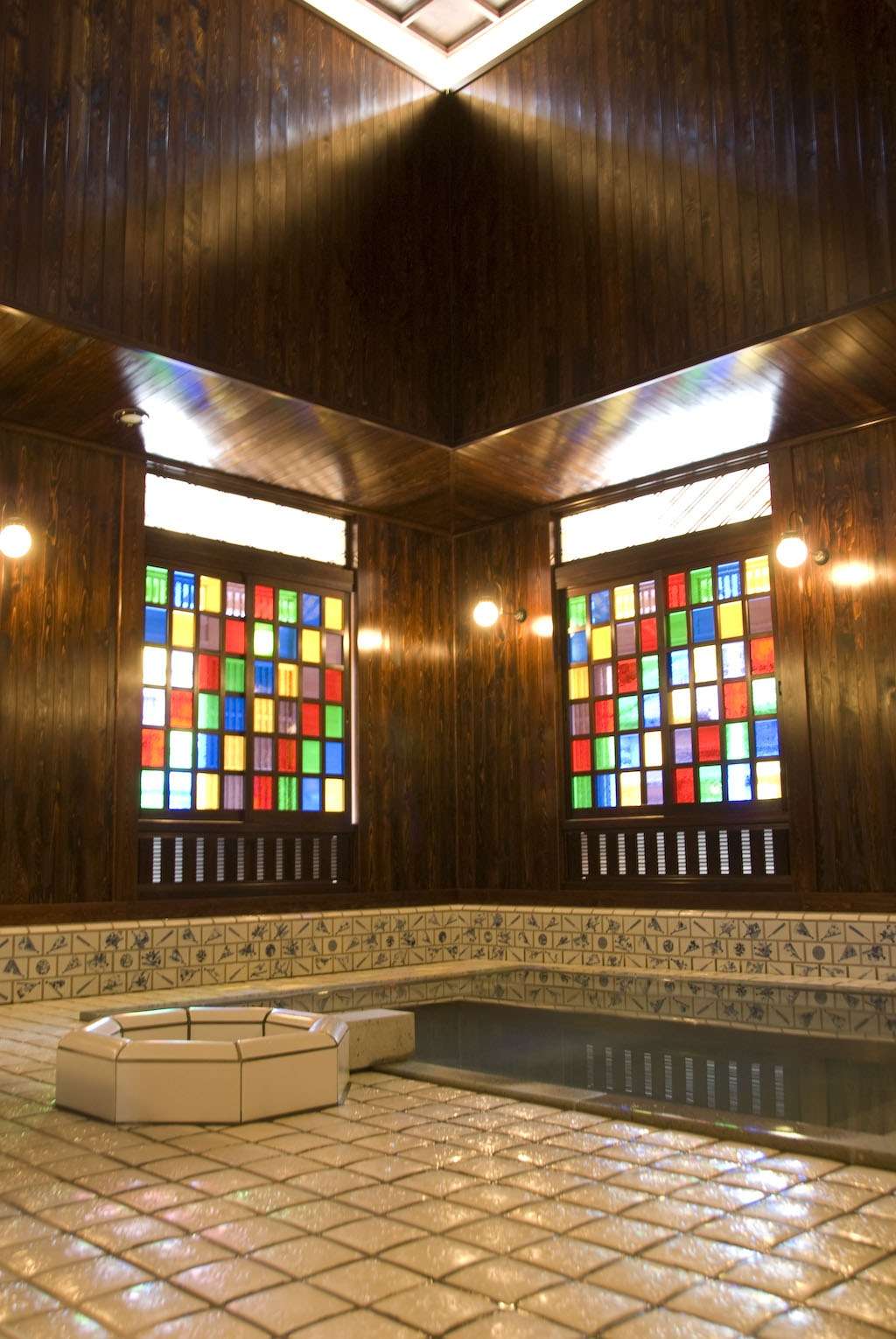 ©石川県観光連盟
Enquire with Our
Concierge
HIGHLIGHT
DAY 1 HIGHLIGHT
Immersing Yourself in Hokuriku Culture Shaped by Kaga Onsen and the Kitamaebune Trade
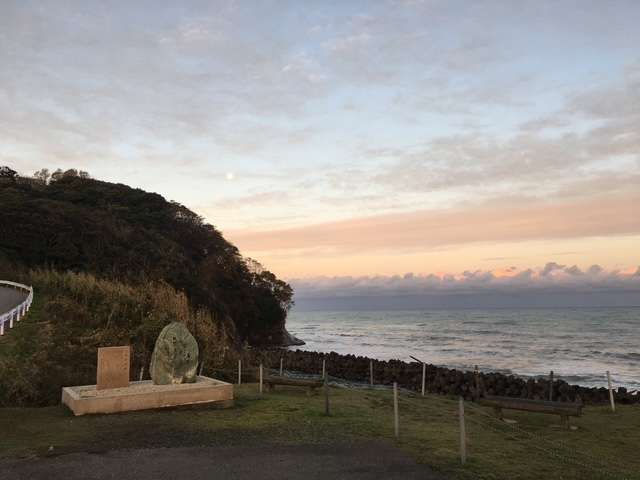
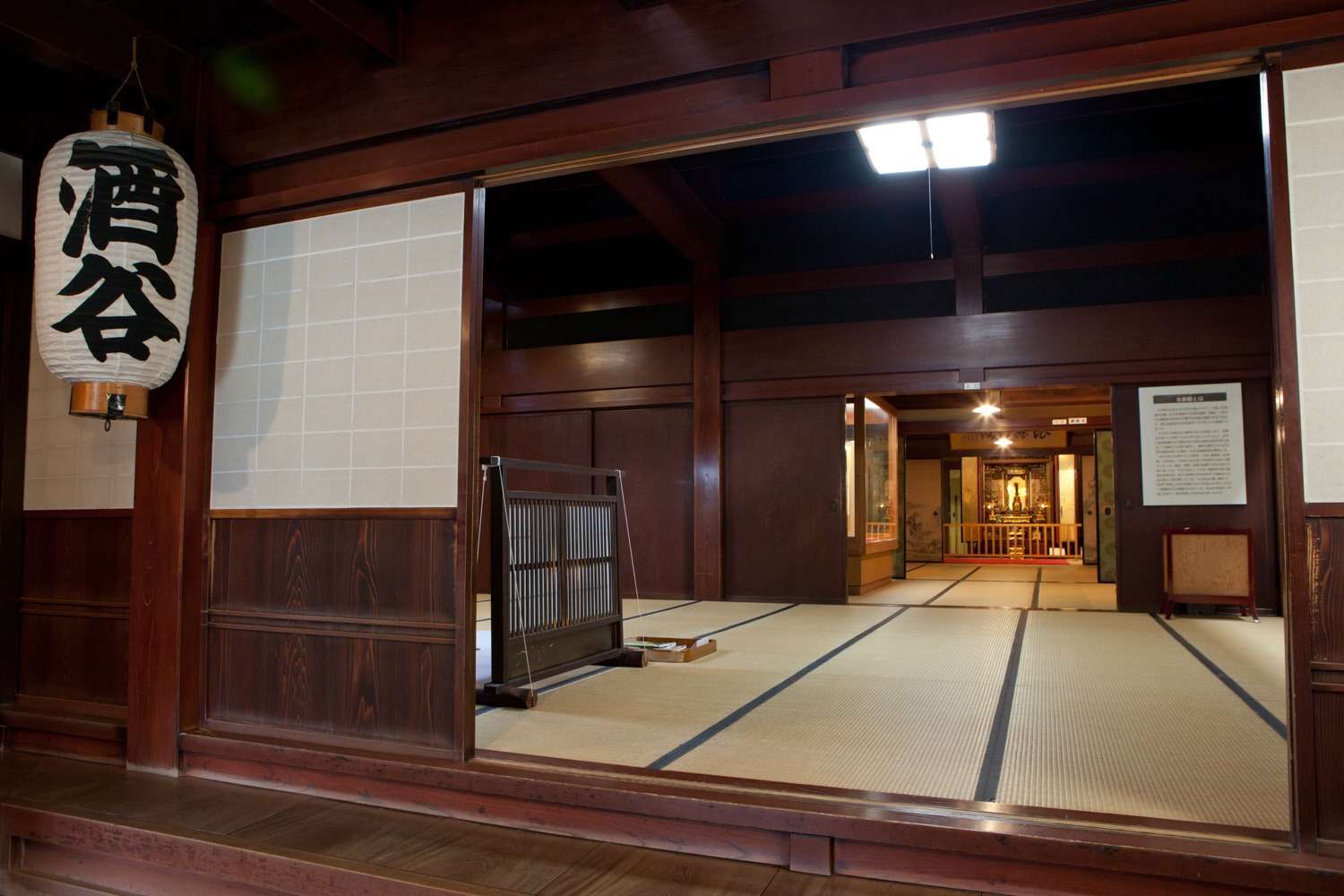
The Kitamaebune ships once connected Hokkaido and the Kansai region across the Sea of Japan, carrying goods, ideas, and aspirations. Their owners built the prosperous village of Kaga Hashitate, where traditional Kitamaebune‑style houses still stand. Walking through this former shipping community, you follow the dreams of those who lived here and reflect on how this maritime trade helped lay the foundations of Japanese gastronomy.
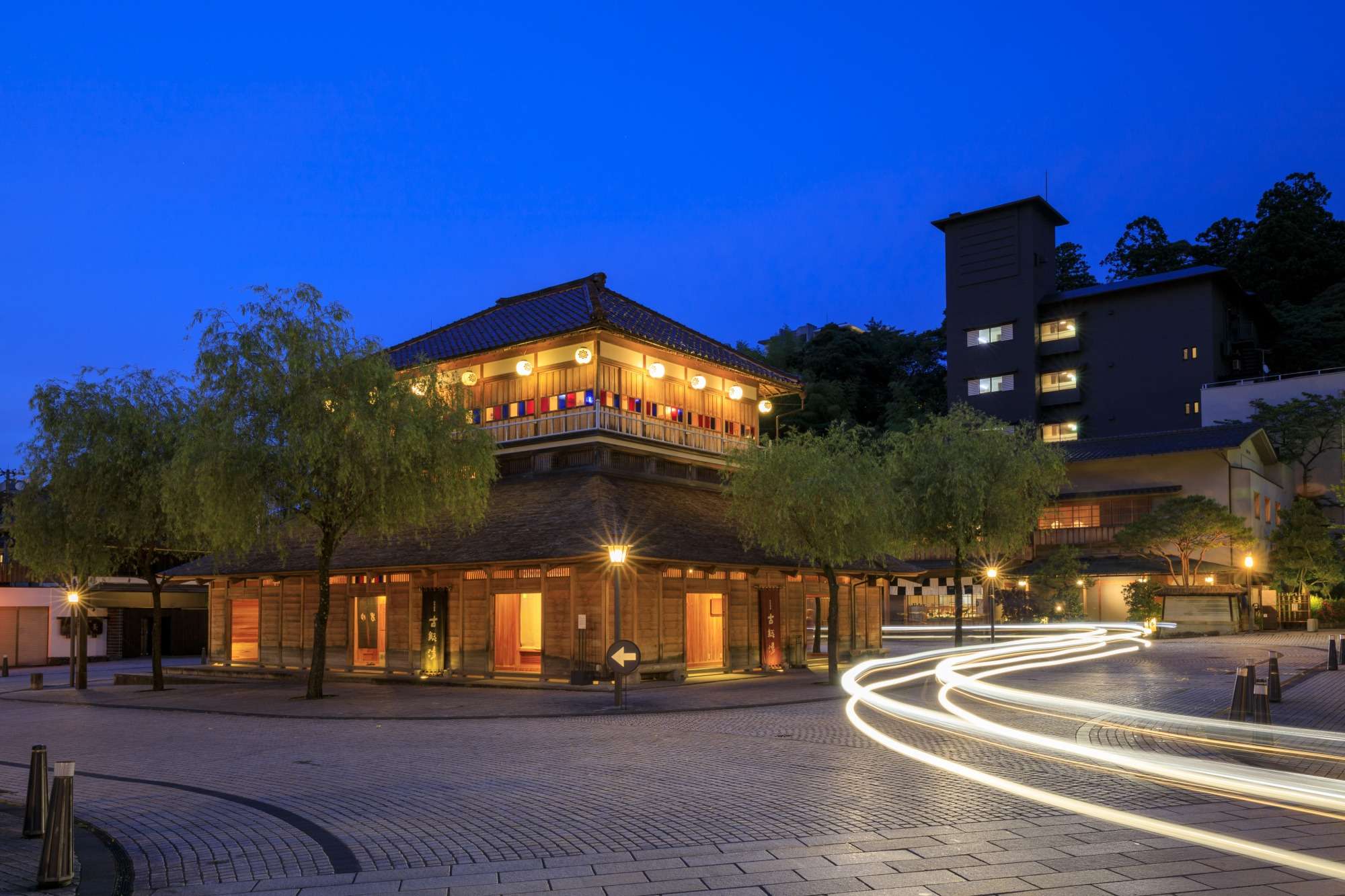
After exploring these grand stories of the sea, the journey continues into Yamashiro Onsen, a hot‑spring town with a history of 1,300 years. Here, the atmosphere of public bath culture and the simple pleasure of wandering through town create a gentle pause in the day.
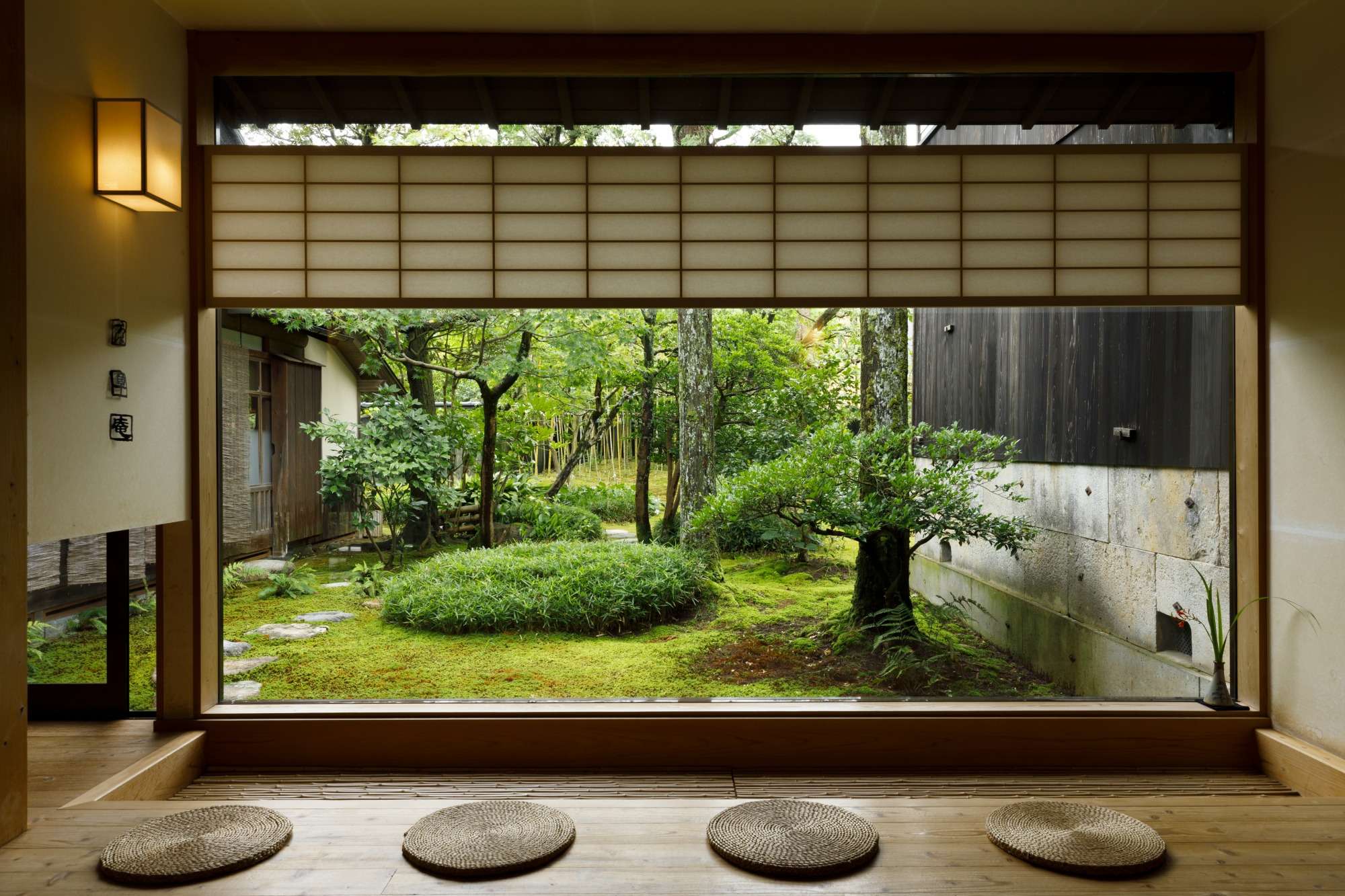
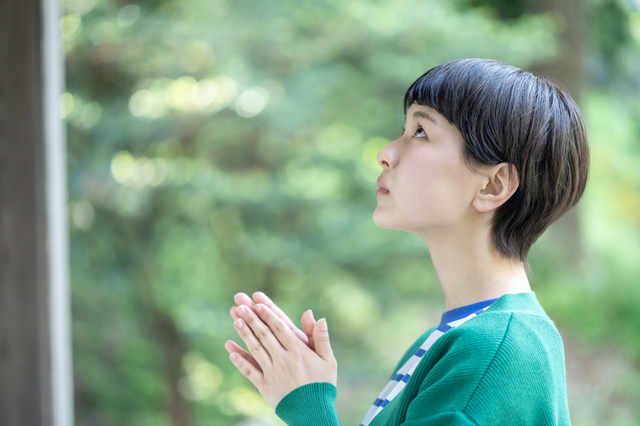
You stroll through the Yunogawa district, passing retro streets lined with red‑tiled roofs and small shops that carry a sense of local character. At Yakuōin Onsenji Temple, you come upon a Japanese garden of quiet beauty and encounter the legend of the sacred bird said to have guided the discovery of the spring—expressed through the temple’s setting and long‑held traditions. You also follow the footsteps of Rosanjin, who elevated the harmony of tableware and cuisine into an art form.
Between Tokyo and Kyoto lies another expression of Japanese culture—the heritage of Hokuriku and Kaga, experienced through stories that bring its history to life.
 ©石川県観光連盟
DAY 2 HIGHLIGHT
Traditional Crafts and Art of Kaga
The traditional aesthetics flourished during the Edo period under the Kaga Domain are still held in the work of today’s artisans, carried quietly through techniques and sensibilities passed down over generations.
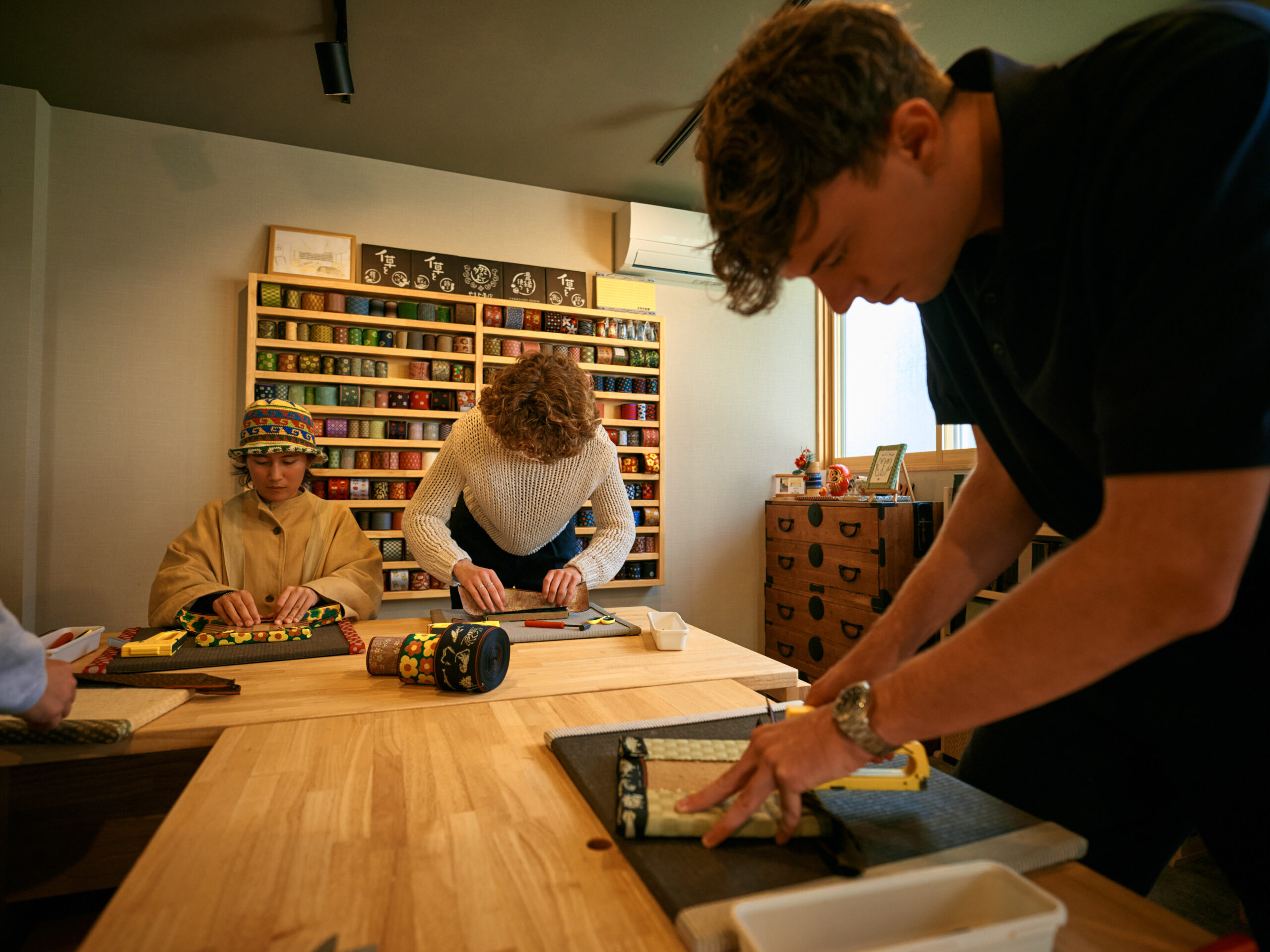
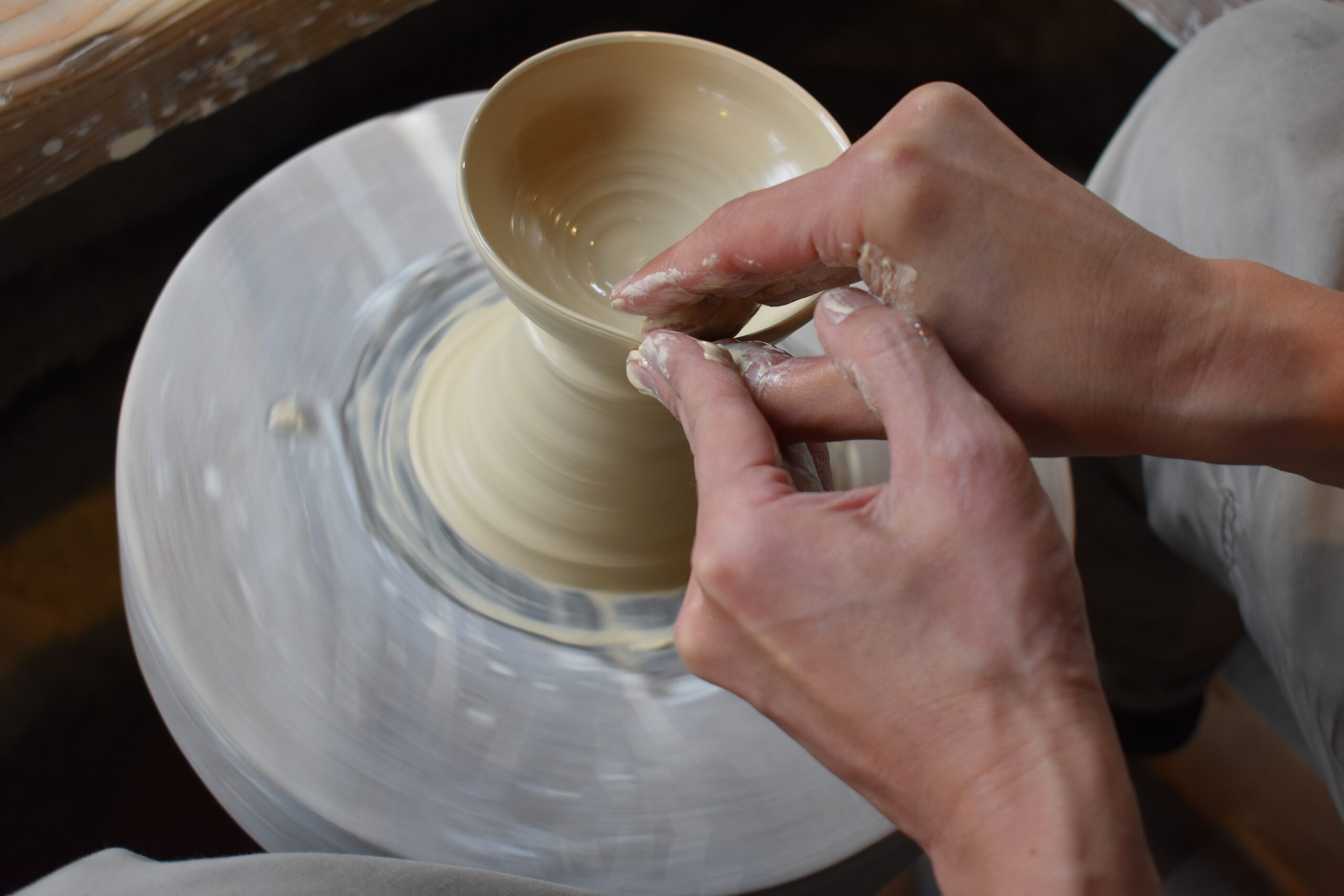
In Daishōji, a sub‑domain of Kaga and the birthplace of Kutani ware, the core of this ceramic tradition comes into view. Craft experiences unfold at a natural pace—ceramics, lacquerware, tatami, tea rooms, and wagashi—each reflecting practices that have been maintained over time and a sense of color and form characteristic of Kaga.
Across these crafts, subtle expression and clear design coexist, creating a style that feels distinctly rooted in the region.
As the day continues, the connections between history, craftsmanship, art, and culinary culture become more apparent. Through encounters with artisans and moments of hands‑on work, the journey offers a quiet appreciation of Kaga—its traditions, its materials, and the people who continue to sustain them.
 ©山代温泉観光協会
Into
Kaga
 ©石川県観光連盟
TOUR PLAN
Facility Information
10:00
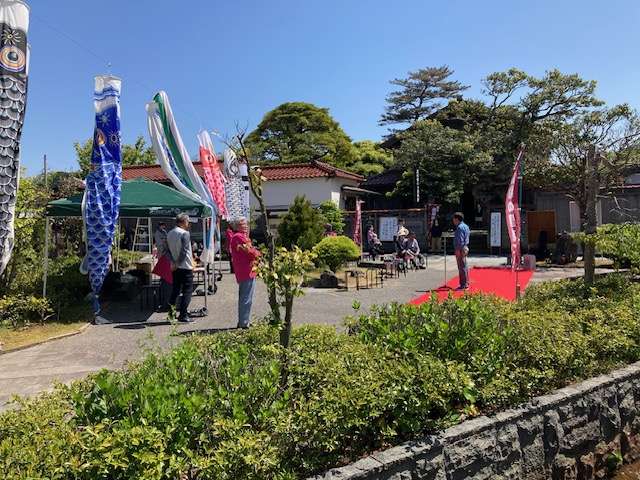
Guided walk in Kaga Hashidate
– tracing the dreams of the Kitamaebune and the origins of Hokuriku culture
Facility Information
12:00
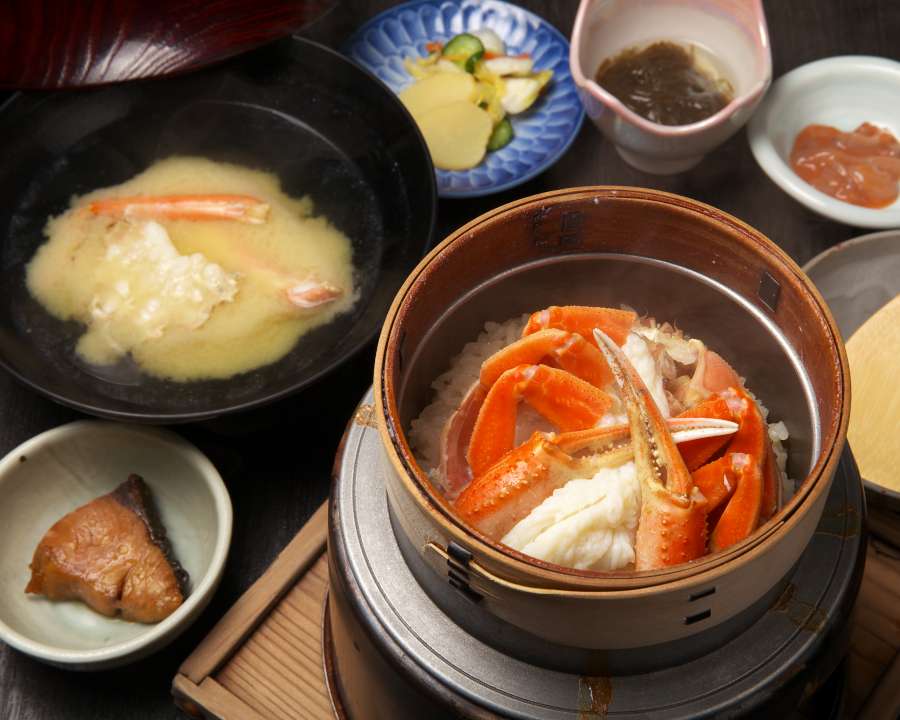
Seafood lunch in Kaga Hashidate
– choosing freshly landed seafood cooked in the style you prefer
Facility Information
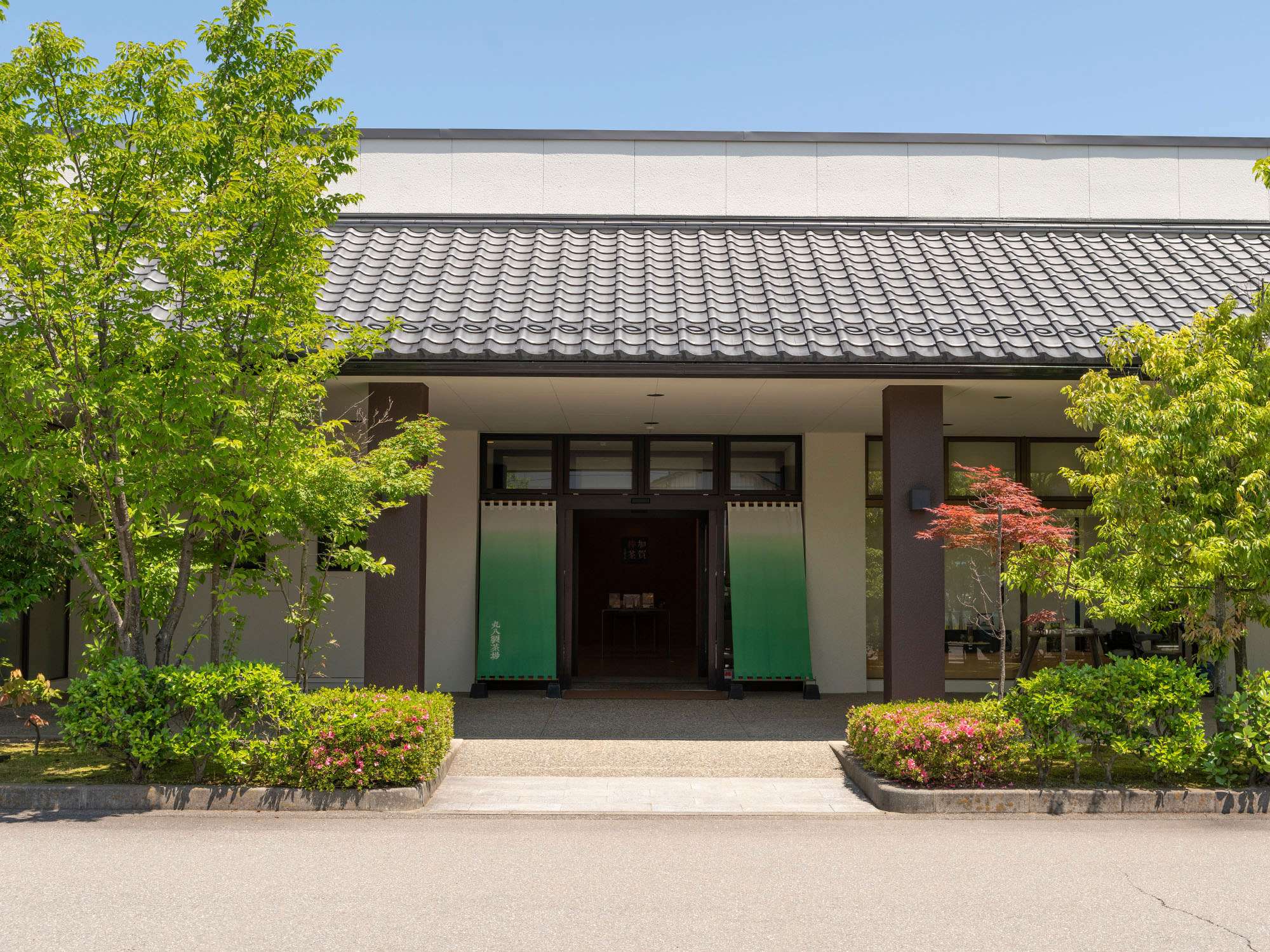
Maruhachi Seichaba Main Store
1‑8 Yū, Iburibashicho, Kaga, Ishikawa 922‑0331, Japan
TEL: 0761-74-2425
13:00
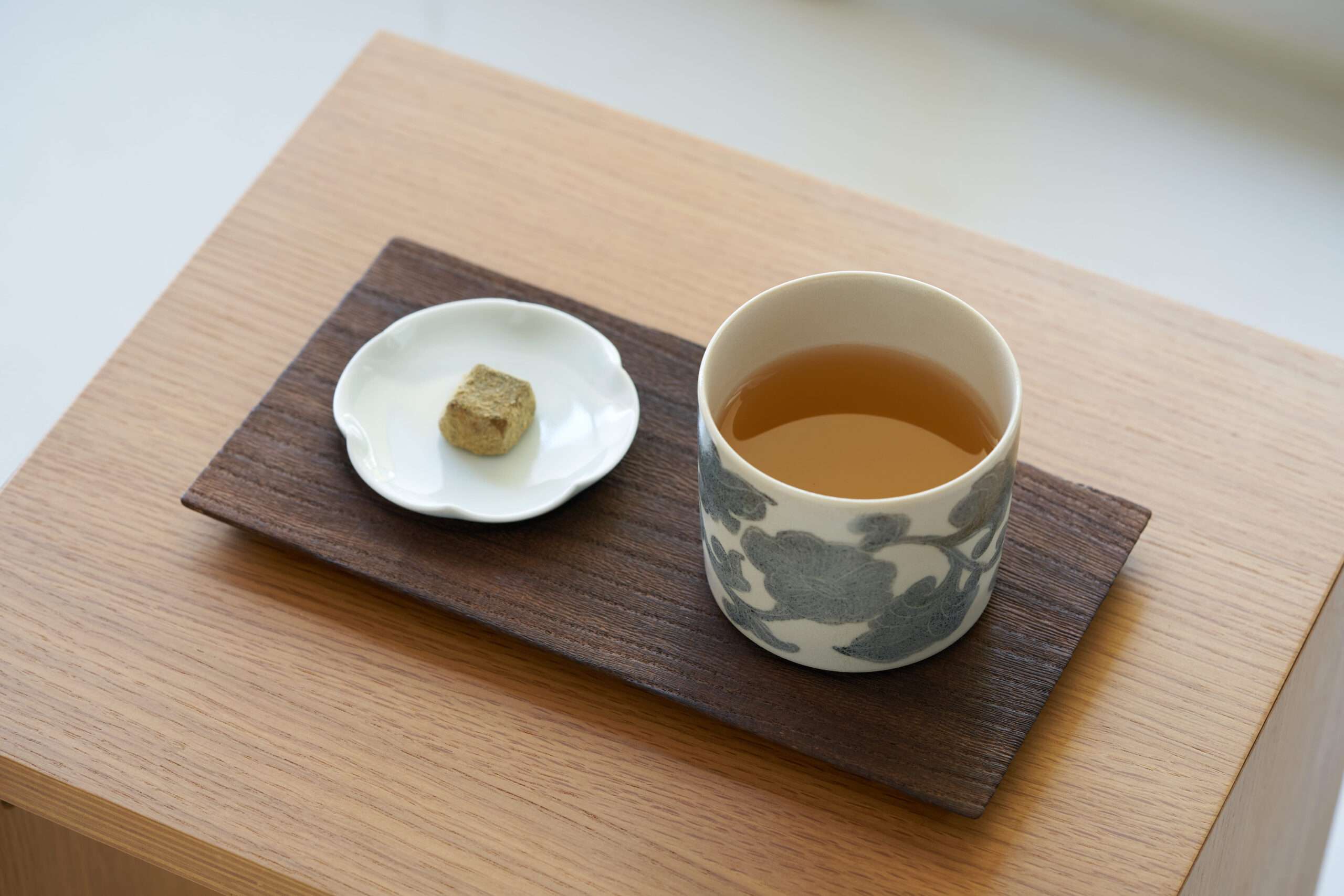
Tea time
– a quiet pause with Kaga bōcha, the tea of this region’s terroir
Facility Information
©山代温泉観光協会
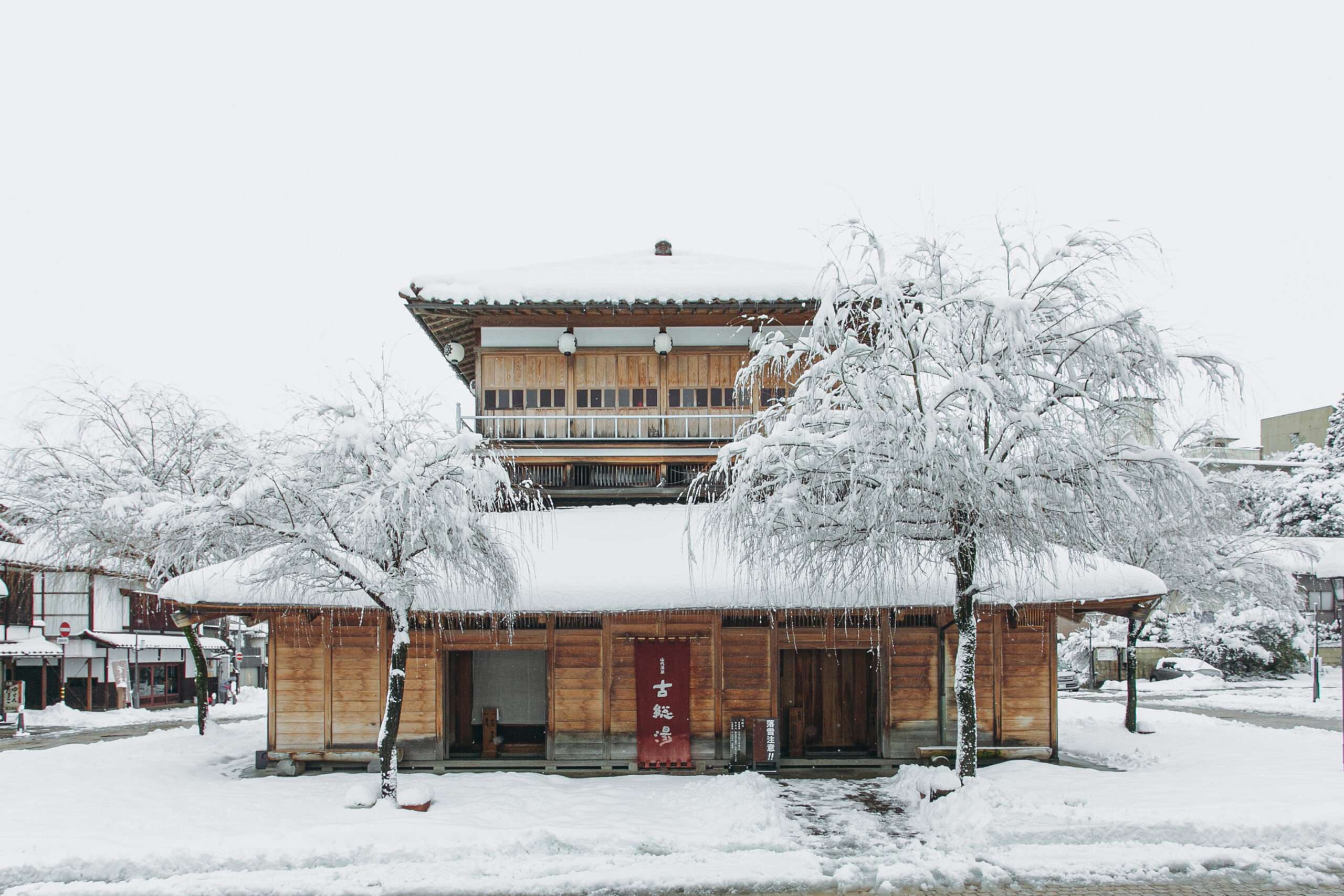
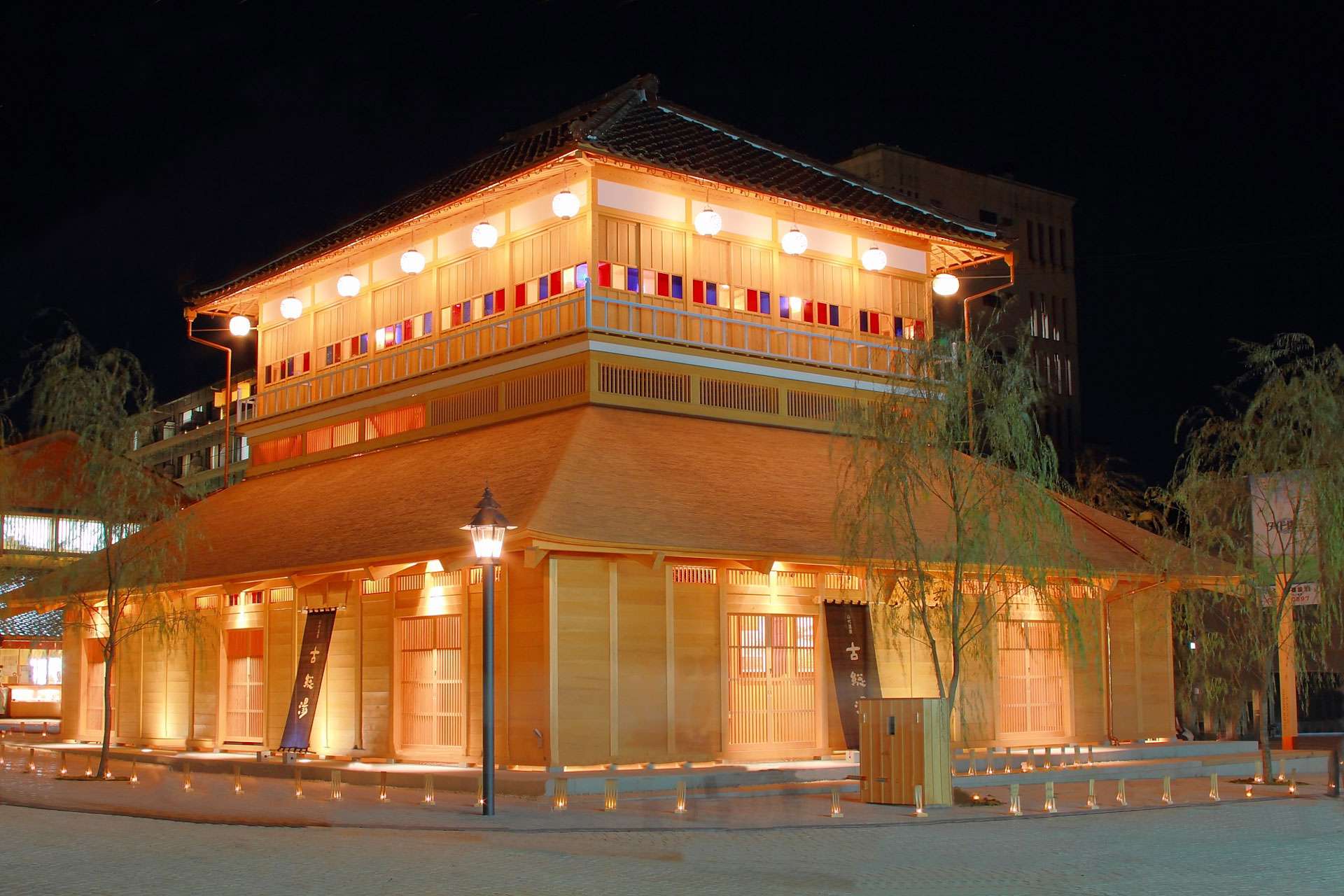
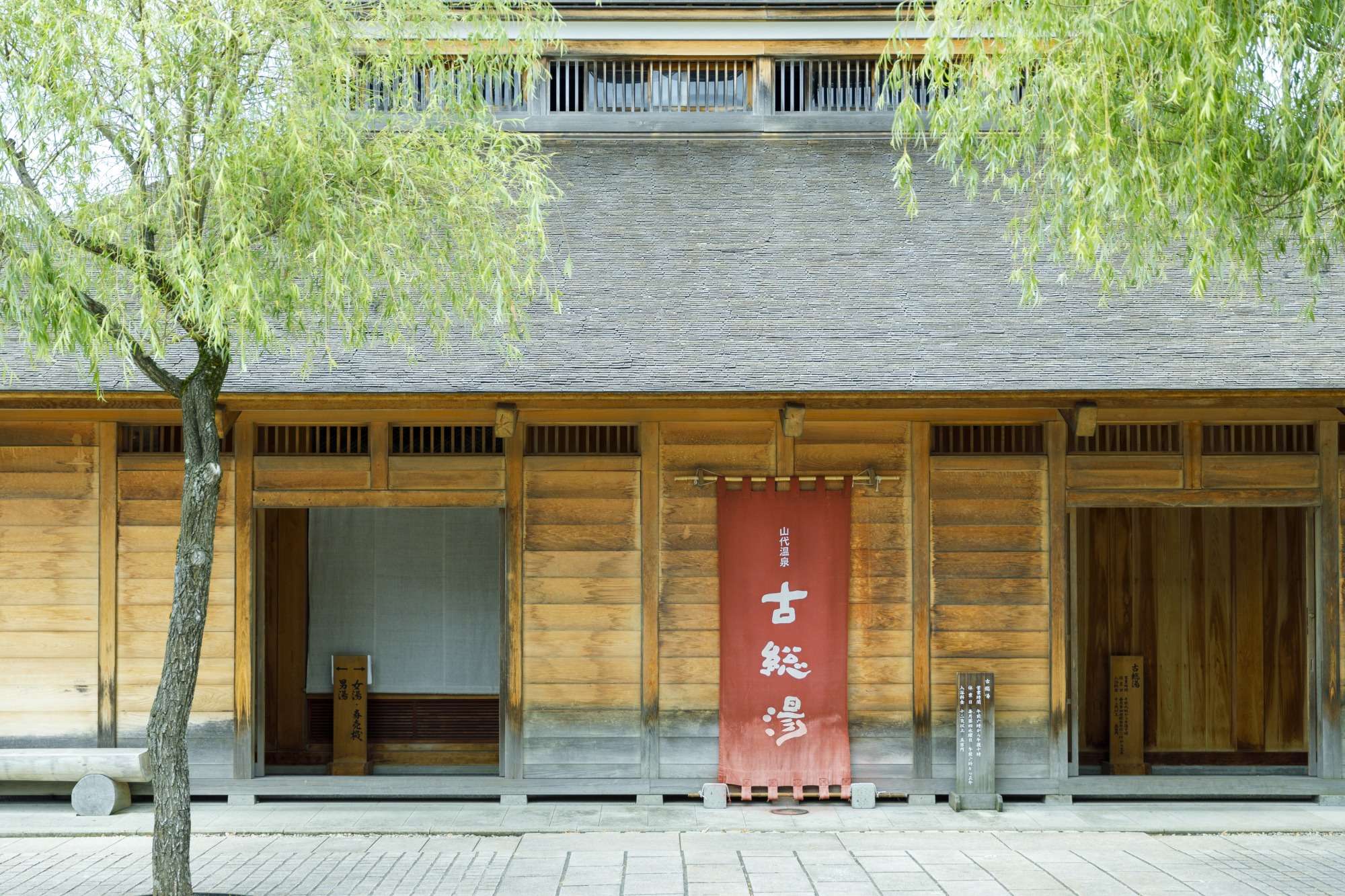
Kosōyu
18‑128 Banshōendōri, Yamashiro Onsen, Kaga, Ishikawa 922‑0256, Japan
TEL: 0761-76-0144
 ©山代温泉観光協会
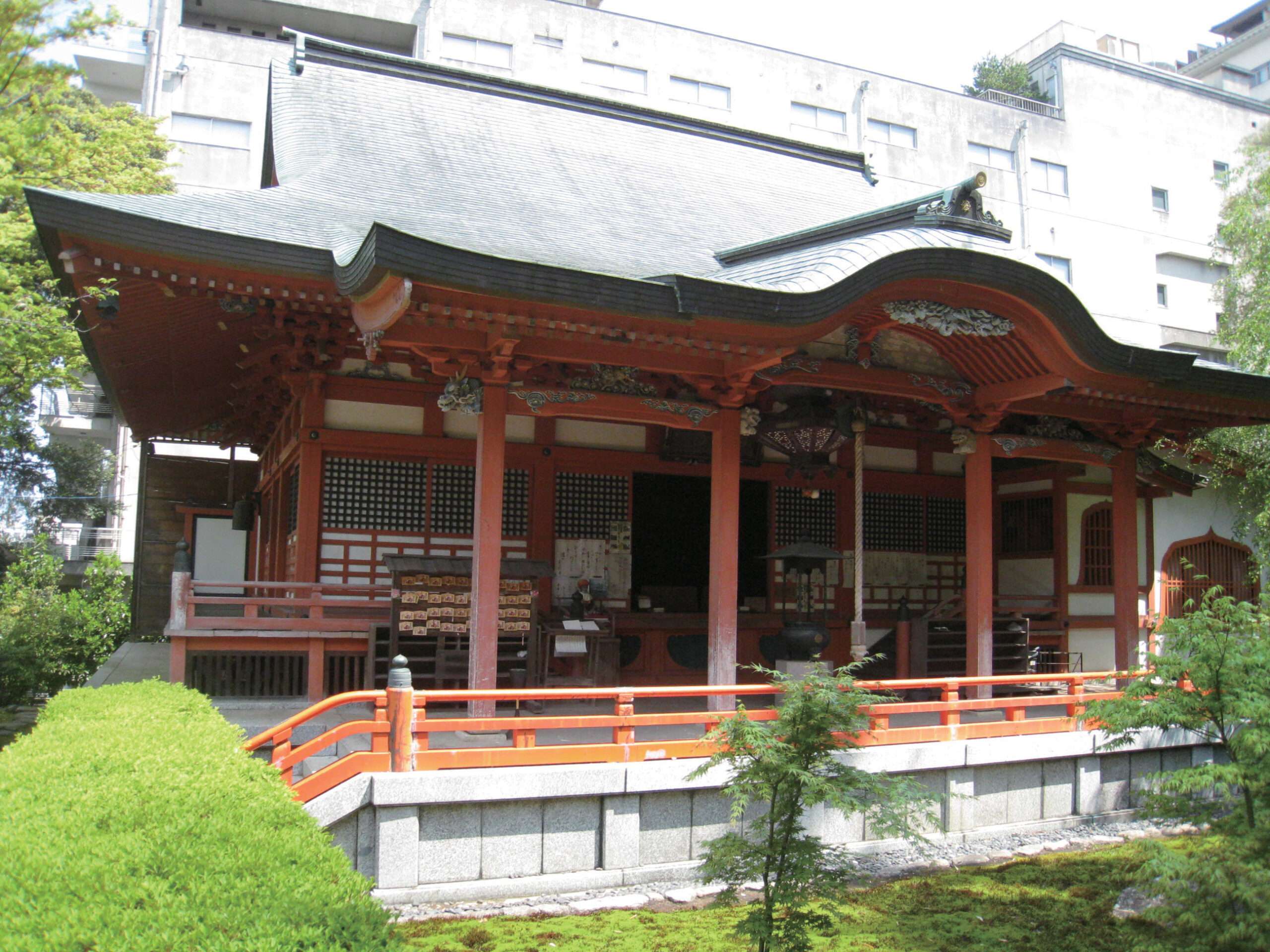
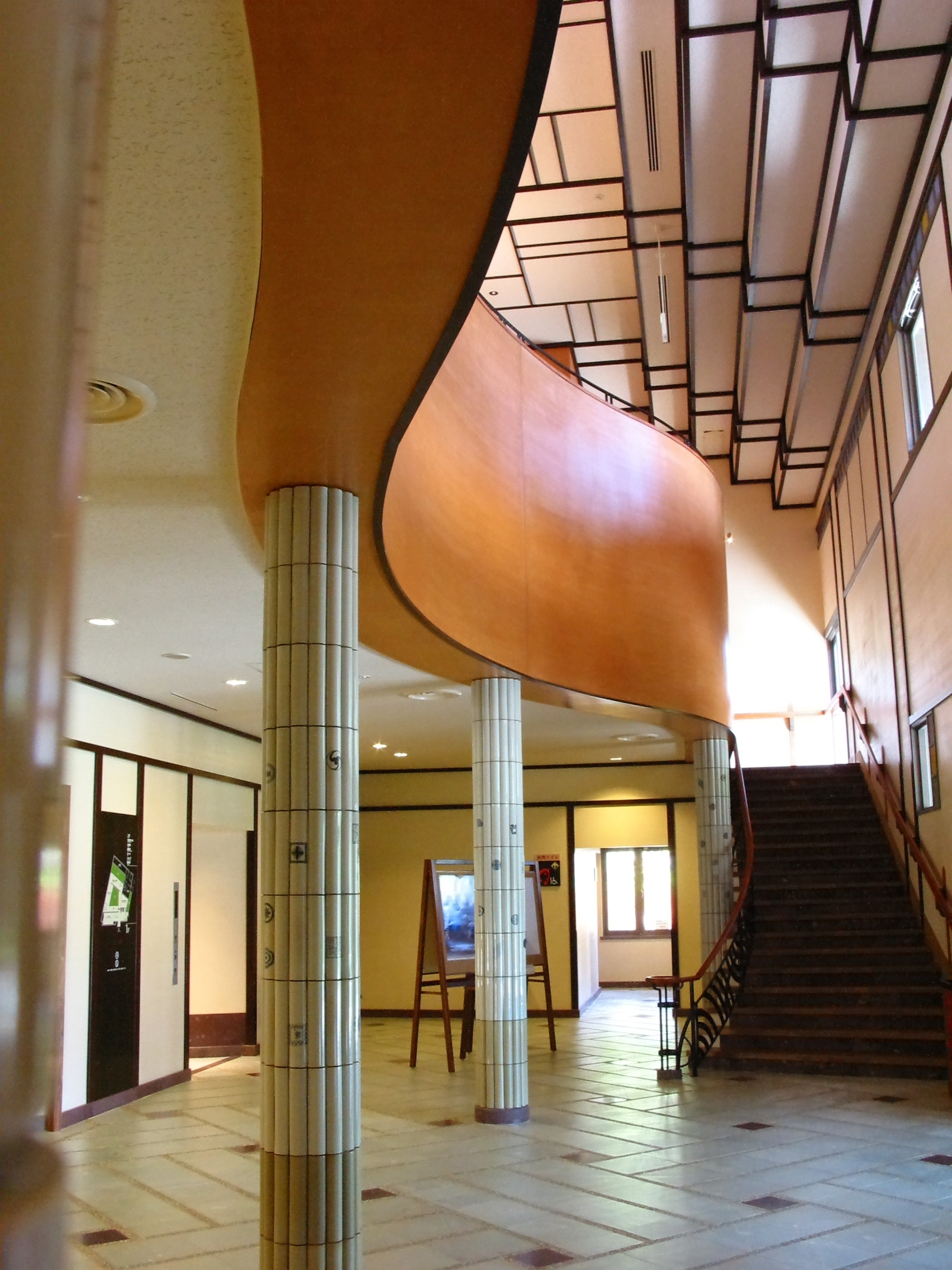
Yakuōin Onsenji Temple
18‑40 Kō, Yamashiro Onsen 4‑ku, Kaga, Ishikawa 922‑0242, Japan
TEL: 0761-76-1155
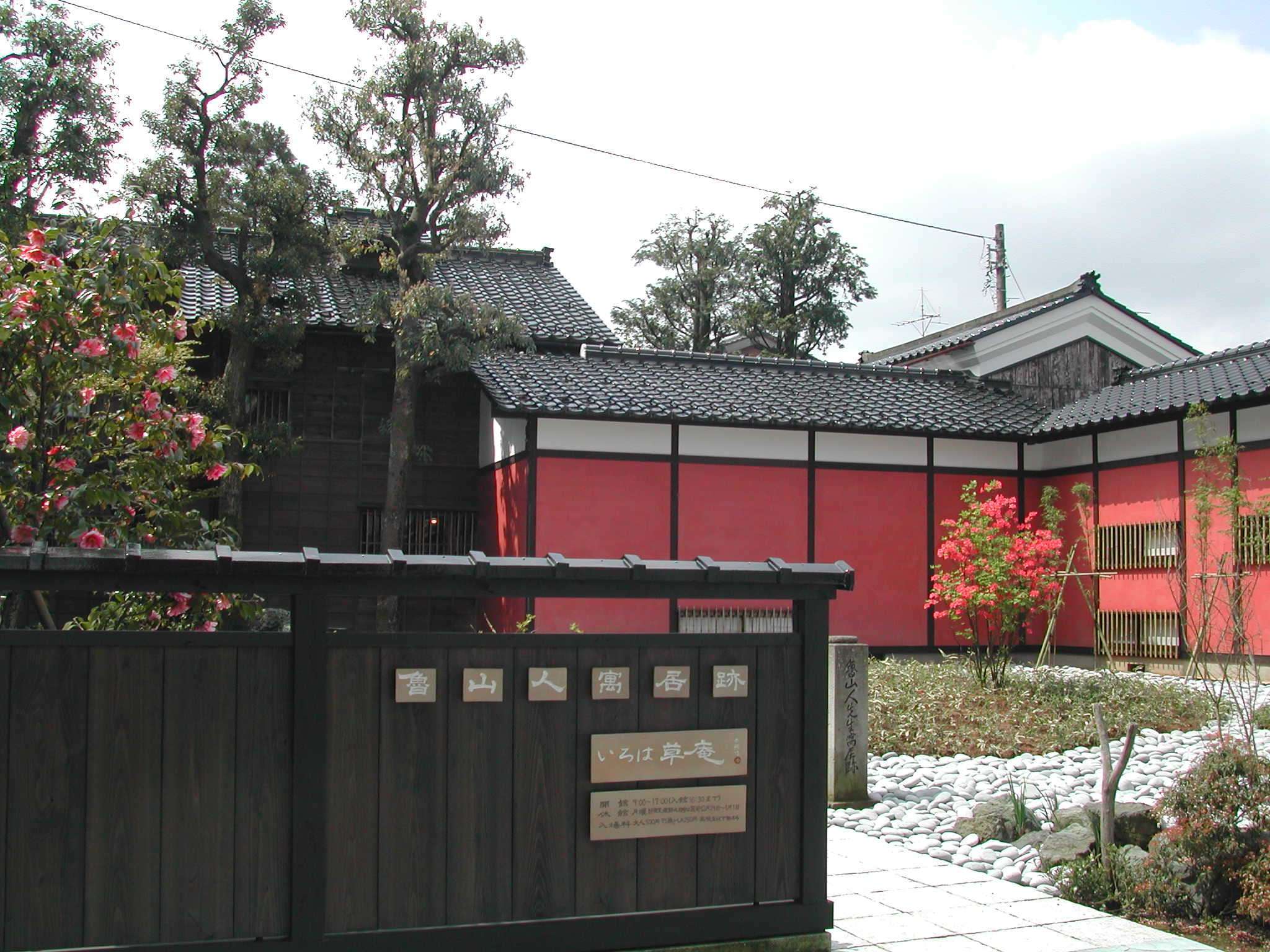
14:30
Yamashiro Onsen guided walk
– exploring 1,300 years of hot‑spring history
 ©石川県観光連盟
Facility Information
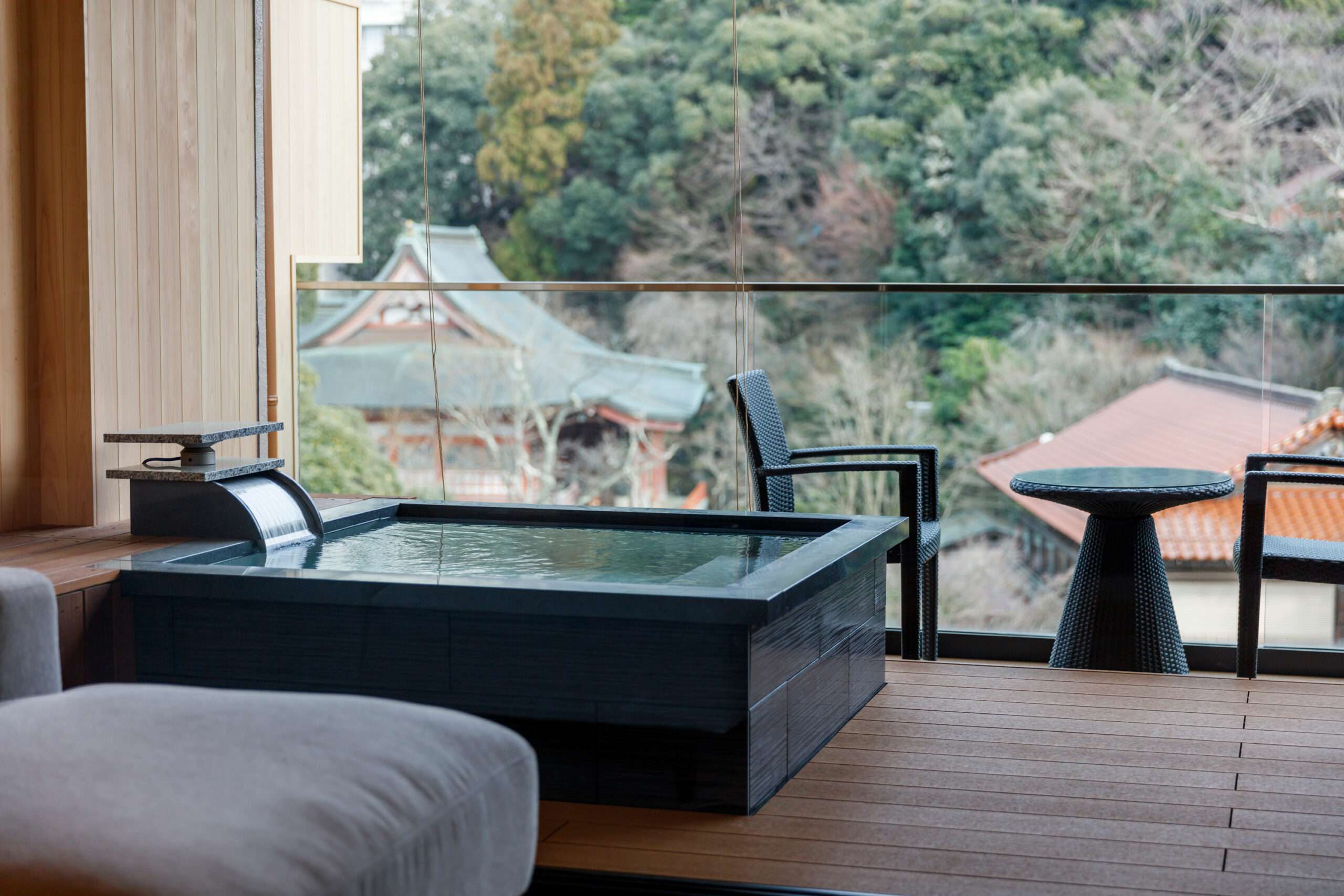
Tachibana Shikitei
16 Banshoen-dori, Yamashiro Onsen, Kaga City, Ishikawa 922-0242, Japan
TEL: 0761-77-0001
16:00
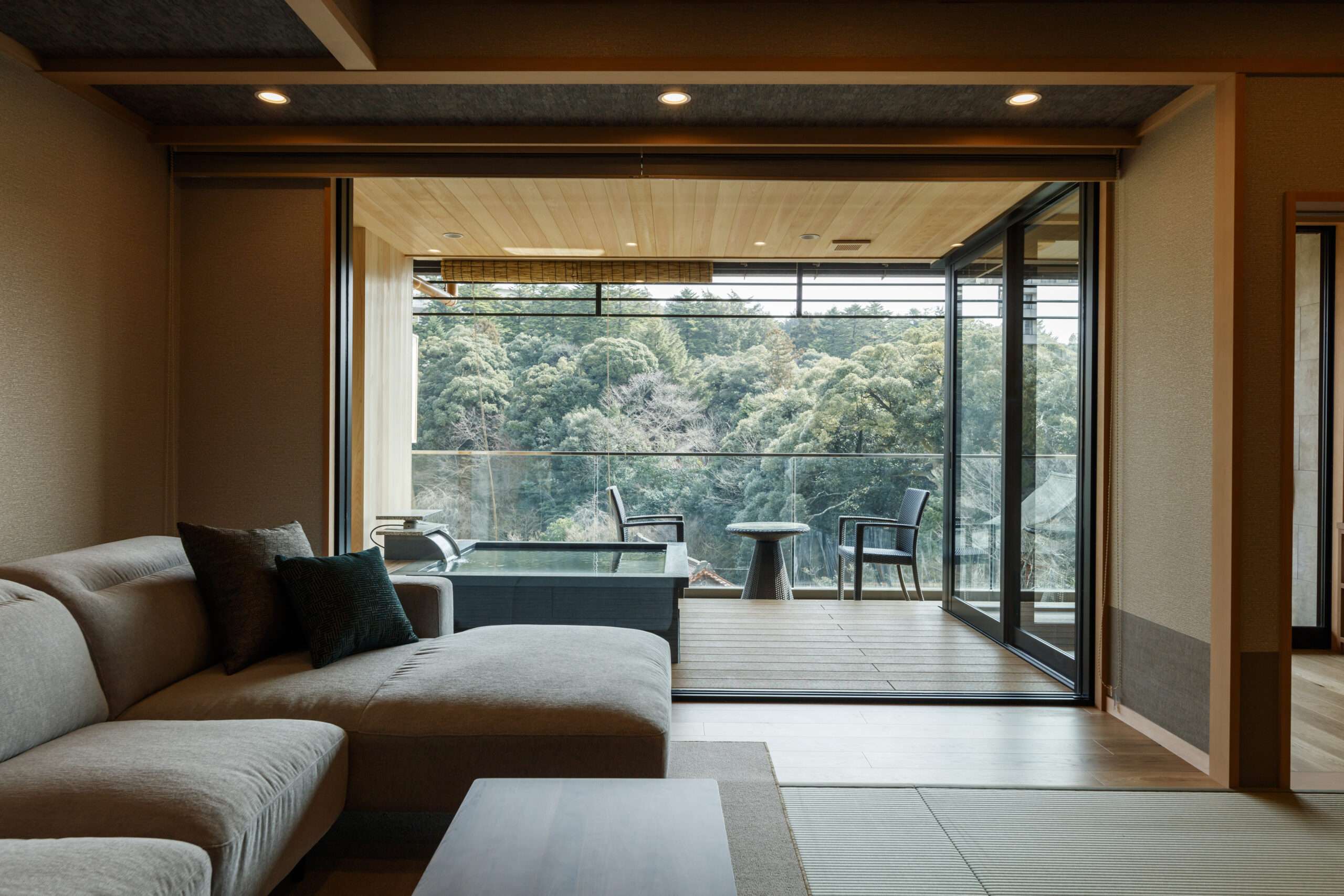
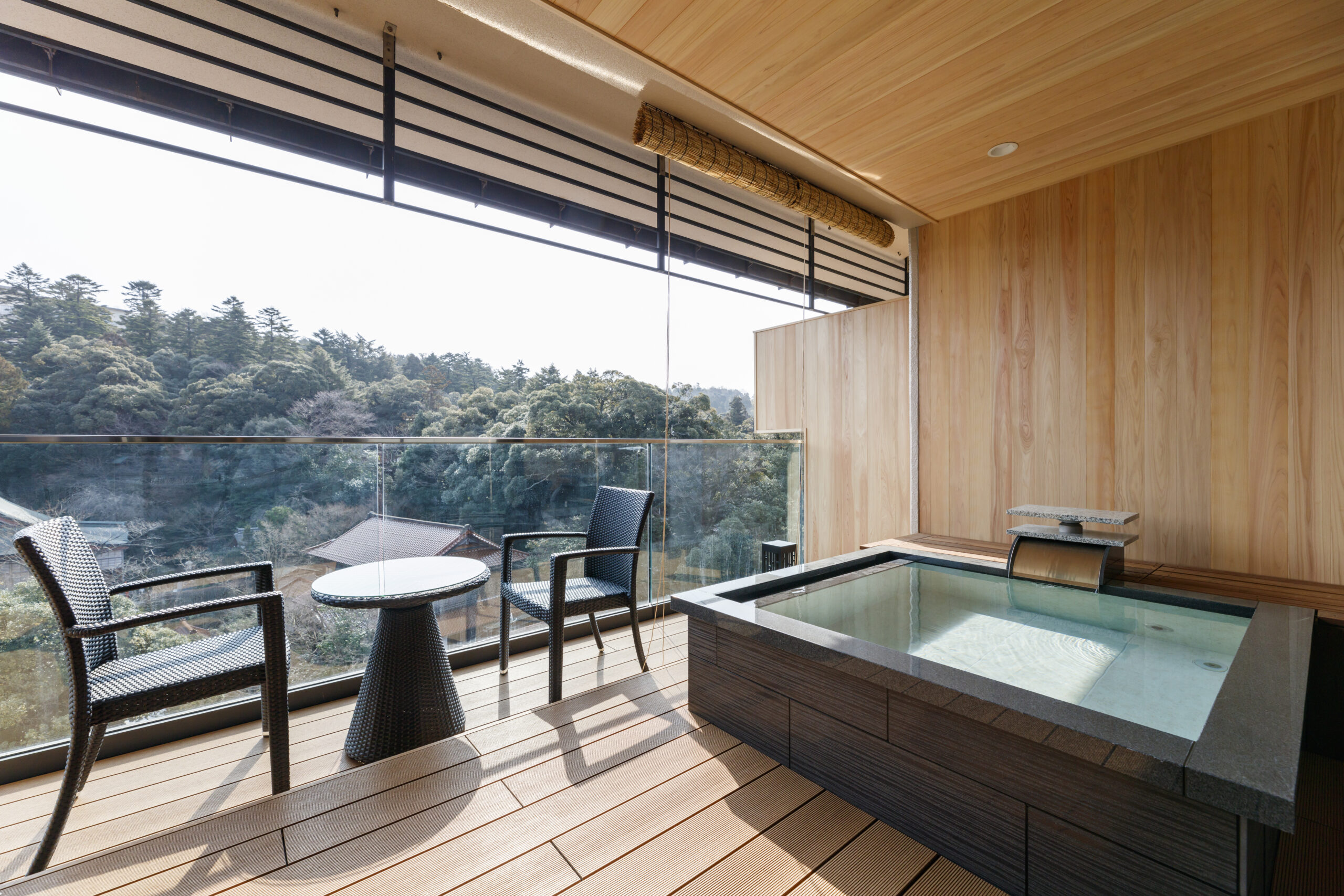
Restorative time in Yamashiro Onsen
-Kaga cuisine dinner
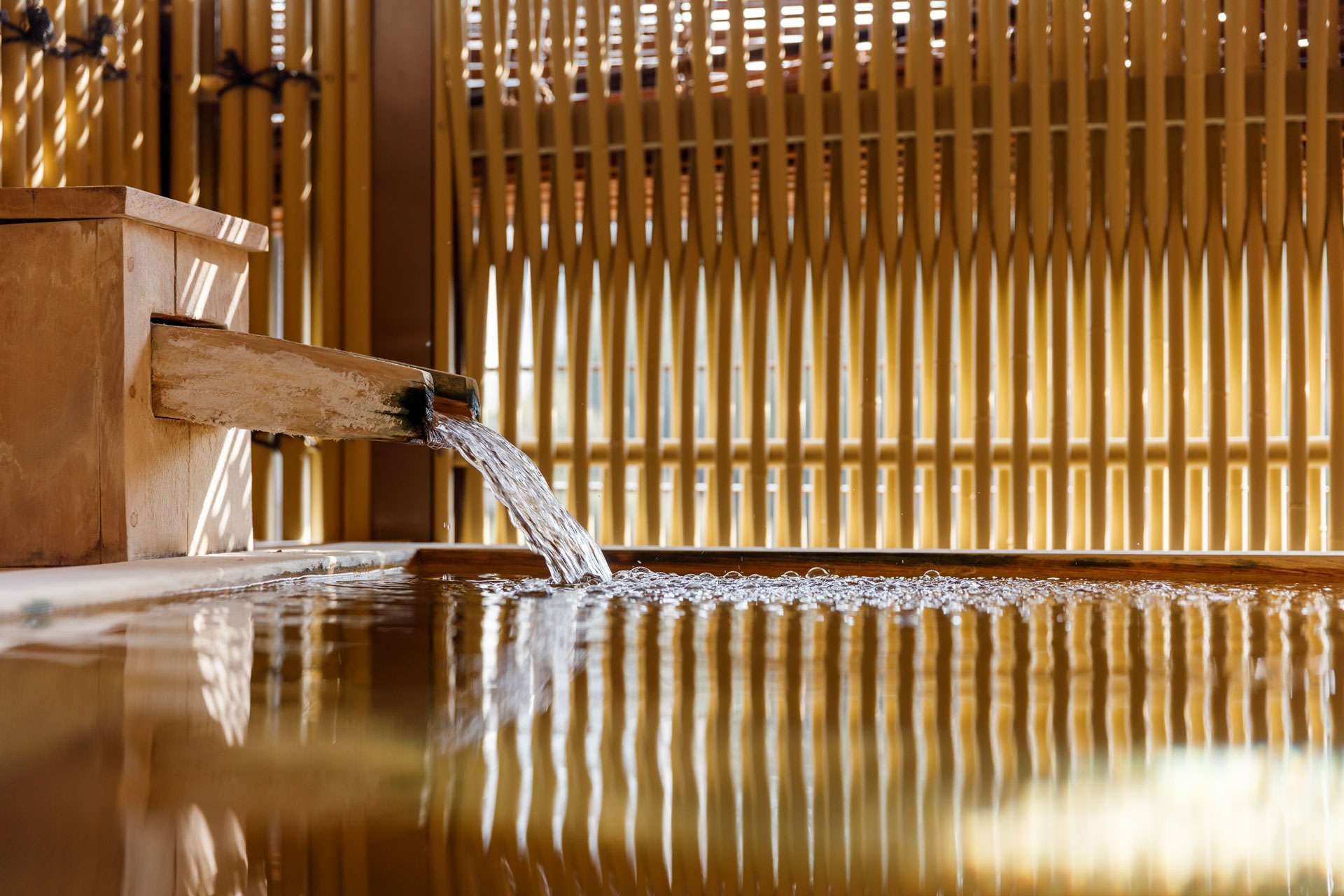
– a moment of calm with traditional Kaga aesthetics and a private bath
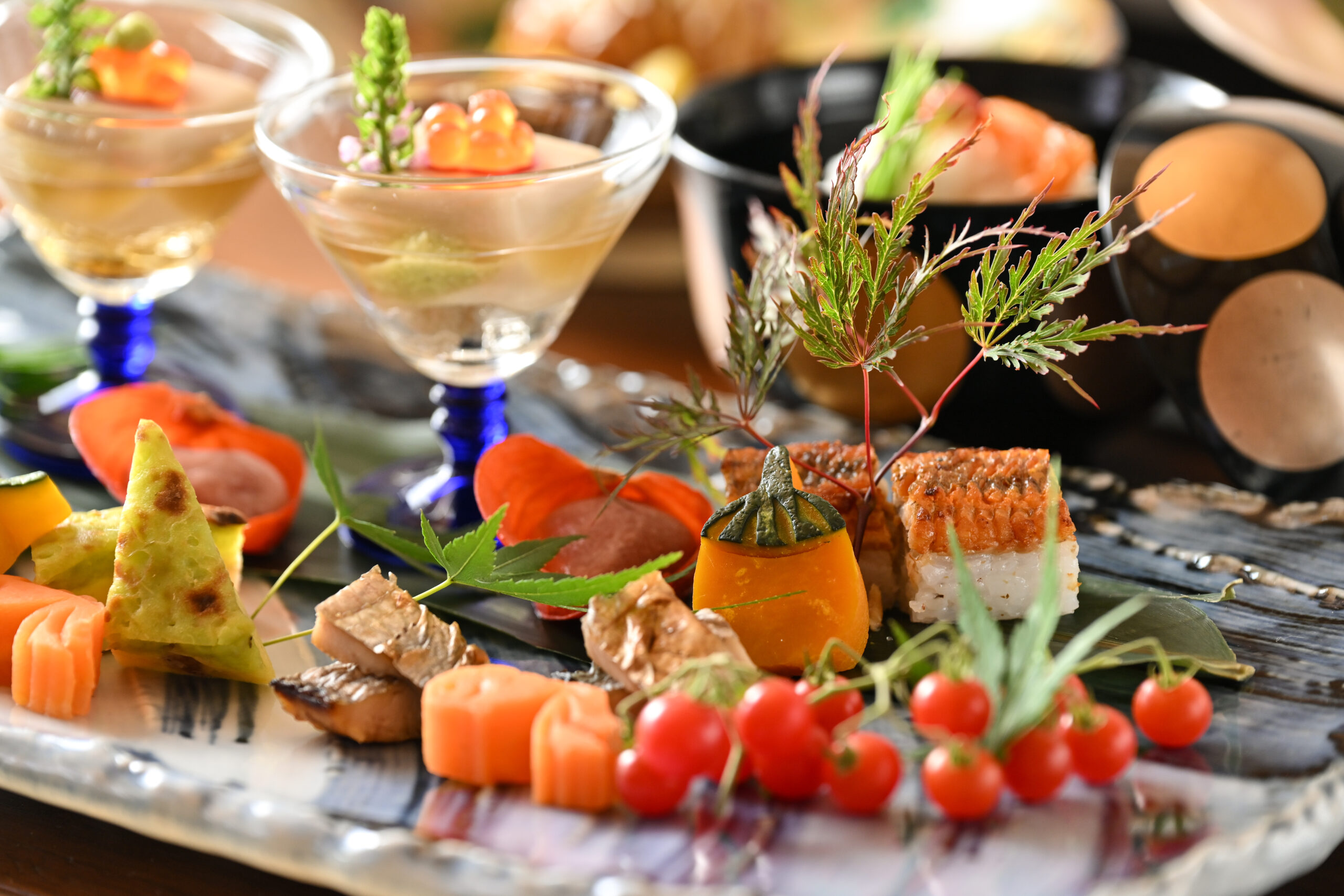
– a quiet harmony of food, tableware, and hospitality
Facility Information
10:00
Guided walk in Daishōji and Kutani ware
– discovering the traditions connected to the Daishōji sub‑domain
Facility Information
10:15
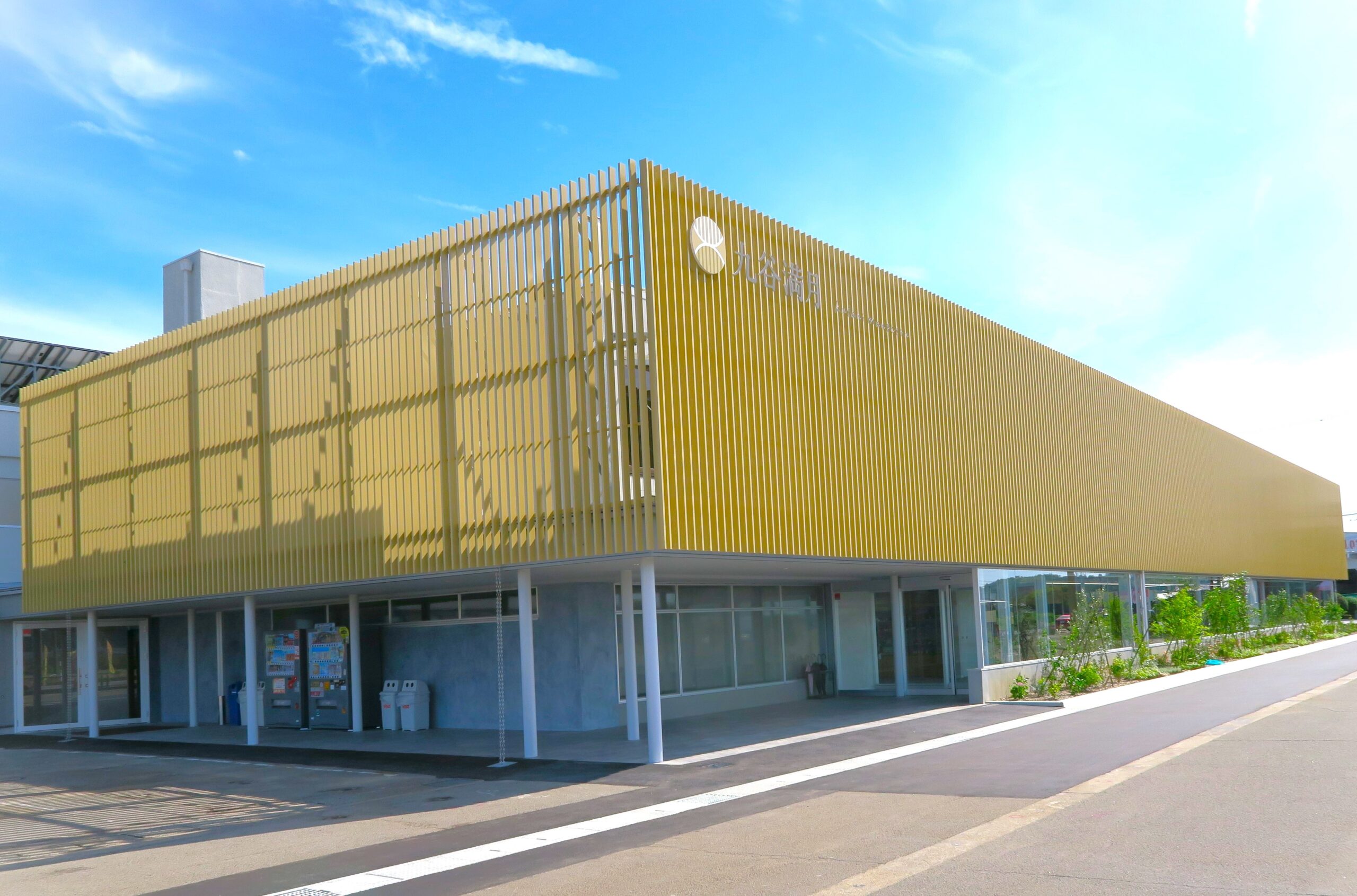
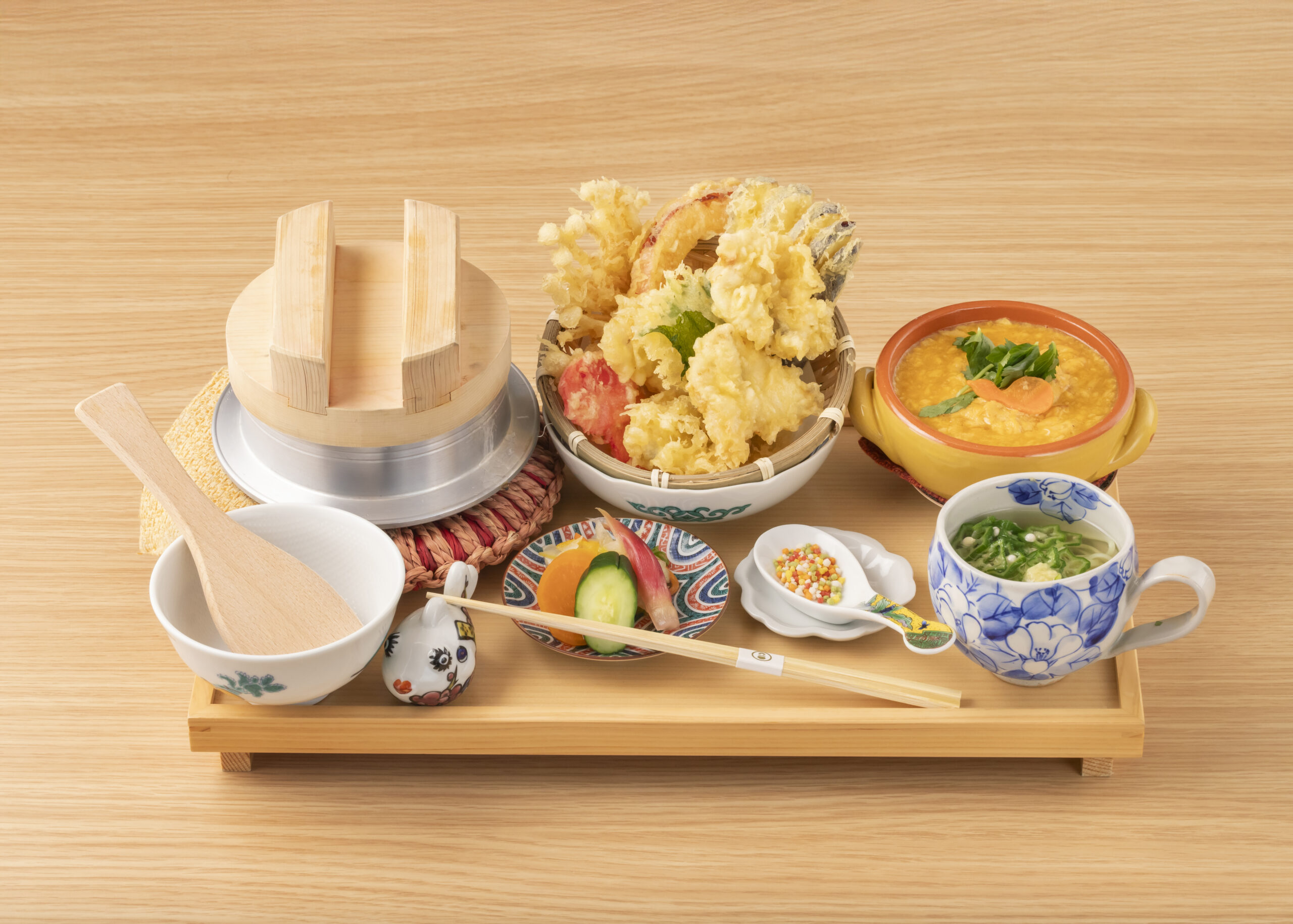
Fugu tempura lunch & shopping
Facility Information
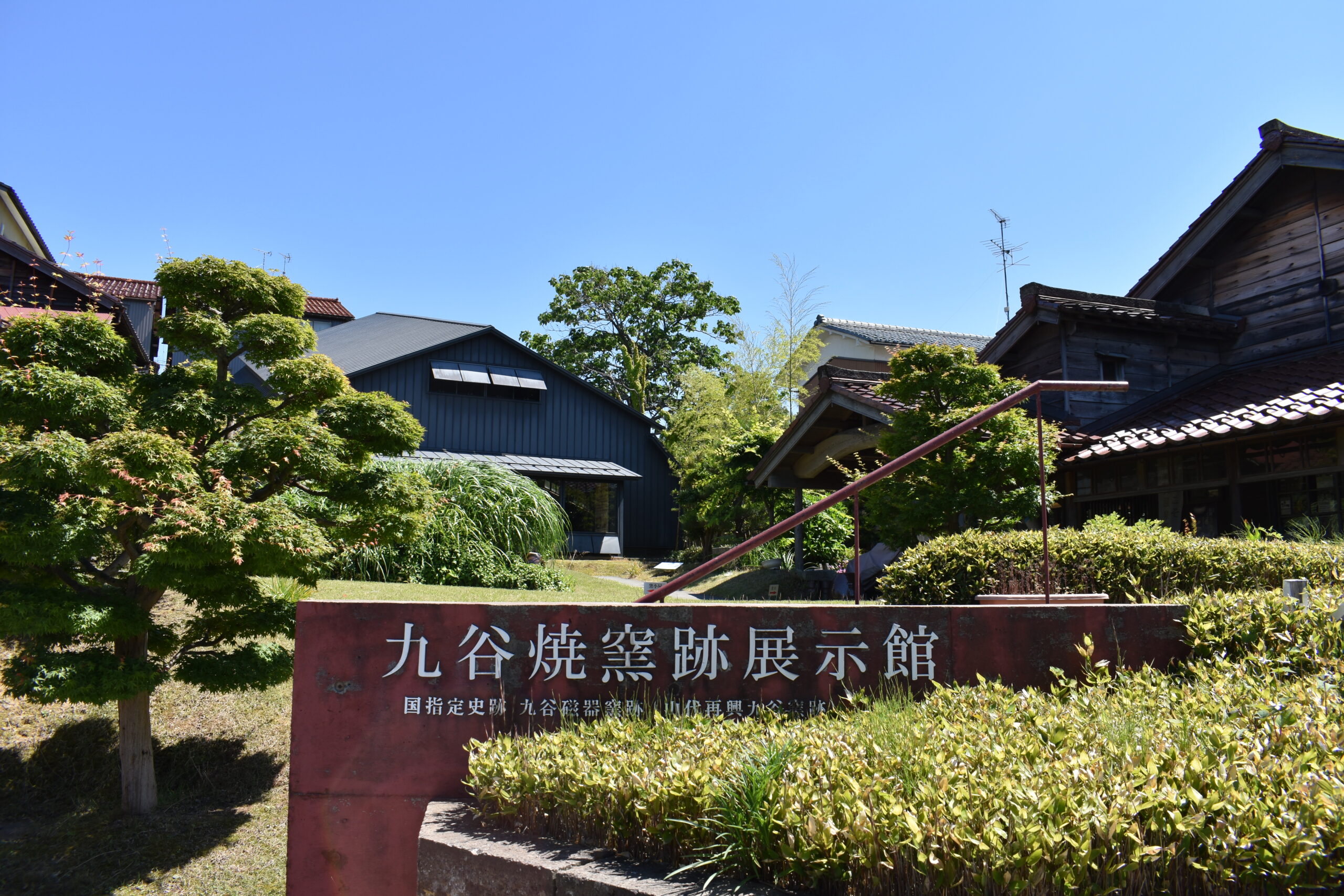
Kutani ware workshop / Kutani Kiln Ruins Exhibition Hall
19-101-9 Yamashiro Onsen, Kaga City, Ishikawa 922-0242, Japan
0761-77-0020
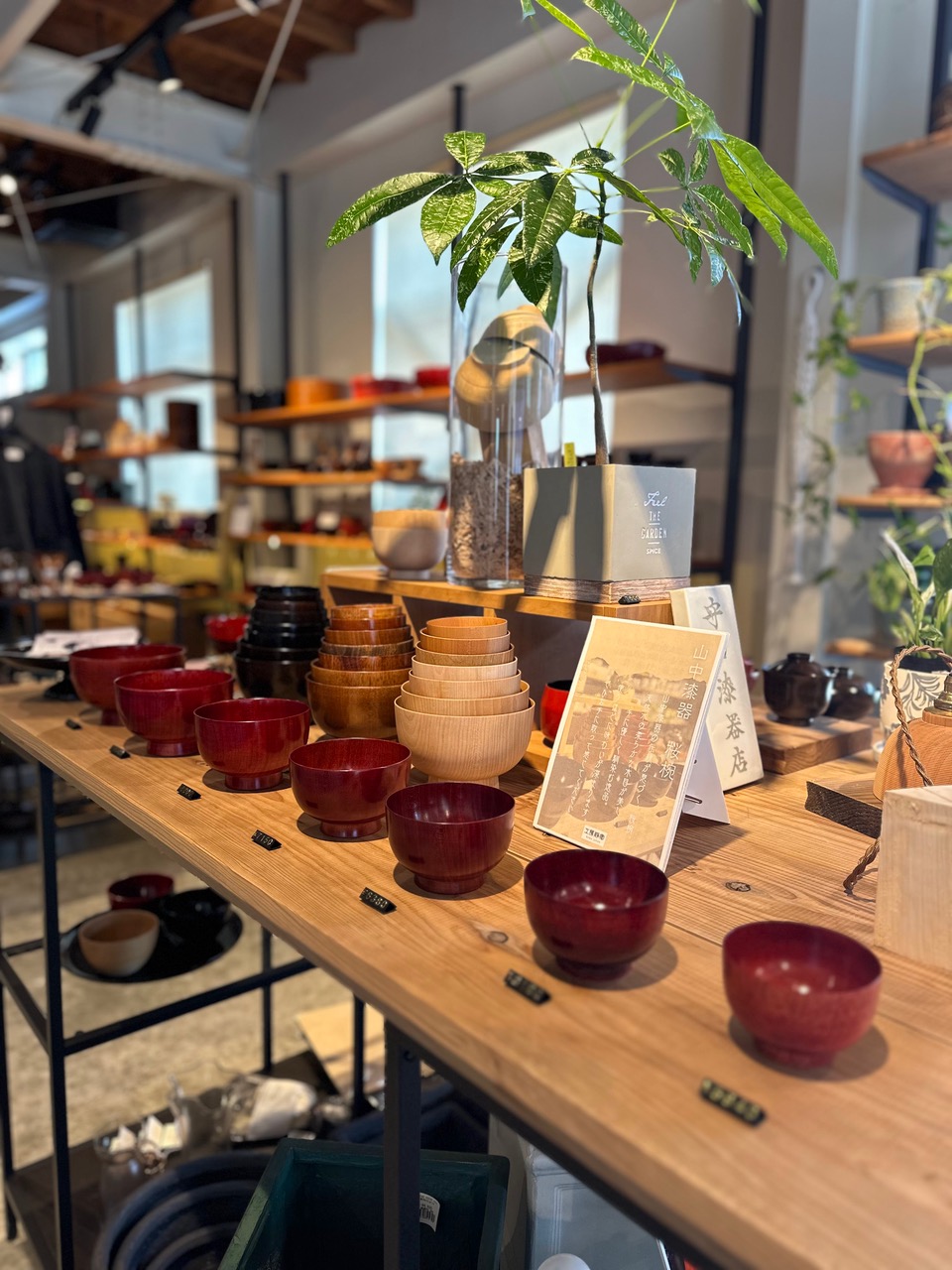
Yamanaka lacquerware workshop / Studio Seikan
Wa 531, Uehara-machi, Yamanaka Onsen, Kaga City, Ishikawa 922-0106, Japan
TEL: 0761-78-0106
Tatami workshop / Yamaya Tatami
2-11-1 Yamasedai, Yamashiro Onsen, Kaga City, Ishikawa 922-0245, Japan
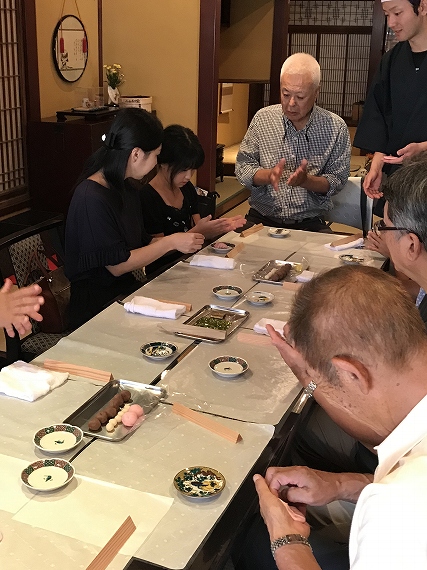
Wagashi workshop / Koyama Hōgetsudō
35 Daishoji Naka-machi, Kaga City, Ishikawa 922-0047, Japan
TEL: 0761-72-0180
13:30
Kaga craft and art workshops
– selecting workshops and visits according to your interests
16:30
Return to the hotel & free time
Facility Information
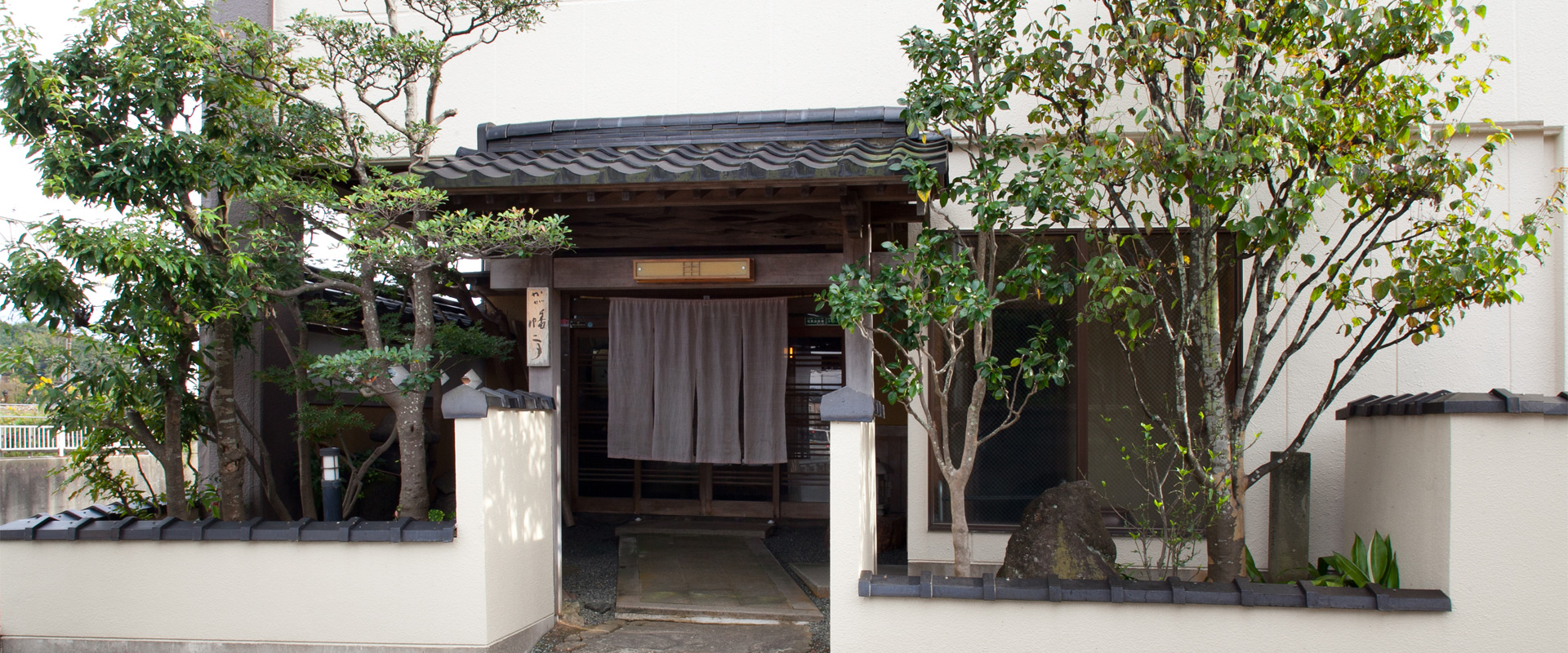
Kaga Bantei
4-11 Daishoji Higashimachi, Kaga-shi, Ishikawa 922-0816, Japan
TEL: 0761-73-0141
18:30
Dinner
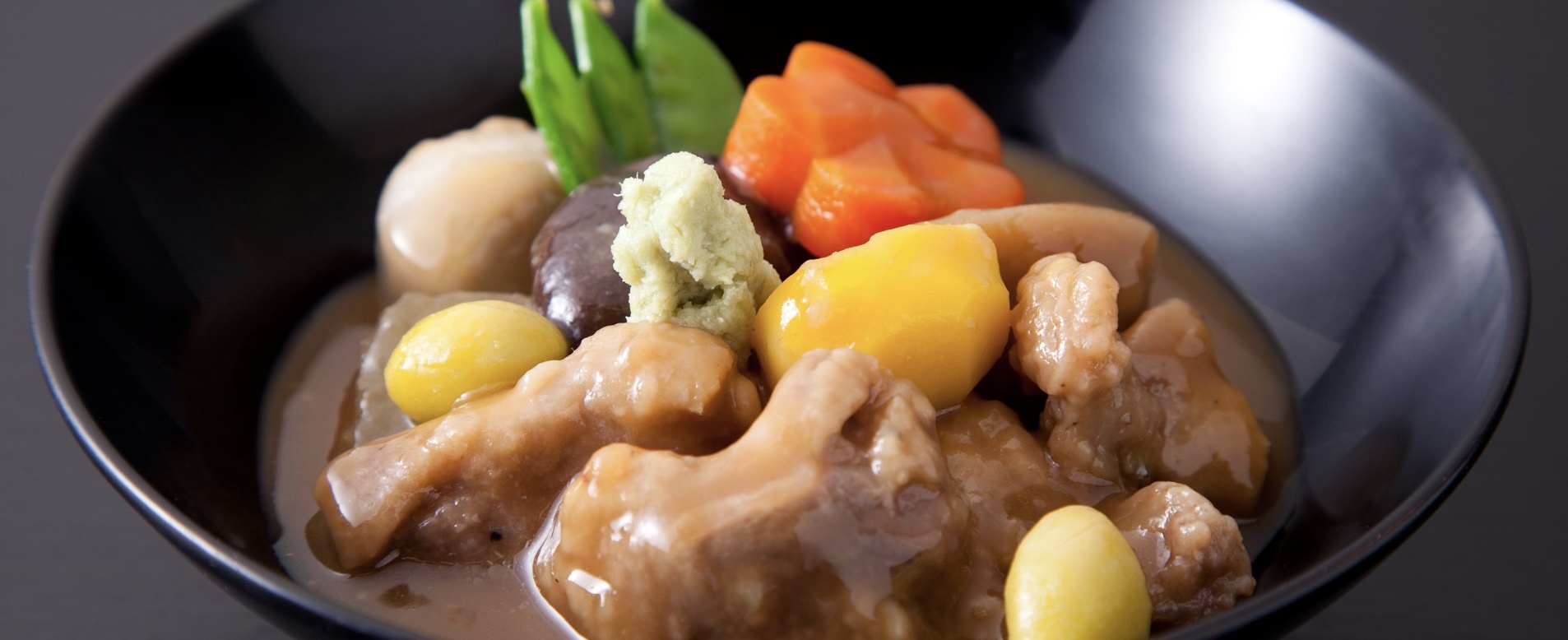
To close the final day, savor gently crafted duck dishes featuring locally sourced ingredients.
10:00
Hotel Check-out
– Depart from Kaga Onsen Station to your next destination.A quiet close to your journey, with moments that stay in memory.
[Contact the Concierge]
• We can tailor the experience and budget to match your preferences.
• If you would like to discuss a customised 2‑night, 3‑day Kaga itinerary in more detail, please feel free to contact our concierge through the form below.
Enquire with Our
Concierge