
Sumo
The Spirit of Japan Shaped by Myth and Devotion
The Heart and
Pride of Japan Reflected
in the Sumo Ring
A Journey Through Sumo as History, Tradition,
and Japanese Spirit
Beyond the excitement of professional tournaments, sumo reveals a deeper world shaped by centuries of history, regional traditions, and the refined movements and disciplined mindset of the wrestlers. It is a cultural tradition where Japanese values and a distinct sense of spirit come together in a single, enduring form.
Traveling through regions connected to sumo allows you to feel the presence of history and discover an essence of Japan that often remains unseen. This journey invites you to explore the roots of sumo and encounter a more thoughtful side of the country—one that brings you closer to the spirit behind this timeless tradition.
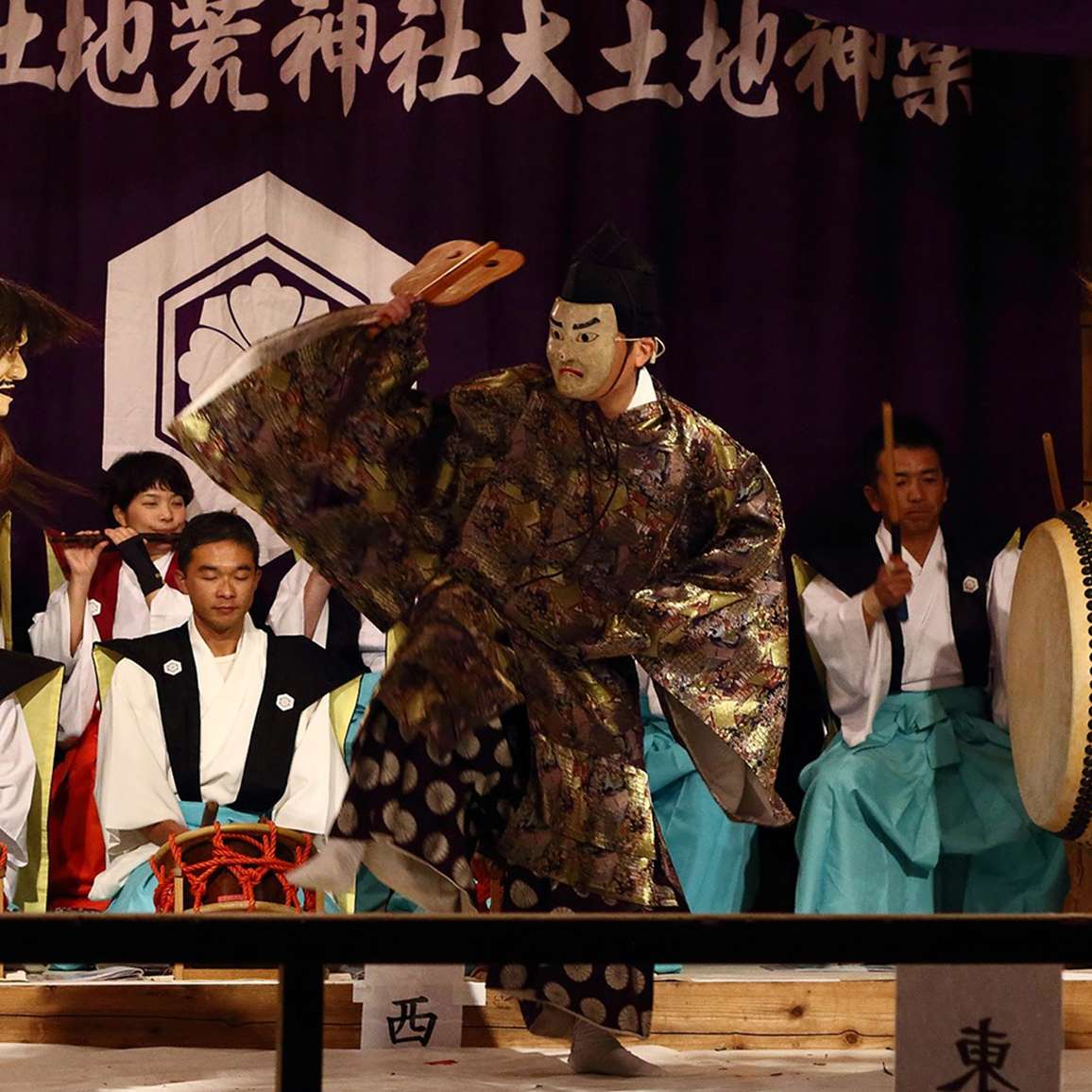
Sumo Across Japan
Four Cultural Gateways
to Understanding Sumo
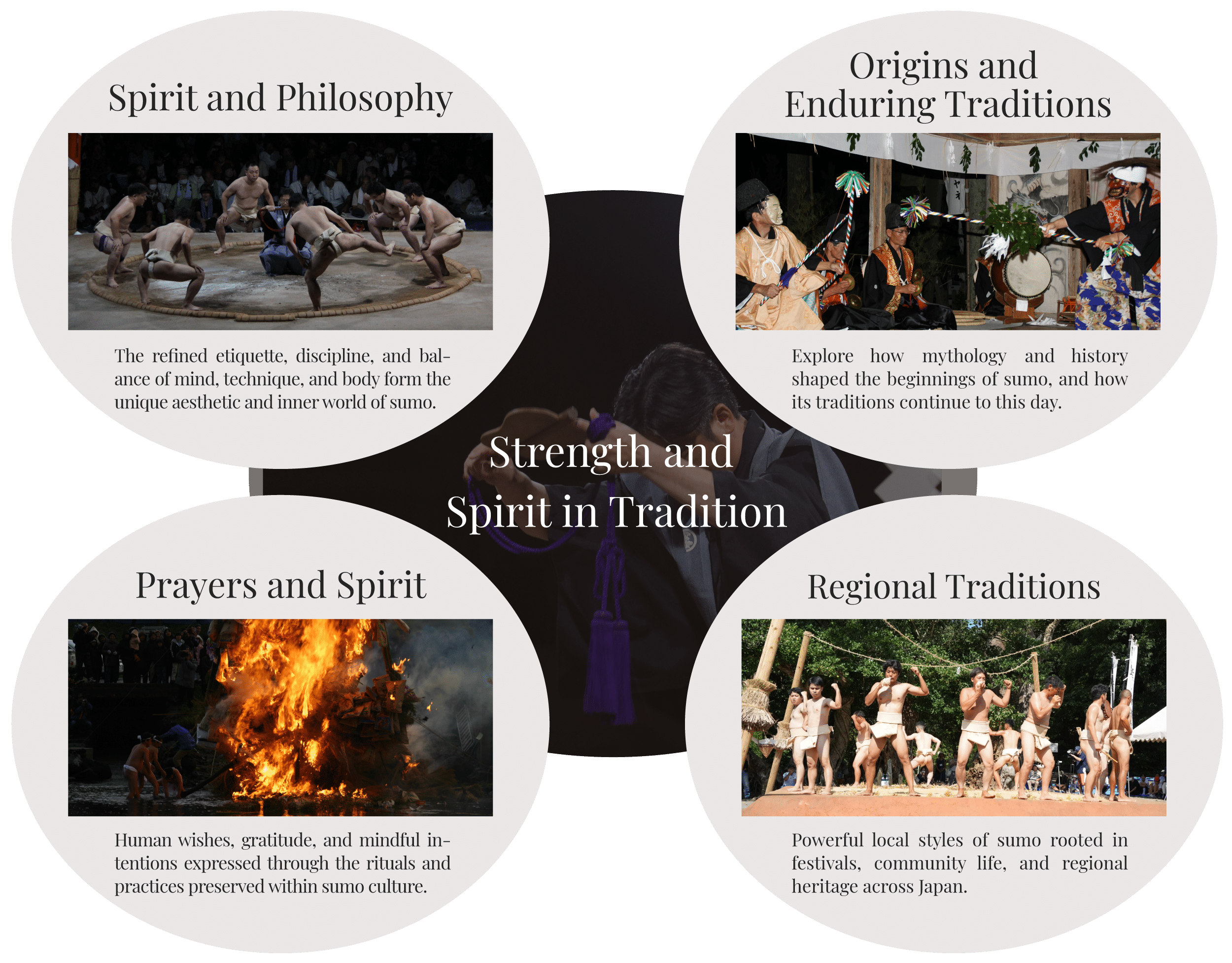
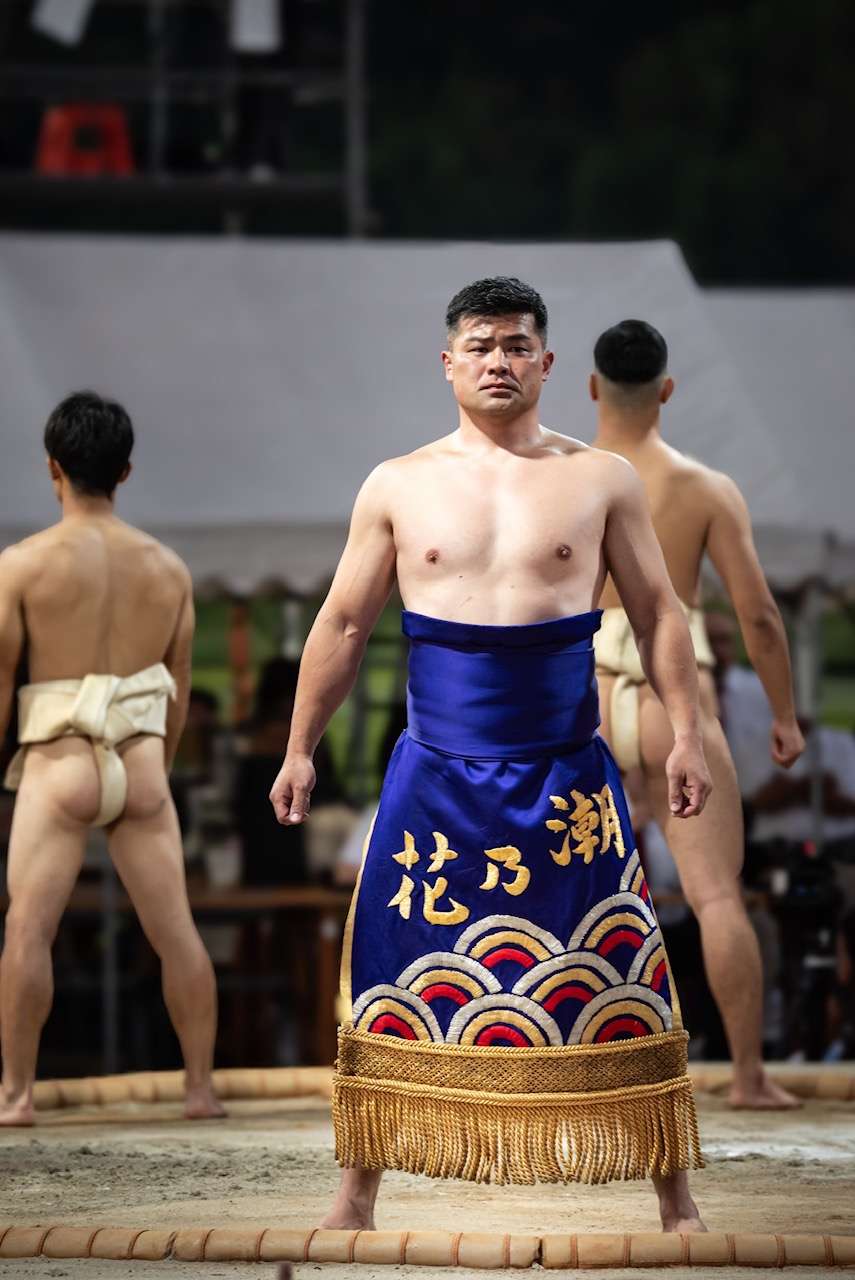
Aesthetic Discipline Shaped by Mind, Technique, and Body
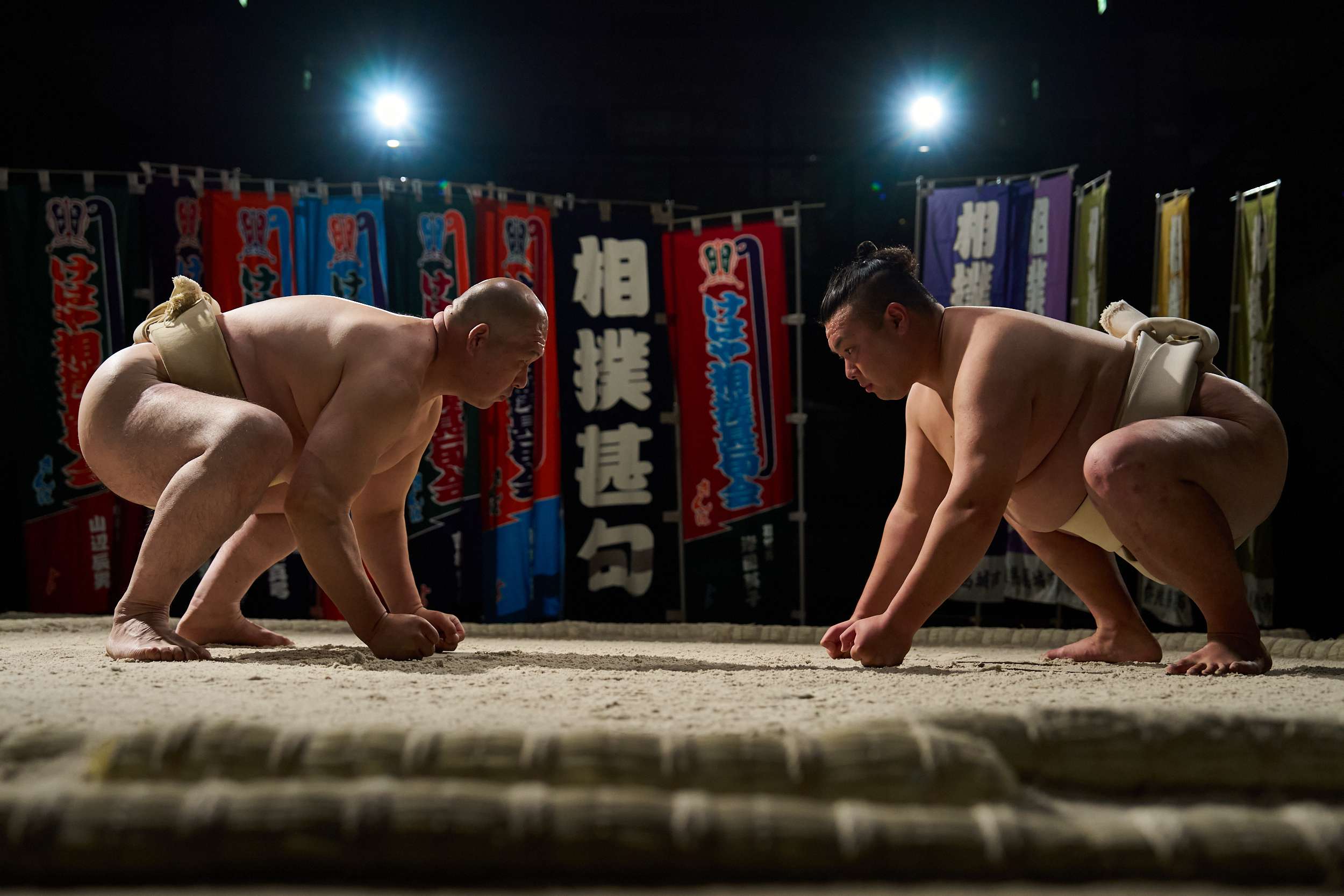
Sumo is more than a form of competition—it is a cultural practice grounded in respect for one’s opponent and in the disciplined harmony of mind, technique, and body. Quiet intensity and graceful movements create a powerful emotional presence.
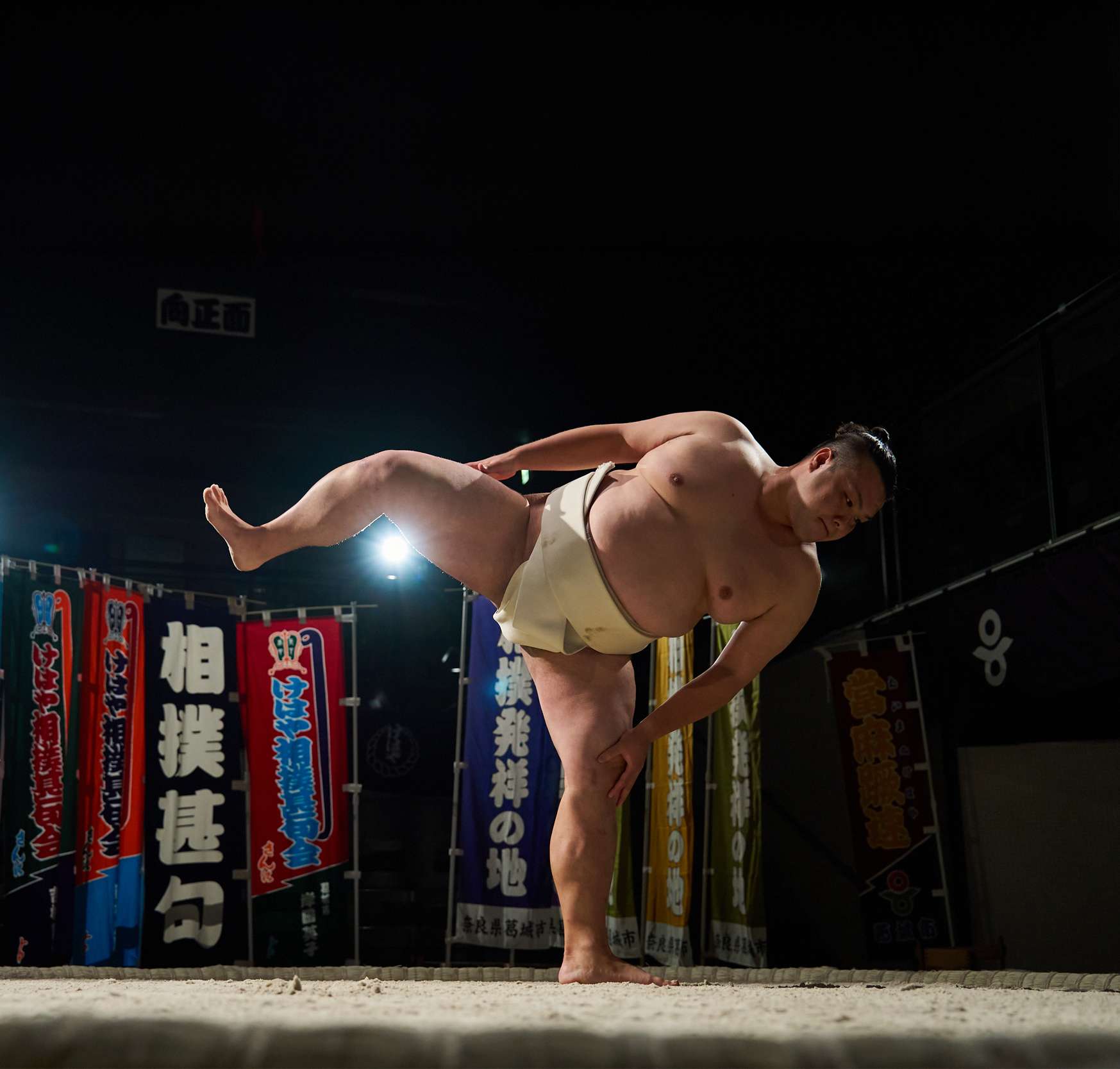
Respect and Quiet Beauty in Every Movement
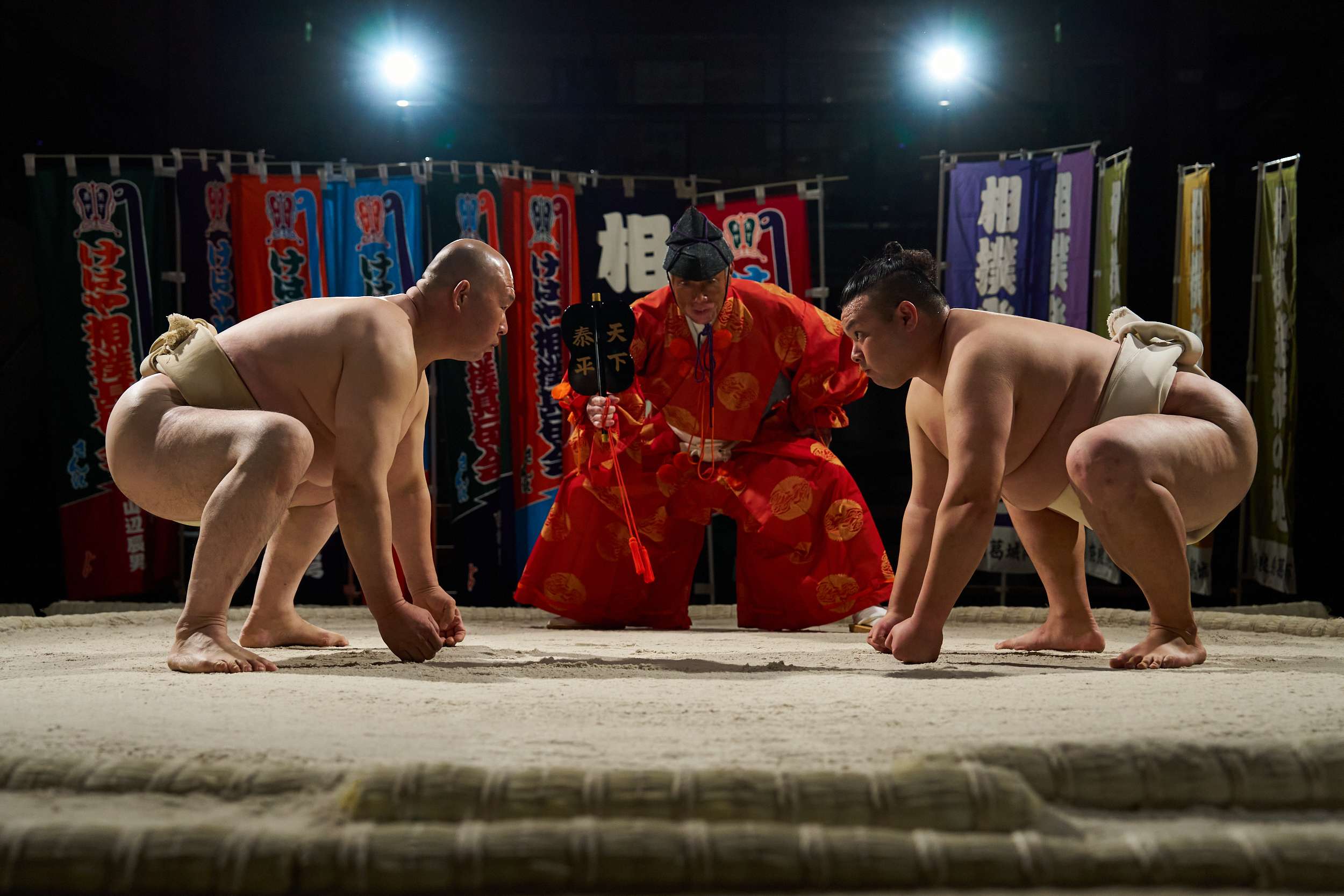
Gestures such as chirichōzu and the stamping of shiko carry meanings of clearing away negativity, purifying the hands, and preparing to face an opponent openly and honorably. The stillness before the initial charge, the focus it demands, and the respect shown toward one’s opponent form the aesthetic and spiritual core of sumo.
Mythological Roots That Continue Into the Present
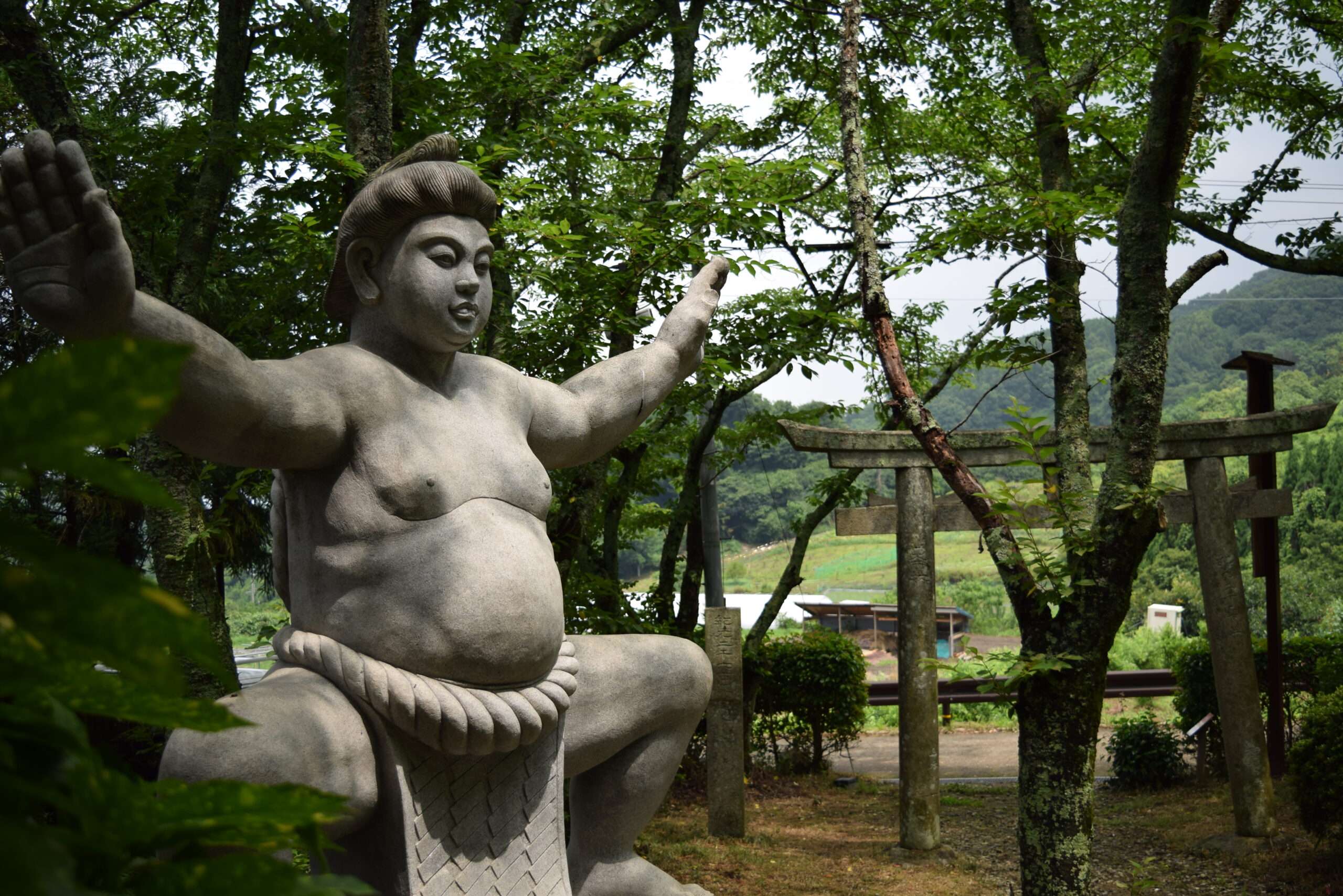
Mythic tales recorded in Kojiki and Nihon Shoki describe early contests of strength. Visiting places tied to these stories offers a deeper connection to the origins of sumo and the traditions carried forward through time.
Legendary Wrestlers and the Places That Shaped Their Stories
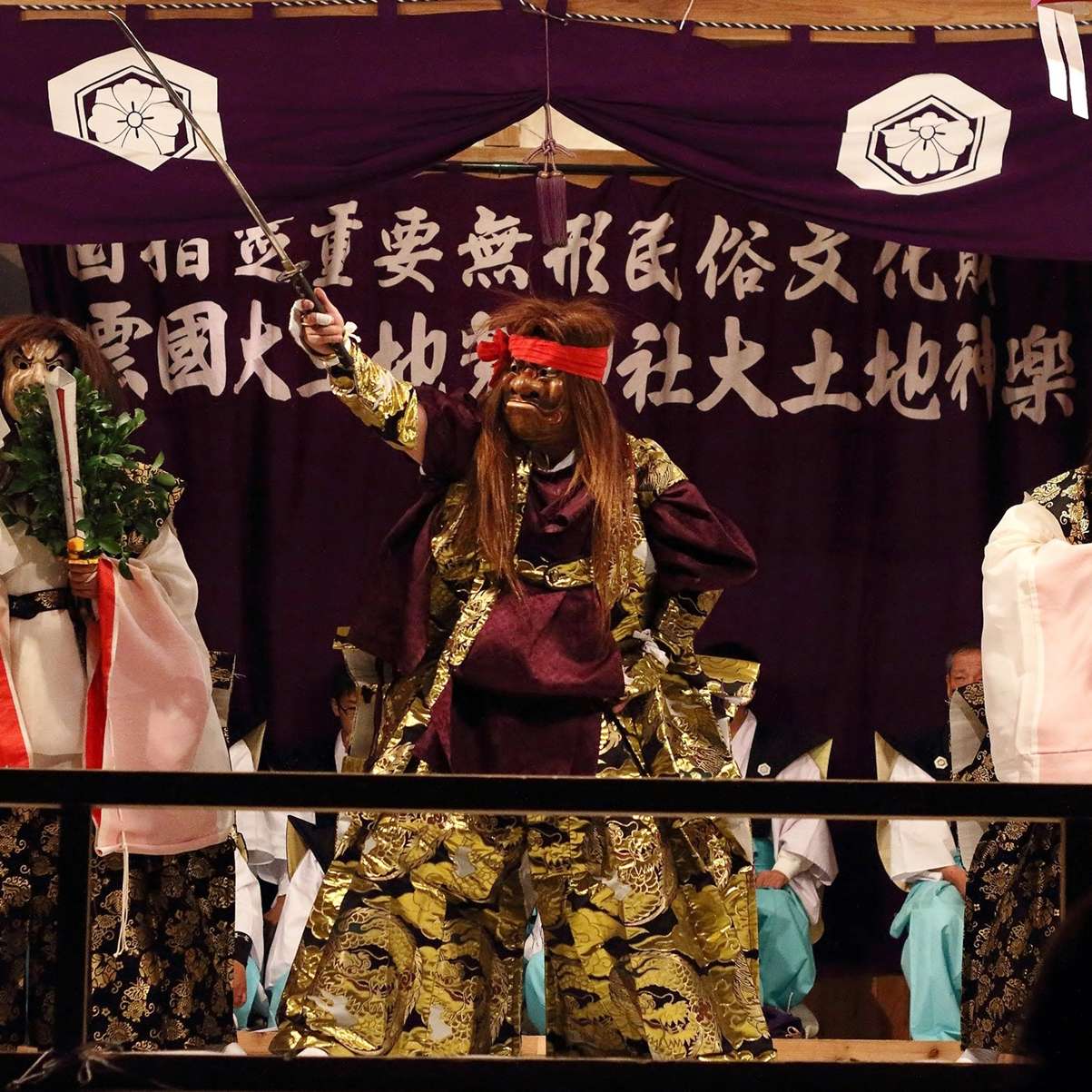
Across Japan, sites connected to mythic contests of strength and to early figures such as Nomi no Sukune and Taima no Kehaya still remain. Exploring ancient documents and historic landmarks offers a vivid sense of the thousands of years of history woven into the origins of sumo.
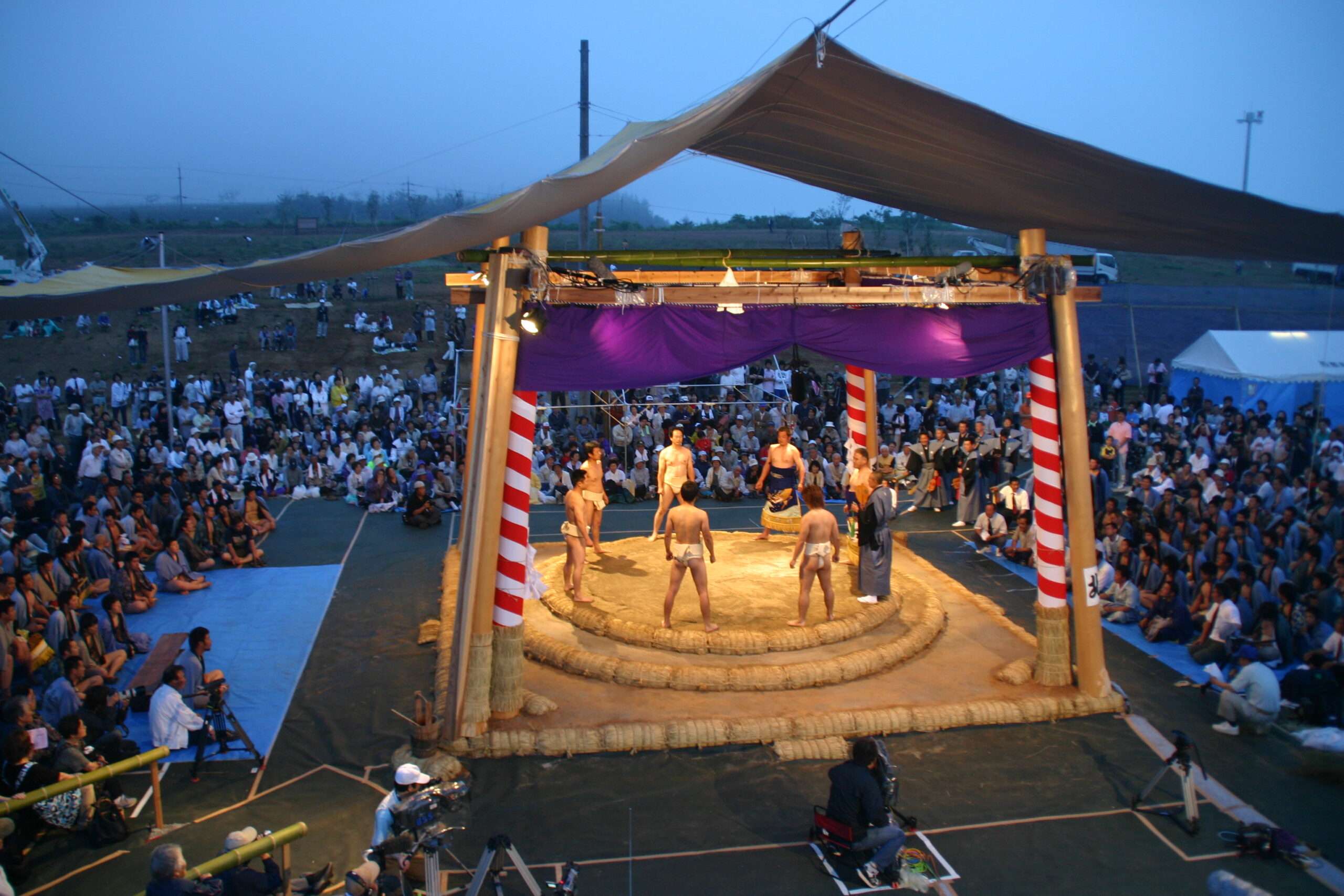
Wishes Offered to the Land and Its Deities
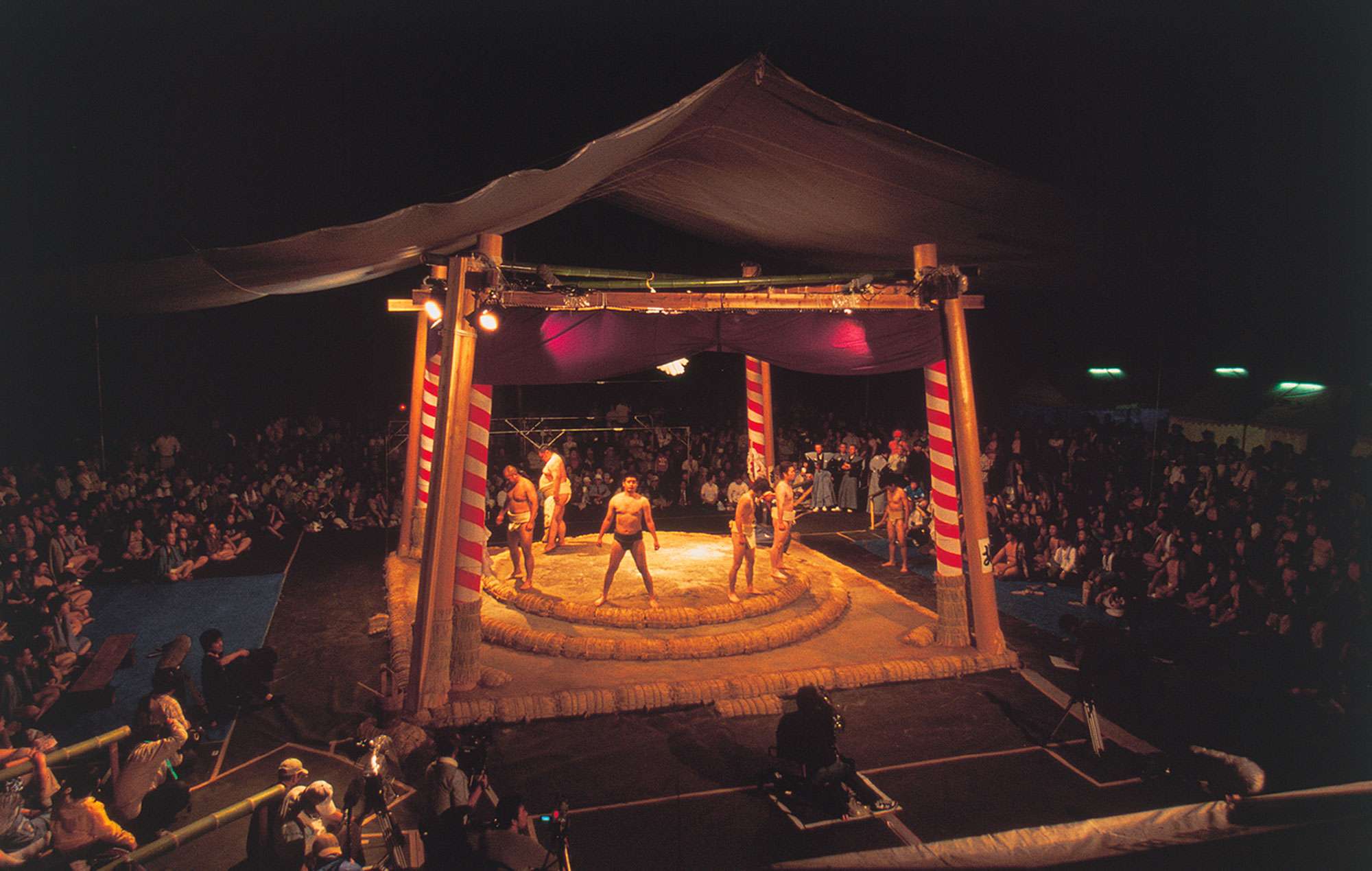
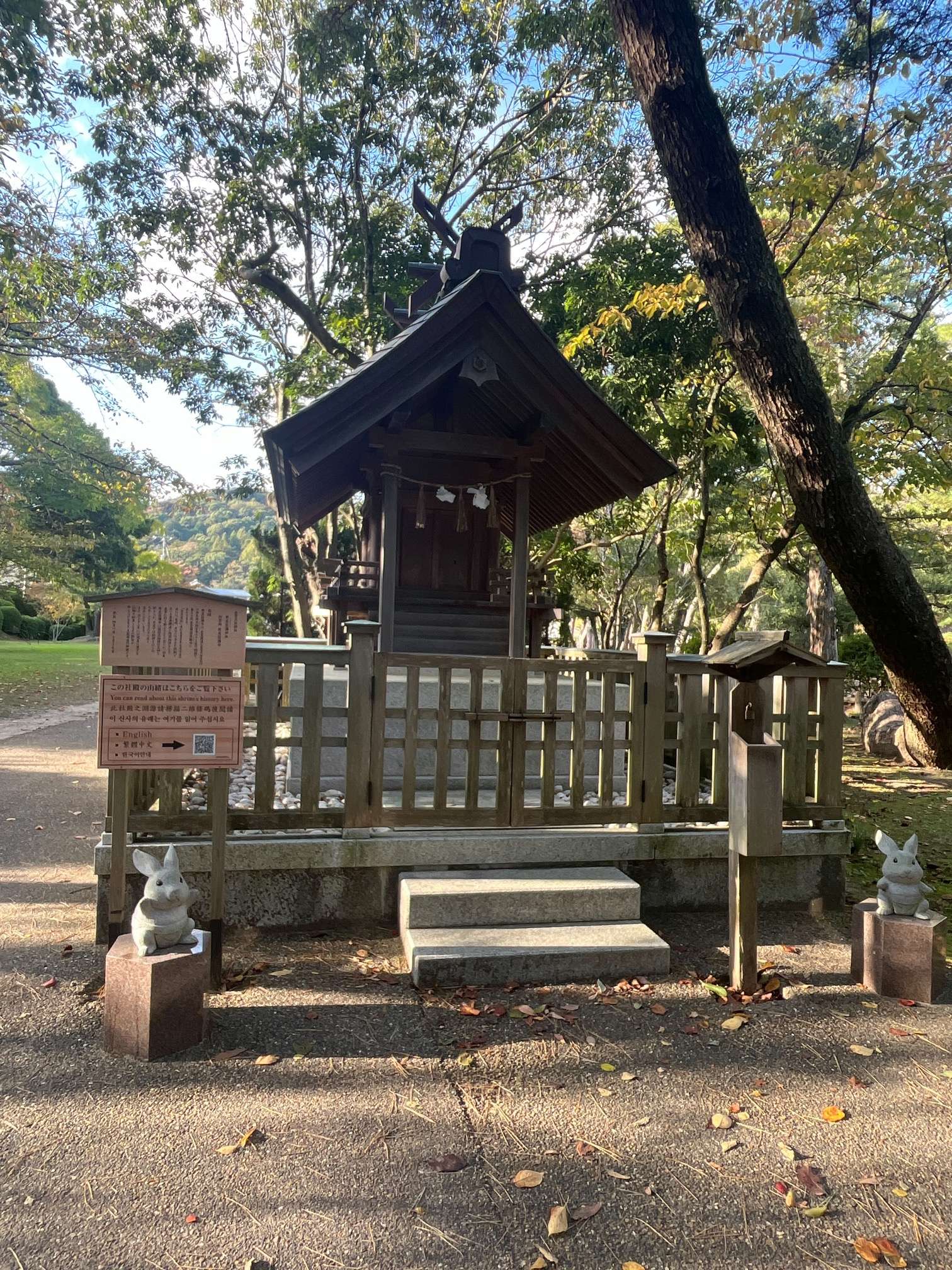
The circular ring symbolizes a sacred space, and elements such as the rope and purifying salt reflect hopes for harmony and well‑being. These practices express gratitude for prosperity and peace within the community.
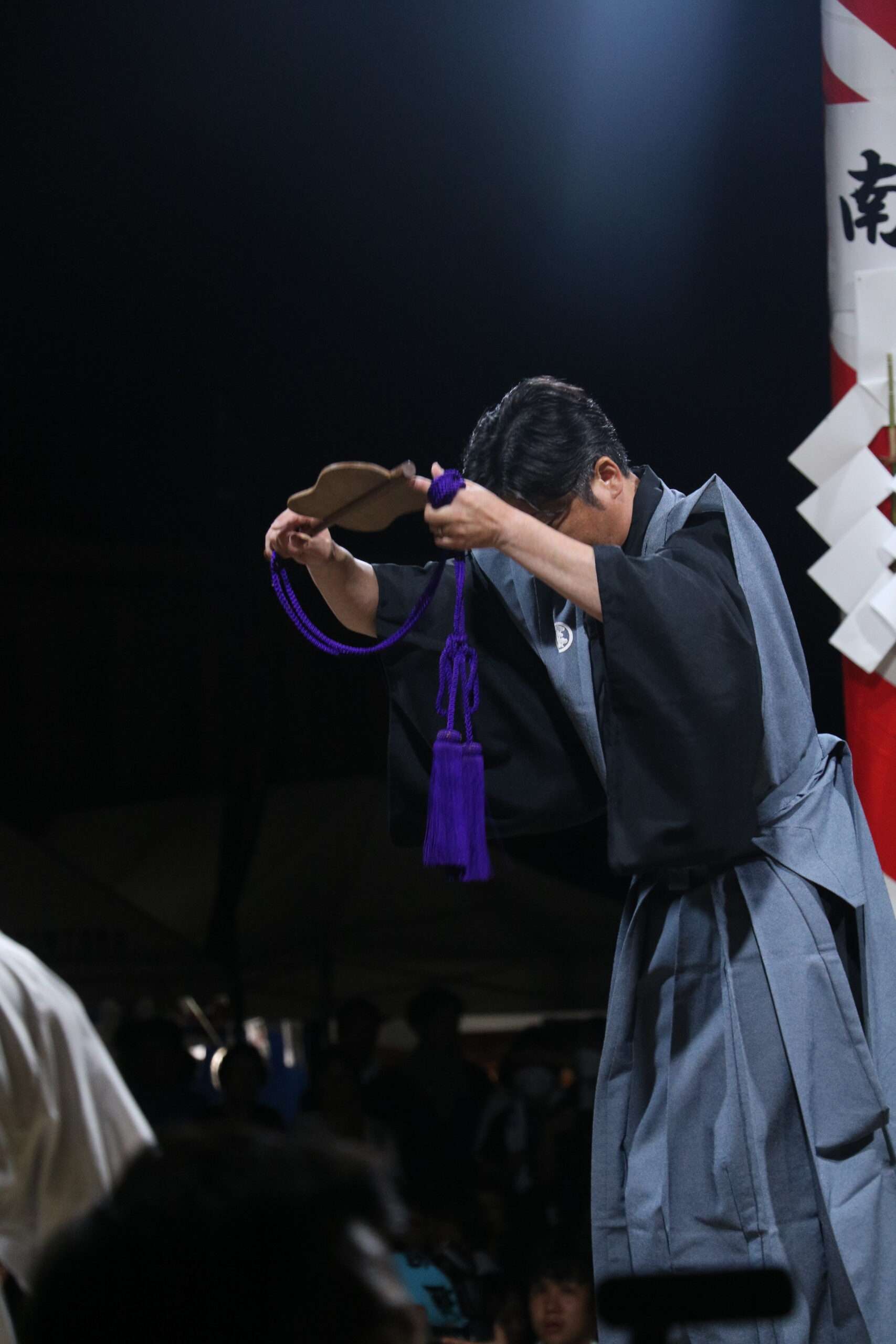
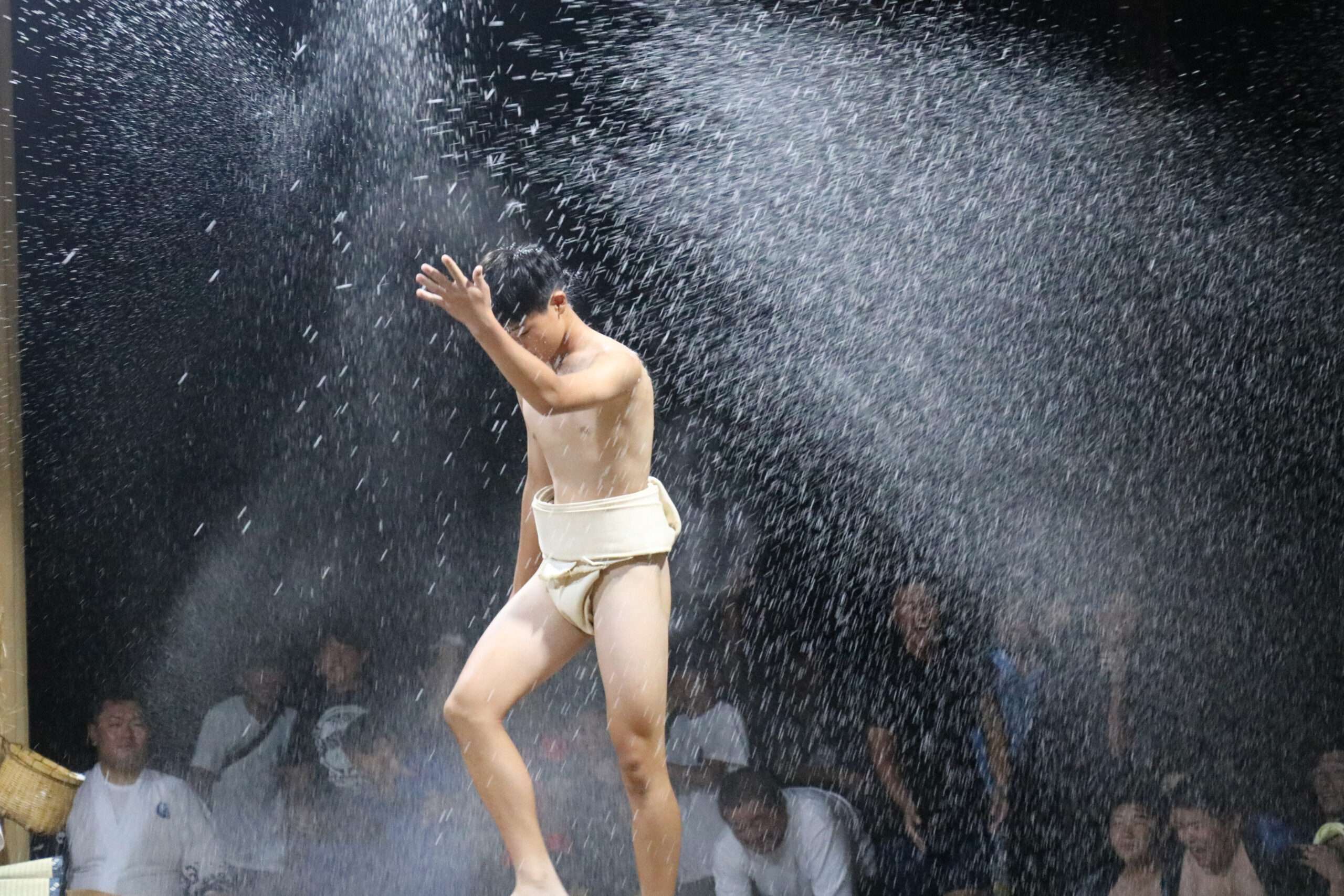
The Sacred Ring and the Purifying Power of Salt
The sumo ring is regarded as a special space, and the salt cast by wrestlers carries the intention of purification and readiness. Traditional attire and the deliberate movements of the referee’s fan each hold layers of meaning shaped over centuries, reflecting the thoughtful practices embedded in sumo culture.
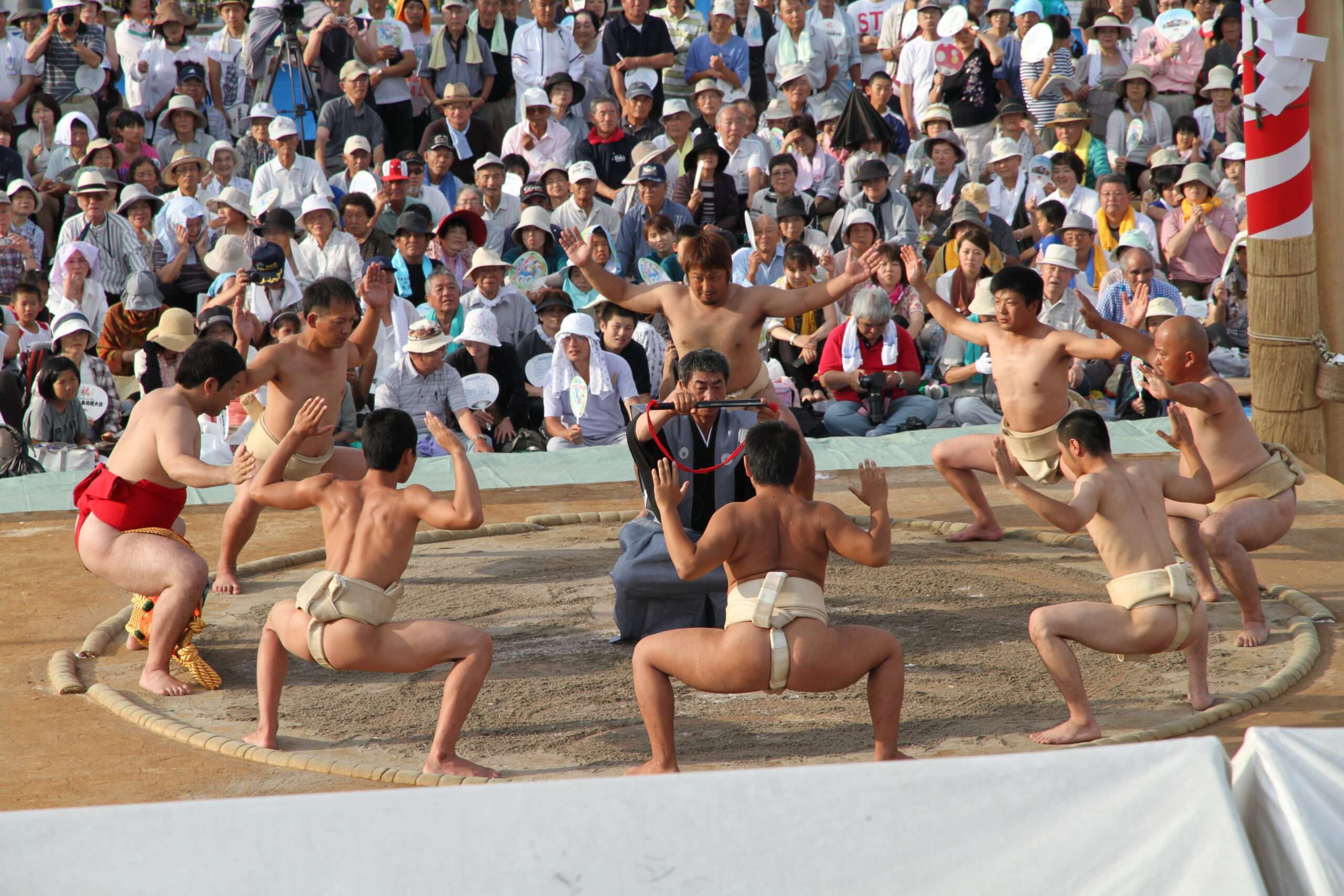
Distinct Forms of Sumo Rooted Across Japan
From island dedication matches to regional legends of powerful wrestlers, sumo blends with local festivals and community life. These traditions reveal how sumo continues to support local identity and connection.
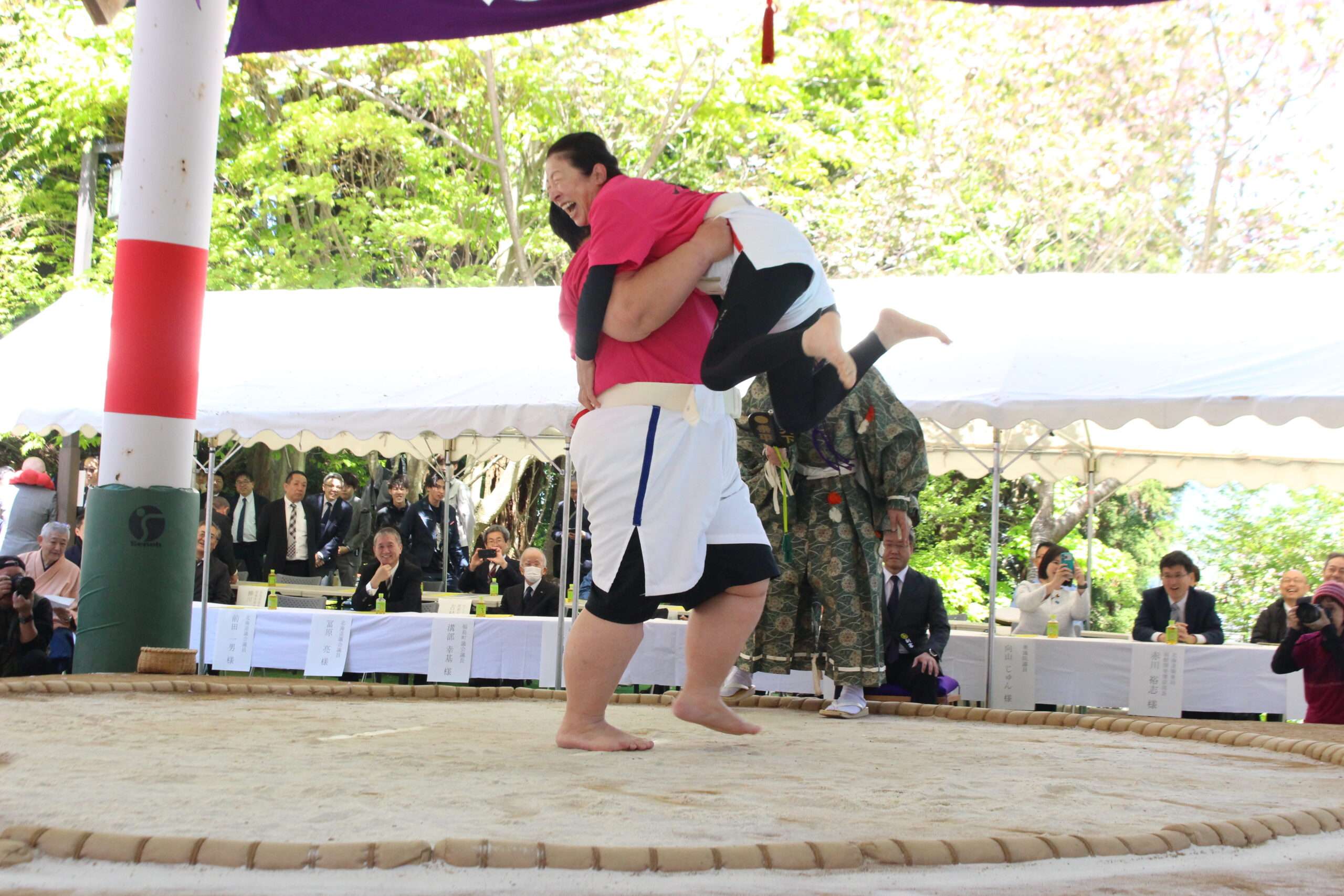
The Spirit of Dedication Sumo Sustained by Local Communities
In island regions and rural farming villages, dedication sumo continues to be practiced as a gesture of gratitude and as a symbol of community unity. Generations of residents gather with passion to uphold these traditions, offering visitors a chance to experience a living cultural heritage that has been carefully preserved over time.
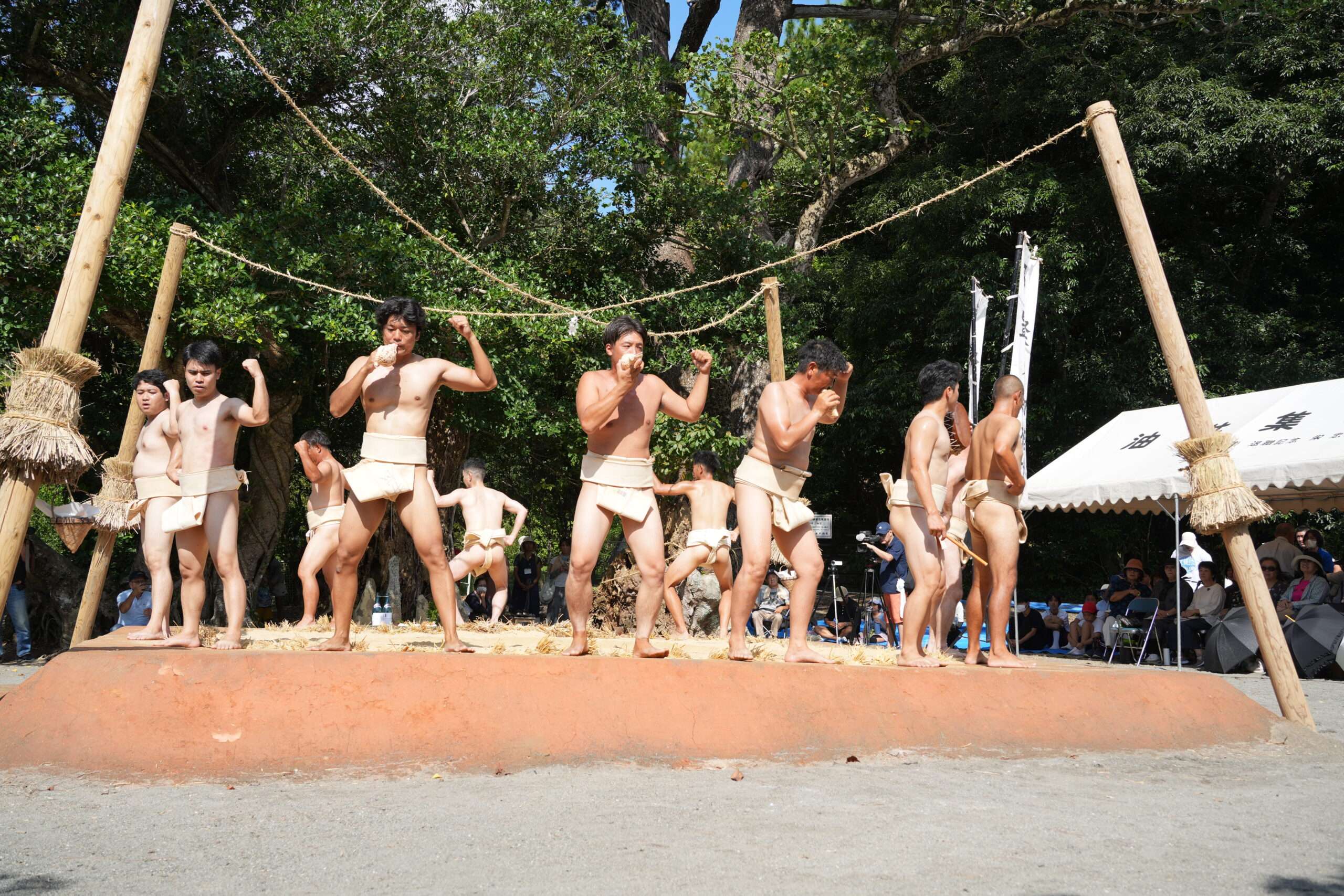
Moments Spent in Places Connected to Sumo
Experiencing Sumo Heritage
Exploration of Sumo Heritage, Local History, and Culture
Visiting regions tied to sumo offers a special way to explore its stories and cultural depth. From historic shrines to dedicated museums, learning about the structure of the ring and the background of traditional practices enriches both sumo viewing and local exploration.
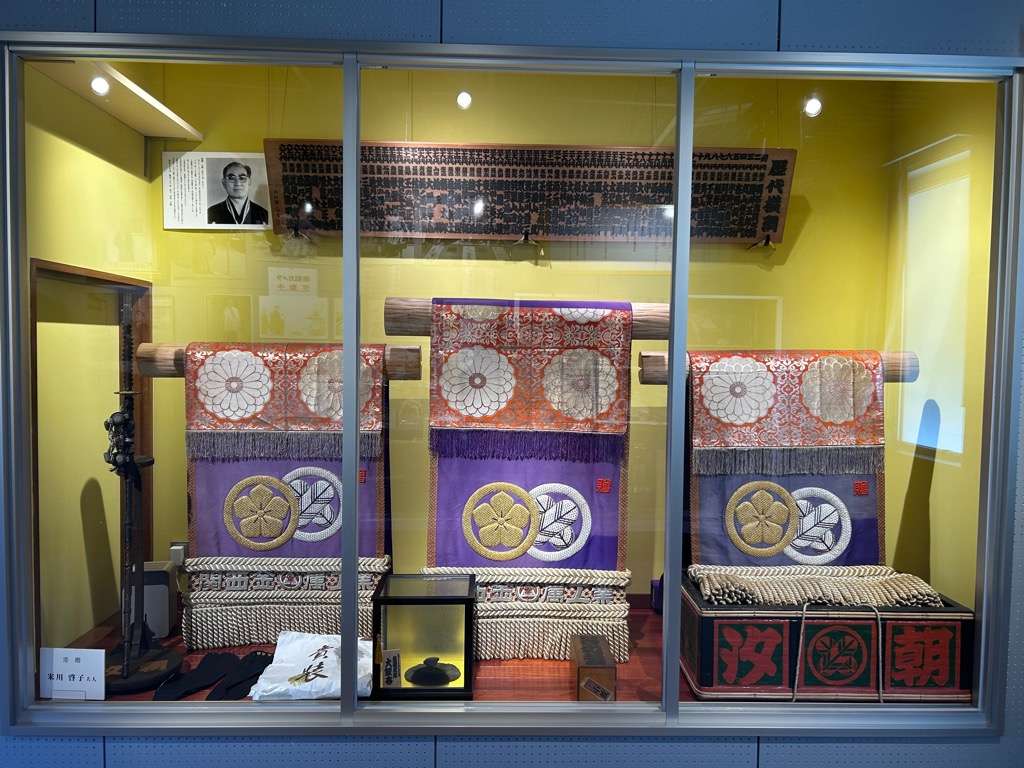
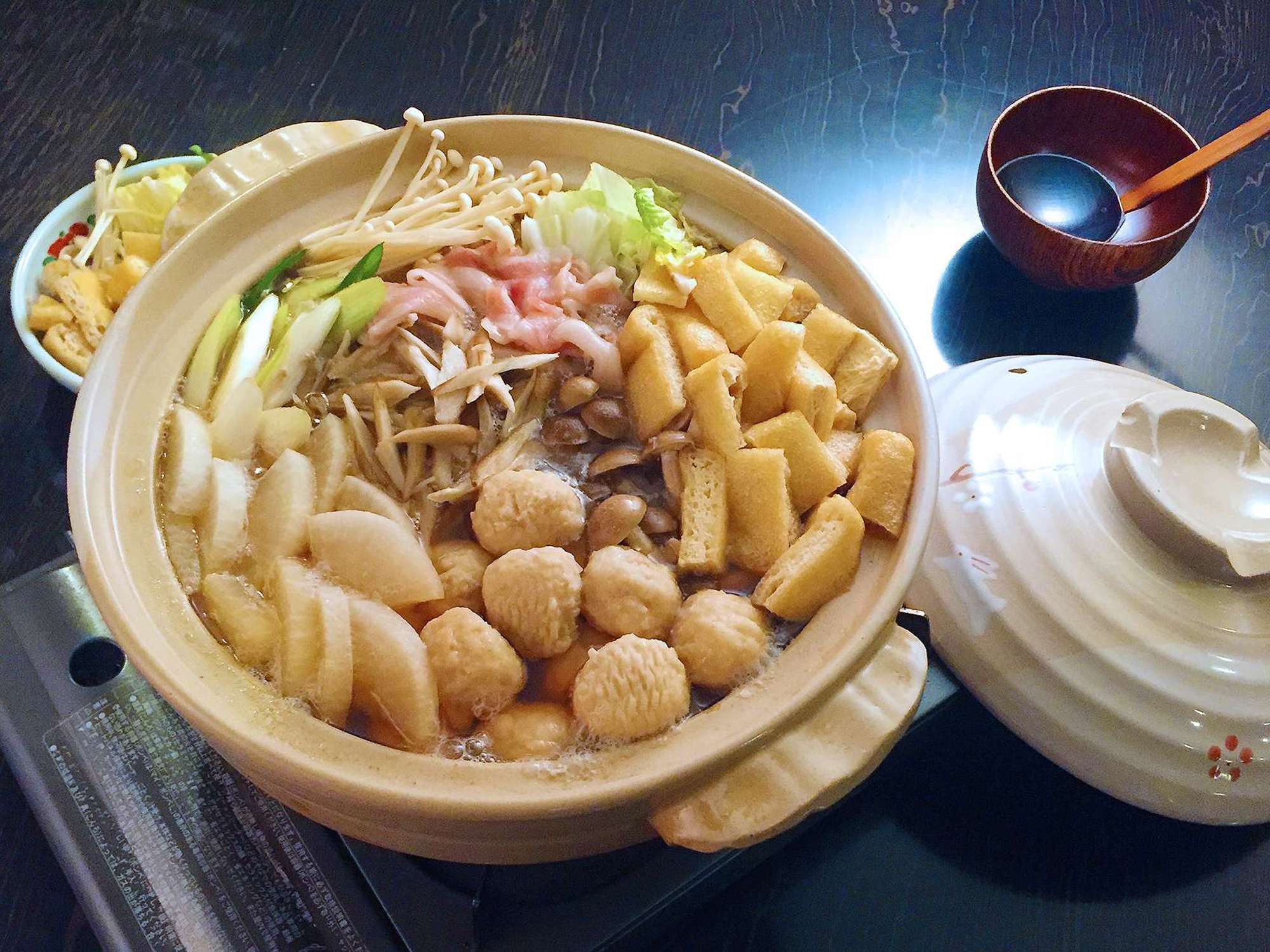
Traditional Cuisine and Local Experiences
You will enjoy chanko nabe, a nourishing hotpot that supports the strength of sumo wrestlers, along with local sake and regional dishes. Through strolls in historic townscapes and hands‑on cultural experiences, you will gain a deeper appreciation of the rich way of life that has shaped the wrestlers and the sumo traditions of the region.
Exploring Sumo Heritage Across Japan
SUMO MAP

Whats New